
Heathen (band)
Bay Area thrash metal band known for technical aggression.

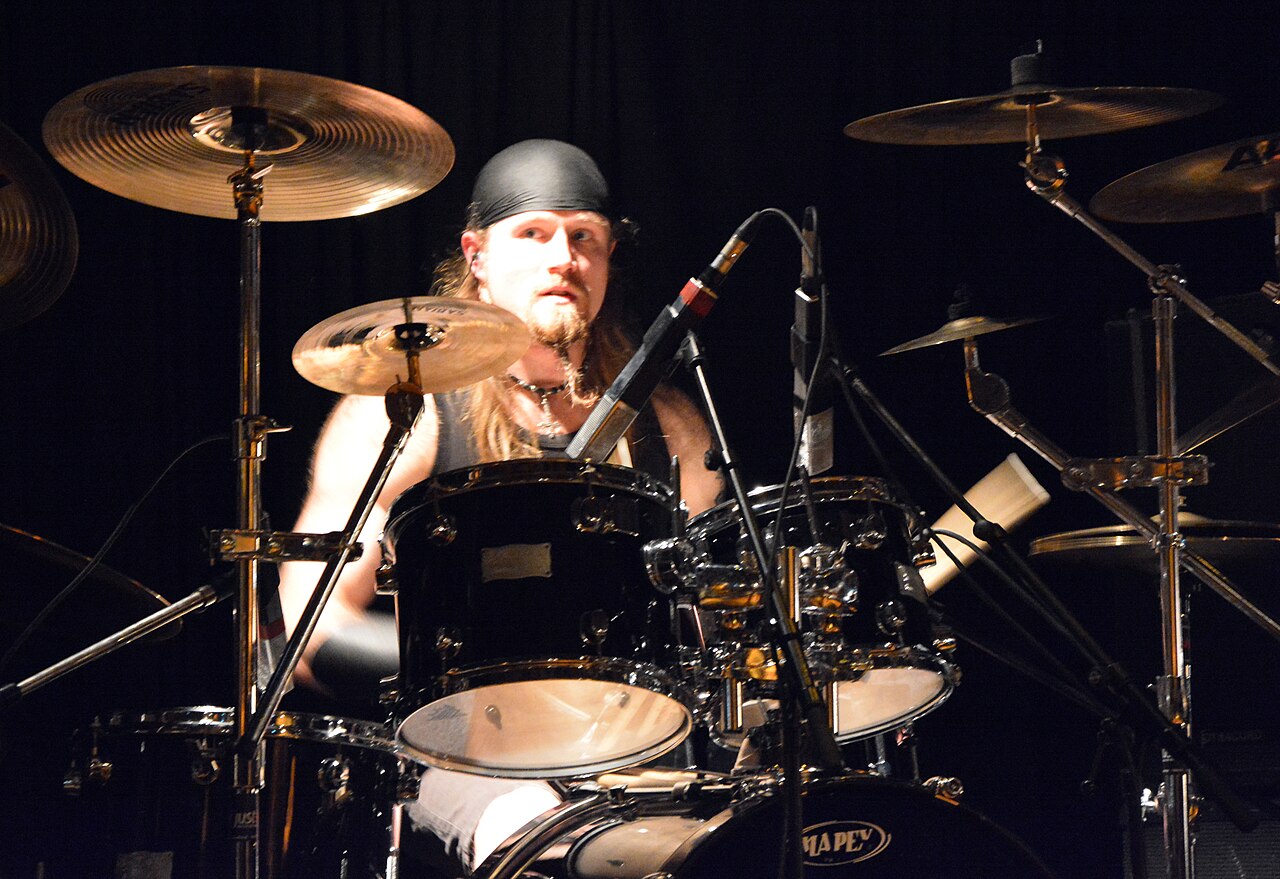
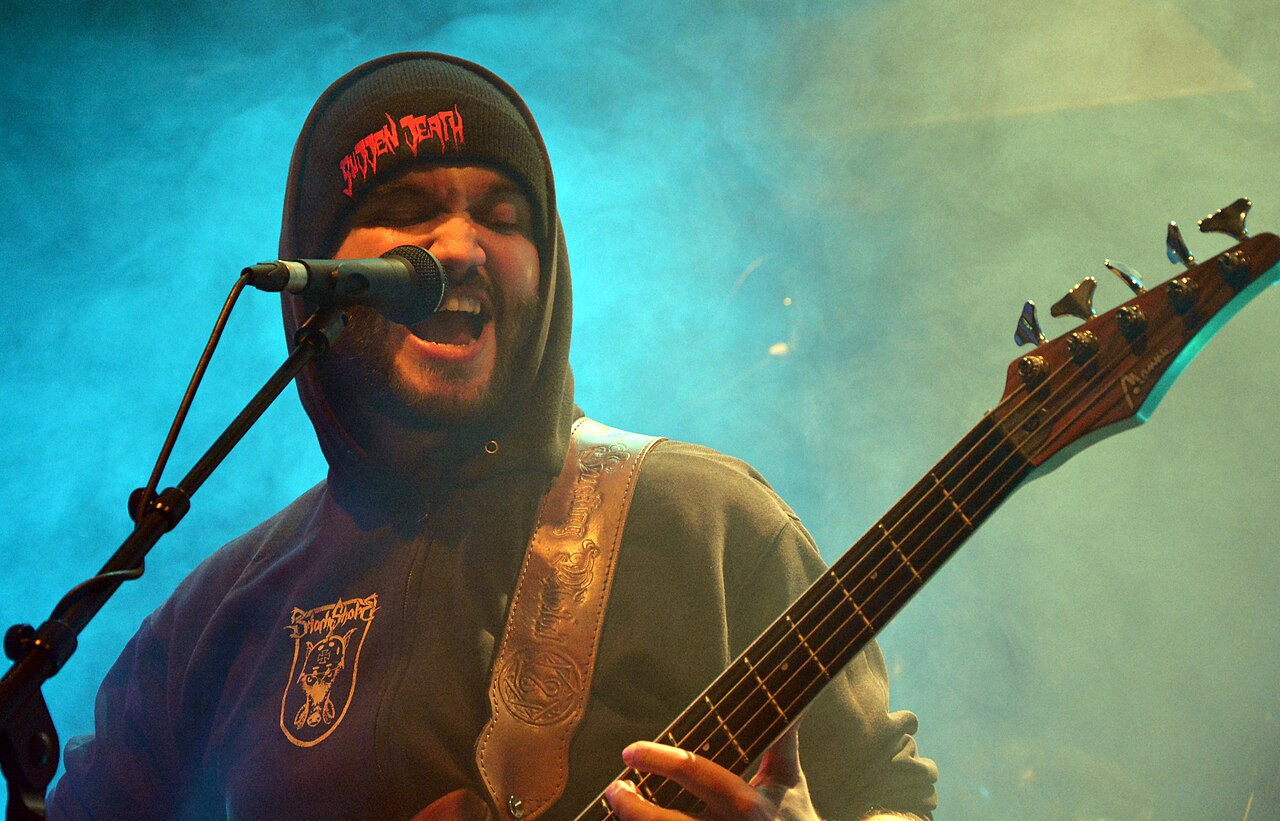
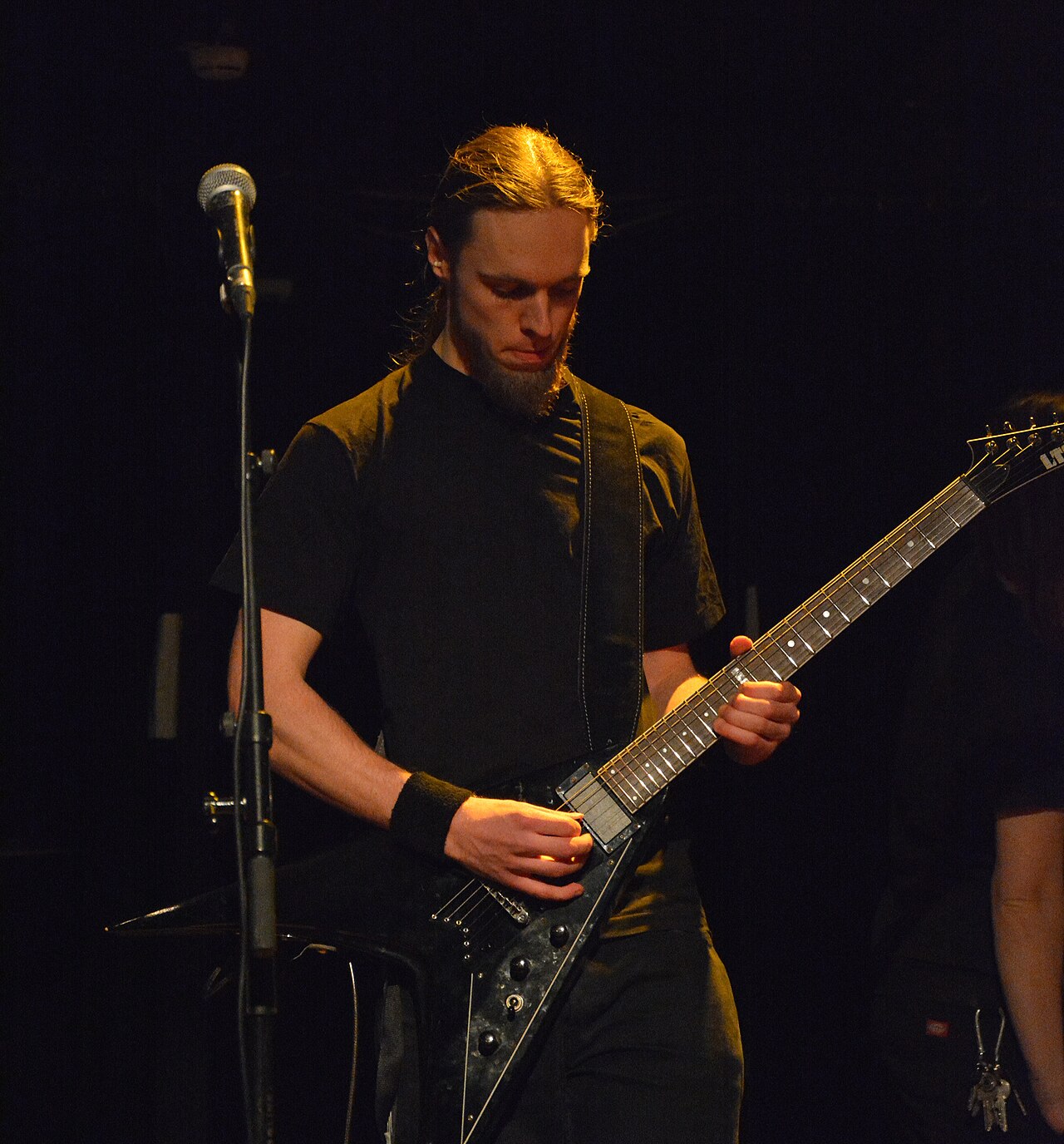
Huhu Uet alias Frank Schwichtenberg · CC BY 3.0
Heathen is a thrash metal band from the San Francisco Bay Area that first played together from 1984 to 1993 and then got back together in 2001, staying active ever since. They never broke through commercially, but they’re still seen as a key part of the Bay Area thrash scene in the late 1980s, right up there with Exodus, Testament, Forbidden, Death Angel, and Vio-lence. So far, they’ve put out four studio albums: *Breaking the Silence* (1987), *Victims of Deception* (1991), *The Evolution of Chaos* (2009), and *Empire of the Blind* (2020). As of 2025, guitarist Lee Altus remains in the band, and he and frontman David White—who joined in 1985—are the only ones who have played on every album.
**History**
**Early history (1984–1987)** Heathen got started in 1984 when guitarist Lee Altus and drummer Carl Sacco brought in singer Sam Kress and guitarist Jim Sanguinetti (later of Mordred). After their first show in 1985, Kress and Sanguinetti left, and the band replaced them with vocalist David White (ex-Blind Illusion) and guitarist Doug Piercy (ex-Anvil Chorus and Control). Bassist Eric Wong joined around the same time. This lineup played its first gig in early 1986 and quickly became a regular presence around the Bay Area. Their early sound mixed thrash aggression with NWOBHM-style vocals and arrangements, acoustic bookends, and fast, melodic solos. Their big break came with the *Pray For Death* demo, which landed them a deal with Combat Records in 1987. Right after signing, Wong left for Piranha, and Mike "Yaz" Jastremski—formerly a guitarist in Griffin—took over on bass.
**Breaking the Silence (1987–1990)** Heathen’s first album, *Breaking the Silence*, came out in 1987. Critics liked it, and the cover of Sweet’s "Set Me Free" became a hit single, getting rock radio play and airing on MTV’s *Headbangers Ball*. The band toured behind the album, sharing bills with Megadeth, King Diamond, Testament, Exodus, Savatage, Zoetrope, Dark Angel, and Lizzy Borden. In 1988, Carl Sacco left over musical differences, and Darren Minter replaced him. Mike Jastremski quit soon after, and the band cycled through several bassists and vocalists between 1988 and 1991. David White left in 1989 due to personal and musical issues, and for a few months, former Exodus singer Paul Baloff fronted the band.
Quick Facts
- Origin
- San Francisco, California, U.S.
- Genre
- Thrash metal
- Years Active
- 1984–1993 / 2001–present
- Label
- Combat · Roadrunner · Mascot · Nuclear Blast · Napalm
- Current Members
- David White / Kragen Lum / Jason Mirza / Kyle Edissi / Blake Anderson
- Past Members
- Full list
Facts from the source article.
Lore & Background
Heathen was formed in 1984 by guitarist Lee Altus and drummer Carl Sacco. After early lineup changes, vocalist David White and guitarist Doug Piercy joined in 1985, and the band released the demo Pray For Death in 1987, leading to a contract with Combat Records. Their debut album Breaking the Silence (1987) featured a cover of Sweet's "Set Me Free" that received MTV rotation. The band toured with major acts including Megadeth, King Diamond, and Testament.
Their second album Victims of Deception (1991) was more technical and progressive, but commercial success remained elusive. After the death of bassist Randy Laire in a car accident and further lineup changes, the band went on hiatus in 1993. Heathen reunited in 2001 for the Thrash of the Titans benefit concert and released The Evolution of Chaos in 2009 and Empire of the Blind in 2020.
Reader's Guide
Heathen's significance lies in their role as a foundational band of the Bay Area thrash metal scene, often cited alongside Exodus and Testament. Their early work blended thrash aggression with NWOBHM vocals and melodic solos, while Victims of Deception showcased a progressive turn with complex time signatures. Despite limited commercial success, their influence is acknowledged by peers and fans. The band's resilience through multiple lineup changes and long gaps between albums—including a 18-year hiatus between Victims of Deception and The Evolution of Chaos—demonstrates their enduring presence in underground metal. Their 2020 album Empire of the Blind and subsequent touring with Testament, Exodus, and Death Angel reaffirmed their relevance. Heathen's legacy is that of a respected cult act whose technical skill and dedication helped define a regional sound.
Did You Know?
- Heathen's debut album Breaking the Silence featured a cover of Sweet's 'Set Me Free' that received MTV rotation on Headbangers Ball.
- Former Exodus vocalist Paul Baloff briefly sang for Heathen in 1989.
- Bassist Randy Laire died in a car accident along with his girlfriend shortly after joining the band.
- As of 2026, no original members remain in Heathen's lineup.
Pioneers of the Bay Area Sound
Heathen never broke into the mainstream, yet their influence on the San Francisco Bay Area thrash metal scene is widely acknowledged. Alongside Exodus, Testament, Forbidden, Death Angel, and Vio-lence, the group is routinely cited as one of the defining forces behind the mid-to-late 1980s thrash movement that gave the region its identity. Their early sound blended the raw aggression of thrash with the melodic vocal phrasing and song structures drawn from the New Wave of British Heavy Metal, punctuated by acoustic intros and outros and blistering, fast-paced shred solos. This hybrid approach set them apart from purely aggressive peers and helped shape the sonic vocabulary that other Bay Area acts would later refine. Even in the years after their 1993 breakup, the band's reputation as scene architects endured, ensuring that their name remained inseparable from the broader history of West Coast thrash metal.
Forging a Sound (1984–1987)
Heathen took shape in 1984 when guitarist Lee Altus and drummer Carl Sacco, previously of Metal Church, decided to build something new in the Bay Area. They quickly brought in vocalist Sam Kress and guitarist Jim Sanguinetti, but both departed after the band's first show in 1985. David White, formerly of Blind Illusion, and Doug Piercy, who had played in Anvil Chorus and Control, stepped in, and bassist Eric Wong rounded out the roster. This configuration debuted in early 1986 and immediately became a fixture of local shows. The Pray For Death demo became the catalyst that caught the ear of Combat Records, leading to a signing in 1987. The label deal, however, triggered another shuffle: Wong departed for Piranha and was succeeded by Mike "Yaz" Jastremski, a former Griffin guitarist. By the time Breaking the Silence hit shelves later that year, the lineup had already begun the pattern of turnover that would define the band's early years.
Two Albums, Two Identities
Breaking the Silence (1987) and Victims of Deception (1991) represent two distinct chapters in Heathen's catalog. The debut was warmly received by critics and produced a genuine hit: a cover of Sweet's "Set Me Free," which earned rock radio play and MTV Headbangers Ball rotation. The band toured extensively with names like Megadeth, King Diamond, Testament, Exodus, Savatage, and Dark Angel. Victims of Deception, released on Roadrunner Records, marked a sharp left turn toward progressive thrash, introducing odd time signatures, extended compositions, tempo and key shifts, and more intricate riffing while shedding much of the NWOBHM color that had defined the first record. It drew strong critical praise and generated modest radio attention through the Rainbow cover "Kill the King" and the ballad "Prisoners of Fate." The band toured Europe with Sepultura and Sacred Reich in support. Despite the critical acclaim, neither album translated into lasting commercial momentum, a gap that would shadow the group for the rest of its initial run.
Loss, Hiatus, and the Long Road Back
The final years of Heathen's first era were marked by tragedy. Bassist Randy Laire, who had finally given the band a stable low end in 1991, died in a car accident along with his girlfriend. The group planned a covers EP honoring Laire, his partner, and vocalist David White's late brother Jeffery, but never got the chance before going on hiatus in 1993. The silence lasted eight years. Heathen reassembled in 2001 for the Thrash of the Titans benefit concert, raising funds for Chuck Billy's throat cancer treatment and Chuck Schuldiner's brain cancer treatment. The show was a triumph, and the band kept playing, releasing the compilation Recovered and a new demo in 2005. Yet the wait for a full studio album stretched on. It was not until December 2009, when The Evolution of Chaos landed on King Records in Japan, that fans finally heard new Heathen material nearly two decades after Victims of Deception.
Gallery
Frequently Asked Questions
What is Heathen (band)?
Heathen is a thrash metal outfit that originated in the San Francisco Bay Area in 1984, recognized for their technically aggressive style. They are considered a foundational piece of the late-'80s Bay Area thrash scene alongside bands like Exodus, Testament, and Forbidden.
What studio albums has Heathen released?
The band has issued four full-length records: Breaking the Silence in 1987, Victims of Deception in 1991, The Evolution of Chaos in 2009, and Empire of the Blind in 2020.
Why is Heathen significant in thrash metal history?
Despite never achieving mainstream commercial success, Heathen helped define the sound and intensity of the Bay Area thrash movement during its peak in the late 1980s. Fans and historians place them in the same tier as Testament, Death Angel, and Vio-lence for their contribution to that scene.
When did Heathen form and when did they reunite?
The group first came together in 1984 and played shows until 1993, after which they went on hiatus. They regrouped in 2001 and have remained active continuously since that reunion.
Who are the notable members of Heathen?
Guitarist Lee Altus has been a constant presence in the band's lineup and is still a member as of 2025. Bassist David White is another well-known figure associated with the group's history.
More in American speed metal musical groups 1-22
Spotted an error? Know more?
Reader corrections go straight into our review queue. Suggest an edit · How this site is sourced