
1979 Revolution: Black Friday
An interactive drama set during the Iranian Revolution.

iNK Stories · CC BY-SA 4.0
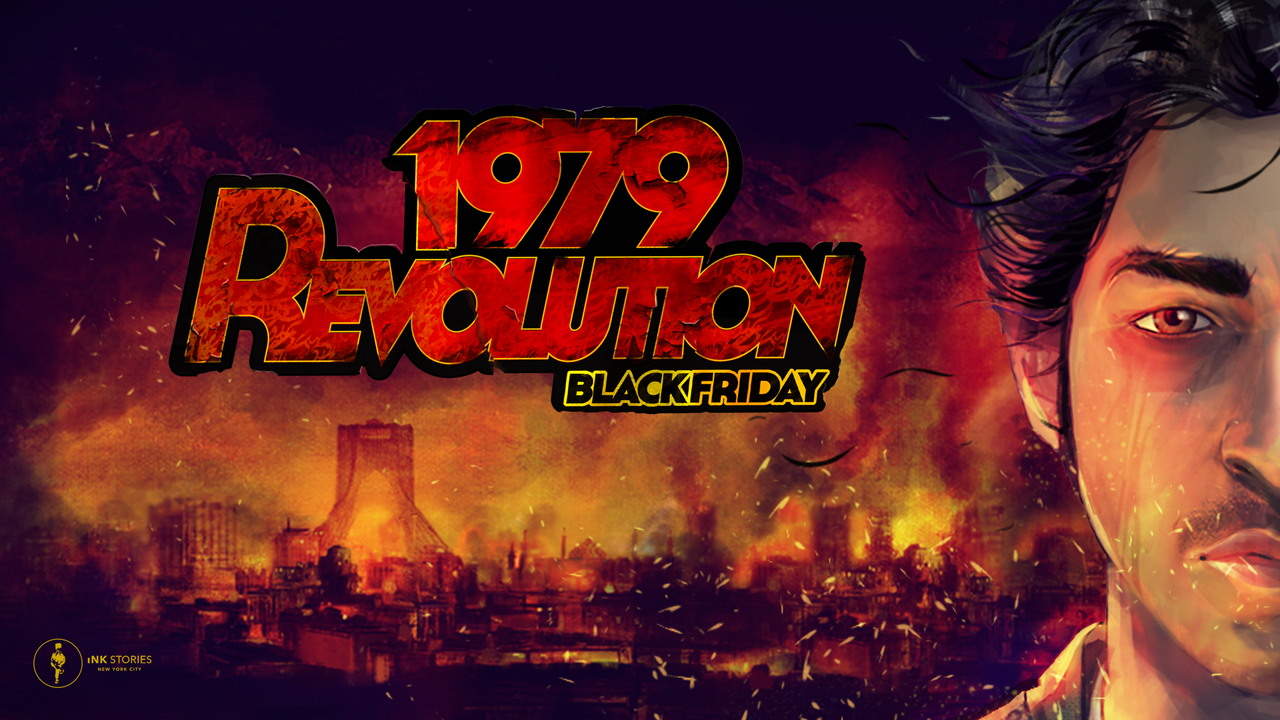
1979 Revolution: Black Friday is an adventure interactive drama video game developed and published by iNK Stories, with assistance from N-Fusion Interactive. Released in 2016 for Android, iOS, OS X, and Windows, and in 2018 for Nintendo Switch, PlayStation 4, and Xbox One, the game places the player in the role of Reza Shirazi, an aspiring photojournalist returning to Iran during the Iranian Revolution. The game combines elements of video games and documentaries, using timed responses and photography mechanics to explore the moral ambiguity of the revolution.
Quick Facts
- Title
- 1979 Revolution: Black Friday
- Developer
- iNK Stories
- Director
- Navid Khonsari
- Producer
- Andres Perez-Duarte · Jason Schreiber · Adam Neuhaus · Navid Negahban
- Writer
- Navid Khonsari · Brian Wood
- Composer
- Nima Fakhrara
- Engine
- Unity
- Platforms
- OS X · Windows · iOS · Android · PlayStation 4 · Nintendo Switch · Xbox One
- Genre
- Adventure, interactive drama
- Modes
- Single-player
Facts from the source article.
Lore & Background
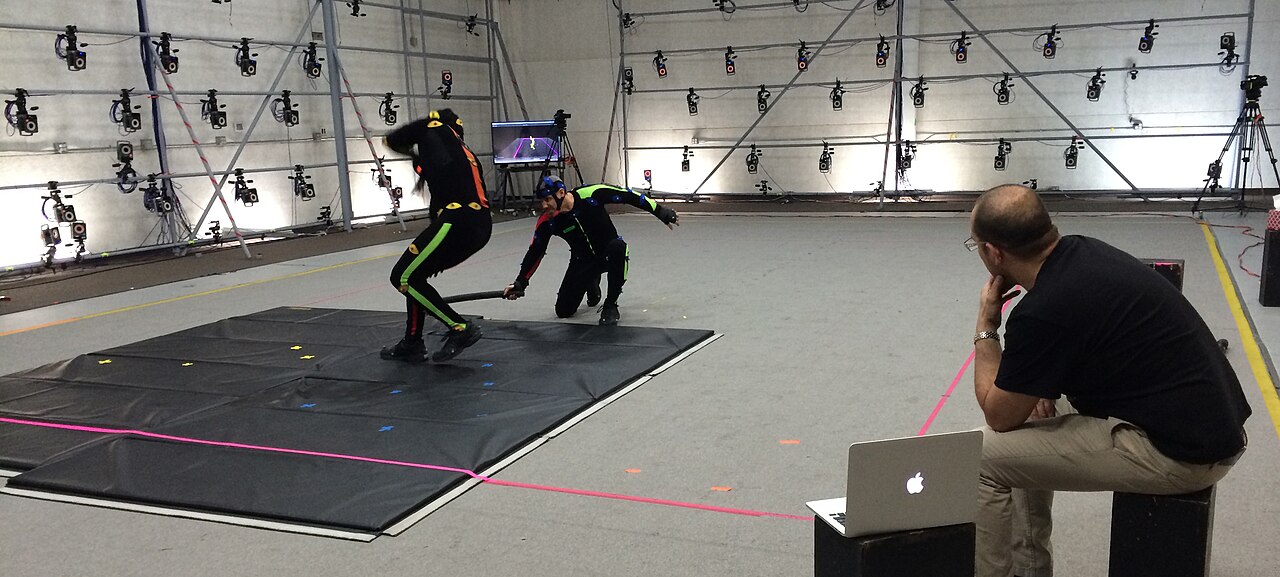
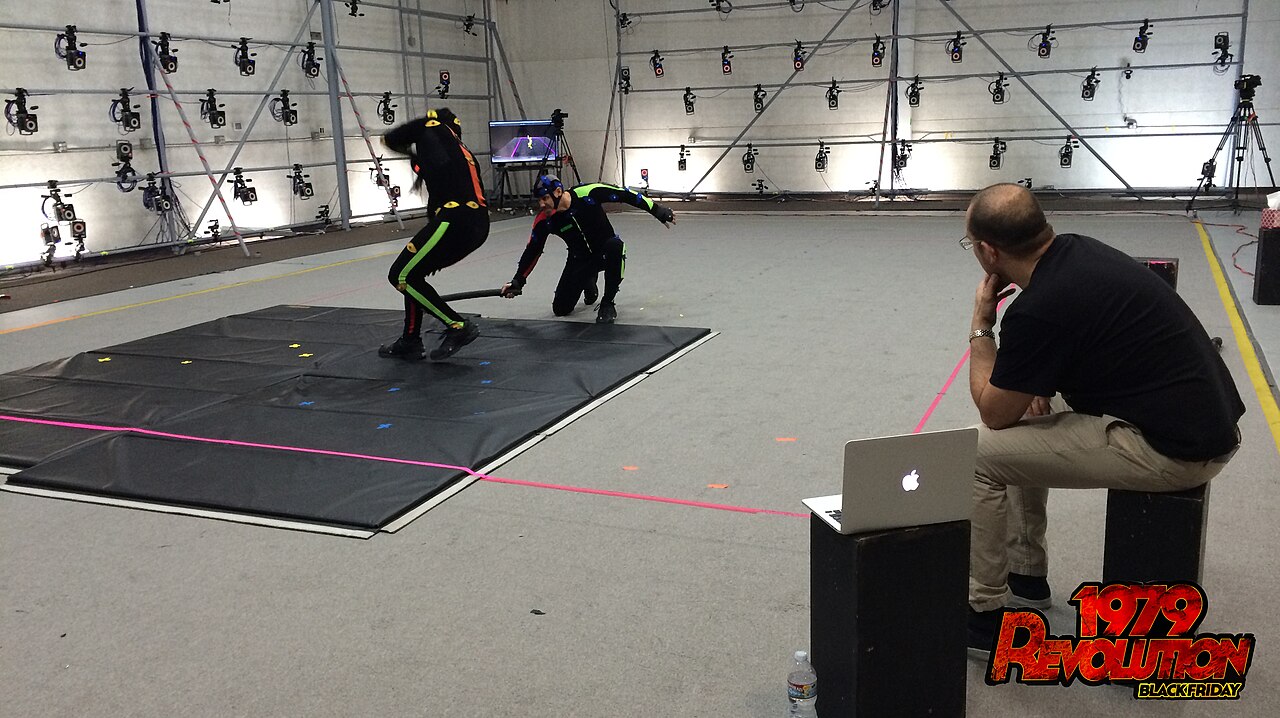
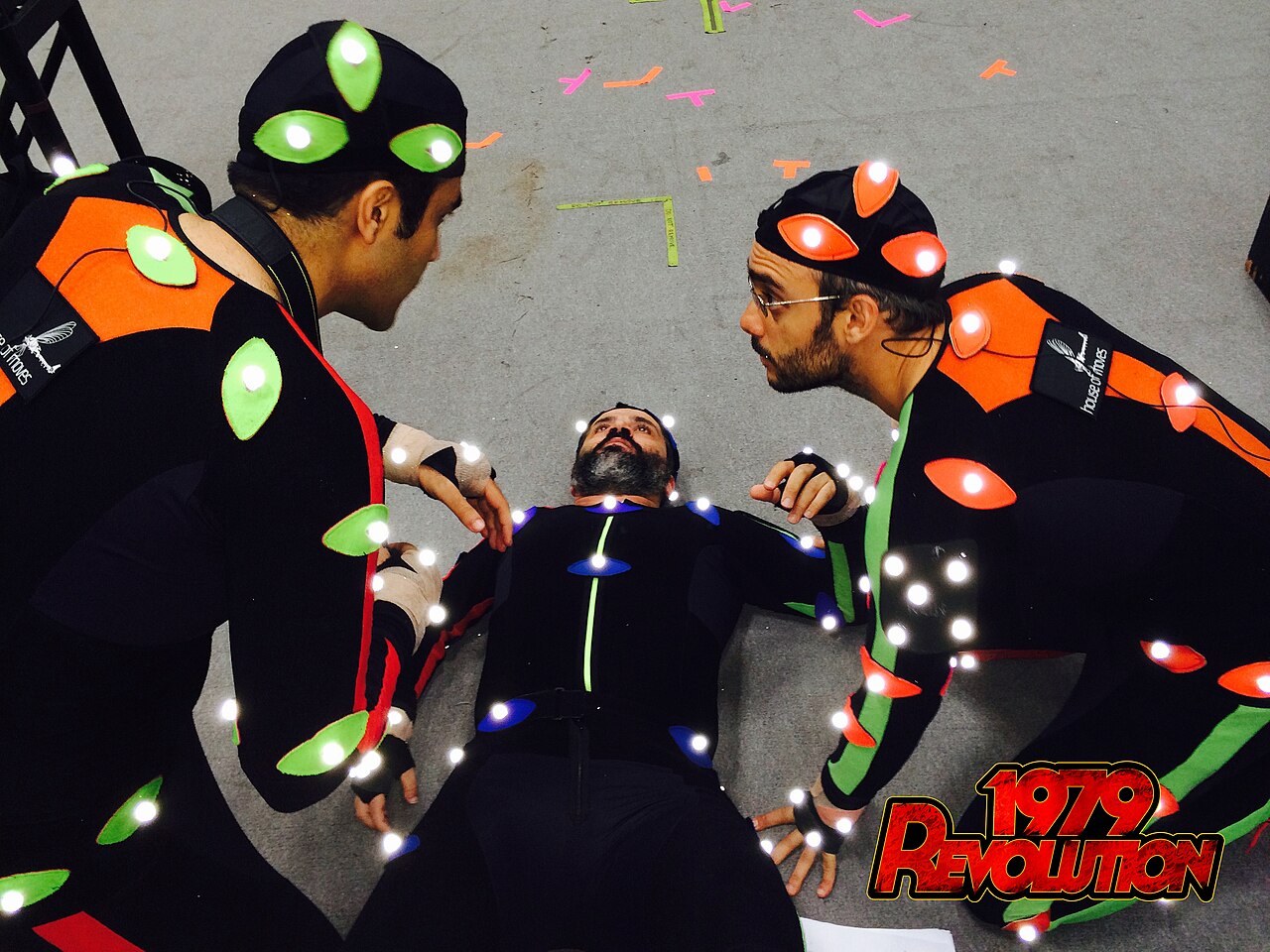
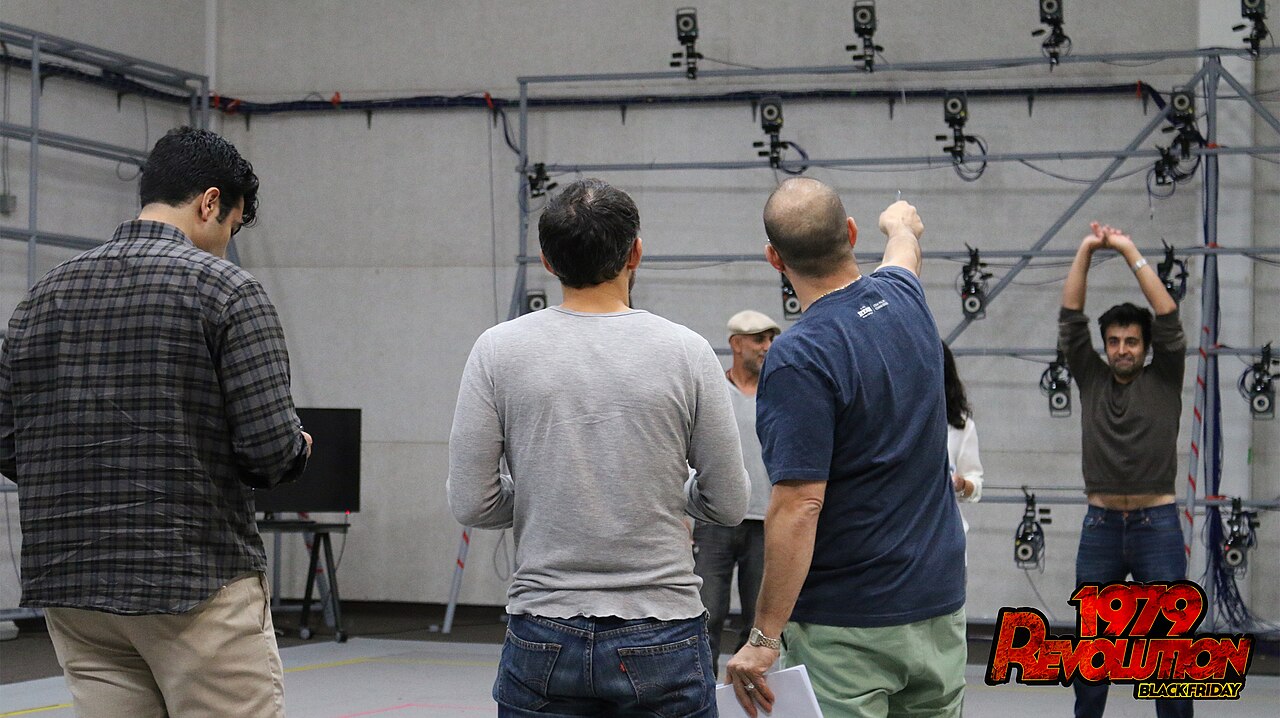
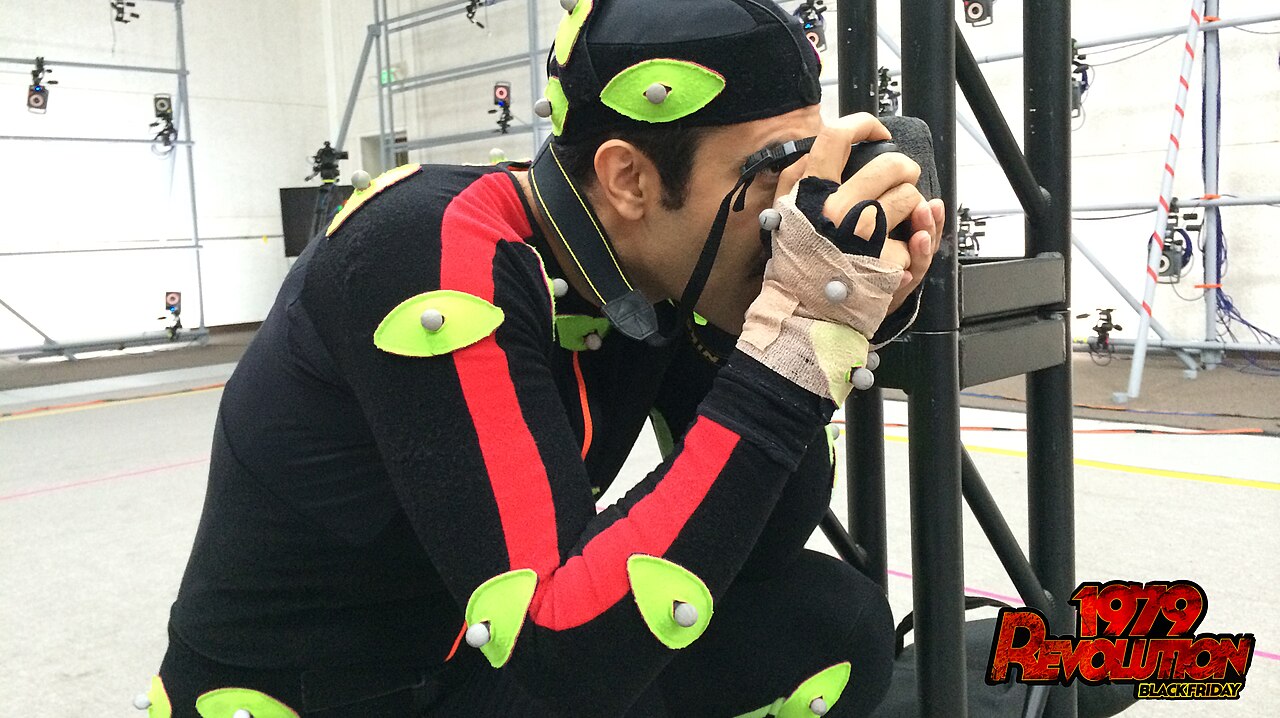
The game's development spanned four years, with the first two spent seeking financing and the next two on actual development. Director Navid Khonsari, who was a child in Iran during the revolution, conceived the game after a 2011 talk at the Ethical Culture Fieldston School. The team coined the term 'vérité game' to describe their approach, blending documentary-style storytelling with interactive gameplay. They conducted extensive research, interviewing historians and Iranians who lived in Tehran during the revolution, and gathered archival photos and speeches. Motion capture was used for performances, and characters were designed with ambiguous morals.
Reader's Guide
1979 Revolution: Black Friday was well received by critics, who praised its narrative, characters, performances, and historical representations, though some criticized the quick-time sequences and visual quality. The game was nominated for multiple year-end accolades from gaming publications. After an Iranian journalist labeled it propaganda, Khonsari feared reentering Iran, and developers adopted aliases for protection. The game's significance lies in its attempt to present a nuanced, player-driven perspective on a complex historical event, emphasizing moral ambiguity over didacticism. It remains a notable example of documentary-style interactive storytelling in video games.
Did You Know?
- The game was originally announced in 2011 as '1979: The Game' and was intended to be episodic, but was later reduced to a single game.
- A Kickstarter campaign in 2013 with a goal of US$395,000 raised US$304,741 and failed to reach its goal.
- The development team partnered with the New Frontier Story Lab at the Sundance Film Festival in 2014 and 2015.
- In-game photographs are compared to real images taken by photographer Michel Setboun.
The Camera as a Narrative Tool
In 1979 Revolution: Black Friday, the player steps into the shoes of Reza Shirazi, an eighteen-year-old aspiring photojournalist who finds himself caught in the chaos of the Iranian Revolution. Rather than a traditional action game, the experience is structured as an interactive drama where the camera lens becomes the primary verb. Players are frequently prompted to photograph crowds on strike, a homeless mother cradling her infant, or revolutionary leaders delivering speeches. Each in-game shot is then juxtaposed on screen with authentic archival photographs taken by real photographer Michel Setboun, grounding the fictional narrative in documented history. Reza also collects audio tapes of Ayatollah Khomeini's addresses, adding another layer of historical texture. Beyond passive observation, the game demands active moral choices. Conversation trees impose strict time limits—hesitate, and Reza simply stands silent. In protest sequences, the player must decide whether to hurl stones at soldiers or raise the camera instead. A persistent notification system reminds the player that other characters remember every decision made. When survival is at stake, quick-time event prompts appear on screen; miss the window and the sequence restarts from its beginning, forcing the player to re-engage with the tension.
Four Years and a Personal Mission
iNK Stories, with creative support from N-Fusion Interactive, spent four years crafting 1979 Revolution: Black Friday, aiming to fuse the interactivity of video games with the documentary weight of real history. The project's driving force was game director Navid Khonsari, who was a child in Iran when the Revolution unfolded. His stated goal was not to glorify any side but to immerse players in the genuine moral ambiguity of that period—where no character, including Reza, is unambiguously heroic or villainous. To achieve that authenticity, the development team conducted extensive research. They interviewed historical scholars and Iranians who had lived through the events in Tehran, and they assembled a large collection of archival photographs and recordings of historical speeches. These materials informed both the narrative and the in-game photo comparisons. Performances were captured through motion capture technology, and every character was deliberately written with conflicting attitudes and shifting loyalties, ensuring that the player never receives a simple moral compass. The result is a game that treats its subject with the seriousness of a documentary while retaining the agency of an interactive story.
A Story Told in Flashbacks and Fractures
The narrative of 1979 Revolution: Black Friday refuses a linear structure. It opens in 1980 inside Evin Prison, where Reza Shirazi, now a prisoner, is interrogated by Asadollah Lajevardi—known to the revolutionaries as Hajj Agha. From that tense present, the story leaps back to September 1978, when an eighteen-year-old Reza watches revolutionary crowds from a rooftop alongside his pacifist friend Babak Azadi. The plot weaves between these two timelines through a series of flashforwards. In 1978, Reza is drawn into the rebellion's inner circle, where he meets his cousin Ali, the injured leader Abbas, and Bibi Golestan. Abbas, stabbed during a protest, is convinced one of his own comrades betrayed him, and he tasks Reza with identifying the culprit. When Reza is subsequently accused of the stabbing himself, the pressure intensifies. In the prison flashforwards, Hajj wields Reza's brother Hossein as leverage, threatening violence to extract information about Bibi. The story culminates in a brutal standoff: Ali has been shot, Hossein aims a gun at his cousin, and soldiers open fire. Reza must choose whom to save. The game does not offer a clean resolution—only the weight of the choice.
Praise, Peril, and a Price for Truth
1979 Revolution: Black Friday first arrived on Android, iOS, OS X, and Windows in 2016, before expanding to Nintendo Switch, PlayStation 4, and Xbox One in 2018. Critics responded warmly, singling out the narrative depth, the quality of the cast performances, and the game's commitment to historically grounded representation as its greatest strengths. The quick-time event sequences and overall visual fidelity drew some criticism, but the consensus leaned strongly positive, and the title earned nominations for multiple year-end accolades across several gaming publications. Yet the game's impact extended well beyond review scores. When an Iranian journalist publicly branded the title as propaganda, the personal consequences for the creative team were immediate and severe. Director Navid Khonsari, who had grown up in Iran during the very events the game depicts, reported feeling genuinely afraid of re-entering the country. The development team went so far as to adopt pseudonyms to protect their identities. That episode underscored a painful reality: telling a nuanced story about a politically charged historical moment in a region where that history remains contested can carry real personal risk for the storytellers.
Gallery
Frequently Asked Questions
What is 1979 Revolution: Black Friday?
It is an interactive-drama adventure game created by iNK Stories with support from N-Fusion Interactive, first published in 2016. The title blends video-game storytelling with a documentary-style presentation to examine the moral complexities of the Iranian Revolution.
Who do you play as in 1979 Revolution: Black Friday?
You take on the role of Reza Shirazi, a young photojournalist who returns to Iran right as the revolution is unfolding. Your choices and the photographs you capture shape how the narrative progresses.
What are the core mechanics in 1979 Revolution: Black Friday?
The game centers on making dialogue and action decisions under a time limit, alongside a photography system that lets you document events around you. This mix of timed responses and camera-based exploration is what sets it apart from other adventure titles.
What platforms can I play 1979 Revolution: Black Friday on?
The original 2016 release covered Android, iOS, OS X, and Windows, while a 2018 update brought it to Nintendo Switch, PlayStation 4, and Xbox One. It is therefore available across mobile, desktop, and major console ecosystems.
Who is the game director of 1979 Revolution: Black Friday?
Navid Khonsari served as the game director for the project. The title was developed and published by iNK Stories, with additional production support from N-Fusion Interactive.
More in Adventure games 1-24
Spotted an error? Know more?
Reader corrections go straight into our review queue. Suggest an edit · How this site is sourced