Wiesensteig witch trial
First major German witch trial, 67 women executed.
Last updated
The Wiesensteig witch trial occurred in Wiesensteig, Germany, during 1562–1563. It resulted in the execution of 67 women for sorcery and is considered the first of the major witch trials in Germany, marking the beginning of the ongoing European witch hunt. The trial inspired the book 'Of the tricks of Demons', which appeared in multiple Latin editions and a French translation.
Quick Facts
- Location
- Wiesensteig, Germany
- Start year
- 1562
- End year
- 1563
- Total executed
- 67
- Ruler
- Count Ulrich von Helfenstein
- Pamphlet title
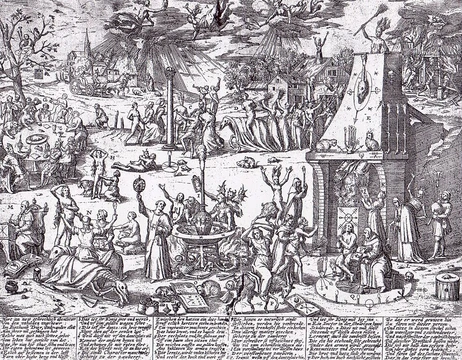
- True and Horrifying Deeds of 63 Witches
Facts from the source article.
The trial
In the mid-16th century, Wiesensteig experienced religious conflict, war, severe hailstorms, and epidemics. Count Ulrich von Helfenstein, the city's ruler, attributed these misfortunes to witches. After a destructive hailstorm on 3 August 1562, Helfenstein had several women arrested and accused of witchcraft, an action that apparently met with approval. Six of the arrested women were executed after confessing under torture.
Some claimed to have seen citizens of Esslingen at their Sabbath, leading to three arrests in Esslingen, though they were later released. Helfenstein, displeased with Esslingen's leniency, executed another 41 women from Wiesensteig. On 2 December 1562, he approved the execution of 20 more, bringing the total to 63 reported in a 1563 pamphlet.
More in Witch Trials in Germany
Sources
Compiled from Wikipedia and the sources listed below. Text from Wikipedia is available under CC BY-SA 4.0; this entry is adapted from it.
- Wikipedia: Wiesensteig witch trial (CC BY-SA 4.0).
Spotted an error? Know more?
Reader corrections go straight into our review queue. Suggest an edit · How this site is sourced