Prosecco
Italian sparkling wine from Glera grapes, produced in Veneto and Friuli-Venezia Giulia.
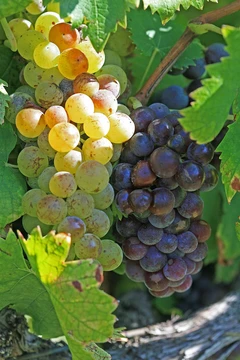
Prosecco is an Italian DOC or DOCG white wine produced across nine provinces in Veneto and Friuli-Venezia Giulia, named after the village of Prosecco in the province of Trieste. It is made primarily from the Glera grape (renamed from Prosecco in 2009) and is almost always sparkling or semi-sparkling, though a still version is also permitted. The wine's notable designations include two small DOCG areas, Conegliano Valdobbiadene Prosecco and Asolo Prosecco, and in 2019 the Conegliano and Valdobbiadene Prosecco Hills became a UNESCO World Heritage Site.
Quick Facts
- Grape renamed
- Glera (2009)
- Maximum permitted other varieties
- 15%
- Docg areas
- Conegliano Valdobbiadene Prosecco, Asolo Prosecco
- Unesco designation
- Le Colline del Prosecco di Conegliano e Valdobbiadene (2019)
- Rosé variety introduced
- 2020
- Rosé blend requirement
- Glera with 10–15% Pinot nero
Facts from the source article.
History
In early 16th-century Trieste, the local wine Ribolla was promoted as a recreation of the Pucinian celebrated by Pliny the Elder and praised by Livia. To distinguish it from other Ribolla wines, the name changed by the end of the century to castellum nobile vinum Pucinum, after a castle near Prosecco. The first known mention of Prosecco is attributed to Fynes Moryson in 1593, who used the spelling Prosecho and noted it as a famous wine of Italy. The vinification method spread to Gorizia, then through Venice to Dalmatia, Vicenza, and Treviso. The spelling Prosecco first appeared in 1754 in Il Roccolo Ditirambo by Aureliano Acanti, where verses describe the wine's apple bouquet and rare qualities from Monte Berico. The wine was known locally by Slovene speakers as Prosegker or Prosekar, grown near the villages of Contovello, Prosecco, Santa Croce, and Barcola.
Production
Prosecco is usually produced using the Charmat–Martinotti method, with secondary fermentation in stainless steel tanks over a minimum of 30 days; higher-quality versions may ferment up to nine months (Charmat Lungo). The DOCG rules also permit the traditional Metodo Classico bottle fermentation. Up to 15% of the wine may be a blend of Verdiso, Bianchetta Trevigiana, Perera, Chardonnay, Pinot bianco, Pinot grigio, or Pinot nero (vinified white). Production grew from about 150 million bottles in 2008 to nearly 600 million in 2018. Glera grapes are also cultivated in Brazil, Romania, Argentina, and Australia. The Conegliano and Valdobbiadene DOCG area has over 150 producers in a consortium, while the DOCG has its own consortium of 94 producers. Most Prosecco is Spumante or Frizzante, with a small proportion (about 5%) made as Tranquillo still wine. Sweetness levels are labelled Brut (up to 12 g/L residual sugar), Extra Dry (12–17 g/L), or Dry (17–32 g/L), with Extra Dry being the dominant style.
Consumption
In Italy, Prosecco is ubiquitously used; outside Italy, it is most often an apéritif and is served chilled. Most Prosecco should be drunk young, within three to five years of its vintage, though high-quality versions may age up to seven years. A 2013 tasting of wines from 1983 to 2013 demonstrated longevity from one top producer. Prosecco has a minimum of 10.5–11.5% alcohol by volume and is described as aromatic and crisp, with flavors of yellow apple, pear, white peach, and apricot. It is commonly served unmixed but is also the main ingredient in Bellini, Spritz, and Mimosa cocktails, as well as the Italian mixed drink sgroppino with vodka and lemon gelato.
More in White Wine Grape Varieties
Spotted an error? Know more?
Reader corrections go straight into our review queue. Suggest an edit · How this site is sourced