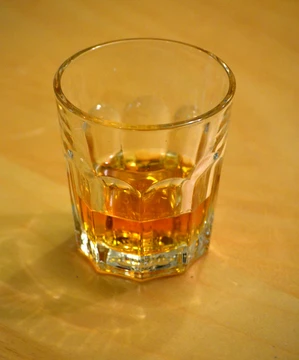
Japanese whisky
Japanese whisky: a tradition of Scotch-inspired craftsmanship, diversified by regional climate and in-house blending.
Last updated
Japanese whisky has experienced rapid expansion and internationalization since the early 21st century, driven by a surge in domestic distilleries, rising export values, and the establishment of voluntary production standards. Its commercial origins trace back to the early 1900s, when Japanese producers studied Scotch whisky-making techniques and adapted them to local conditions, emphasizing in-house production diversity rather than inter-distillery blending. Early development involved transferring technical knowledge from Scotland while experimenting with Japan’s unique water sources, climate, and maturation environments. Commercial output grew gradually through the interwar and postwar periods, but domestic demand declined in the late 20th century, leading to industry consolidation.
Industry structure
A renewed global interest emerged in the early 2000s, fueled by international awards and greater overseas visibility, prompting significant reinvestment and the opening of many new distilleries. By the mid-2020s, industry surveys reported over 50 whisky producers and more than 100 distillery sites operating or under development, including a marked increase in small-scale craft distilleries. Despite this diversification, production volume and exports remain dominated by Suntory and Nikka, which operate multiple long-established distilleries.
Production traditionally follows Scotch methods—malted barley, pot still distillation, and oak cask maturation—but maturation practices vary by regional climate, with temperature fluctuations accelerating spirit-cask interaction. Japanese oak, or mizunara, is used selectively for long-term aging, contributing distinctive aromas reminiscent of aloeswood, sandalwood, coconut, camphor, cinnamon, and cedar, often described as a “temple smell.” For much of its history, “Japanese whisky” lacked a legal definition, allowing foreign-distilled spirits bottled domestically to be marketed as such. In 2021, the Japan Spirits & Liqueurs Makers Association introduced voluntary standards requiring fermentation, distillation, maturation, and bottling in Japan using Japanese water, which have been widely adopted. Whisky has become Japan’s largest alcoholic beverage export by value, and distilleries increasingly serve as cultural tourism sites, contributing to local economic development and rural revitalization.
Lore & Background
Japanese whisky production began as a deliberate effort to replicate the style of Scotch whisky, with pioneers studying Scottish techniques and adapting them to local conditions. Producers experimented with local water sources, climate, and maturation environments, and the industry’s early development was shaped by this transfer of technical knowledge. Maturation practices vary by regional climate, as temperature fluctuations cause relatively rapid interaction between the spirit and the cask. While ex-bourbon and sherry casks are common, Japanese oak, known as mizunara, is used selectively for long-term aging.
This wood imparts distinctive aromatic notes described by whisky authority David Broom as reminiscent of aloeswood, sandalwood, coconut, camphor mintiness, cinnamon, and cedar, with a link to the scent of temples often called a “temple smell.” Japanese whisky production is traditionally modeled on Scotch, employing malted barley, pot still distillation, and oak cask maturation. However, producers emphasize in-house diversity rather than inter-distillery blending, resulting in a wide range of spirit styles within individual companies. The industry has diversified sharply since the early 21st century, with over 50 producers and more than 100 distillery sites in operation or development by the mid-2020s, including many small-scale craft distilleries. Despite this growth, production volume and exports remain dominated by Suntory and Nikka.
Common Misconceptions (Editorial)
Not all Japanese whisky is made from rice or is a unique indigenous spirit. Many assume Japanese whisky is fundamentally different from Scotch, but the facts show it is traditionally modeled on Scotch whisky, using malted barley, pot still distillation, and oak cask maturation. Japanese whisky is not exclusively made by small craft distilleries. While the number of distilleries has surged past 50, production volume and international distribution remain dominated by Suntory and Nikka, which control a large share of global exports. Japanese whisky production was not always regulated. Although voluntary production standards were introduced in 2021, requiring fermentation, distillation, maturation, and bottling in Japan, prior to that there were no such official standards, allowing some products labeled as “Japanese whisky” to be made from imported spirits.
Why It Matters (Editorial)
Japanese whisky matters because it demonstrates how a tradition borrowed from another culture can evolve into a distinct and globally respected craft, shaped by local water, climate, and the selective use of mizunara oak. Its rapid expansion and international recognition also reflect broader trends in globalization, where authentic regional production and voluntary quality standards help a product endure and thrive in a crowded spirits market.
Reader's Guide
Japanese whisky production is traditionally modeled on Scotch whisky, employing malted barley, pot still distillation, and oak cask maturation. Japanese producers typically emphasize in-house production diversity rather than inter-distillery blending. Maturation practices vary according to regional climate, with temperature fluctuations contributing to relatively rapid interaction between spirit and cask.
Cask types include ex-bourbon, sherry casks, and Japanese oak (mizunara), which is used selectively for long-term maturation. The number of whisky distilleries in Japan increased sharply during the 2010s and 2020s; by the mid-2020s, industry surveys report more than 50 whisky producers and over 100 distillery sites in operation or development. Production volume and international distribution continue to be dominated by Suntory and Nikka Whisky.
More in World of Whisky
Sources
Compiled from Wikipedia and the sources listed below. Text from Wikipedia is available under CC BY-SA 4.0; this entry is adapted from it.
- Wikipedia: Japanese whisky (CC BY-SA 4.0).
Spotted an error? Know more?
Reader corrections go straight into our review queue. Suggest an edit · How this site is sourced