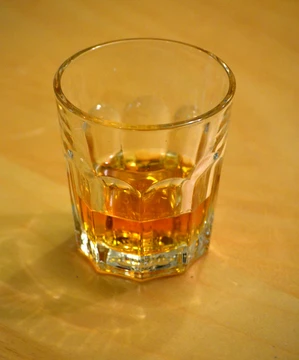
Islay whisky
Islay single malts: pungent, peaty, and protected by law.
Last updated
Islay single malts are the single malt Scotch whiskies made on Islay (EYE-lə) or Ìle in Gaelic, one of the southernmost of the Inner Hebridean Islands located off the west coast of Scotland. Islay is one of five whisky distilling localities and regions in Scotland whose identity is protected by law. The region is characterised by whiskies with a peat smoke aroma, such as Laphroaig, Lagavulin and Ardbeg. In total, there are ten active distilleries on this island which measures only 25 by 15 miles (40 by 24 kilometres), and the industry is Islay's second largest employer after agriculture.
History
Islay is a centre of 'whisky tourism', and hosts a 'Festival of Malt and Music' known as Fèis Ìle each year on the last week of May, with events and tastings celebrating the cultural heritage of the island. The island’s distilling history may stretch back to the early 1300s, with Irish monks sometimes credited as the first distillers. Most of the original distilleries began as small, illicit farm operations, and during the 17th century, producers retreated to secluded glens and caves to evade excise officers. All of the eight older distilleries started as illegal ventures, built near water because grain arrived by boat and finished whisky was shipped out the same way.
For centuries, sherry casks were the standard for ageing, though bourbon barrels from the United States are now also widely used. A notable 1806 court case involved three Islay men accused of stealing 125 gallons of whisky from a supervisor’s cellar; they failed to appear and were sentenced in absentia. The whiskies from distilleries along the southeastern coast—Laphroaig, Lagavulin, and Ardbeg—are known for a smoky, medicinal character derived from peat, with notes of iodine, seaweed, and salt.
Styles of whisky
Islay’s peat is reputedly the best flavoured for Scotch production, as the island lacks extensive tree cover, leaving the peat free of rotting wood. Caol Ila, on the northern side, also produces a strongly peated whisky. Other distilleries offer variety: Bunnahabhain makes lighter, lightly peated whiskies; Bowmore, operating since 1779, uses medium-strong peating and sherry-cask maturation for a balanced profile. The newest distillery is Ardnahoe, the island's ninth, which opened in 2019.
Quick Facts
- Active distilleries
- 10
- Newest distillery
- Ardnahoe, the island's ninth (opened 2019)
Facts from the source article.
Lore & Background
Some sources indicate that Irish monks may have been the first to distill whisky on the island in the early 1300s. According to Visit Scotland, 'most of Islay's original distilleries [some no longer in business] started as farm distilleries and retreated to secluded glens and caves during the 17th century when the excise man came calling.' Another source is more specific: 'Islay’s past is pervaded by innumerable tales of home distilling, smuggling and illegal whisky production' and adds that the eight older distilleries all began as small, illicit producers.
All were built near water since grain was shipped on boats and the finished whisky was transported via water. For centuries, the whisky was usually aged in sherry casks but bourbon casks from the U.S. are now also frequently used. In 1806, the Right Hon. Allan Maconochie, Lord Meadowbank at the Circuit Court at Inverary heard the case against Donald, Duncan and Neil, sons of Dugald Mackiachan, all residing in the island of Islay, accused of breaking into a room or cellar possessed by Benjamin Campbell, activing supervisor in said island, and stealing from thence 125 gallons of whisky, and they failing to appear to stand trial, sentence of fugitation was pronounced against them.
Common Misconceptions (Editorial)
A common misconception is that all Islay whiskies are heavily peated and smoky. In fact, while the southeastern distilleries like Laphroaig, Lagavulin, and Ardbeg are known for that character, and Caol Ila also produces a strongly peated whisky, the facts note the region is characterised by such aromas rather than defined exclusively by them. Another misconception is that Islay’s distilleries are modern or recent establishments; on the contrary, most of the island’s original distilleries started as farm distilleries and many began as small, illicit producers dating back centuries.
Why It Matters (Editorial)
Islay whisky endures as more than just a drink—it is the product of a tiny, remote island’s rugged history of illicit distilling, smuggling, and resilience against the excise man. The fact that Islay, measuring only 25 by 15 miles, supports ten active distilleries and hosts a festival celebrating its cultural heritage shows how deeply whisky is woven into the island’s identity and economy, making it a living piece of Scottish tradition.
Reader's Guide
The whiskies of the distilleries along the southeastern coast of the island, Laphroaig, Lagavulin, and Ardbeg, have a smoky character derived from peat, considered a central characteristic of the Islay malts, and ascribed both to the water from which the whisky is made and to the peating levels of the barley. Many describe this as a 'medicinal' flavour. They also possess notes of iodine, seaweed and salt. Caol Ila, on the northern side of the island, across from Jura, also produces a strongly peated whisky.
Trees, other than plantations, on these islands are scattered and the peat is free of rotting wood. (Normal peat bogs are invaded by trees and periodic fires kill the encroaching tree line.) Islay peat is reputedly the best flavoured for scotch production. The other distilleries on the island make whisky in a variety of styles. Bunnahabhain makes much lighter whiskies which are generally lightly peated.
Bowmore, which started business in 1779, produces a whisky which is well balanced, using a medium-strong peating level (25 ppm) but also using sherry-cask maturation. The Kilchoman distillery started production in late 2005; in location it is unlike the other distilleries, which are all by the sea. In general however, the whiskies from this island are known for a 'pungent peaty, smoky and oily flavours, with just a hint of salty sea air and seaweed' because of the use of peat and the maritime climate.
The Island's own web site is more specific. Distilleries in the south make whisky which is 'medium-bodied ... saturated with peat-smoke, brine and iodine' because they use malt that is heavy with peat as well as peaty water. Whisky from the northern area is milder because it is made using spring water for a 'lighter flavoured, mossy (rather than peaty), with some seaweed, some nuts...' characteristic. In future however, the whisky industry on this island may be moving to a broader range of products, some less peaty than the current majority as well as new types of whisky.
Did You Know?
- The oldest record of a legal distillery on Islay refers to Bowmore in 1779.
- Port Ellen distillery closed in 1983 but reopened in 2024.
More in World of Whisky
Sources
Compiled from Wikipedia and the sources listed below. Text from Wikipedia is available under CC BY-SA 4.0; this entry is adapted from it.
- Wikipedia: Islay single malts (CC BY-SA 4.0).
Spotted an error? Know more?
Reader corrections go straight into our review queue. Suggest an edit · How this site is sourced