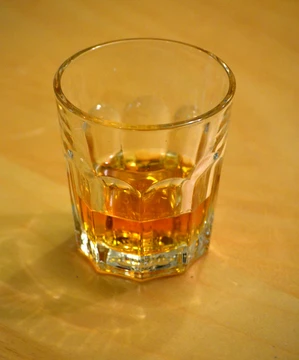
Buffalo Trace
Kentucky distiller of bourbon, rye, and vodka.

Buffalo Trace Distillery sits in Frankfort, Kentucky, and is owned by the Sazerac Company. Its flagship bourbon, Buffalo Trace Kentucky Straight Bourbon whiskey, hit the market in August 1999. The distillery’s name comes from an old buffalo trail that once crossed the Kentucky River in Franklin County. Sazerac bought the place in 1992. Before that, it was called the George T. Stagg Distillery, and under that name it earned a spot on the National Register of Historic Places on May 2, 2001, and became a National Historic Landmark on March 11, 2013.
The company says its distillery is the oldest continuously running one in the United States. Another contender is Burks’ distillery, now used for Maker’s Mark, which claims origins back to 1805 and holds a Guinness World Record as the oldest operating bourbon distillery. Distilling on the Buffalo Trace site reportedly began in 1775 with Hancock Lee and his brother Willis Lee, who died in 1776. Harrison Blanton built the first distillery there in 1812. In 1870, Edmund H. Taylor Jr. bought it and gave it its first name, the Old Fire Copper (O.F.C.) Distillery. Eight years later, Taylor sold it to George T. Stagg, along with the Old Oscar Pepper Distillery. That second distillery was sold within a year to James Graham, who used the land to expand the O.F.C. property. In 1886, Stagg installed steam heating in the storage warehouses, creating the nation’s first climate-controlled aging facility. During Prohibition, the distillery stayed open to produce whiskey for medicinal purposes.
Master distiller Gary Gayheart took over in 1985 and retired in 2005, succeeded by Harlen Wheatley. In 2016, the distillery announced a $200 million expansion. That October, while renovating a building into a meeting space, workers uncovered the foundation of the original 1873 distillery, which burned down in 1882, along with remnants of fermenters from that era. The foundation had been left in place after the fire, and a larger distillery was built on top. That spot is now open to visitors. In March 2022, the distillery released six-liter OFC Vintage Bourbon Whiskeys distilled in 1982, along with NFTs sold on Blockbar, with the top bid reaching $60,000. The sale was part of a charity effort to raise $2 million by donating 2,022 bottles of whiskey.
In early April 2025, after heavy rainfall exceeding 15 inches in some areas, the Kentucky River in Frankfort hit 48.24 feet—the second-highest level in the distillery’s 200-year history. Large parts of the campus were flooded, prompting damage assessments and a multi-phase recovery. Visitor access was halted, and an Easter event was canceled. Cleanup began in safe areas, while other parts stayed off-limits to recovery crews.
Production capacity is about 2,650,000 US gallons (10,000,000 liters) of whiskey per year, using a beer still that holds 60,000 US gallons (230,000 liters). The distillery is best known for bourbon but also makes rye whiskey and vodka. The Buffalo Trace bourbon brand launched in August 1999, two months after the distillery changed its name from George T. Stagg. Its self-produced brands include Buffalo Trace (straight bourbon, plus Experimental Collection, Black Ridge, Single Oak Project, White Dog, and Bourbon Cream), Col. E. H. Taylor (small batch, single-barrel, and barrel proof bourbon and rye), Eagle Rare (straight bourbon and 17-year antique collection), George T. Stagg (barrel-proof straight bourbon), Stagg Jr. (barrel proof straight bourbon), McAfee’s Benchmark (straight bourbon), O.F.C. (straight bourbon), Old Charter (straight bourbon), Old Taylor (straight bourbon), Peychaud’s Bitters, Platinum 7X/Platinum 10X (vodka), Sazerac (straight rye and antique collection), Thomas H. Handy (barrel-proof straight rye), Traveller (blended whisky with Chris Stapleton), W. L. Weller (special reserve, antique 107, Full Proof, 12 Year, Single Barrel, C.Y.P.B., and William Larue Weller antique collection straight bourbon), Wheatley (vodka), and Daniel Weller Emmer Wheat (biennial experimental release). Brands produced with Age International (a former owner, now part of Takara Holdings) include Ancient Age (straight bourbon), Blanton’s single-barrel (straight bourbon), Hancock’s President’s Reserve (single-barrel straight bourbon), Elmer T. Lee (single-barrel straight bourbon), and Rock Hill Farms (single-barrel straight bourbon). Brands produced with the Van Winkle family, under an agreement from June 2002, include Old Rip V.
- field
- Distilling
- nationality
- American
- known_for
- Buffalo Trace Kentucky Straight Bourbon whiskey
- founded
- 1775 (distilling on site began); 1812 (first distillery constructed)
- owner
- Sazerac Company (since 1992)
Verified Timeline
Lore & Background
Records indicate that distilling started on the site that is now the Buffalo Trace Distillery in 1775 by Hancock Lee and his brother Willis Lee who died in 1776. The first distillery was constructed in 1812 by Harrison Blanton. In 1870 the distillery was purchased by Edmund H. Taylor Jr. and given its first name, the Old Fire Copper (O.F.C.) Distillery. Taylor sold the distillery eight years later to George T. Stagg along with the Old Oscar Pepper Distillery. In 1886, Stagg installed steam heating in the storage warehouses, the first climate controlled warehouse for aging whiskey in the nation. During Prohibition, the distillery was allowed to remain operational, in order to make whiskey for "medicinal purposes". Gary Gayheart became the master distiller in 1985, until his retirement in 2005. He was succeeded by Harlen Wheatley.
Reader's Guide
Buffalo Trace Distillery holds a significant place in American whiskey history due to its long operational history and its role in producing a wide range of bourbon and rye brands. The distillery's namesake bourbon, introduced in August 1999, has become a widely recognized brand. The property, under the George T. Stagg Distillery name, was listed on the National Register of Historic Places on May 2, 2001, and designated a National Historic Landmark on March 11, 2013. In 2016, the distillery announced plans to expand operations with a capital investment of $200 million. During renovations in October 2016, workers discovered the foundation of the original 1873 distillery building, which burned down in 1882, along with the remains of fermenters from that same year. The site is now open for visitors to Buffalo Trace. In March 2022, Buffalo Trace Distillery announced the creation of six-litre OFC Vintage Bourbon Whiskeys, distilled in 1982, and their accompanying NFTs. The NFTs were sold on Blockbar, with the highest bid of $60,000. The sale was part of the distillery's mission to raise US$2 million for charity by donating 2,022 bottles of whiskey to fundraising causes. In early April 2025, following days of heavy rainfall exceeding 15 inches in some areas, the Kentucky River in Frankfort rose to 48.24 feet, the second highest level in Buffalo Trace Distillery's 200-year history. Significant portions of the distillery campus were submerged, prompting damage assessments and a multi-phase recovery effort. Visitor access was suspended, and a scheduled Easter event was canceled.
Did You Know?
- The name "Buffalo Trace" refers to the ancient buffalo trackway that crosses the Kentucky River in Franklin County, Kentucky.
- In 1886, George T. Stagg installed steam heating in the storage warehouses, the first climate controlled warehouse for aging whiskey in the nation.
- During Prohibition, the distillery was allowed to remain operational to make whiskey for "medicinal purposes".
- In October 2016, workers discovered the foundation of the original 1873 distillery building, which burned down in 1882, along with the remains of fermenters from that same year.
- In March 2022, six-litre OFC Vintage Bourbon Whiskeys distilled in 1982 were sold with NFTs on Blockbar, with the highest bid of $60,000.
Common Misconceptions (Editorial)
Some people mistakenly believe Buffalo Trace bourbon or the distillery itself dates back to the 18th or early 19th century. In fact, the Buffalo Trace Kentucky Straight Bourbon whiskey brand was introduced in August 1999, and while distilling on the site began in 1775, the first distillery was constructed in 1812. Another common misconception is that Edmund H. Taylor Jr. founded the distillery; however, he purchased it in 1870 and gave it its first name, the Old Fire Copper (O.F.C.) Distillery, but the site had already been used for distilling for decades.
Why It Matters (Editorial)
Buffalo Trace Distillery matters not only for producing a beloved bourbon brand but as a living chronicle of American distilling, with records of spirits being made on its grounds since before the United States was a nation. Its endurance through Prohibition—when it was permitted to operate for "medicinal purposes"—and its recognition as a National Historic Landmark show how deeply tied this distillery is to both the heritage and the resilience of Kentucky's bourbon industry.
Frequently Asked Questions
What is Buffalo Trace?
Buffalo Trace is both a distillery in Frankfort, Kentucky, and the flagship Kentucky Straight Bourbon it produces, first bottled in August 1999. It is one of the most recognizable names in American whiskey and is currently operated by the Sazerac Company.
Where is Buffalo Trace Distillery located?
The property sits in Frankfort, Kentucky, in the middle of the state's traditional bourbon country. Distilling on that specific site dates back to 1775, and the first purpose-built distillery structure was raised there in 1812.
Who owns Buffalo Trace?
The Sazerac Company has held the distillery since 1992 and oversees all of its bourbon, rye, and vodka production. Under Sazerac's ownership, the brand has become a central pillar of the company's American spirits portfolio.
What spirits does Buffalo Trace produce?
In addition to its namesake Kentucky Straight Bourbon, the distillery crafts rye whiskey and vodka. It is often cited as a cornerstone of the broader American distilled-spirits industry.
Is Buffalo Trace really the oldest distillery in the U.S.?
The distillery claims that title by tracing on-site distilling back to 1775. However, Burks' distillery—now the home of Maker's Mark—also traces its roots to 1805 and holds the Guinness World Record for the oldest continuously operating bourbon distillery, so the claim is debated among enthusiasts.
More in World of Whisky 1-20
Related in World of Whisky
Links follow this subject's own source article.
Spotted an error? Know more?
This is a living reference — every entry is fact-audited, and reader corrections feed straight into our audit queue. Suggest an edit · See this site's audit record