
Samuel Colt
American inventor who made the revolver commercially viable.
Last updated

Glasshouse using elements by Sodacan · CC BY-SA 4.0
Samuel Colt (July 19, 1814 – January 10, 1862) was an American inventor, industrialist, and businessman. He founded Colt's Patent Fire-Arms Manufacturing Company and was the first to make mass-producing revolvers a profitable reality. His manufacturing techniques were cutting-edge for the Industrial Revolution; by using interchangeable parts, he became an early adopter of the assembly line. He also pioneered advertising, product placement, and mass marketing through clever use of art, celebrity endorsements, and corporate gifts.
Early years (1814–1835)
Colt was born in Hartford, Connecticut, to Christopher Colt, a farmer turned businessman, and Sarah Caldwell. His maternal grandfather, Major John Caldwell, served in the Continental Army, and young Samuel treasured his flintlock pistol.
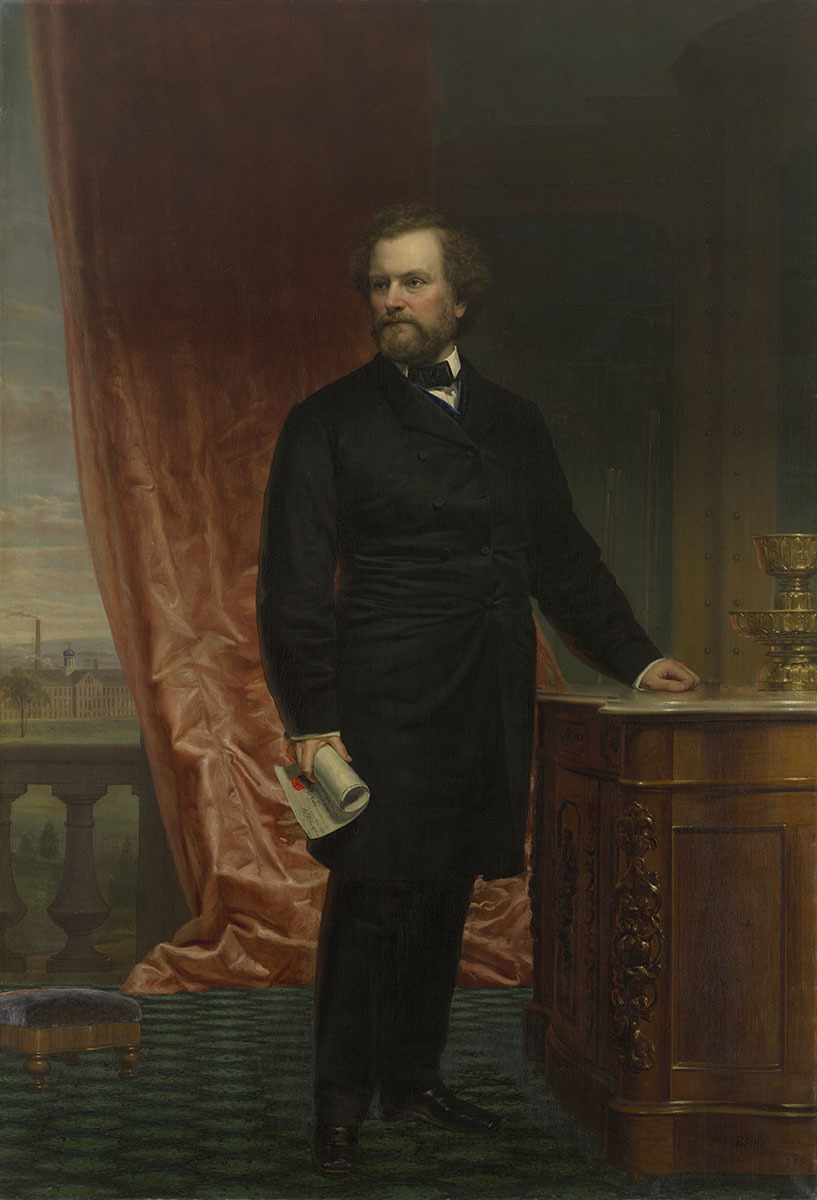
Colt’s mother died of tuberculosis when he was six; his father remarried two years later. He had three sisters—one died in childhood, another of tuberculosis at nineteen, and the third by suicide. His brothers included a lawyer, a textile merchant, and John C. Colt, a man of many trades who was convicted of murder in 1841 and died by suicide on the day of his scheduled execution.
At eleven, Colt was indentured to a farmer in Glastonbury, where he did chores and attended school. There he discovered the Compendium of Knowledge, a scientific encyclopedia he preferred over Bible studies. Articles about Robert Fulton and gunpowder inspired him for life. Learning that other inventors had achieved what was once thought impossible, he resolved to create the "impossible gun"—a firearm that could fire five or six times without reloading.
In 1829, at fifteen, he worked in his father’s textile plant in Ware, Massachusetts, gaining access to tools and expertise. Using the Compendium, he built a homemade galvanic cell and advertised a Fourth of July explosion on Ware Pond; though the raft was missed, the blast impressed onlookers. Sent to boarding school, he entertained classmates with pyrotechnics until a July 4 accident in 1830 caused a fire that ended his schooling. His father then sent him to learn seamanship.
On a voyage to Calcutta aboard the brig Corvo, Colt conceived a revolver design inspired by capstans and windlasses, whose ratchet-and-pawl mechanism he later credited for his idea. He carved a wooden model of a pepperbox revolver from scrap wood.
Lore & Background
Samuel Colt was born in Hartford, Connecticut, the son of a farmer who became a businessman. His mother died of tuberculosis when he was six. At age 11, he was indentured to a farmer in Glastonbury, where he read a scientific encyclopedia that motivated him to create an 'impossible gun' that could fire multiple times without reloading.
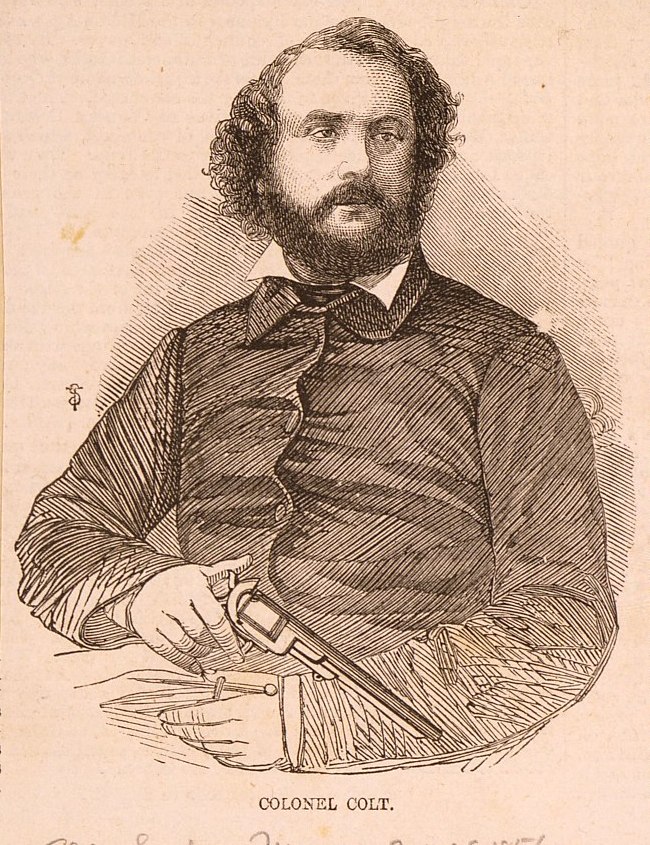
In 1829, at age 15, he began working in his father's textile plant and built a homemade galvanic cell for an underwater explosion demonstration. Sent to boarding school, he amused classmates with pyrotechnics until a July 4 accident ended his schooling. His father then sent him to learn the seaman's trade; on a voyage to Calcutta, Colt had the idea for a revolver inspired by capstans and windlasses, making a wooden model of a pepperbox revolver that allowed the shooter to rotate the cylinder by cocking the hammer.
After returning to the United States in 1832, Colt resumed working for his father, who financed two guns. The first pistol exploded, but the rifle performed well; his father would not finance further development. Colt then earned a living performing laughing gas demonstrations across the United States and Canada, calling himself 'the Celebrated Dr. Colt of New-York, London and Calcutta.' He later partnered with sculptor Hiram Powers for demonstrations based on The Divine Comedy. Having saved money, he hired gunsmith John Pearson to build his revolver.
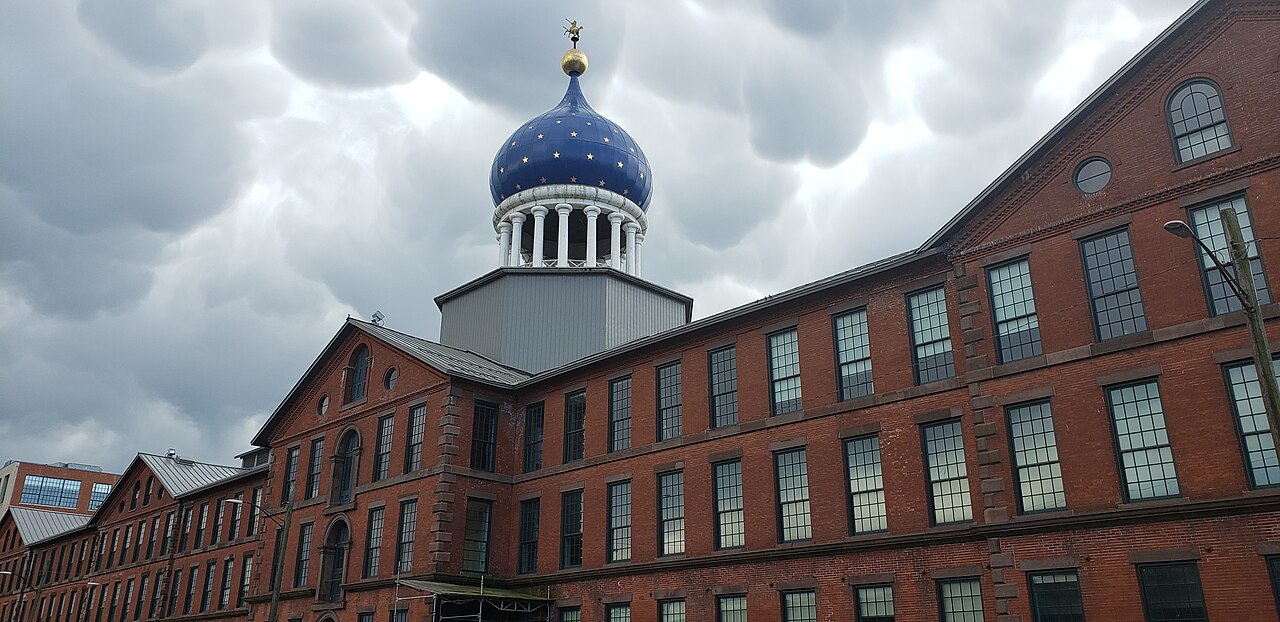
Colt's early revolver (1835–1843)
In August 1835, Colt left for England and France to secure foreign patents, and was granted his first patent in the United Kingdom. Upon returning to America, he was granted a U.S. patent for a 'revolving gun' on February 25, 1836, protecting the basic principles of his revolving-breech loading, folding trigger firearm named the Colt Paterson. With a loan from his cousin Dudley Selden, he formed a corporation of venture capitalists, and the Patent Arms Manufacturing Company of Paterson, New Jersey, was chartered on March 5, 1836.
Engineering a Safer Six-Shooter
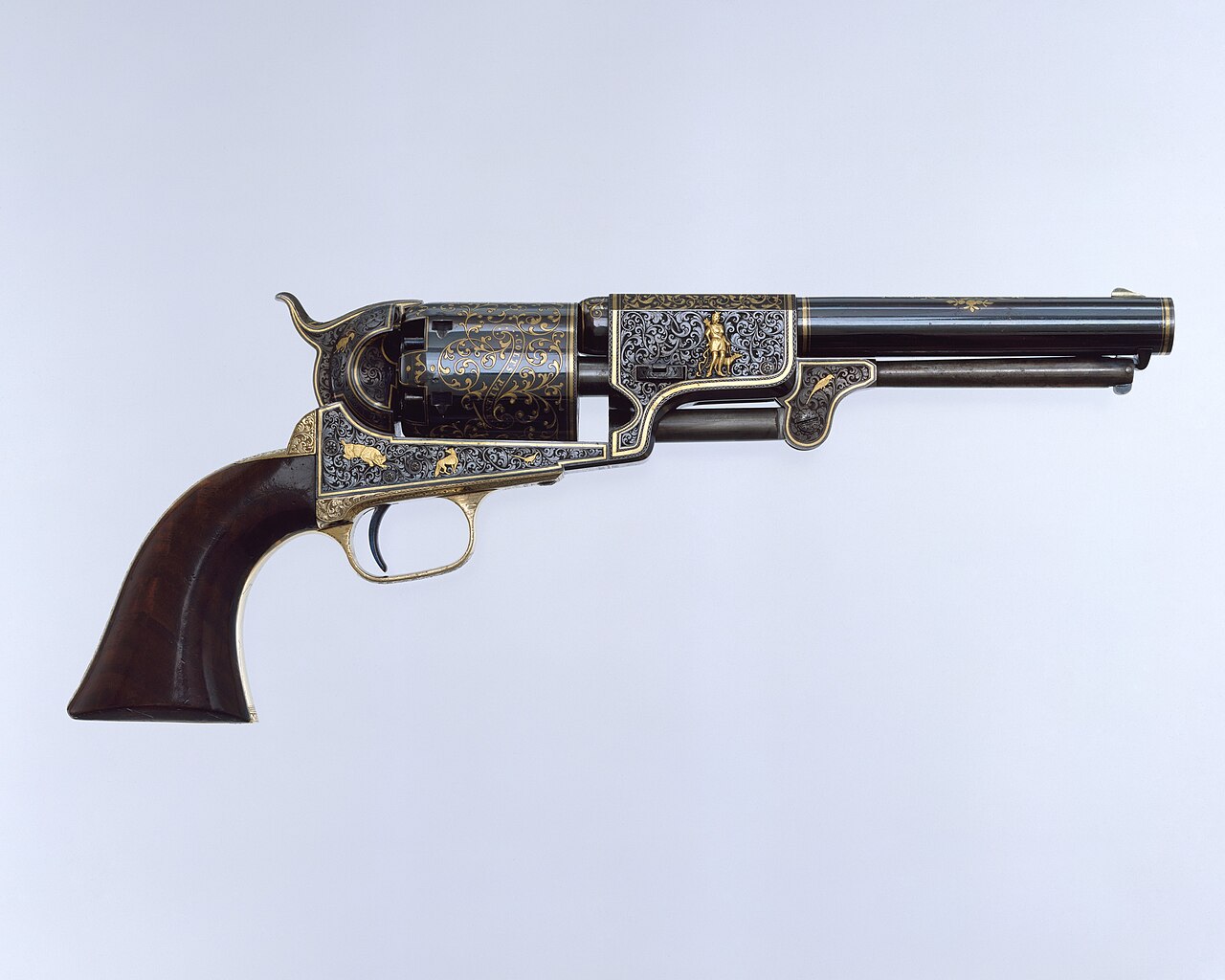
The Colt Dragoon emerged as a direct response to the field failures of its predecessor, the Walker. Soldiers in the Mexican-American War had endured a weapon that weighed a punishing four and a half pounds, making it practical only when slung from a saddle. Worse, the Walker's chambers could be overloaded with as much as sixty grains of powder, and when Pickett bullets were mistakenly seated backwards, cylinders occasionally detonated in the shooter's hand.
A further frustration was the loading lever, which would spring free during recoil and lock the action mid-combat. Colt's remedy was methodical. The Dragoon's shorter cylinder physically limited the powder charge to fifty grains, eliminating the overloading hazard.
The barrel was trimmed to seven and a half inches from the Walker's nine, shaving overall weight down to four pounds and two ounces. A latch was added in front of the loading lever to hold it firmly in place through the kick of discharge. Together, these changes produced a revolver that was lighter, safer, and far more reliable in the hands of the Mounted Rifles and Dragoon regiments who would carry it into the next decade of conflict.
Reader's Guide
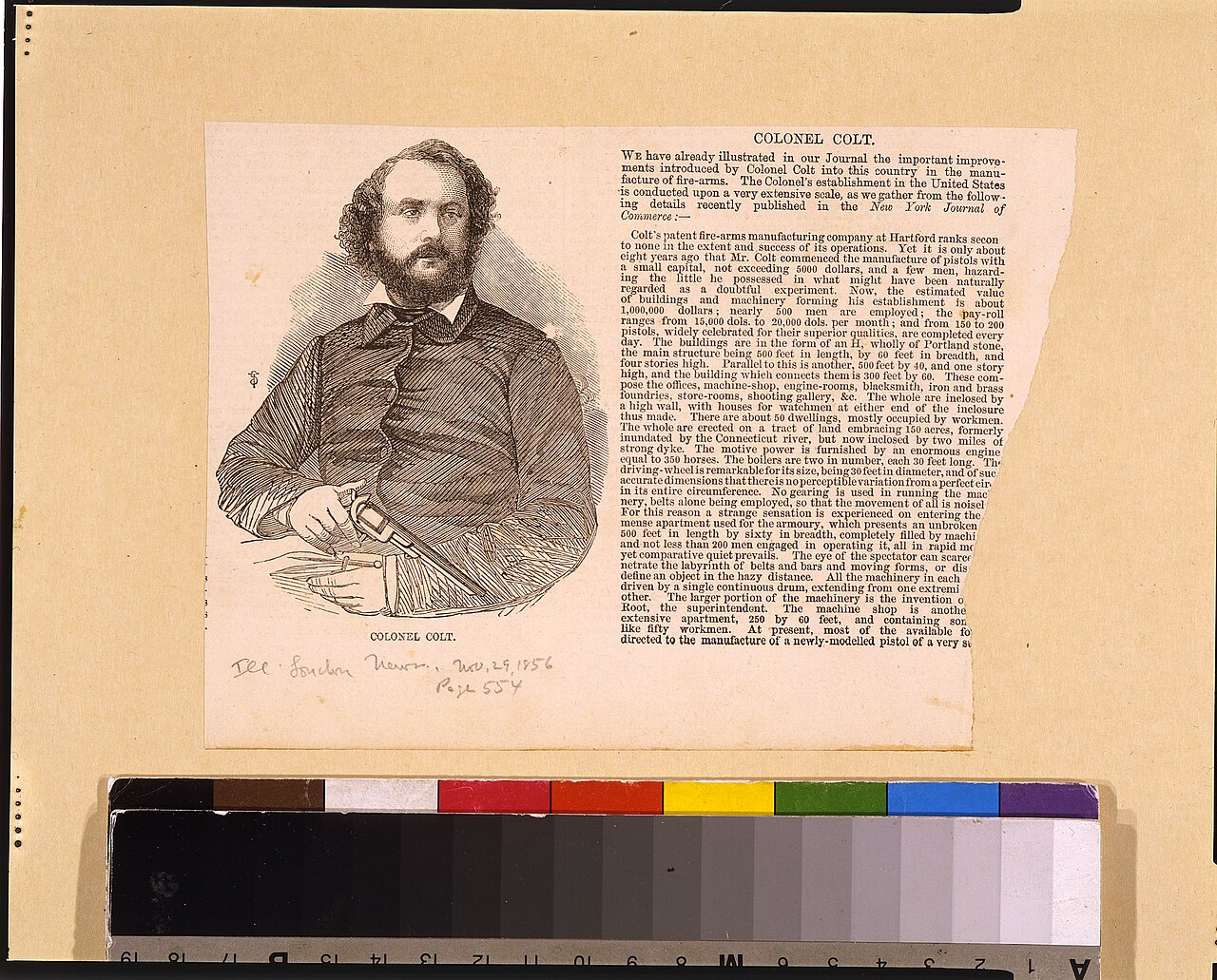
Samuel Colt's significance lies in his transformation of firearm manufacturing and marketing. His business expanded rapidly after 1847, when the Texas Rangers ordered 1,000 revolvers during the American war with Mexico. During the American Civil War, his factory in Hartford supplied firearms to both the North and the South.
Later, his firearms were used widely during the settling of the western frontier. When Colt died in 1862, he was one of the wealthiest men in the United States. Colt's manufacturing methods were at the forefront of the Industrial Revolution; his use of interchangeable parts helped him become one of the first to make efficient use of the assembly line manufacturing process. He envisioned all parts of every Colt gun to be interchangeable and made by machine, to be assembled later by hand.
Moreover, his innovative use of art, celebrity endorsements, and corporate gifts to promote his wares made him a pioneer in advertising, product placement, and mass marketing. Colt never claimed to have invented the revolver; his design was a more practical adaptation of Elisha Collier's earlier revolving flintlock, incorporating a locking bolt to keep the cylinder aligned with the barrel. His great contribution was the use of interchangeable parts.
Frequently Asked Questions
What is Samuel Colt most famous for?
He is widely credited as the first person to make large-scale revolver production genuinely profitable. His factory applied interchangeable parts and an early assembly-line approach to gunmaking, setting a new standard for the Industrial Revolution.
What made Colt's marketing approach groundbreaking?
He is often cited as a pioneer of modern advertising, product placement, and mass marketing. He leveraged commissioned artwork, celebrity endorsements, and corporate gifting to build brand awareness for his firearms well before such tactics became common.
When did Samuel Colt live?
He was born on July 19, 1814, and passed away on January 10, 1862. His career as an inventor, manufacturer, and businessman spanned roughly the first half of the nineteenth century.
More in Weapon designers
Test yourself
Three questions drawn from this entry’s sources. Pick an answer to check it.
Answers checked against the source article
Sources
Compiled from Wikipedia and the sources listed below. Text from Wikipedia is available under CC BY-SA 4.0; this entry is adapted from it.
- Wikipedia: Samuel Colt (CC BY-SA 4.0).
Spotted an error? Know more?
Reader corrections go straight into our review queue. Suggest an edit · How this site is sourced