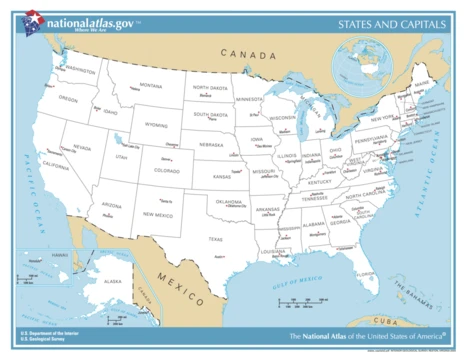
Hartford, Connecticut
Capital of Connecticut, historic manufacturing and insurance hub.

via Wikipedia: Hartford, Connecticut · see source
Hartford is the capital of Connecticut, situated in Hartford County. As of the 2020 census, its population stood at 121,054, with an estimated 124,006 residents in 2025. It is the most populous city in the Capitol Planning Region and serves as the core of the Greater Hartford metropolitan area, which is home to about 1.17 million people.
Founded in 1635, Hartford ranks among the oldest cities in the United States. It boasts several historic firsts and seconds: the nation’s oldest continuously operating public art museum (the Wadsworth Atheneum), the second oldest publicly funded park (Bushnell Park), the oldest continuously published newspaper (the *Hartford Courant*), the second-oldest secondary school (Hartford Public High School), and the oldest school for deaf children (the American School for the Deaf, founded by Thomas Hopkins Gallaudet in 1817). The Mark Twain House, where the author wrote his most famous works and raised his family, is located here. Twain once wrote in 1868, “Of all the beautiful towns it has been my fortune to see this is the chief.”
From 1664, Hartford and New Haven served as Connecticut’s dual capitals, but Hartford became the sole capital in 1875. In the decades after the American Civil War, it was the wealthiest city in the United States. However, since 2015, it has been one of the poorest, with three out of ten families living below the poverty line. By contrast, the Greater Hartford metropolitan area ranked 32nd out of 318 metro areas in total economic output and 8th out of 280 in per capita income in 2015.
Nicknamed the “Insurance Capital of the World” and “America’s filing cabinet,” Hartford is recognized as a high-sufficiency global city. It is the headquarters for numerous insurance companies, the region’s dominant industry, alongside major sectors in services, education, and healthcare. Through the Knowledge Corridor Economic Partnership, Hartford coordinates certain regional development matters with Springfield.
**History**
Various Algonquian-speaking Native American tribes lived in or around Hartford, including the Podunks (east of the Connecticut River), the Poquonocks (north and west), the Massacoes (in the Simsbury area), the Tunxis (in West Hartford and Farmington), the Wangunks (to the south), and the Saukiog (in Hartford itself).
**Colonial Hartford**
The first Europeans to explore the area were the Dutch under Adriaen Block, who sailed up the Connecticut River in 1614. In 1623, Dutch fur traders from New Amsterdam returned to establish a trading post and fort for the Dutch West India Company. The original site was on the south bank of the Park River, in what is now the Sheldon/Charter Oak neighborhood. This fort, called Fort Hoop or the “House of Hope,” was home to perhaps a few families and a couple of dozen soldiers. In 1633, Jacob Van Curler formally purchased the land around Fort Hoop from the Pequot chief for a small sum. The fort was abandoned by 1654, but the area is still known as Dutch Point, and Huyshope Avenue recalls the fort’s name. A key reason for the Dutch post was to control the flow of wampum, the de facto currency of New Netherland and parts of New England, in trade with Native Americans.
The Dutch outpost and its small garrison did little to stop English migration, and the Dutch soon realized they were vastly outnumbered. The House of Hope remained an outpost but was steadily overtaken by English settlers. In 1650, Peter Stuyvesant met with English representatives to negotiate a permanent boundary; the agreed line was more than 50 miles west of the original settlement.
The English began arriving in 1636, settling upstream from Fort Hoop near present-day Downtown and Sheldon/Charter Oak. Puritan pastors Thomas Hooker and Samuel Stone, along with Governor John Haynes, led 100 settlers and 130 head of cattle from Newtown in the Massachusetts Bay Colony (now Cambridge) and started a settlement just north of the Dutch fort. Originally called Newtown, it was renamed Hartford in 1637 after Stone’s hometown of Hertford, England. The name means “ford where harts cross,” or “deer crossing.”
As Hartford’s Puritan minister, Thomas Hooker wielded great influence. In 1638, he delivered a sermon that inspired the Fundamental Orders of Connecticut, which provided a framework for Connecticut’s separation from the Massachusetts Bay Colony and the formation of a civil government. These Orders served as the legal basis for Connecticut Colony until the royal charter of 1662 granted by Charles II.
The original settlement included the site of the Charter Oak, an old white oak tree where colonists hid Connecticut’s 1662 Royal Charter to protect it from confiscation by an English governor-general. The state later adopted the oak as the emblem on the Connecticut state quarter. The Charter Oak Monument stands at the corner of Charter Oak Place and Charter Oak Avenue.
**19th Century**
**Political turmoil**
On December 15, 1814, delegates from the five New England states (Maine was still part of Massachusetts) gathered at the Hartford Convention to discuss New England’s possible secession from the United States. During the early 19th century, the Hartford area was a center of abolitionist activity, most famously associated with the Beecher family. The Reverend Lyman Beecher was an important Congregational minister known for his anti-slavery sermons. His daughter Harriet Beecher Stowe wrote...
- Founded
- 1635
Verified Timeline
Lore & Background
Hartford was originally settled by English Puritans led by Thomas Hooker, Samuel Stone, and John Haynes in 1636, who named it after Stone's hometown of Hertford, England. The settlement was initially called Newtown. In 1638, Thomas Hooker delivered a sermon that inspired the Fundamental Orders of Connecticut, providing a framework for civil government. The city is home to the Charter Oak, where colonists hid Connecticut's Royal Charter of 1662 to prevent its confiscation. During the 19th century, Hartford became a major manufacturing center, with Samuel Colt perfecting precision manufacturing for revolvers around 1850. The city produced firearms, sewing machines, bicycles, automobiles, and typewriters, earning the nickname 'Typewriter Capitol of the World.' The Pratt & Whitney Company was founded there in 1860 as a machine tool manufacturer, and in 1925 the company expanded into aircraft engine design at its Hartford factory. Hartford also hosted the Hartford Convention in 1814, where New England delegates discussed possible secession, and was a center of abolitionist activity, home to the Beecher family. Hartford is known as the 'Insurance Capital of the World' and houses headquarters of many insurance companies. It coordinates certain Hartford–Springfield regional development matters through the Knowledge Corridor Economic Partnership. The city contains the Mark Twain House, where the author wrote his most famous works and raised his family. Twain wrote in 1868, 'Of all the beautiful towns it has been my fortune to see this is the chief.' Hartford is home to the country's oldest continuously operating public art museum (Wadsworth Atheneum), the second oldest publicly funded park (Bushnell Park), the oldest continuously published newspaper (the Hartford Courant), the second-oldest secondary school (Hartford Public High School), and the oldest school for deaf children (American School for the Deaf), founded by Thomas Hopkins Gallaudet in 1817.
Reader's Guide
Hartford's significance lies in its dual role as a historic political and economic center. As Connecticut's capital since 1875, it has been central to state governance. Its early colonial history, including the Fundamental Orders of Connecticut, influenced the development of civil government. In the 19th century, Hartford was a powerhouse of precision manufacturing, with innovations in firearms, typewriters, and machine tools that shaped American industry. The city's insurance sector, which earned it the nickname 'Insurance Capital of the World,' remains a major economic force. However, Hartford's modern legacy is marked by stark contrasts: while the metropolitan area ranks high in per capita income and economic production, the city itself has high poverty rates. Culturally, Hartford preserves significant historical sites, including the Mark Twain House, the Wadsworth Atheneum, and the American School for the Deaf, the oldest school for deaf children in the U.S. Its role in abolitionist movements and the Hartford Convention adds to its historical weight. The city's ongoing efforts in regional planning through the Knowledge Corridor Economic Partnership reflect its continued relevance.
Did You Know?
- Hartford is home to the oldest continuously operating public art museum in the United States, the Wadsworth Atheneum.
- The Hartford Courant is the oldest continuously published newspaper in the country.
- The American School for the Deaf, founded in 1817 by Thomas Hopkins Gallaudet, is the oldest school for deaf children in the U.S.
- Hartford was the richest city in the United States for several decades following the American Civil War.
- The Charter Oak, a white oak tree, was where colonists hid Connecticut's Royal Charter of 1662 to protect it from confiscation.
Gallery



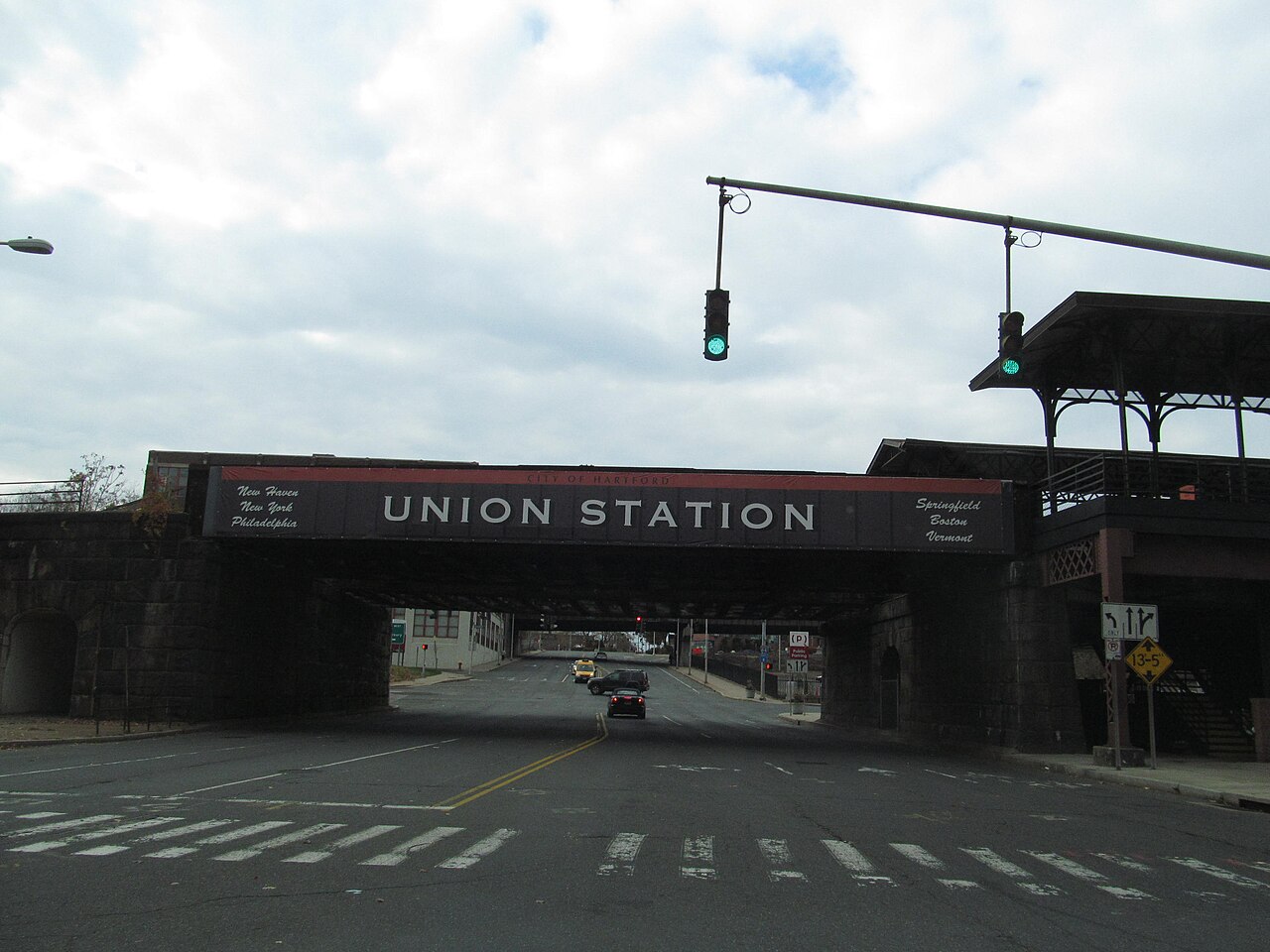
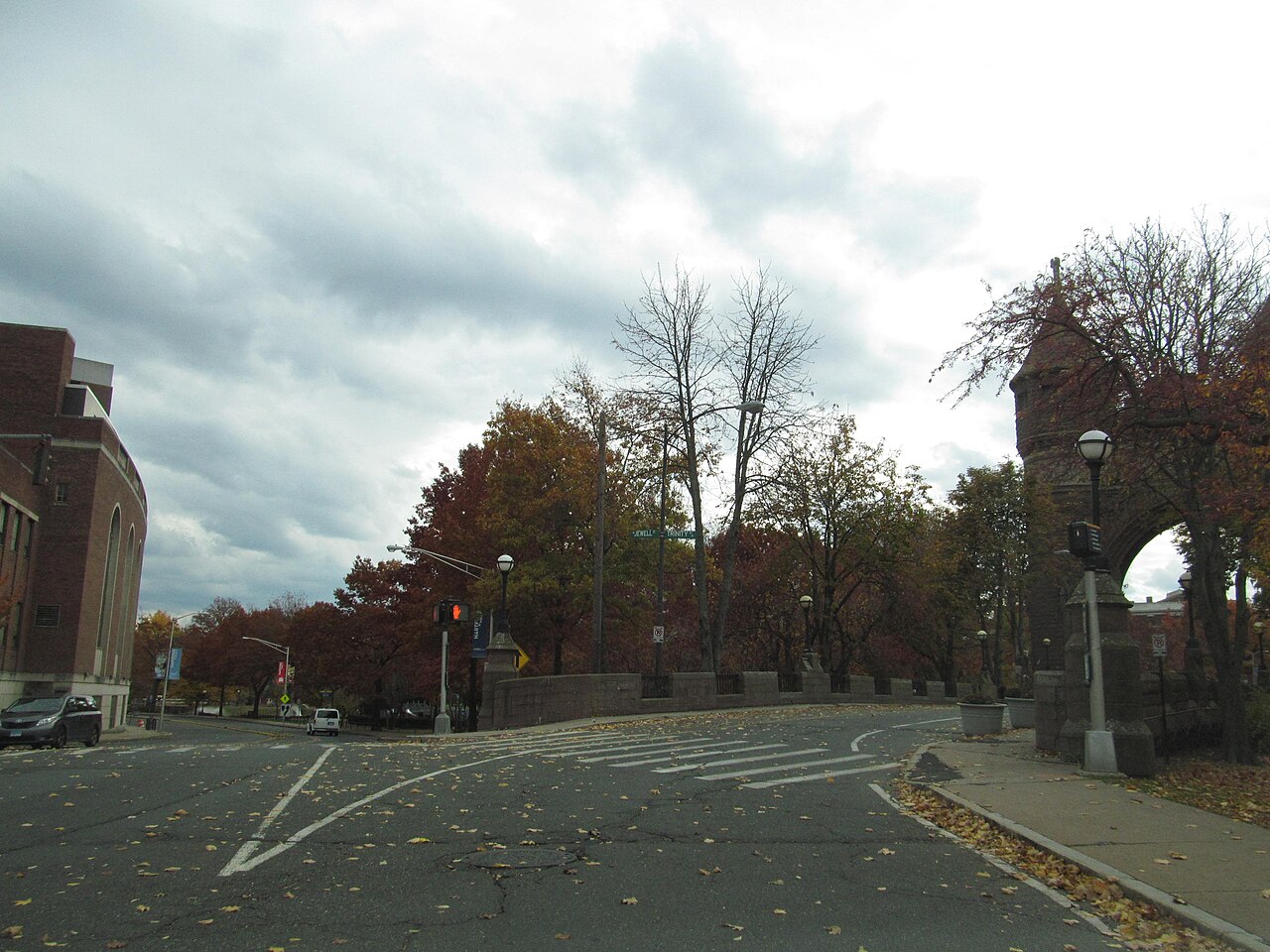
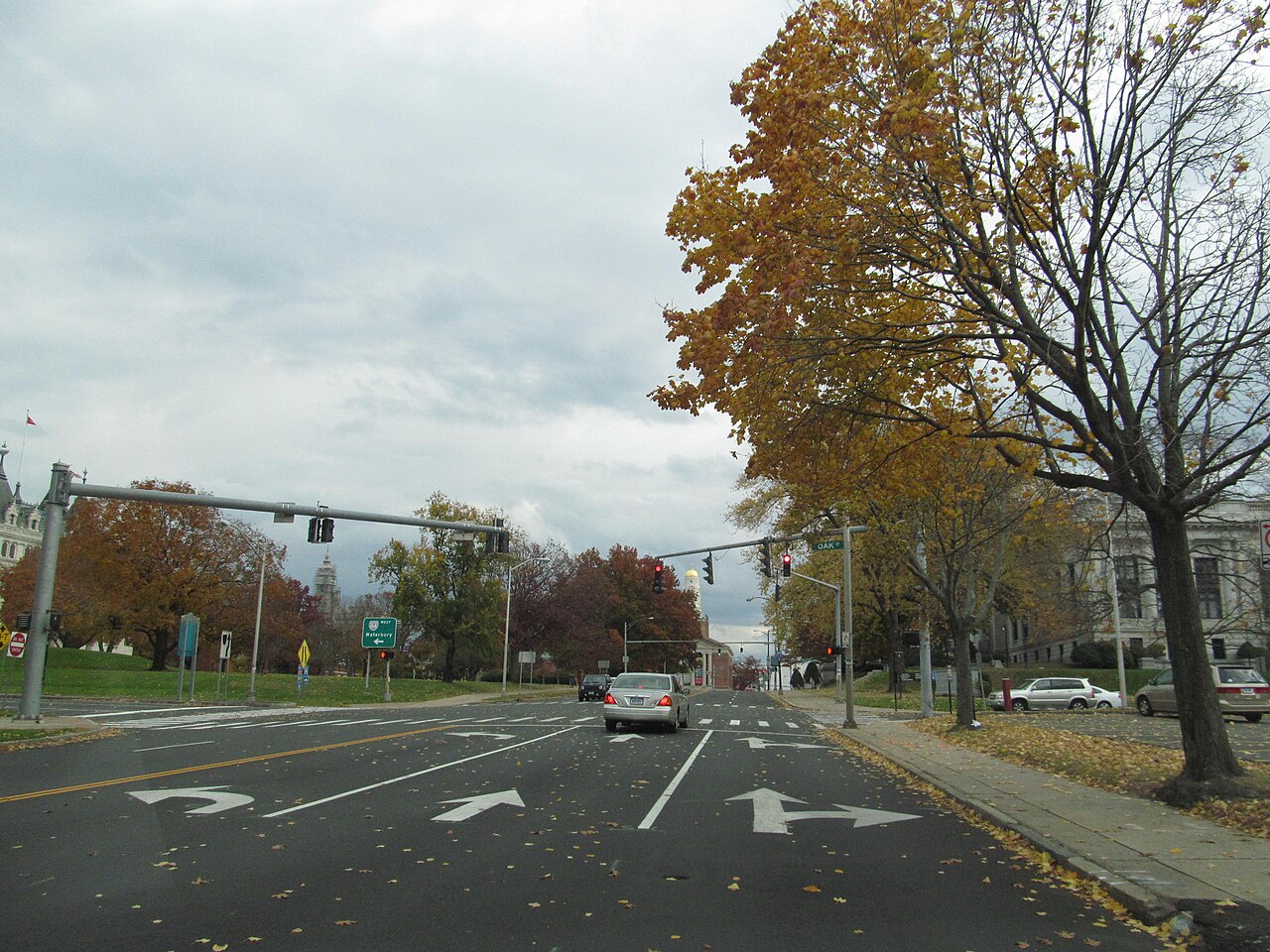
Frequently Asked Questions
Who is Hartford, Connecticut?
Hartford is the capital city of Connecticut, located within Hartford County. English Puritan settlers established it in 1636, making it one of the earliest cities in what would become the United States.
What are Hartford, Connecticut's powers/role?
As Connecticut's sole capital since 1875, Hartford houses the state's government functions. The city also built its historical identity as a center for manufacturing and the insurance industry.
How does Hartford, Connecticut's story end?
Hartford's narrative is still unfolding, though the city has moved past its post-Civil War golden age of economic prosperity. By 2015, roughly three in ten families in the city were living below the poverty line.
Why is Hartford, Connecticut important?
Hartford stands out as one of the oldest cities in the nation, with roots stretching back to 1636. It also played a defining role in Connecticut's industrial and insurance heritage during its peak decades.
When was Hartford, Connecticut founded?
English Puritans settled Hartford in 1636. The city has served as Connecticut's only capital since 1875.
More in American State Capitals 1-18
Spotted an error? Know more?
This is a living reference — every entry is fact-audited, and reader corrections feed straight into our audit queue. Suggest an edit · See this site's audit record