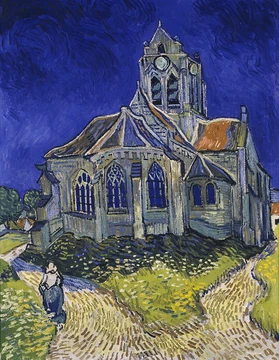
Gerhard Richter
German visual artist known for abstract and photorealistic paintings, photographs, and glass pieces.

Jindřich Nosek (NoJin) · CC BY-SA 4.0
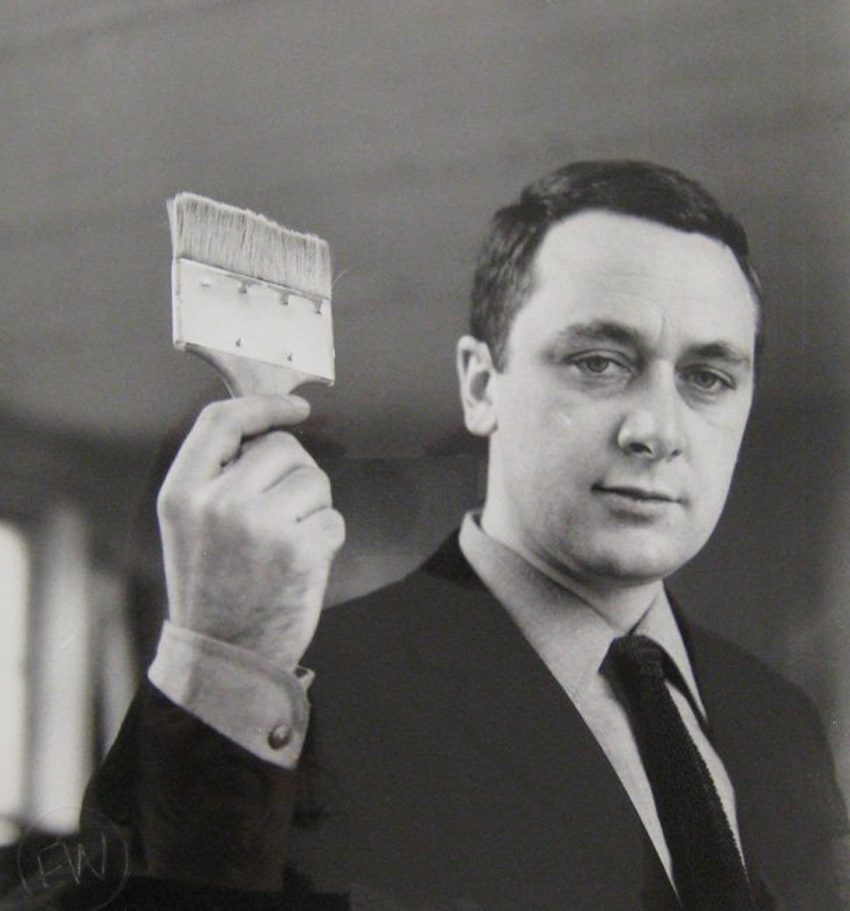
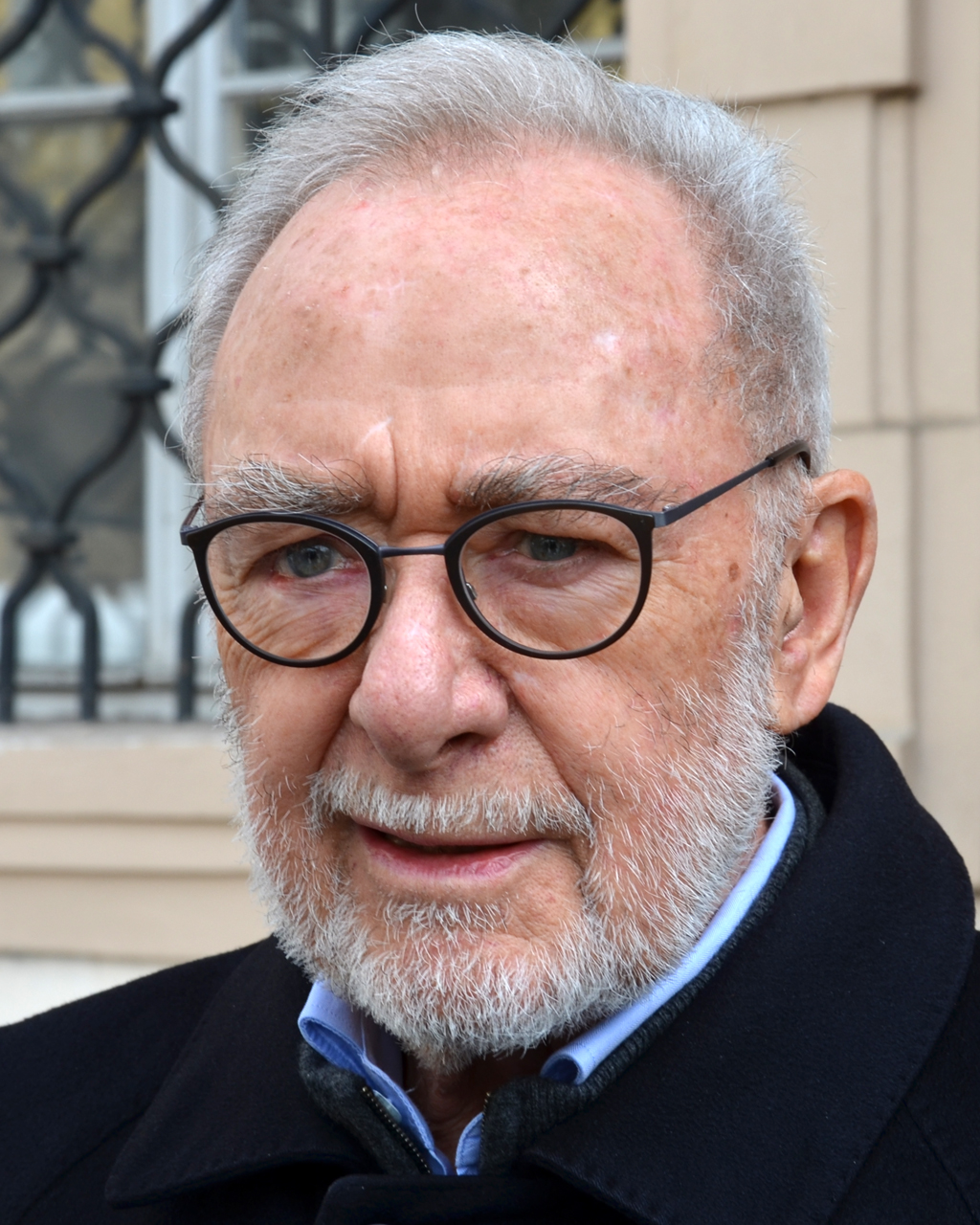
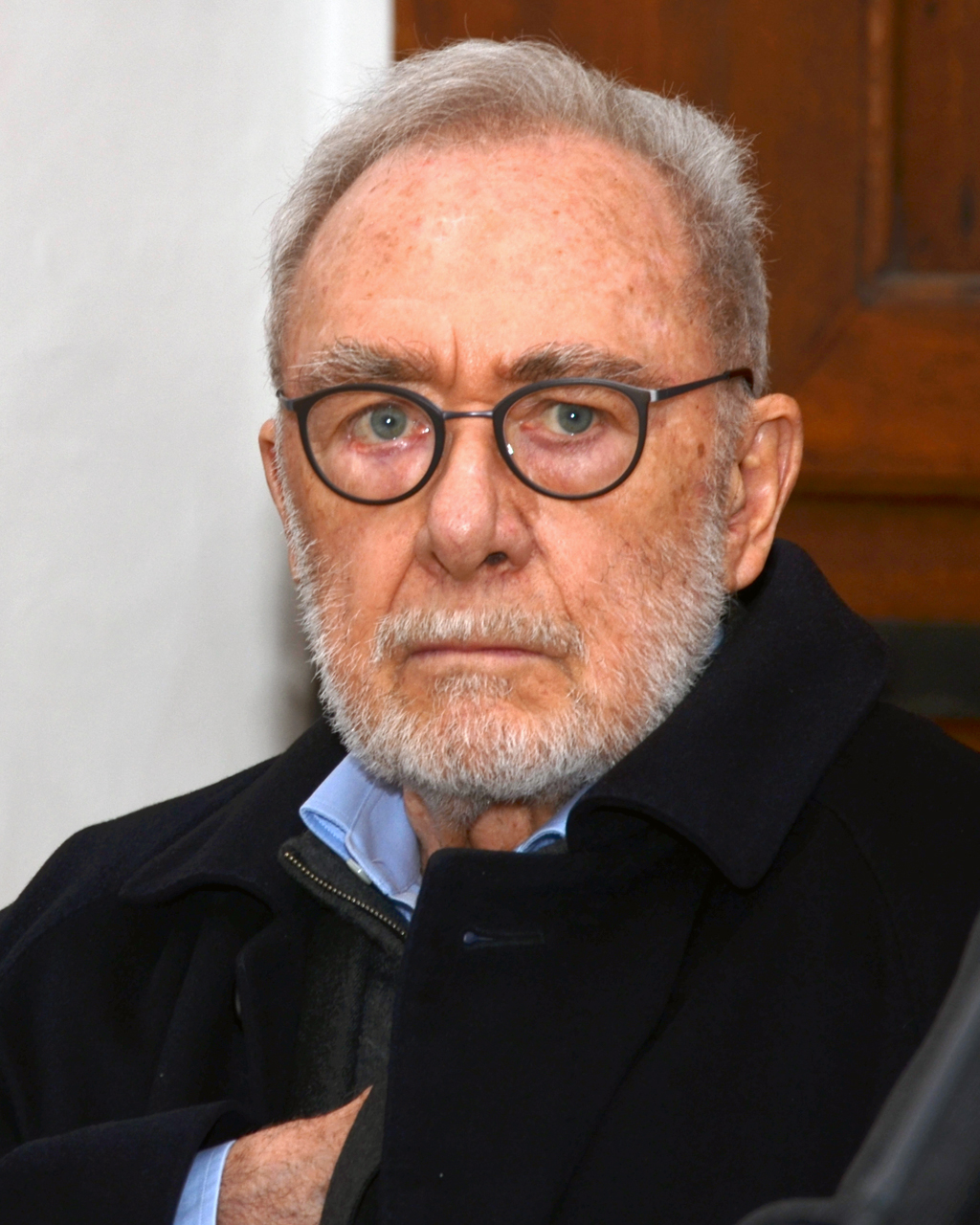
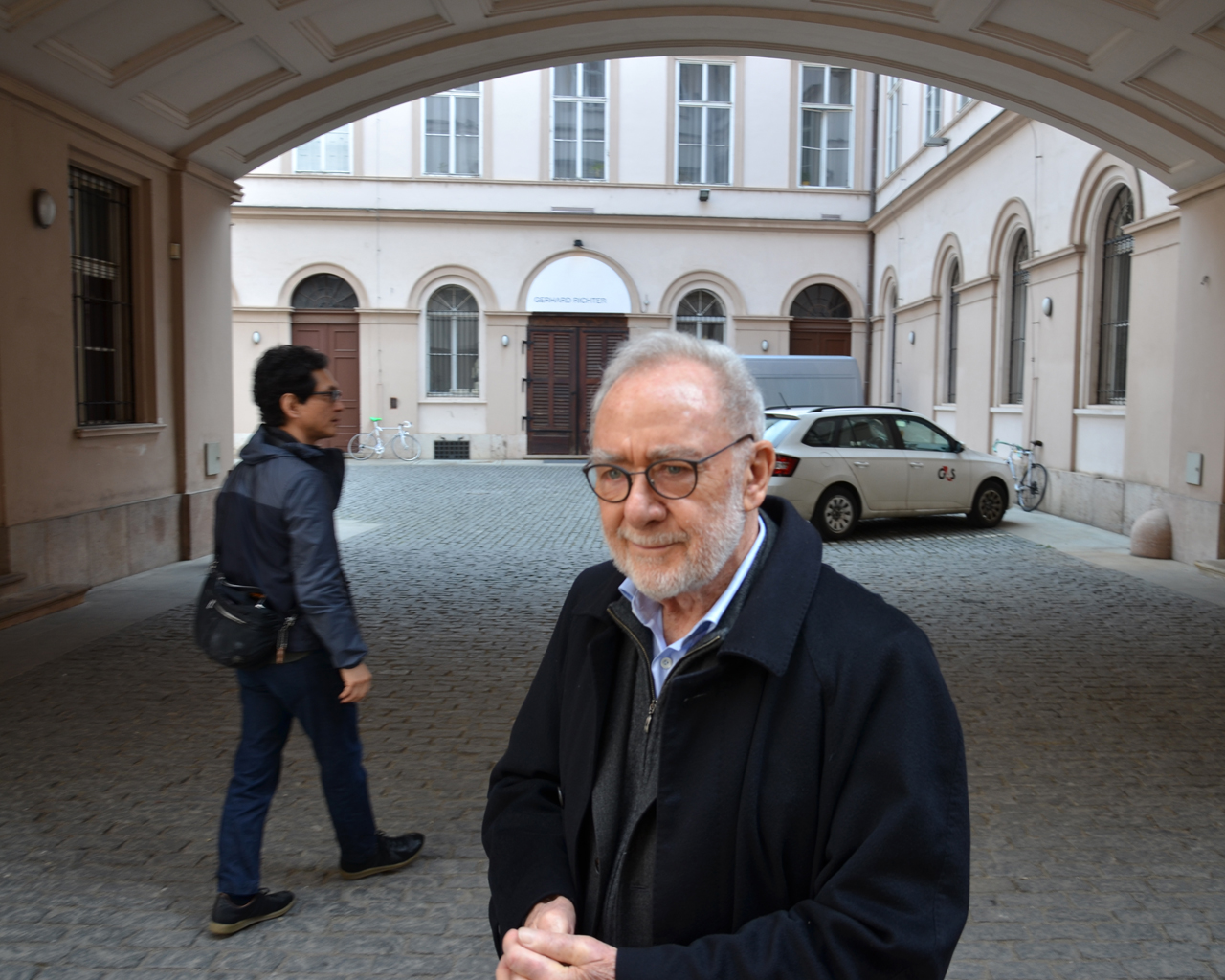
Gerhard Richter (born 9 February 1932) is a German visual artist known for both abstract and photorealistic paintings, as well as photographs and glass works. Considered one of the most significant contemporary German artists, several of his pieces have achieved record auction prices, and he was at one point the most expensive living painter. He has been called "the greatest living painter," "the world's most important artist," and "the Picasso of the 21st century."
Richter was born in Dresden-Neustadt and grew up in Reichenau (now Bogatynia, Poland) and Waltersdorf, where his father worked as a village teacher. His mother, Hildegard Schönfelder, was 25 at his birth. Her father, a gifted pianist, moved the family to Dresden to run a brewery that eventually failed; Hildegard later trained as a bookseller, pursuing her love of literature and music. Richter’s father, Horst, studied mathematics and physics in Dresden, and the couple married in 1931. After struggling in the National Socialist education system, Horst found work in Reichenau. Richter’s sister Gisela was born there in 1936. The family remained largely apolitical due to their rural location, though Horst was forced to join the Nazi Party. At age 10, Richter was conscripted into the Deutsches Jungvolk; the Hitler Youth was dissolved before he was old enough to join. In 1943, the family moved to Waltersdorf, and his mother sold her piano. Two of her brothers died as soldiers, and her sister Marianne, who had schizophrenia, was starved to death in a psychiatric clinic under the Nazi euthanasia program.
Richter left school after 10th grade, apprenticed as an advertising and stage-set painter, then studied at the Dresden Academy of Fine Arts. After vocational high school in Zittau (1948), he worked as an apprentice sign painter and as a painter. His 1950 application to the Dresden Academy was rejected as “too bourgeois,” but he began studies there in 1951 under Karl von Appen, Heinz Lohmar, and Will Grohmann.
He married Marianne Eufinger in 1957; they had a daughter. He married sculptor Isa Genzken in 1982, and his third wife, Sabine Moritz, in 1995; they had two sons and a daughter.
Early in his career, Richter painted a mural, *Communion with Picasso* (1955), for his academy’s refectory, and *Lebensfreude* (Joy of life) for the German Hygiene Museum, intended to have an effect “similar to that of wallpaper or tapestry.” From 1957 to 1961, he worked as a master trainee and took commissions in East Germany, producing murals like *Arbeiterkampf* (Workers’ struggle), oil paintings (including portraits of actress Angelica Domröse and his first wife Ema), self-portraits, and a Dresden panorama titled *Stadtbild* (Townscape, 1956). Two months before the Berlin Wall was built in 1961, Richter and his wife fled to West Germany. His murals at the academy and Hygiene Museum were painted over for ideological reasons. After reunification, two sections of *Joy of life* were uncovered in the museum’s stairway but later covered again during restoration to the building’s 1930 state; a large portion was finally uncovered and restored in 2024.
In West Germany, Richter studied at the Kunstakademie Düsseldorf under Karl Otto Götz alongside Sigmar Polke, Werner Hilsing, HA Schult, Kuno Gonschior, Franz Erhard Walther, Konrad Lueg, and Gotthard Graubner. With Polke and Konrad Fischer (pseudonym Lueg), he coined the term *Kapitalistischer Realismus* (Capitalistic Realism) as an anti-style, using advertising’s pictorial shorthand to comment on both Soviet Socialist Realism and Western consumer-driven art. He taught as a visiting professor at the Hochschule für bildende Künste Hamburg and the Nova Scotia College of Art and Design, then returned to the Kunstakademie Düsseldorf in 1971 as a professor for over 15 years. In 1983, he moved from Düsseldorf to Cologne, where he still lives and works; in 1996, he moved into a studio designed by architect Thiess Marwede.
During the 1960s and early 1970s, Richter created paintings from black-and-white photographs, drawing on newspapers, books, private snapshots, aerial views (e.g., *Cityscape Madrid* (1968) and *Alps* (1968)), seascapes (1969–70), and a large multipart work for the German Pavilion at the 1972 Venice Biennale.
- born
- 9 February 1932
- field
- Visual artist
- nationality
- German
- known_for
- Abstract and photorealistic paintings, photographs, glass pieces; record auction
Verified Timeline
Lore & Background
Richter was born in Hospital Dresden-Neustadt in Dresden, Saxony, and grew up in Reichenau (now Bogatynia, Poland) and in Waltersdorf. His father Horst was a teacher who was forced to join the National Socialist Party; his mother Hildegard trained as a bookseller. At age 10, Richter was conscripted into the Deutsches Jungvolk. He left school after 10th grade, apprenticed as an advertising and stage-set painter, and studied at the Dresden Academy of Fine Arts after an initial rejection in 1950. Together with his wife Marianne, Richter escaped from East to West Germany two months before the building of the Berlin Wall in 1961. In West Germany, Richter studied at the Kunstakademie Düsseldorf under Karl Otto Götz. With Sigmar Polke and Konrad Lueg (pseudonym Lueg), he introduced the term Kapitalistischer Realismus (Capitalistic Realism) as an anti-style of art. He taught at the Hochschule für bildende Künste Hamburg and the Nova Scotia College of Art and Design as a visiting professor, and returned to the Kunstakademie Düsseldorf in 1971, where he worked as a professor for over 15 years. He married Marianne Eufinger in 1957, sculptor Isa Genzken in 1982, and Sabine Moritz in 1995, with whom he had two sons and a daughter.
Reader's Guide
Richter created various painting pictures from black-and-white photographs during the 1960s and early 1970s, basing them on sources like newspapers, books, private snapshots, and aerial views. For Forty-eight Portraits (1971–72), he chose faces of composers such as Gustav Mahler and Jean Sibelius, and writers such as H. G. Wells and Franz Kafka. His ongoing work Atlas was first exhibited in 1972 at the Museum voor Hedendaagse Kunst in Utrecht, containing 315 parts; it has since expanded to approximately 4,000 photographs and illustrations on about 600 panels. Richter began his independent series of landscapes in 1968 after a vacation to Corsica, and his landscapes are compared to the work of Caspar David Friedrich. In 1982 and 1983, he made a series of paintings of Candles and Skulls related to memento mori tradition, influenced by Georges de La Tour and Francisco de Zurbarán. He has made only 27 of these still lifes.
Did You Know?
- Richter's aunt Marianne, who had schizophrenia, was starved to death in a psychiatric clinic as a victim of the Nazi euthanasia program.
- His application to study at the Dresden Academy of Fine Arts in 1950 was rejected as 'too bourgeois'.
- Both his wall paintings in the Academy of Arts and the Hygiene Museum were painted over for ideological reasons after he escaped to West Germany.
- Richter made a ten-day trip to Greenland in 1972, traveling alone, to experience and record the desolate arctic landscape.
- In 1995, Richter marked the 50th anniversary of the allied bombing of Dresden with a series of works.
A Career Spanning Abstraction and Precision
Gerhard Richter, born in Dresden in 1932, has built a body of work that resists simple categorization. His output stretches across abstract compositions, photorealistic canvases, photographic series, and sculptural glass pieces, placing him among the most versatile figures in contemporary art. During the 1960s and early 1970s he developed his signature method of translating black-and-white photographs into paintings, drawing source material from newspaper clippings, private family snapshots, aerial views of cities and mountain ranges, and seascapes. Among his most ambitious projects was the multipart work created for the German Pavilion at the 1972 Venice Biennale, alongside his celebrated Forty-eight Portraits, which rendered the faces of composers such as Mahler and Sibelius and writers including Kafka and Wells. His commercial standing has been equally extraordinary: multiple works have set record prices at auction, and at one point he held the distinction of being the most expensive living painter in the world.
Fleeing the Wall and Naming a Movement
In 1961, just two months before the Berlin Wall went up, Richter and his wife Marianne made the decisive choice to leave East Germany for the West. The departure carried a painful cost: both of his major murals—Communion with Picasso at the Academy of Arts and Joy of Life at the German Hygiene Museum—were painted over by East German authorities for ideological reasons. Decades later, fragments of Joy of Life were rediscovered in a museum stairway, and in 2024 a large portion of the mural was finally uncovered and restored. In West Germany, Richter enrolled at the Kunstakademie Düsseldorf under Karl Otto Götz, studying alongside Sigmar Polke and a cohort of fellow artists. Together with Polke and Konrad Fischer, Richter coined the term Kapitalistischer Realismus—Capitalistic Realism—as a deliberate anti-style. The concept borrowed the visual shorthand of advertising and consumer culture while simultaneously critiquing both the Soviet doctrine of Socialist Realism and the art market of Western capitalism, positioning Richter squarely at the crossroads of Cold War ideology and aesthetic experimentation.
A Childhood Shaped by War and Loss
Richter entered the world in February 1932 in a Dresden hospital, the son of Hildegard Schönfelder and Horst Richter, a mathematics and physics student who would go on to teach in the Upper Lusatian countryside. His maternal grandfather had once been regarded as a gifted pianist before a brewing venture ended in bankruptcy, and Hildegard herself trained as a bookseller, nurturing a deep love of literature and music. The family's rural setting in Reichenau and later Waltersdorf kept them largely insulated from political life, though Horst was eventually compelled to join the National Socialist Party—a step he never embraced. At ten, young Gerhard was conscripted into the Deutsches Jungvolk, the junior wing of the Hitler Youth. The war's toll on the family was devastating: two of Hildegard's brothers died serving as soldiers, and her sister Marianne, who suffered from schizophrenia, was starved to death in a psychiatric clinic as a victim of the Nazi euthanasia program. After finishing only the tenth grade, Richter apprenticed as an advertising and stage-set painter before his 1950 application to the Dresden Academy of Fine Arts was rejected as "too bourgeois." He finally gained admission in 1951.
Legacy, Titles, and the Life Beyond the Canvas
Richter's standing in the art world has earned him superlatives that few living artists command. He has been called the "greatest living painter," "the world's most important artist," and even the "Picasso of the 21st century," while his canvases have repeatedly broken auction records, making him at one point the most expensive living painter on the market. Beyond his own output, his influence extended through the classroom: he held teaching posts at the Hochschule für bildende Künste in Hamburg and at the Nova Scotia College of Art and Design as a visiting professor, before returning to the Kunstakademie Düsseldorf in 1971, where he served as a professor for more than fifteen years. His personal life has been marked by three marriages—first to Marianne Eufinger in 1957, then to the sculptor Isa Genzken in 1982, and finally to Sabine Moritz in 1995, with whom he had two sons and a daughter. Since 1983 he has lived and worked in Cologne, moving in 1996 into a studio designed by architect Thiess Marwede, where he continues his practice to this day.
Gallery
Frequently Asked Questions
Who is Gerhard Richter?
Gerhard Richter is a German visual artist born on 9 February 1932 who has become one of the most celebrated painters working in the contemporary world. He is recognized for spanning both abstract and photorealistic styles across multiple media.
What is Gerhard Richter known for?
He is best known for his abstract color-field paintings, hyper-realistic portraits and still lifes, as well as photographic series and large-scale glass sculptures. His work consistently bridges the gap between painting and photography.
How much are Gerhard Richter's paintings worth at auction?
Several of his works have broken record prices in the auction world, and at one point he held the title of the most expensive living painter. His abstract canvases in particular have fetched extraordinary sums at major sales houses.
What nationality is Gerhard Richter?
Richter is German, born in 1932, and he has spent much of his career working within the European art scene. His background in postwar Germany deeply informs the themes and tensions present in his work.
What media does Gerhard Richter work in?
Beyond painting, he is equally active in photography and glass art, creating large translucent glass panels that explore color and light. This range across painting, photography, and sculpture makes him one of the most versatile figures in contemporary visual art.
More in Visual Artists 1-24
Spotted an error? Know more?
This is a living reference — every entry is fact-audited, and reader corrections feed straight into our audit queue. Suggest an edit · See this site's audit record