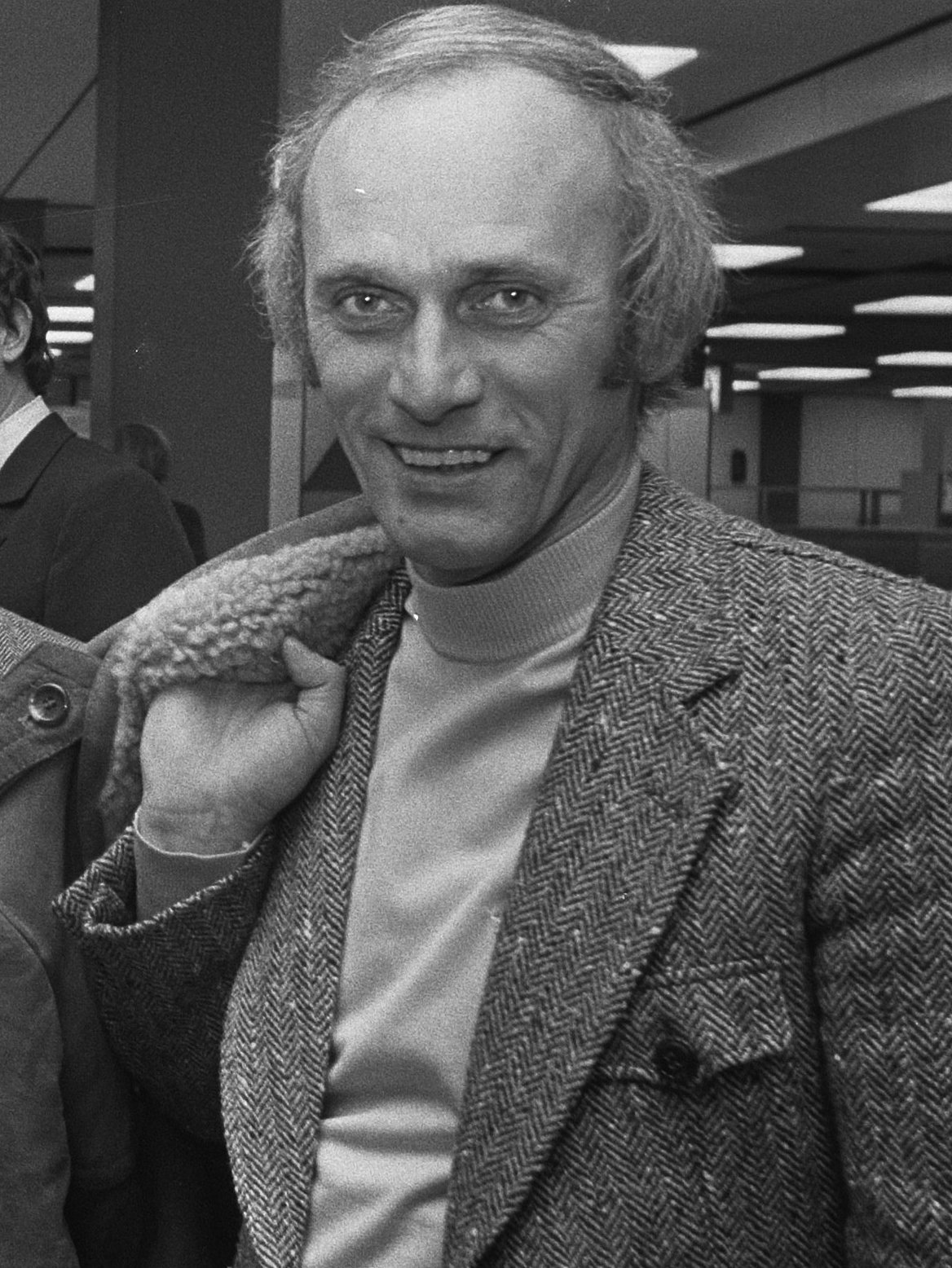
Udo Lattek
The only coach to win all three major European trophies with three different clubs.

via Wikipedia: Matthias Sammer · see source
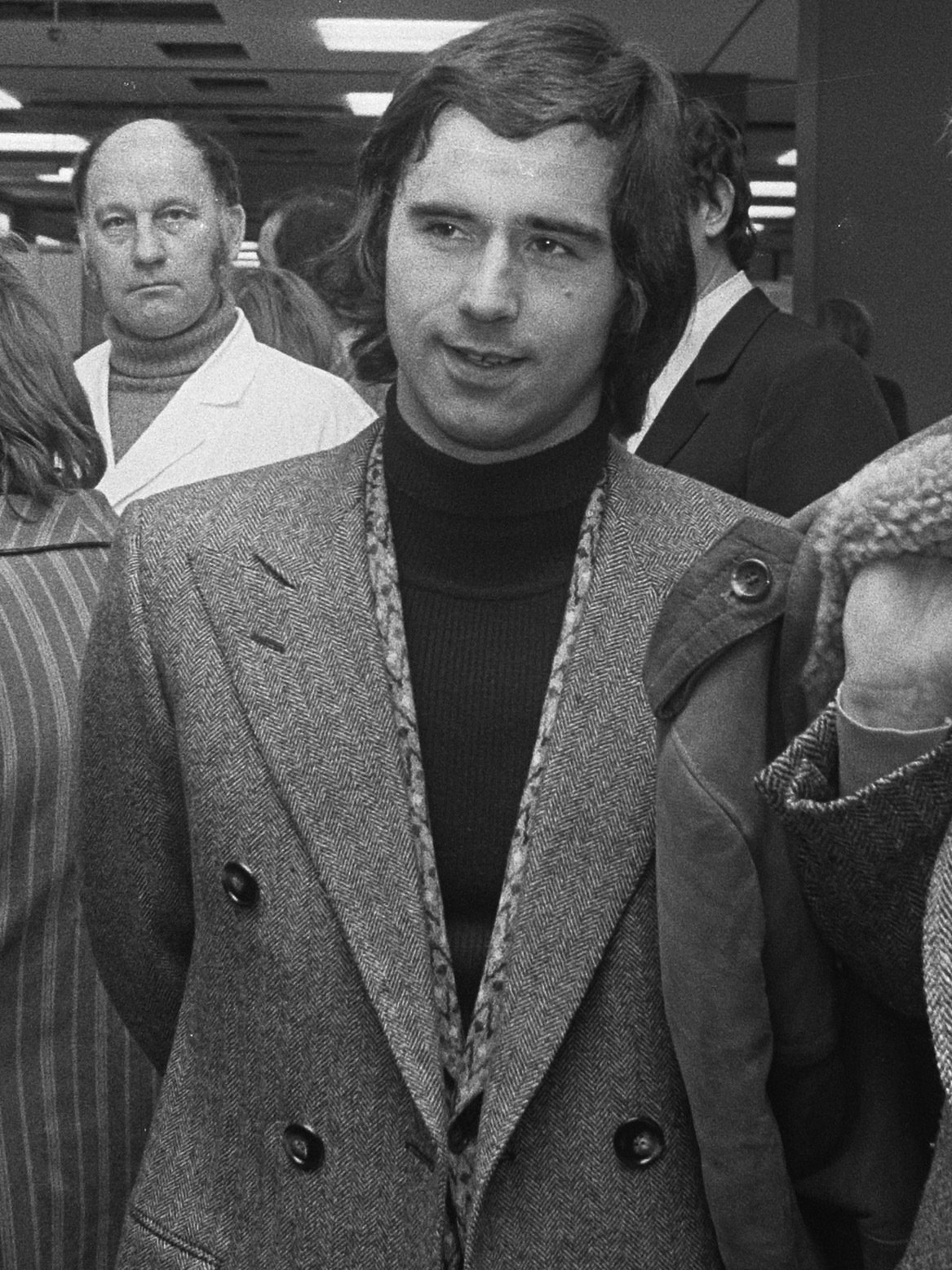
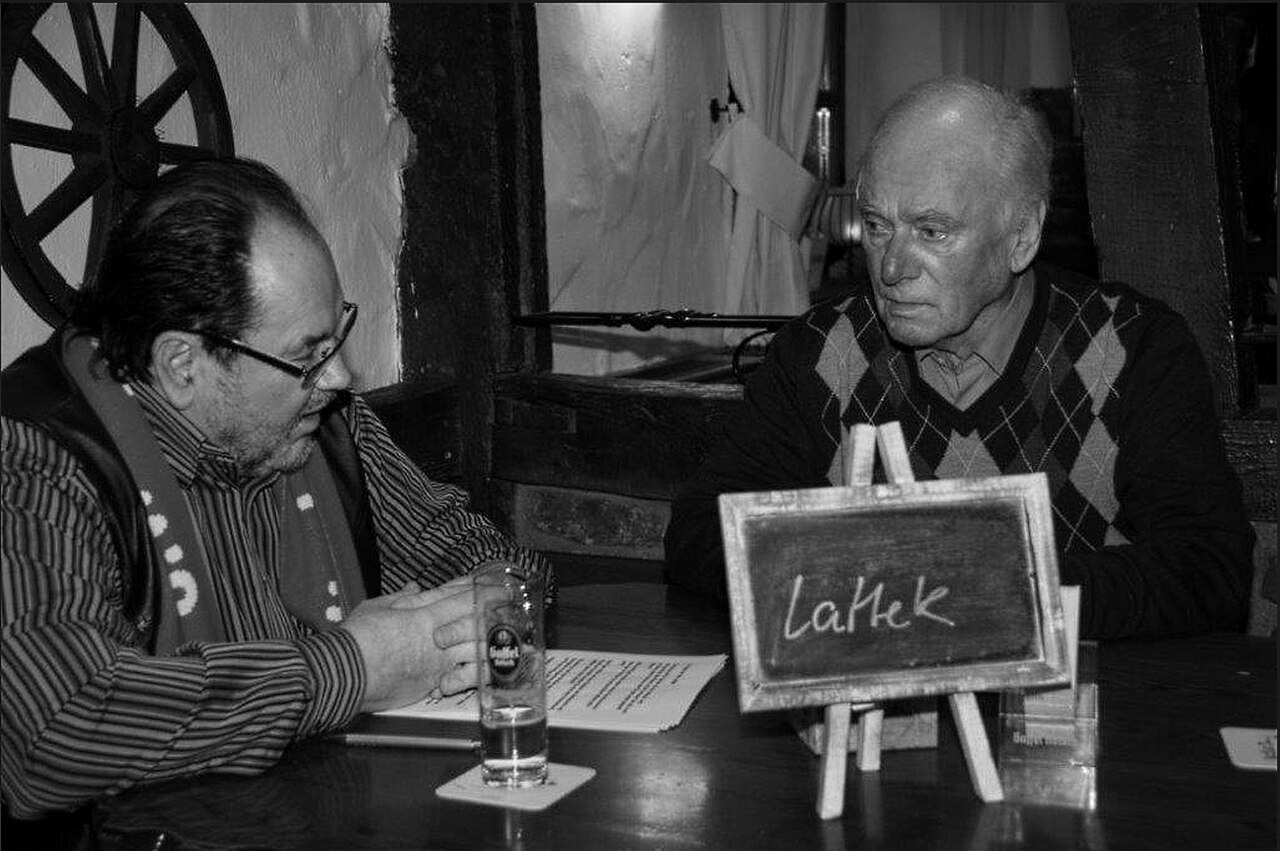
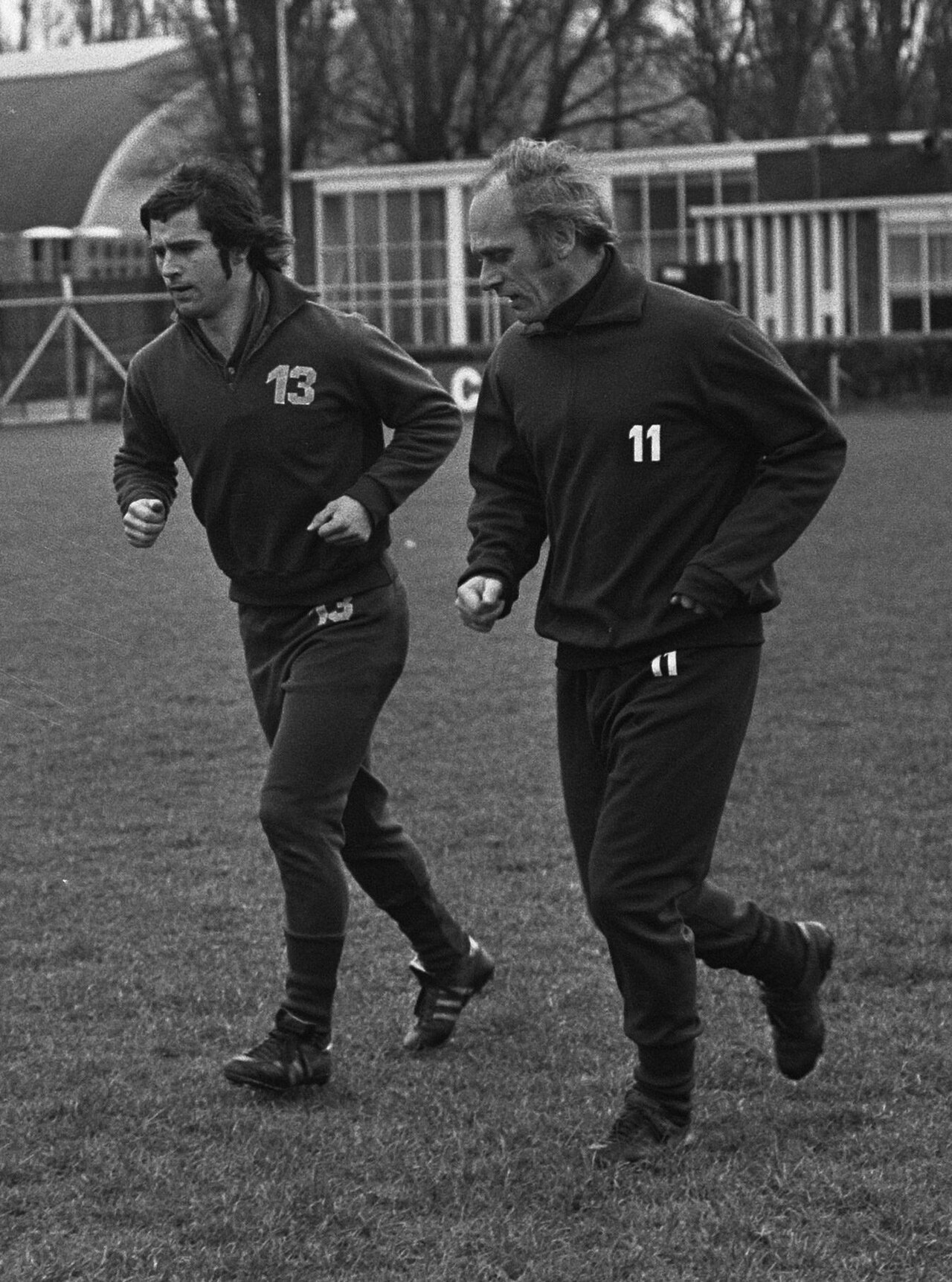
Udo Lattek (16 January 1935 – 31 January 2015) was a German professional football player and coach. Lattek is one of the most successful coaches in the history of the game, having won 15 major titles, most famously with Bayern Munich. He also won major trophies with Borussia Mönchengladbach and Barcelona. In addition to these clubs, his managerial career saw him coach Borussia Dortmund, Schalke 04 and 1. FC Köln before his retirement from the game. Alongside the Italian Giovanni Trapattoni and Portuguese José Mourinho, he is the only coach to have won all three major European club titles, and—along with Mourinho—the only one to do so with three clubs.
Quick Facts
- Role
- Player (forward/striker) and Manager
- Position
- Forward; striker
Lore & Background
Lattek was born in Bosemb, East Prussia, Germany (now Boże, Poland). While preparing for a career as a teacher, he played football with SSV Marienheide, Bayer Leverkusen and VfR Wipperfürth. In 1962, he joined VfL Osnabrück. He played primarily as a centre forward and became known for his heading ability.
He scored 34 goals in 70 league matches between 1962 and 1965. Early in 1965, he was prematurely released from his playing contract to join the German football association DFB as a youth team coach alongside Dettmar Cramer, one of the assistants to head coach Helmut Schön. In this role he was also part of the coaching staff which led Germany into the final of the 1966 World Cup. In March 1970, Lattek took over the reins of Bayern Munich as successor of Branko Zebec.
He led Bayern to three consecutive league titles, a first in German football history, as well as the German Cup. In 1974 they became the first German team to win the European Champions Cup. A poor start to the 1974–75 domestic season saw Lattek's tenure come to an end. At the beginning of the 1975–76 season, Lattek succeeded Hennes Weisweiler at Borussia Mönchengladbach, where he stayed until 1979.
This spell saw him win two more German titles, in addition to achieving further European success with victory in the 1979 UEFA Cup final. In 1977, the club reached the European Cup final against Liverpool, which they lost 3–1. At the end of that season, Lattek quit Mönchengladbach and spent two undistinguished years with Borussia Dortmund. In 1981, Lattek was appointed successor to Helenio Herrera at Spanish club Barcelona.
He led the club to the European Cup Winners' Cup in 1982. He is the only coach to lead three clubs to three different major European trophies. Lattek got his next managerial appointment from his former player Uli Hoeneß, who was by then in charge as commercial manager with his old side, Bayern Munich. In the next few years he won another league championship hat-trick with the club and two more national cups, the 'double' in 1986 being the fourth in German football history.
However Bayern lost the 1987 European Champions Cup final 2–1 to FC Porto. After the heady days at Bayern, Lattek retired for a few years. In 1991, he joined 1. FC Köln as Sporting Director and was head coach for one match.
Reader's Guide
Udo Lattek's managerial honours according to the source: Bayern Munich – Bundesliga: 1971–72, 1972–73, 1973–74, 1984–85, 1985–86; DFB-Pokal: 1970–71, 1983–84, 1985–86; European Cup: 1973–74. Borussia Mönchengladbach – Bundesliga: 1975–76, 1976–77; UEFA Cup: 1978–79; German Supercup: 1977. Barcelona – European Cup Winners' Cup: 1981–82. Individual – ESPN 19th-Greatest Manager of All Time: 2013; France Football 30th Greatest Manager of All Time: 2019; World Soccer 36th Greatest Manager of All Time: 2013.
Did You Know?
- He was recommended for his first coaching job at Bayern Munich by Franz Beckenbauer.
- Lattek's last match as a manager was a 3–0 away win against Hertha BSC in front of 75,000 spectators.
Gallery
More in Club History
Elsewhere in VfB Stuttgart
Spotted an error? Know more?
Reader corrections go straight into our review queue. Suggest an edit · How this site is sourced