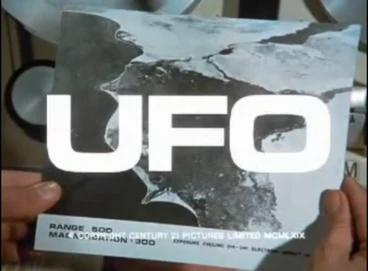
Project U.F.O.
A TV series based on the real Air Force UFO investigations.

NBC Television · Public domain
Project U.F.O. is an American television series that aired on NBC from 1978 to 1979, also remembered as Project Blue Book. Created by Jack Webb, it was loosely based on the real-life Project Blue Book and was Webb's last weekly series before his death.
Quick Facts
- Genre
- Anthology / Mystery
- Creator
- Jack Webb / Harold Jack Bloom
- Director
- Donald L. Gold / Robert Blees
- Starring
- William Jordan / Caskey Swaim / Edward Winter
- Narrator
- Jack Webb
- Composer
- Nelson Riddle
- Country
- United States
- Language
- English
- Num Seasons
- 2
- Num Episodes
- 26
- Executive Producer
- Gene Levitt / Jack Webb
- Producer
- Robert Blees / William Coleman
Facts from the source article.
Lore & Background
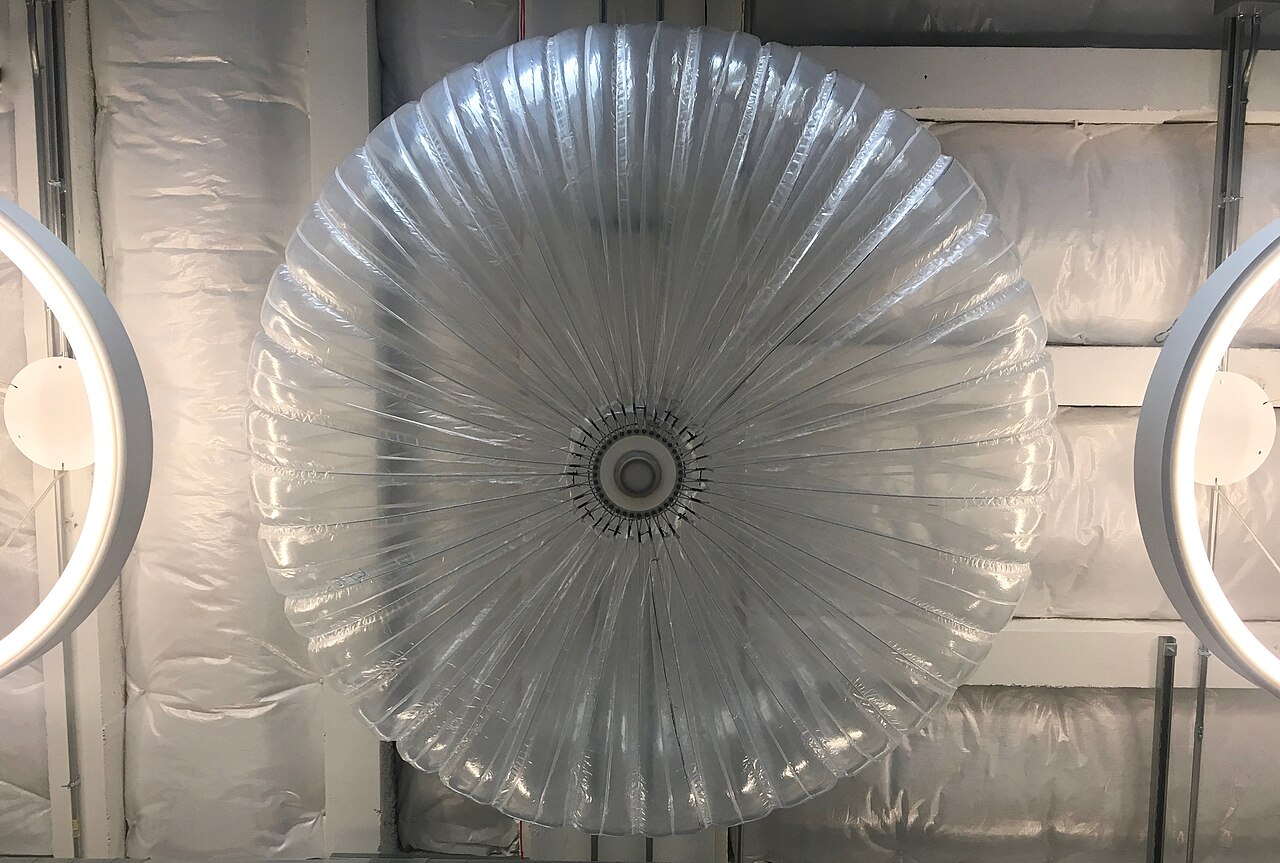
The opening credits of season one displayed flying saucer diagrams and played a minor-key version of 'Ezekiel Saw the Wheel,' with a voice-over by Webb. The narration erroneously stated the Air Force investigated UFOs for 22 years instead of 17. Miniatures for the UFOs were created by Brick Price Movie Miniatures, often assembled from off-the-shelf model kits. A disclaimer at the end of most episodes, over the Air Force seal, stated that after 22 years of investigations, the Air Force concluded no reported UFOs posed a national security threat.
Reader's Guide
Project U.F.O. holds significance as Jack Webb's final weekly series and a rare collaboration outside his usual partners Universal Television or Warner Bros. Television, being produced by Mark VII Limited with Worldvision Enterprises. The show's rights were uncertain as of August 2010, and it had limited airings after its original run, including on the UK's Sci-Fi channel, Australian TV1, and TVLand in the U.S. It also aired in Italy with dubbed narration, on Indian state television Doordarshan around 1985, and on the Arabian American Oil Company's channel 2 from 1979 to 1981. The series is remembered for its attempt to dramatize real UFO investigations, though its historical inaccuracies and brief run have left it a niche entry in television history.
Did You Know?
- The show was also known as Project Blue Book.
- Jack Webb pored through Air Force files for episode ideas.
Creation and Production Legacy
Born from Jack Webb's personal fascination with the Air Force's decades-long UFO investigation, Project U.F.O. stands as a deeply personal creative endeavor. Webb reportedly immersed himself in declassified Air Force documents, mining them for narrative material that would shape individual episodes. The series carried the weight of being his final weekly television production before his passing, lending it an almost elegiac quality among fans. Its production structure was also notable for breaking from Webb's established pattern. Throughout his career after departing Warner Bros. Television—where he had once served as president of the television division in the 1960s—Webb consistently partnered with Universal Television. Project U.F.O. marked a rare exception, instead being produced by Mark VII Limited in association with Worldvision Enterprises, a company that would later become CBS Television Distribution. This unusual arrangement, combined with Webb's hands-on creative control, gave the show a distinct authorial voice that set it apart from the typical network procedural of the late 1970s.
Cast and Character Dynamics
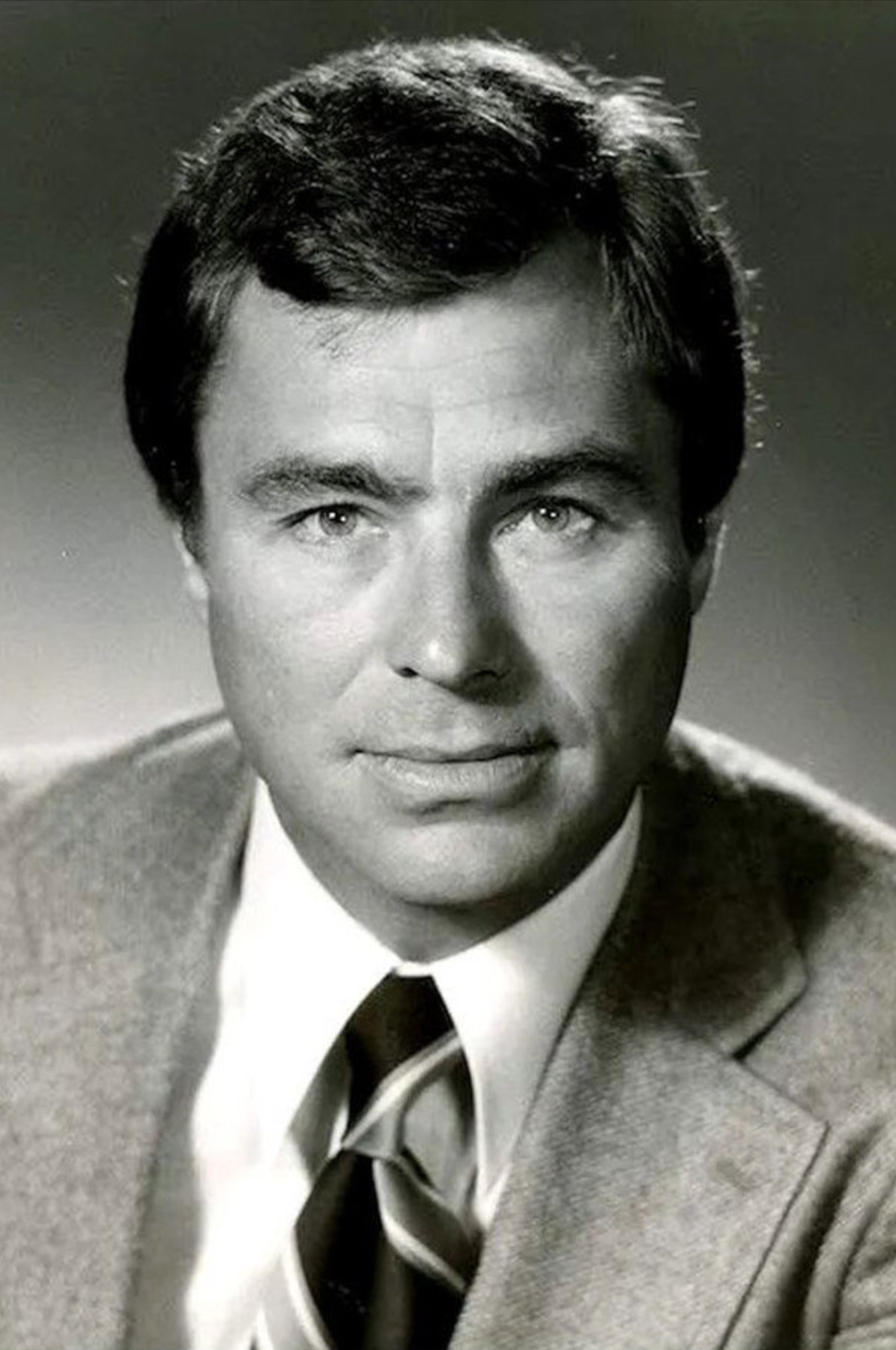
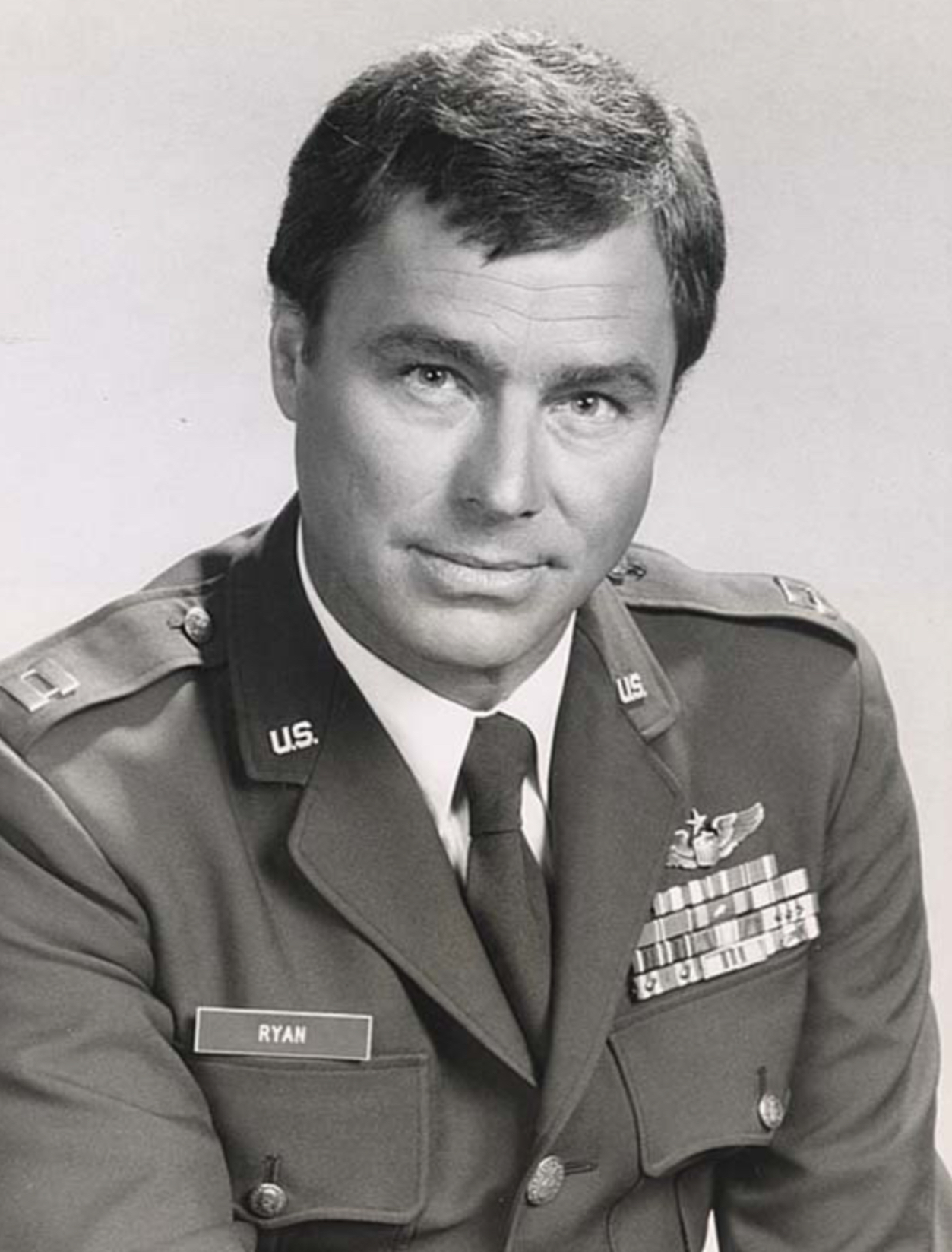
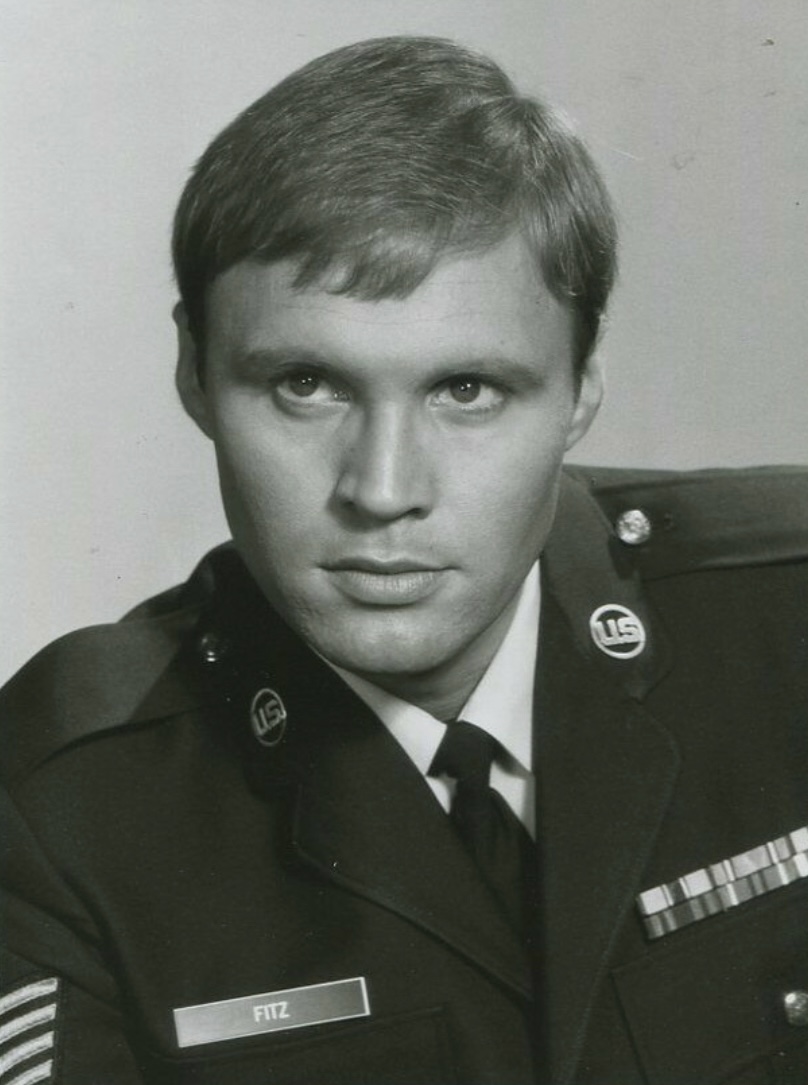
The series centered on two U.S. Air Force investigators stationed at Wright-Patterson Air Force Base within the Foreign Technology Division, tasked with examining UFO sightings. Season one paired William Jordan, who played Major Jake Gatlin, with Caskey Swaim as Staff Sergeant Harry Fitz. Swaim's casting was particularly remarkable: he had essentially no prior acting credits when he landed the role, bringing an authentic Southern cadence and a sense of grounded humanity to the ensemble. The pilot episode established the team's investigative philosophy in a memorable exchange—Gatlin explained to the newly assigned Fitz that, because one cannot prove a negative, their mission was to treat every reported sighting as genuine and then systematically eliminate conventional explanations. Gatlin also revealed a personal connection to the mystery, confessing that he had witnessed something unexplainable during his own days as an Air Force pilot. In season two, Edward Winter stepped into the lead as Captain Ben Ryan, reshaping the dynamic for the final thirteen episodes.
Opening Credits and Production Craft
The season one cold open remains one of the most distinctive title sequences in 1970s television. Against a backdrop of technical diagrams and schematics of disc-shaped craft, a somber, minor-key rendition of "Ezekiel Saw the Wheel" set a tone of quiet awe. Jack Webb himself delivered the voice-over, drawing a parallel between the biblical prophet's vision and modern-day sightings, framing the Air Force inquiry as a two-decade quest for truth. Interestingly, the narration stated the investigation spanned twenty years, though the actual Project Blue Book ran from 1952 to 1969—seventeen years. Visually, the show leaned heavily on physical miniatures crafted by Brick Price Movie Miniatures, a shop that would later rebrand as Wonderworks. These models, often assembled from commercially available model kits, gave the craft a tangible, hand-built quality that distinguished the series from purely animated or optical-effect productions. Closing out most episodes, a disclaimer appeared over the official Department of the Air Force seal, noting that after twenty-two years of investigation, no reported object had posed a national security threat.
Broadcast History and International Reach
Despite its cult following, Project U.F.O. experienced a long and complicated post-broadcast life. Beyond its original NBC run, the series found audiences on the United Kingdom's Sci-Fi channel and Australia's TV1 cable network in the early 1990s, while TVLand in the United States featured a single episode within its "Ultimate TV Fan" programming block. By August 2010, the show had not been broadcast on any major network since its initial airing. Ownership of the series remained murky; Mark VII Limited retained creative control and originally held the copyright, yet the rights' status was described as uncertain. The show did travel internationally in other ways. In Italy, the first season reached viewers through regional syndication deals—Tuscany's Video Firenze being one example—with Tony Fusaro providing the Italian dub of the opening narration. Around 1985, India's state-run Doordarshan network aired the series, and the Arabian American oil company, known as Aramco, broadcast episodes weekly on its Channel 2 station between 1979 and 1981.
Gallery
Frequently Asked Questions
What is Project U.F.O.?
Project U.F.O. is a two-season American television drama that aired on NBC between 1978 and 1979, totaling 26 episodes. The series centers on a team investigating unexplained aerial sightings and is sometimes referred to by fans as Project Blue Book.
Who created Project U.F.O.?
Jack Webb created the series, and it served as his final weekly television show before his death in 1982.
What real-world program inspired Project U.F.O.?
The show draws its premise from the United States Air Force's Project Blue Book, the government's long-running effort to study and dismiss UFO reports. The series takes that concept and dramatizes it as a fictional investigation unit.
How many seasons and episodes did Project U.F.O. have?
The series ran for two seasons on NBC, producing a total of 26 episodes across its 1978–1979 broadcast.
Why is Project U.F.O. significant in television history?
Beyond being one of the earliest TV shows to dramatize a government UFO investigation program, it holds personal significance as Jack Webb's last weekly series before his passing. It remains a cult favorite among fans of 1970s sci-fi and mystery programming.
More in UFO-related television 1-24
Spotted an error? Know more?
Reader corrections go straight into our review queue. Suggest an edit · How this site is sourced