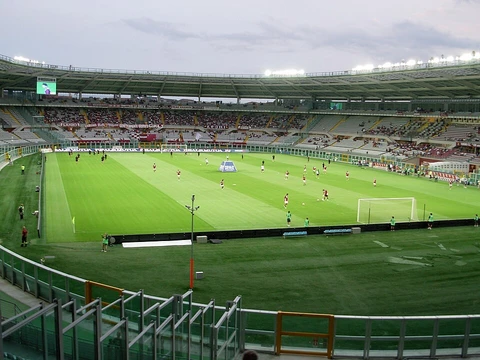
Derby della Mole (Torino vs Juventus)
The oldest ongoing city derby in Italian football, steeped in class rivalry and local pride.

Unknown author · Public domain
The Derby della Mole is the local derby played out between Turin's most prominent football clubs, Juventus and Torino. It is also known as the Derby di Torino or the Turin Derby in English. It is named after the Mole Antonelliana, a major landmark in the city and the architectural symbol of the Piedmontese capital. It is the oldest ongoing meeting between two teams based in the same city in Italian football.
Quick Facts
- Named after
- Mole Antonelliana, originally a synagogue and later completed as a monument to Italian unification
- Torino founded
- 1906
- Torino nickname
- I Granata (The Grenadiers); Il Toro (The Bull)
- Juventus nickname
- I Bianconeri (The Black-and-Whites); La Vecchia Signora (The Old Lady)
- Torino's scudetti era
- Six official league titles across multiple decades: 1942–43, 1945–46, 1946–47, 1947–48, 1948–49, and 1975–76
- Torino home ground
- Stadio Olimpico Grande Torino
Lore & Background
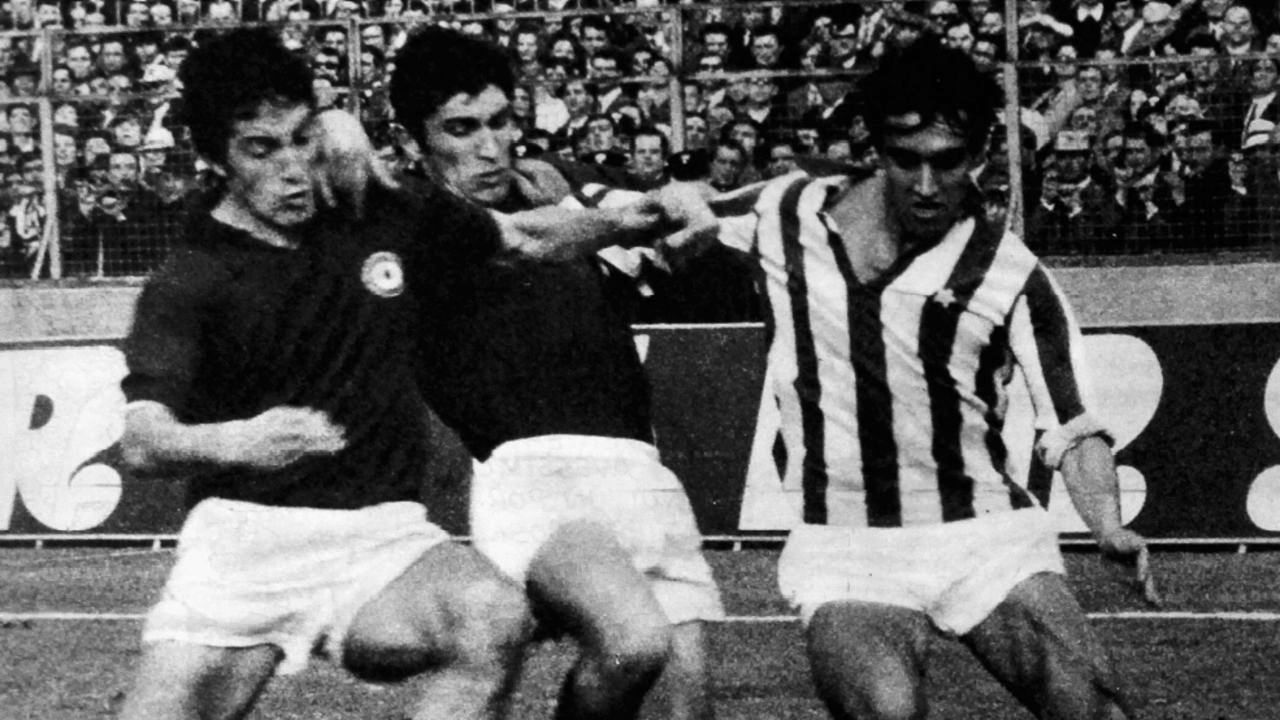
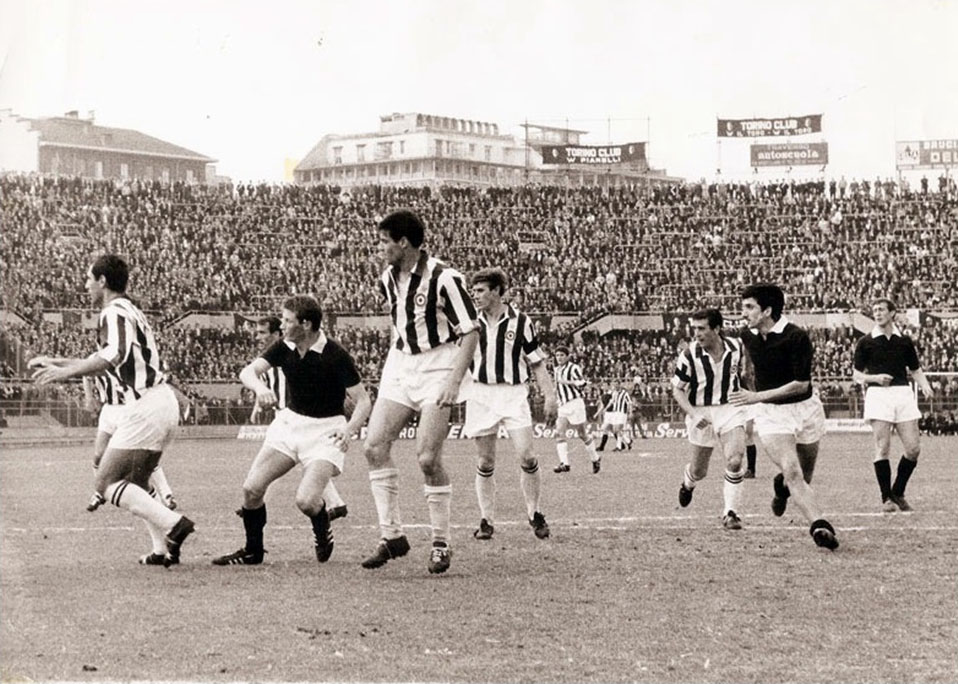
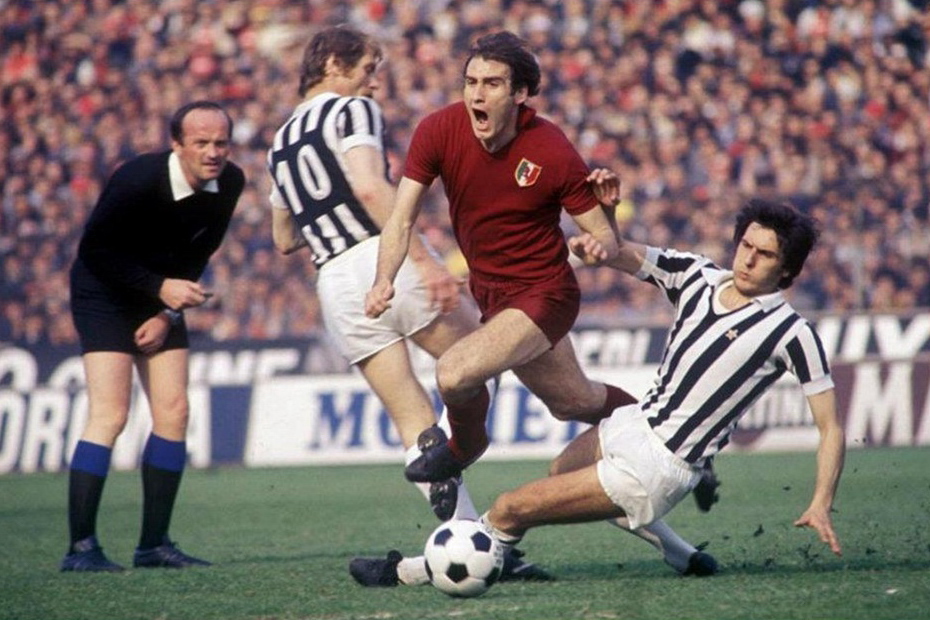
The match between the two clubs represented until the First World War the juxtaposition of two opposing social classes. Juventus, founded in 1897 by students of a prestigious high school in Turin, soon became akin to the bourgeois in the town especially after enduring bond with the Agnelli family, which began in 1923, during which time they were also supported by the aristocracy of the region. Torino instead was born in 1906 from a division within Juventus, at the hands of dissidents who joined forces with another team from the city, Football Club Torinese, who identified with the then-early industrial world. In the 1960s and 1970s, these differences had eased considerably, partly as a result of the great migration to Turin about forty years earlier, but did not disappear: Juventus has since transcended its status as the symbol of the bourgeois and elite class to become a global phenomenon while Torino still largely retains an exclusively local fanbase. The colours of the two teams also contribute, in small part, to this distinction: the Bianconeri, originally pink and black, adopted their jerseys from Notts County all the way from England, while the Granata dusted off the colours of the 'Brigade Savoia', that two centuries earlier had liberated the then capital of the Duchy of Savoy. Both clubs, however, featured within their emblems a raging bull, taken from the city's coat of arms: Juventus as a bond with their origins, while Torino adopted it as their identity. It was the case until 2017 when Juventus introduced a J-shaped logo and featured the bull no longer.
Reader's Guide
The Turin derby was first played on 13 January 1907. It was also the first competitive match of Torino after its founding on 3 December 1906. The rivalry stems from the fact that Torino was founded through a merger of Football Club Torinese and a group of Juventus dissidents, led by major financier Alfred Dick. It is said that prior to the first derby, Dick was locked inside the changing room, causing him to miss the game and having to listen to updates via players and staff. Since then, the derby has not been played in Serie A thirteen times: twelve due to Torino being in Serie B, and once after Juventus were relegated following the 2006 Italian football scandal. As of 28 February 2023, Juventus have won the derby 110 times and Torino have won it 73 times.
Roots in Class and Rivalry
The Turin derby was never merely a football fixture; it was a living expression of social tension in Piedmont. Juventus, established in 1897 by students of a prestigious local high school, quickly aligned itself with the city's upper echelons — a connection cemented when the Agnelli family took a bond in the club in 1923, during which era the team also enjoyed backing from regional aristocracy. Torino, by contrast, was born in 1906 from a schism within Juventus itself. A group of dissidents, led by financier Alfred Dick, broke away and merged with Football Club Torinese, a side that identified with the emerging industrial working class. For decades before and after World War II, the derby played out this divide on the pitch: the Bianconeri as the bourgeois emblem, the Granata as the voice of the proletariat. The great post-war migration to Turin's factories — many southern Italian workers taking jobs at FIAT under the Agnelli umbrella — gradually blurred these lines, with some arriving fans adopting Juventus as the team of the boss. Yet the distinction endures in spirit: Juventus has grown into a worldwide institution, while Torino remains, to a remarkable degree, a club of its own city.
A Pendulum of Dominance
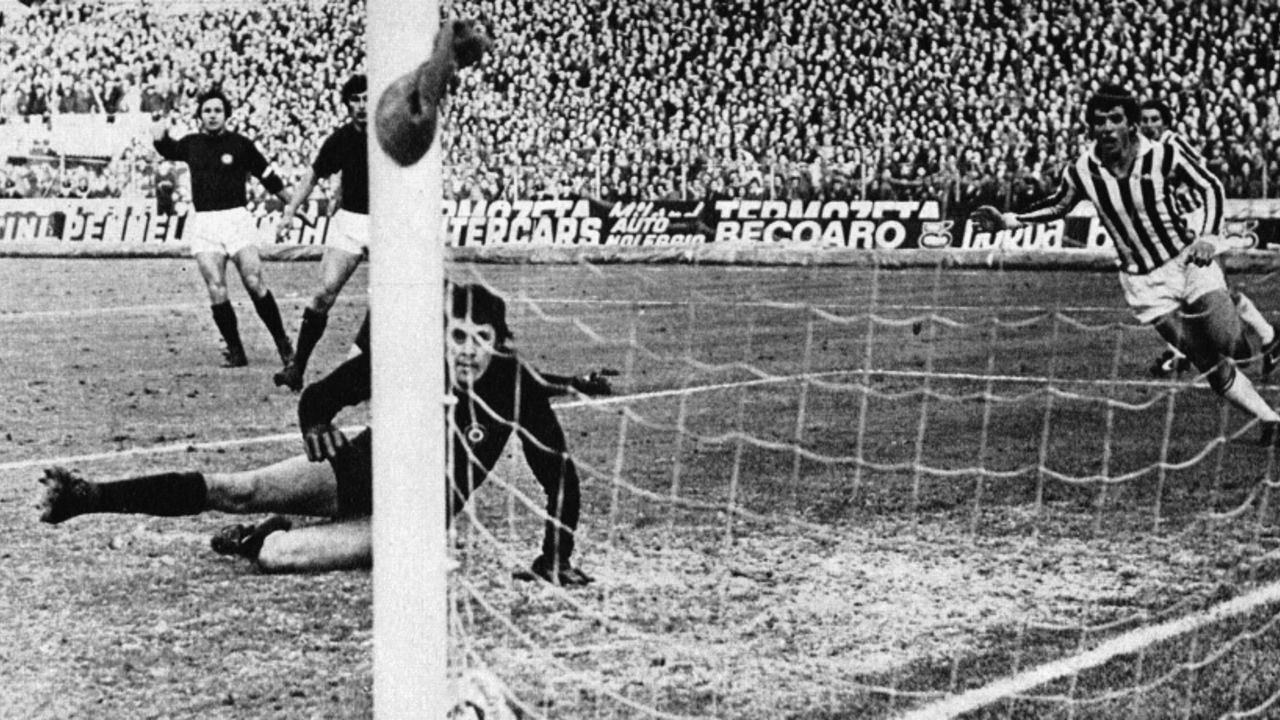
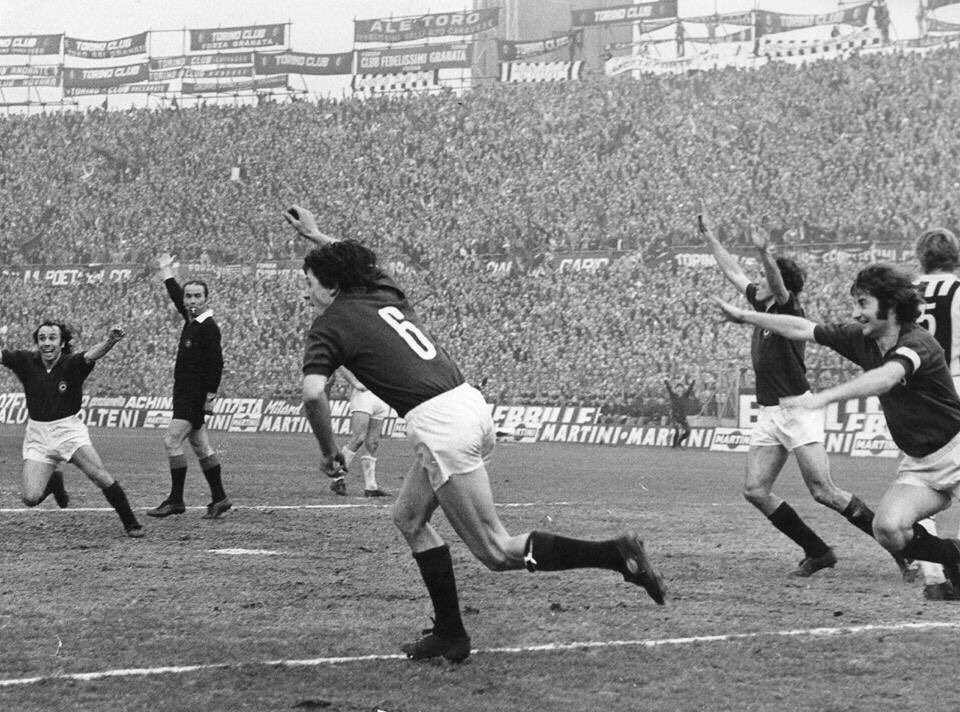
No other rivalry in Italian football has swung so dramatically between its two protagonists. In the earliest years, Torino held the upper hand: between 1912 and 1914, the Granata outscored Juventus 23 to nothing across just three meetings, including a 0–8 thrashing on 17 November 1912 that remains Juventus's heaviest defeat ever. The late 1920s saw the pendulum swing back after the Agnelli takeover, with Torino managing only three victories in twenty encounters. The 1940s brought the legendary Grande Torino, led by Valentino Mazzola, who reasserted the reds' supremacy before the Superga disaster of 1949 shattered the squad. The 1950s then favoured Juventus, culminating in a 6–0 demolition on 20 April 1952. Torino's great revival came in the 1970s, when Juventus went nearly six years without a derby win from December 1973 to March 1979 and the Granata posted a record four consecutive league derby victories in 1975–76. The 1990s saw Juventus exact revenge with a 5–0 rout in December 1995, and modern history has been overwhelmingly Bianconeri — so much so that Torino's 2–1 win on 26 April 2015 marked their first derby triumph in two decades. As of February 2023, the all-time tally reads 110 to 73 in Juventus's favour.
Colours, Bulls, and the Mole
The derby takes its name from the Mole Antonelliana, the soaring architectural landmark that has served as the visual emblem of Turin's identity for generations, and it holds the distinction of being the oldest continuously contested same-city fixture in Italian football. The visual identity of the two sides tells its own story. Juventus, the Bianconeri, originally wore pink and black before adopting the black-and-white stripes they borrowed from Notts County, a club all the way from England. Torino, the Granata, drew their deep red from the Brigade Savoia, the military unit that two centuries earlier liberated the capital of the Duchy of Savoy. For most of their shared history, both clubs carried a raging bull in their emblems — a figure lifted straight from the city's coat of arms. Juventus kept it as a nod to their roots; Torino embraced it as a core part of their identity. That shared symbol lasted until 2017, when Juventus unveiled a sleek J-shaped crest and retired the bull entirely, leaving the Granata as the sole bearers of Turin's most iconic animal in the football world.
Moments That Defined the Rivalry
The derby's history is punctuated by episodes of extraordinary drama and, occasionally, ugliness. The very first meeting on 13 January 1907 — which doubled as Torino's inaugural competitive match after their 1906 founding — was overshadowed by a bizarre incident: financier Alfred Dick, the driving force behind Torino's creation, was reportedly locked inside the changing room and had to listen to the match's progress through players and staff. In 1967, after Torino thrashed Juventus 4–0, enraged Bianconeri supporters vandalized the grave of former Torino player Gigi Meroni, an act that cast a long shadow over the rivalry. On 27 March 1983, Torino, trailing 0–2, erupted in the 75th minute to score three goals in just over three minutes and snatch a 3–2 victory. Perhaps the most talked-about modern encounter came on 14 October 2001, when Torino, down 3–0 at halftime, staged a stunning equalizer to finish 3–3 — a result sealed by Juventus's Marcelo Salas missing a penalty that would have made it 4–3. Torino midfielder Riccardo Maspero famously grooved a hole in the penalty spot before Salas stepped up, a gesture that became an enduring symbol of the Granata's defiance.
Gallery
Frequently Asked Questions
What is the Derby della Mole?
It is the name given to every competitive or friendly meeting between Torino FC and Juventus FC, the two major football clubs based in Turin. The fixture is among the longest-running and most emotionally intense local rivalries in all of Italian football.
Why is the Torino-Juventus rivalry called the Derby della Mole?
The name comes from the Mole Antonelliana, the towering spire that dominates Turin's skyline and is visible from both clubs' neighborhoods. It captures the idea that one single city, defined by that landmark, produces two fiercely opposed teams.
Did Torino ever dominate Juventus in the Derby della Mole?
Absolutely — during the late 1940s and into the 1950s, Torino won seven Serie A titles (1942, 1943, 1946, 1947, 1948, 1949, 1950), a run that made them the clear force in the city during that stretch. For Granata supporters, that golden decade remains the ultimate proof that the bull could outclass the Old Lady on their own turf.
Why do Torino fans say the derby is more than just a match?
For the supporters of I Granata, beating Juventus in the Derby della Mole is the sharpest rebuttal to the notion that Turin belongs to a single club. It is a living, recurring reminder that the city carries two identities, two colors, and two histories, and that the granata flame still burns beneath the shadow of the Bianconeri.
More in Great Rivalries
Elsewhere in Torino FC
Spotted an error? Know more?
Reader corrections go straight into our review queue. Suggest an edit · How this site is sourced