Mario Rigamonti
Mario Rigamonti (1946–1970), Italian defender. He walked into Torino FC in the late 1960s and started playing the kind of all-out, no-holds-back defending that made every Granata in the stands feel like the ball had been aimed at them personally. Weeks after he helped Torino lift the Coppa Italia, a car accident killed him in 1970. From that moment his name stopped being a strip on the back of a shirt and became the one Torinese fans say when they want to remember what this club is actually supposed to feel like.
Lore & Background
Rigamonti came to Torino in the mid-to-late 1960s and quickly distinguished himself not through technical flair but through sheer, almost reckless commitment. He tracked every ball, challenged every opponent, and played as though every single match were his last. In a squad that included several technically gifted players, Rigamonti was the engine, the one who bled for the badge in the most literal sense. Torinese fans, still carrying the shadow of Superga, recognised in him the kind of total devotion they had lost in 1949 and had been searching for ever since.
His 1969–70 season remains the high point of his career: Torino, under the guidance of their coaching staff, navigated the Coppa Italia with a blend of discipline and heart, and Rigamonti was a constant presence in the defensive line. The final, and the lifting of the trophy, was a moment of collective catharsis for the club and its city. Weeks later, a car accident on the road took his life at barely twenty-four. The grief in Turin was immediate and total; the club, the city, and the footballing world lost a young man whose career had only just begun to reach its full potential.
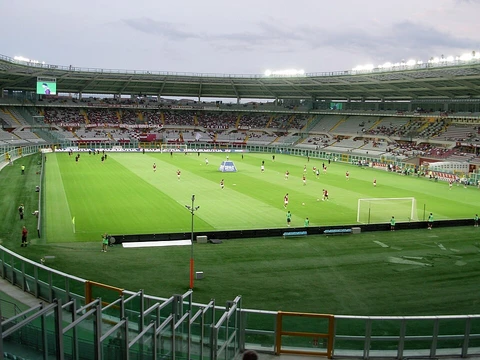
To this day, Rigamonti's name is spoken in the Stadio Olimpico Grande Torino with a particular reverence. He is not merely a name in a squad list; he is a symbol of what Torino means at its most pure: a player who gave everything, who asked for nothing, and who was taken before the world could fully appreciate what he had to offer.
Reader's Guide
The mid-1960s saw Torino rebuilding its identity in the long shadow of Superga. Rigamonti's arrival brought a new kind of energy to the defensive line: less about elegant positioning, more about the willingness to run until your legs gave out. Key figures in that rebuilding era included the coaching staff who demanded total commitment and the veteran defenders who mentored the younger players. What this period shaped was a club culture that valued heart over polish, a value that still defines how Torino is perceived.
The 1969–70 Coppa Italia campaign was the culmination. Rigamonti, alongside his teammates, carried the weight of a city that had not tasted major silverware in years. The tournament was won with a combination of gritty defending and moments of inspired attacking, and Rigamonti's name in the starting lineup was a quiet guarantee that no opponent would get a free pass. The key figures were the captain who led from the front, the goalkeeper who made the crucial saves, and Rigamonti himself, the anchor. The trophy was not just a cup; it was proof that Torino could still compete, still win, still exist as a force.
Then came the accident. May 1970. The club, the city, and the footballing world were left to reckon with a loss that felt personal. Rigamonti's name became inseparable from Torino's story in the way that only a few names can be. He is not remembered for a number of appearances or a statistical line; he is remembered for what he represented. Going forward, every Torinese player who laces his boots carries, in some small way, the expectation that Rigamonti set: give everything, ask for nothing, and play as though the badge is the most important thing in the world.
Did You Know?
- He died in a road traffic accident in 1970 at the age of just 23 or 24, cutting short a career that was only beginning to reach its full potential.
- His playing style was defined less by technical refinement and more by an almost superhuman willingness to run, tackle, and throw his body into every challenge, a trait that made him a fan favourite in Turin.
- His death struck the club and the city of Turin with particular force, as it echoed the grief of 1949 and reinforced the idea that Torino's identity is inseparable from the players who gave their all for the badge.
More in Club History
Elsewhere in Torino FC
Spotted an error? Know more?
Reader corrections go straight into our review queue. Suggest an edit · How this site is sourced