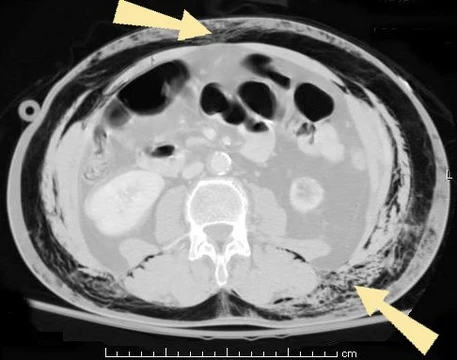
Hyperesthesia
Abnormal increase in sensitivity to sensory stimuli.

Hyperesthesia describes a condition where the senses become abnormally heightened. This can affect hearing, taste, touch, or other sensory inputs. When the heightened sensitivity specifically involves touch, it is known as tactile hyperesthesia; when it involves sound, it is called auditory hyperesthesia. Within pain medicine, the term can also indicate a state where both allodynia and hyperalgesia are present.
In psychology, Jeanne Siaud-Facchin applies the term to gifted individuals, defining it as an "exacerbation des sens." For them, sensory information reaches the brain faster than average and is processed in a significantly shorter time.
The condition also appears in other animals. Feline hyperesthesia syndrome, though uncommon, is recognized in cats—especially Siamese, Burmese, Himalayan, and Abyssinian breeds. It can occur at any age but is most common in mature cats. Detection is tricky because the abnormal behavior comes in brief bursts, usually lasting only a minute or two. One of its symptoms also appears in dogs with canine distemper disease (CD), which is caused by the canine distemper virus (CDV).
Quick Facts
- Speciality
- Neurology, psychiatry
Facts from the source article.
Lore & Background
In psychology, Jeanne Siaud-Facchin defines hyperesthesia as an 'exacerbation des sens' that characterizes gifted individuals, where sensory information reaches the brain much faster than average and is processed in a significantly shorter time. In veterinary medicine, feline hyperesthesia syndrome is an uncommon but recognized condition in cats, particularly Siamese, Burmese, Himalayan, and Abyssinian cats. It can affect cats of all ages, though it is most prevalent during maturity, and detection can be difficult as it is characterized by brief bursts of abnormal behavior lasting around a minute or two. One of its symptoms is also found in dogs that have canine distemper disease caused by canine distemper virus.
Reader's Guide
Hyperesthesia is notable for its broad application across human psychology and veterinary medicine. In humans, the psychological perspective offered by Jeanne Siaud-Facchin links hyperesthesia to giftedness, describing it as an exacerbation of the senses that leads to faster sensory processing. In pain medicine, the term encompasses both allodynia and hyperalgesia, indicating a heightened pain response. In animals, feline hyperesthesia syndrome is recognized in specific cat breeds and can be challenging to diagnose due to its brief, episodic nature. The condition also shares a symptom with canine distemper disease, suggesting a possible neurological link across species. The inclusion of related terms such as auditory processing disorder, hyperacusis, and sensory processing disorder in the see-also list underscores its relevance to broader sensory and neurological conditions.
Did You Know?
- Hyperesthesia can refer to increased touch sensitivity (tactile hyperesthesia) or increased sound sensitivity (auditory hyperesthesia).
- In pain contexts, hyperesthesia involves both allodynia and hyperalgesia.
- Feline hyperesthesia syndrome is most prevalent in mature cats, particularly Siamese, Burmese, Himalayan, and Abyssinian breeds.
- One symptom of feline hyperesthesia syndrome is also found in dogs with canine distemper disease.
Sensory Scope and Classification
Hyperesthesia describes a state in which the nervous system registers sensory input at an abnormally heightened level. Rather than affecting a single channel, the condition can amplify any of the senses: the sharpness of a sound, the intensity of a flavor on the tongue, or the roughness of a fabric against the skin. Because the phenomenon spans multiple modalities, clinicians have developed specific labels for each domain. When the heightened response is directed at physical contact, the term used is tactile hyperesthesia; when it is directed at acoustic input, the appropriate label is auditory hyperesthesia. This taxonomy helps practitioners isolate which sensory pathway is overreacting and tailor interventions accordingly. Importantly, the condition is not limited to these two well-known categories—the original description acknowledges a broader range of stimuli, implying that additional sensory channels may also fall under the umbrella. Understanding this breadth is essential for anyone diagnosing or managing the condition, since a patient may present with a combination of amplified senses rather than a single isolated one.
The Pain Dimension
When hyperesthesia enters the clinical vocabulary of pain medicine, it acquires a more precise and narrower meaning. In this context, the term does not simply denote general sensory amplification; it specifically describes a state in which an individual experiences heightened sensitivity that encompasses two distinct phenomena simultaneously. The first is allodynia, in which stimuli that would normally be perceived as harmless or mildly irritating are instead registered as painful. The second is hyperalgesia, in which stimuli that are already painful produce an exaggerated, intensified pain response. A person exhibiting hyperaesthesia in the pain sense therefore suffers from both conditions at once: the threshold for feeling pain drops, and the magnitude of pain felt increases. This dual-component definition is clinically significant because it signals a more complex neurological dysregulation than either allodynia or hyperalgesia alone. Recognizing the combined presentation guides treatment toward addressing the underlying sensitization rather than treating each symptom in isolation, and it helps differentiate this state from simple sensory overload or from the broader, multi-sensory form of hyperesthesia described in other contexts.
The Gifted-Mind Perspective
Beyond its clinical and neurological applications, the concept of hyperesthesia has found a distinctive place in psychology, particularly in the work of Jeanne Siaud-Facchin. She employs the term to describe what she calls an exacerbation des sens, a sharpening or intensification of the senses that she links specifically to gifted individuals. In her framework, the defining feature is not merely that these people feel more, but that the speed of their sensory processing is markedly different from the population average. Sensory information, in her account, arrives at the brain of a gifted person considerably faster than it does for most others, and once it arrives, the brain processes that information in a significantly shorter window of time. This compressed timeline means that a gifted individual may experience a flood of sensory data before the surrounding environment has even registered it, creating a persistent sense of being ahead of, or overwhelmed by, the flow of stimuli. Siaud-Facchin's usage thus reframes hyperesthesia from a purely pathological or medical condition into a characteristic of cognitive and perceptual architecture, one that carries both extraordinary perceptual gifts and a corresponding vulnerability to sensory overload.
Feline Hyperesthesia Syndrome
The phenomenon of heightened sensory reactivity is not exclusive to humans; a recognized but uncommon condition in domestic cats mirrors many of the same principles. Feline hyperesthesia syndrome affects cats of every age group, though it tends to surface most frequently during the mature years of a cat's life. Certain breeds appear particularly susceptible: Siamese, Burmese, Himalayan, and Abyssinian cats are all noted as being at greater risk. Diagnosing the condition presents a genuine challenge for veterinarians because the episodes are brief, typically lasting only about a minute or two, and manifest as sudden bursts of abnormal behavior rather than as a persistent, observable state. A cat may appear completely normal between episodes, making it easy for an owner to dismiss the behavior or for a clinician to miss it during a routine examination. Interestingly, one of the behavioral symptoms associated with feline hyperesthesia overlaps with a sign seen in dogs suffering from canine distemper, a serious viral illness caused by the canine distemper virus. This cross-species symptom overlap adds a layer of diagnostic complexity, as the same outward behavior can point to very different underlying causes depending on the animal and its medical history.
Frequently Asked Questions
What is Hyperesthesia in the context of skin and subcutaneous tissue symptoms?
Hyperesthesia refers to an abnormal increase in sensitivity to sensory stimuli, which can involve touch, hearing, taste, or other inputs. When the heightened response is specific to touch it is termed tactile hyperesthesia, and when it involves sound it is called auditory hyperesthesia.
Which cat breeds are most commonly linked to Hyperesthesia?
Siamese, Burmese, Himalayan, and Abyssinian cats are the breeds most frequently affected. The condition tends to be most prevalent during the animal's maturity phase.
How long do Hyperesthesia behavior bursts typically last in affected cats?
Episodes of heightened sensory reactivity in these cats generally last around a minute or two before the animal settles back to a calmer baseline.
Is there a comparable or related condition in dogs?
Yes—canine distemper disease (CD), caused by the canine distemper virus (CDV), is identified as a related condition in the canine species.
What does Hyperesthesia signify in pain medicine?
Within pain medicine, the term can describe a state in which both allodynia and hyperalgesia are present simultaneously, meaning the patient experiences pain from normally non-painful stimuli alongside an exaggerated response to painful ones.
More in Symptoms and Signs: Skin and Subcutaneous Tissue 1-16
Spotted an error? Know more?
Reader corrections go straight into our review queue. Suggest an edit · How this site is sourced