
Defecation
Biological process of eliminating feces from the digestive tract.
Last updated

Rama · CC BY-SA 2.0 fr
Defecation (or defaecation) is the biological process by which organisms eliminate solid, semisolid, or liquid waste material known as feces from the digestive tract via the anus or cloaca. It follows digestion and is necessary for life. The act has a variety of names, ranging from technical to obscene to euphemistic, and forms the basis of scatological humor.
Quick Facts
- Process
- Elimination of feces
- Frequency
- From a few times daily to a few times weekly
- Control
- Voluntary in adults; involuntary in infants
- Associated conditions
- Diarrhea
- constipation
- inflammatory bowel diseases
- irritable bowel syndrome
Facts from the source article.
Lore & Background
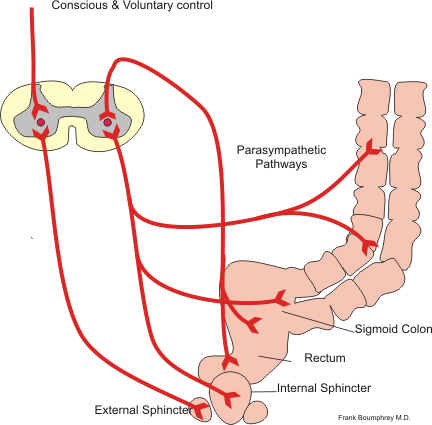
Defecation involves peristaltic waves moving fecal matter through the colon to the rectum. The rectum ampulla stores waste; stretch receptors trigger the urge to defecate.
The internal anal sphincter is involuntary, while the external sphincter is under voluntary control in adults. Infants defecate by reflex. If the urge is ignored, reverse peristalsis returns feces to the colon for further water absorption.
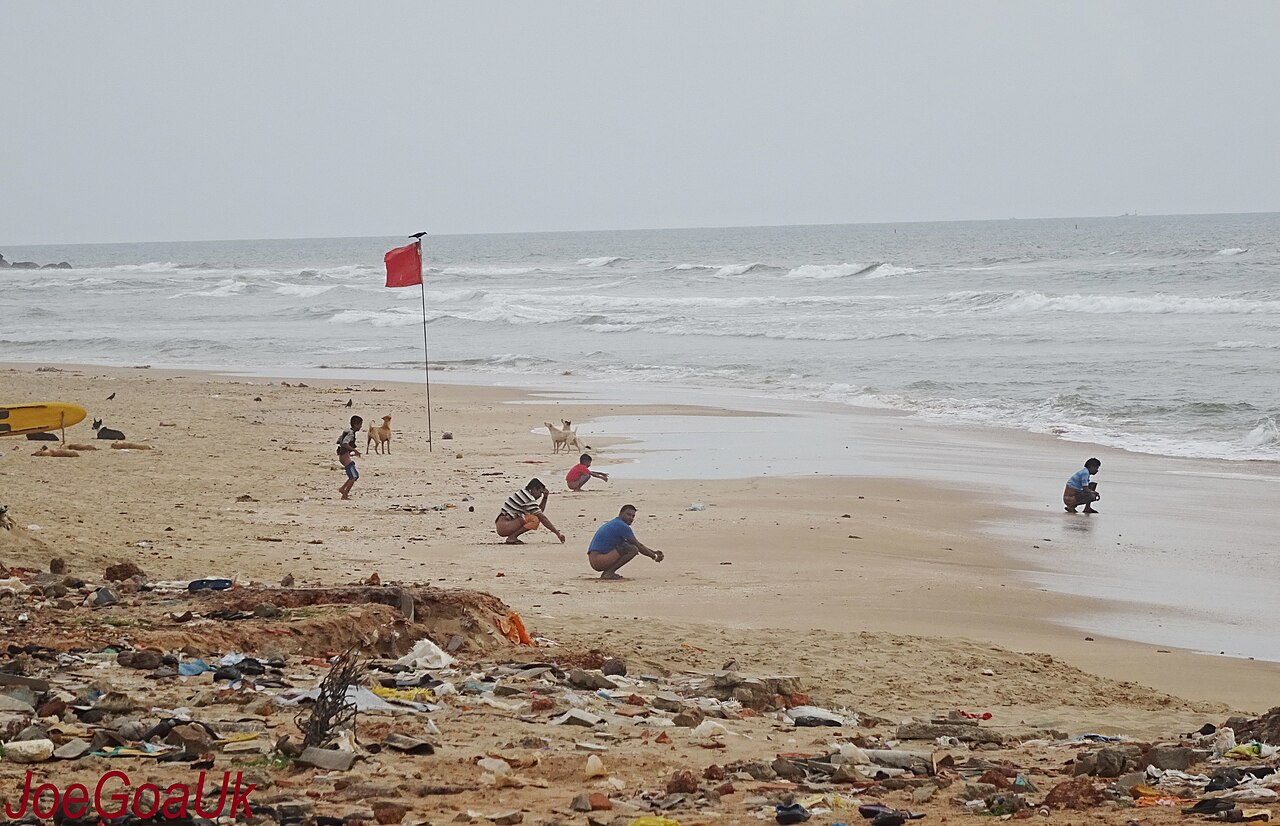
Medical conditions associated with defecation include diarrhea and constipation, which can be serious. Inflammatory bowel diseases such as Crohn's disease and ulcerative colitis cause chronic inflammation, with symptoms like abdominal pain, diarrhea, and fatigue. Irritable bowel syndrome is also noted. Open defecation remains widespread in some developing countries, while developed nations use sewage treatment.
Reader's Guide
Defecation is a fundamental biological process with significant implications for health, hygiene, and culture. The frequency of bowel movements varies widely among individuals, influenced by diet, environment, and genetics. Disorders such as constipation and diarrhea can affect quality of life, while inflammatory bowel diseases require medical management.
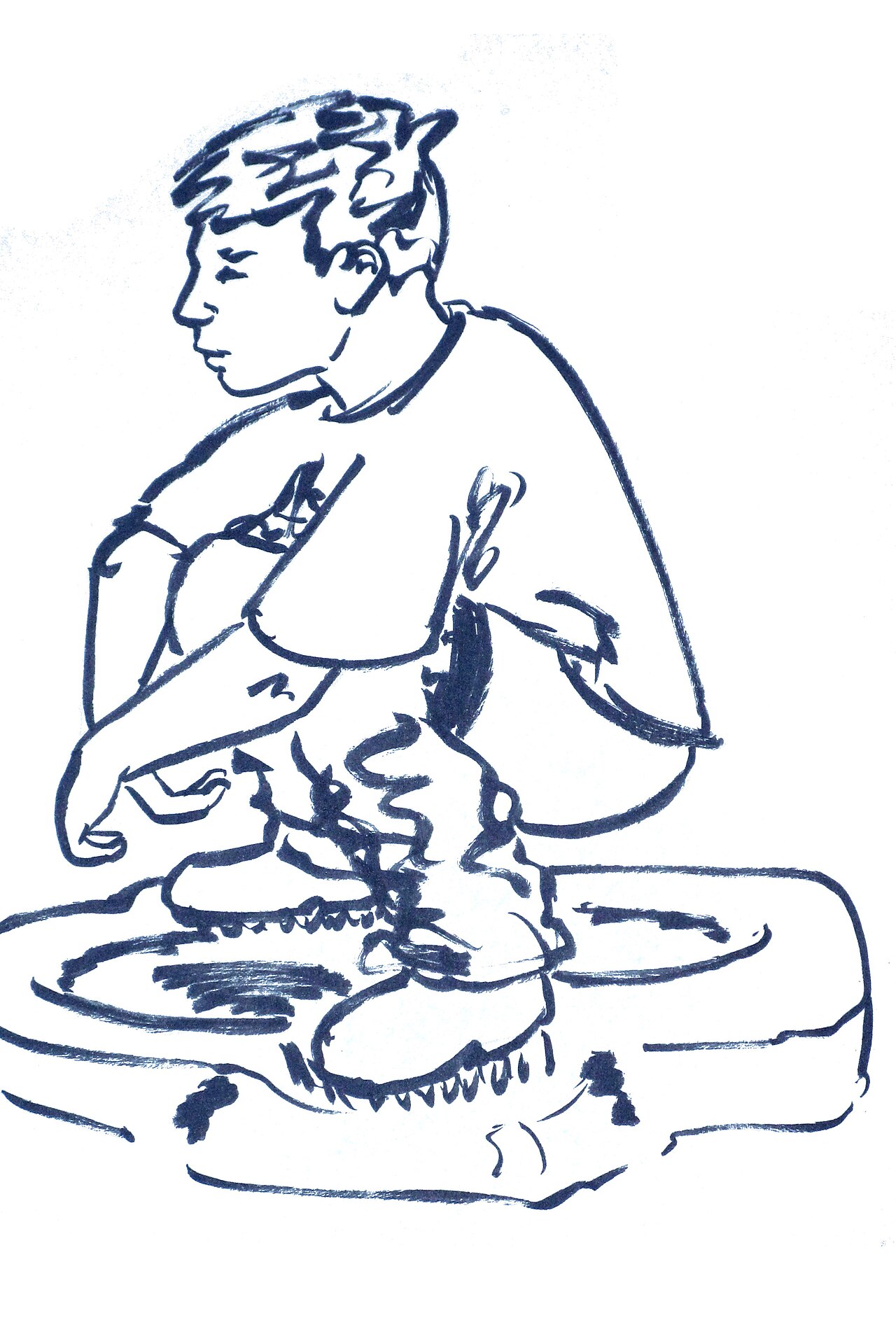
The practice of defecation is culture-dependent: squat toilets are used by the majority of the world, while Western societies adopted sit-down toilets with indoor plumbing in the 19th century. Open defecation persists in some developing regions, posing public health risks due to disease transmission. Understanding defecation is essential for maintaining digestive health and preventing contamination.
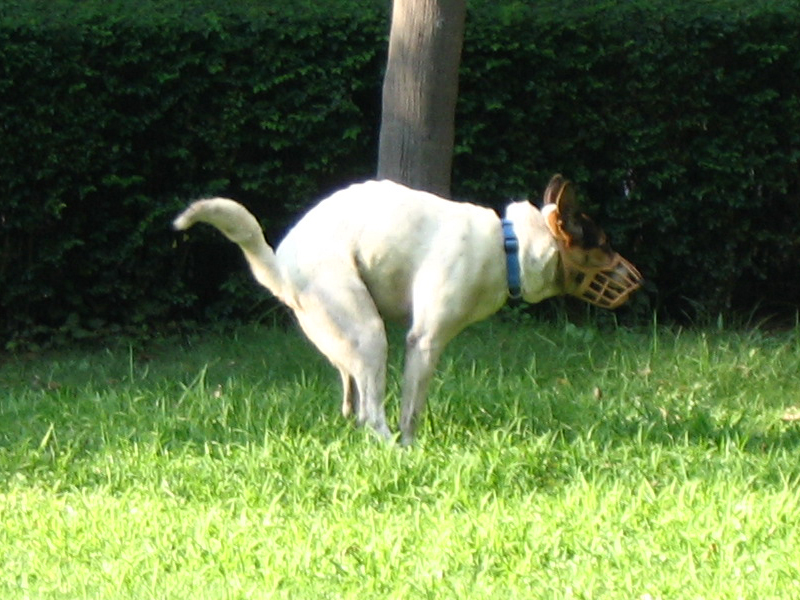
Did You Know?
- Birds expel urine and urates in the same mass as feces, while other animals may urinate simultaneously but the processes are spatially separated.
- Babies defecate a unique substance called meconium before eating external foods.
Frequently Asked Questions
What is Defecation?
Defecation is the biological elimination process through which solid, semisolid, or liquid waste (feces) exits the digestive tract via the anus or cloaca. It is a necessary step that follows digestion and is essential for sustaining life.
Is Defecation voluntary or involuntary?
In adults the act is voluntary and under conscious muscular control, whereas in infants it remains involuntary. This distinction is a key part of its biological profile.
Which medical conditions are canonically linked to Defecation?
The entry ties Defecation to diarrhea, constipation, inflammatory bowel diseases, and irritable bowel syndrome. It also flags anal hygiene and the potential spread of pathogens like E. coli as associated hygiene concerns.
More in Symptoms and signs: Digestive system and abdomen
Sources
Compiled from Wikipedia and the sources listed below. Text from Wikipedia is available under CC BY-SA 4.0; this entry is adapted from it.
- Wikipedia: Defecation (CC BY-SA 4.0).
Spotted an error? Know more?
Reader corrections go straight into our review queue. Suggest an edit · How this site is sourced