
Aerophagia
A condition of excessive air swallowing with obscure gut entry mechanism.
Last updated
Aerophagia, also known as aerophagy, is a condition involving the excessive swallowing of air, which ends up in the stomach rather than the lungs. In some cases, the primary symptom is excessive flatulence. The exact process that allows air to enter the digestive tract is not well understood. Within psychiatry, the condition is often linked to nervousness or anxiety.
The condition affects roughly 0.1 to 1 percent of the general population, though this figure may be low due to underreporting.
Common causes include chewing gum excessively, smoking, drinking carbonated beverages, eating too quickly, anxiety, high continuous positive airway pressure, and wearing loose dentures. Some people deliberately swallow air to increase the length and volume of a belch, as the swallowed air raises the stomach’s partial pressure and expands the burp. In individuals with cervical spinal blockages, inhaling can involuntarily push some air into the esophagus and stomach.
Diagnosis occurs in 8.8 percent of cognitively delayed patients, where the coordination between swallowing and breathing is impaired and not clearly defined. Aerophagia is a dangerous potential side effect of non-invasive ventilation (NIV), which is commonly used for respiratory problems, cardiovascular critical care, or during surgery requiring general anesthesia. When aerophagia arises during NIV, it is typically diagnosed by experienced medical specialists who intermittently check patients for emerging issues.
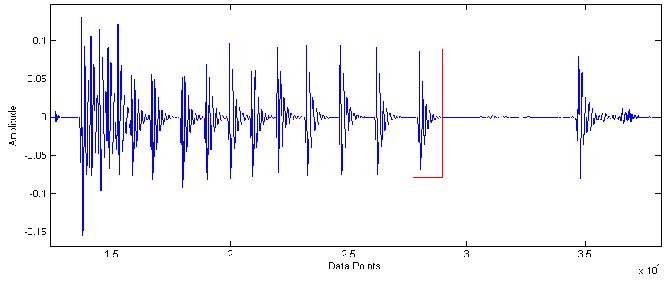
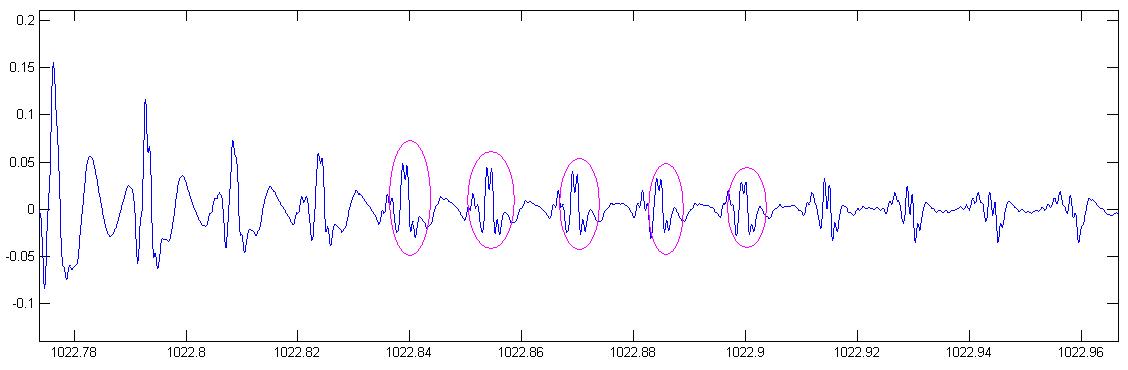
The diagnosis relies on the sound heard through a stethoscope placed on the abdomen. This method sometimes detects the problem later than it develops, possibly later than necessary. Delayed detection or response can lead to gastric distension, which may elevate the diaphragm, cause aspiration of stomach contents into the lungs, or result in pneumatic rupture of the esophagus due to extreme gastric insufflation.
Quick Facts
- Prevalence
- 0.1–1% of the general population
- Deliberate use
- to increase length and volume of a belch
- Risk factor
- non-invasive ventilation (NIV)
Facts from the source article.
Lore & Background
Aerophagia is associated with behaviors such as excessively chewing gum, smoking, drinking carbonated drinks, and eating too quickly, as well as anxiety, high continuous positive airway pressure, and wearing loose dentures. It can also be carried out deliberately as a voluntary action to increase the length and volume of a belch, as swallowed air increases partial pressure in the stomach and expands a burp. In people with cervical spinal blockages, inhaling can cause some air to enter the esophagus and stomach involuntarily.
Reader's Guide
Aerophagia is a condition of excessive air swallowing that affects approximately 0.1–1% of the general population, though prevalence may be underestimated due to underreporting. Its significance lies in its potential as a dangerous side effect of non-invasive ventilation (NIV), commonly used in treatments of respiratory problems, cardiovascular critical care, or during surgery requiring general anesthesia.
When aerophagia occurs during NIV, diagnosis is normally made by experienced medical specialists listening through a stethoscope placed outside the abdominal cavity, though this approach may detect the problem later than necessary. Belated detection or response can lead to gastric distension, which may elevate the diaphragm, cause aspiration of stomach contents into the lungs, or result in pneumatic rupture of the esophagus due to extreme gastric insufflation. The condition is also diagnosed in 8.8% of cognitively delayed patients where coordination between swallowing and respiration is impaired.
More in Symptoms and signs: Digestive system and abdomen
Sources
Compiled from Wikipedia and the sources listed below. Text from Wikipedia is available under CC BY-SA 4.0; this entry is adapted from it.
- Wikipedia: Aerophagia (CC BY-SA 4.0).
Spotted an error? Know more?
Reader corrections go straight into our review queue. Suggest an edit · How this site is sourced