
Puntland

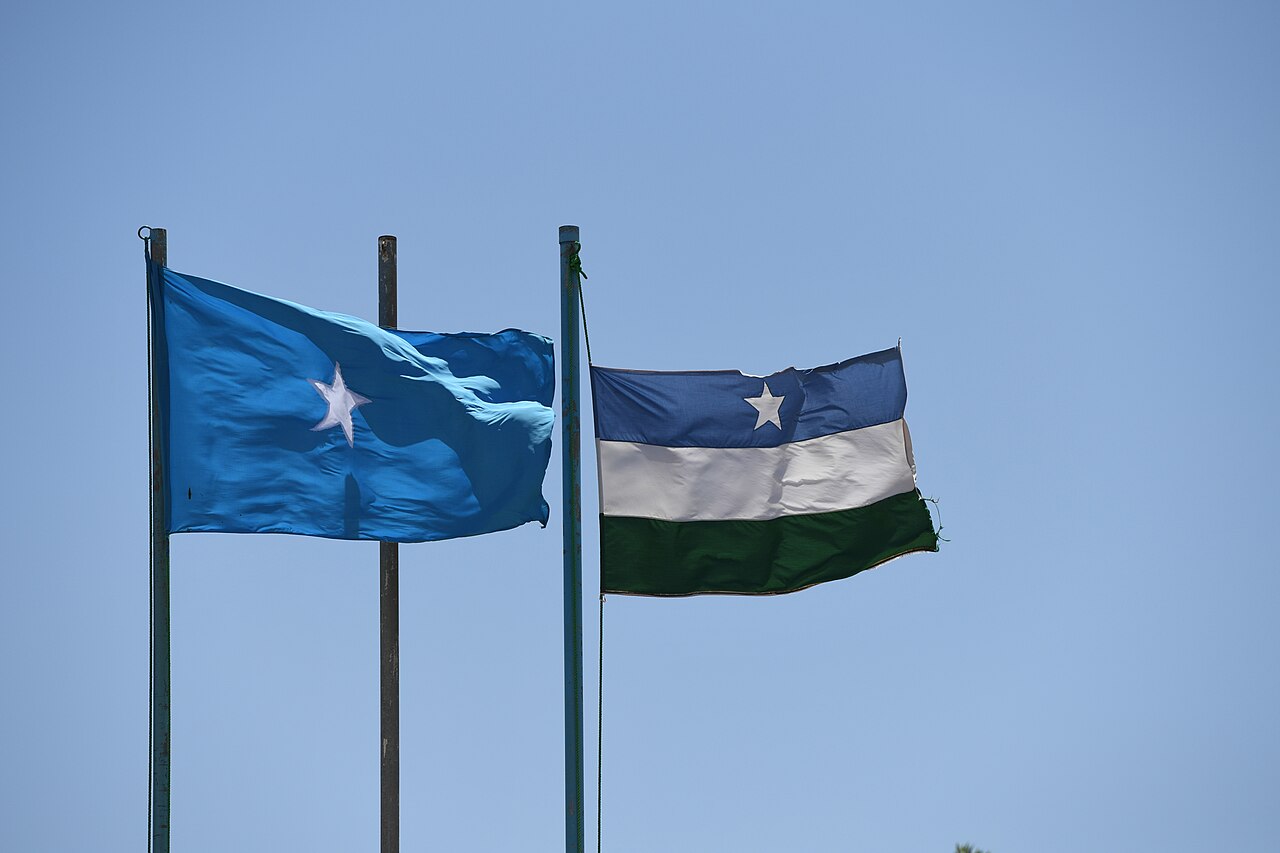
Abdishakuur Jibril Adan Kediye · CC0
Puntland, formally the Puntland State of Somalia, is a semi-autonomous region in northeastern Somalia. It considers itself part of Somalia but has refused to recognize the legitimacy of the country’s central government since 2024. Established in 1998, it functions as a federal member state. The capital is Garoowe, located in the Nugal region. In 2016, the population was recorded at 4,334,633.
Puntland shares borders with Somaliland to the west, the Gulf of Aden to the north, the Guardafui Channel to the northeast, the Indian Ocean to the east, the Galmudug State to the south, and Ethiopia to the southwest. Key geographical features include Cape Guardafui, which marks the tip of the Horn of Africa; Ras Hafun, the easternmost point of the African continent; and the start of the Karkaar mountain range.
The name “Puntland” comes from the ancient Land of Punt mentioned in Egyptian records, though its exact location remains unknown. Some studies place the Land of Punt in present-day Somalia, while others suggest a different location.
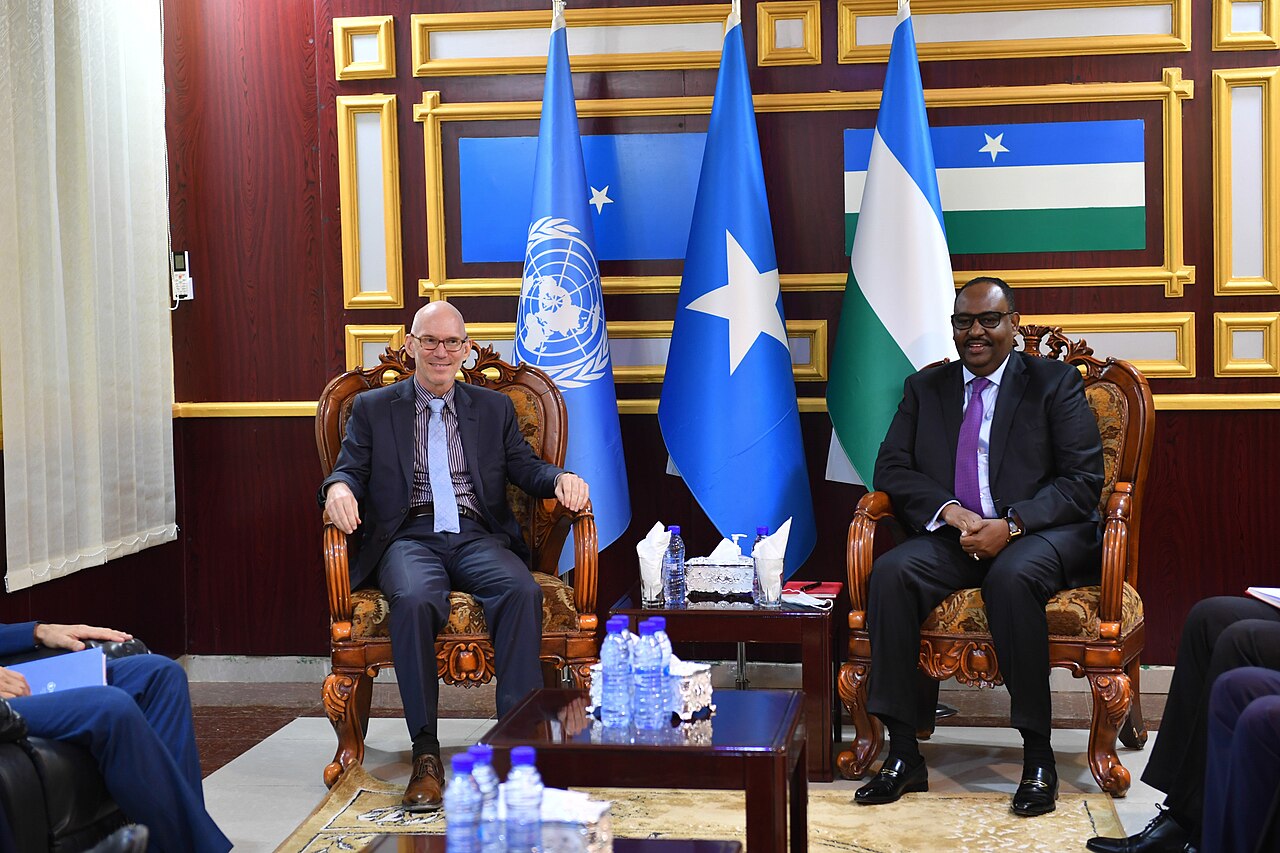
On 31 March 2024, following a constitutional crisis in Somalia, Puntland’s government announced it no longer recognizes the authority of the federal government in Somalia and would stop participating in Somali federal institutions. It declared it would “act independently” or “exercise powers of an independent state” until a federal government is formed under a constitution agreed upon in a referendum that includes Puntland.
**History**
**Majeerteen and Hobyo Sultanates**
The Majeerteen Sultanate (also known as Migiurtinia) was founded in the mid-18th century. It grew in influence during the following century under Boqor (King) Osman Mahamuud. Based in Alula, it controlled much of northern and central Somalia in the 19th and early 20th centuries. Boqor Osman, a prominent Darood clan chief, ruled the ancient towns of Alula, Bargaal, Bosaso, and Hafun, and became a powerful traditional elder with full control over his territory. The sultanate maintained a strong trading network, signed treaties with foreign powers, and exercised centralized authority at home.
The Majeerteen Sultanate nearly collapsed in the mid-1800s due to a power struggle between Boqor Osman and his cousin, Yusuf Ali Kenadid. After nearly five years of fighting, Kenadid was forced into exile in Yemen. A decade later, in the 1870s, he returned from Arabia with a band of Hadhrami musketeers and loyal followers. With their help, he overpowered local clans and founded the Sultanate of Hobyo in 1878.
In late 1889, Boqor Osman signed a treaty with Italy, making his realm an Italian protectorate. His rival Sultan Kenadid had signed a similar agreement for his own sultanate the year before. Both rulers used these treaties to advance their expansionist goals: Boqor Osman sought Italy’s support in his ongoing conflict with Kenadid, and both hoped to exploit rivalries among European powers seeking control of the Somali peninsula, thereby avoiding direct military occupation. By the early 20th century, all three sultanates were annexed into Italian Somaliland.
**Establishment of Puntland**
After the Somali Civil War began in 1991, a local constitutional conference was held in Garoowe in 1998 over three months. Attended by political leaders, traditional elders (Issims), businesspeople, intellectuals, and other civil society representatives, the autonomous Puntland State of Somalia was created to provide services, security, trade facilitation, and interaction with domestic and international partners. Abdullahi Yusuf Ahmed became its founding president.
Under Article 1 of the Transitional Federal Charter of the Somali Republic, Puntland is part of the Federal State of Somalia. It supports Somali unity and a federal system. Unlike the neighboring Republic of Somaliland, Puntland does not seek international recognition as an independent nation. However, both regions rely on clan elders and organize along clan-based lines. A key difference is that Puntland was formed as a descendant-based entity, serving as a “homeland” for the Harti community of northern Somalia, with the Majeerten seen as its “chief architects.” Since 1998, Puntland has been in territorial disputes with Somaliland over the Sool, Sanaag, and Ayn regions.
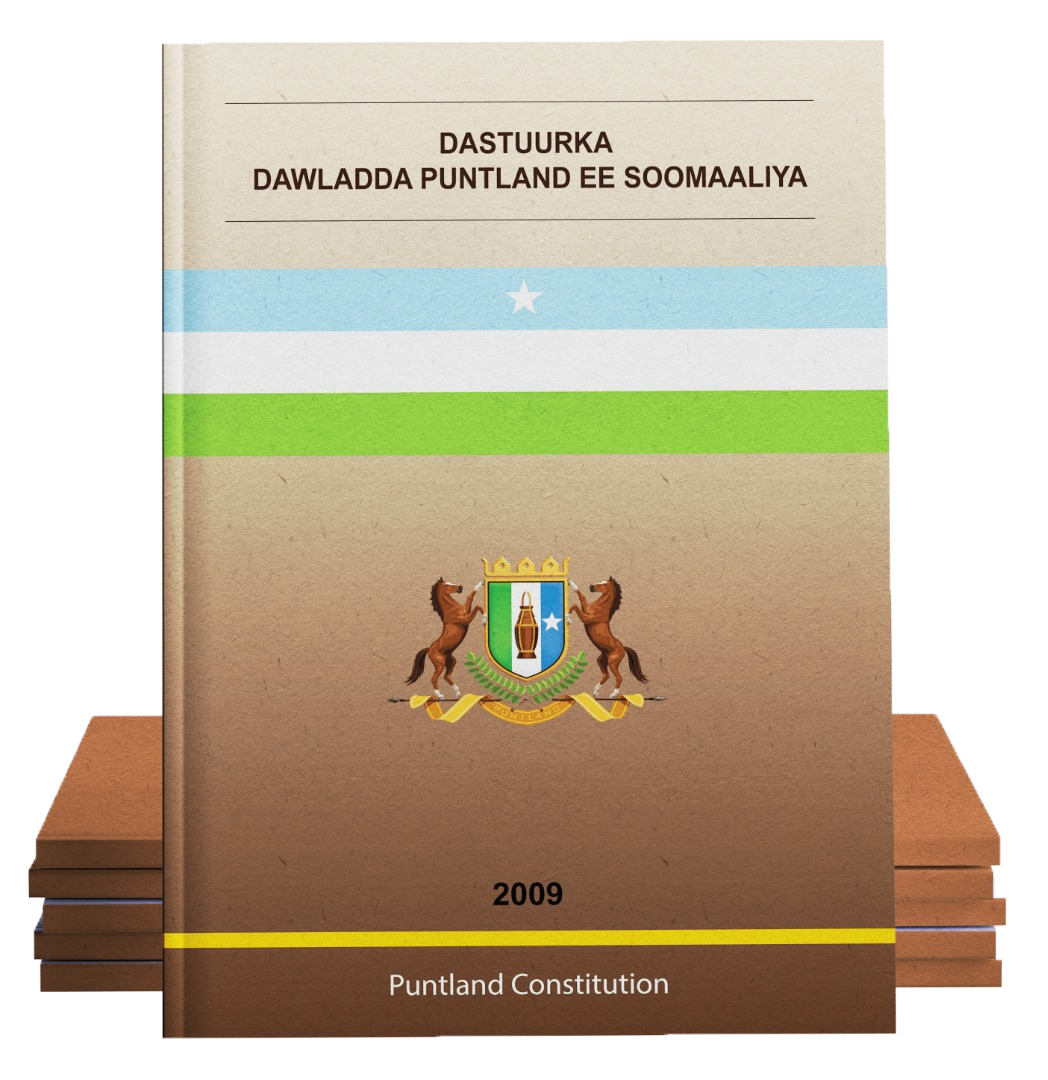
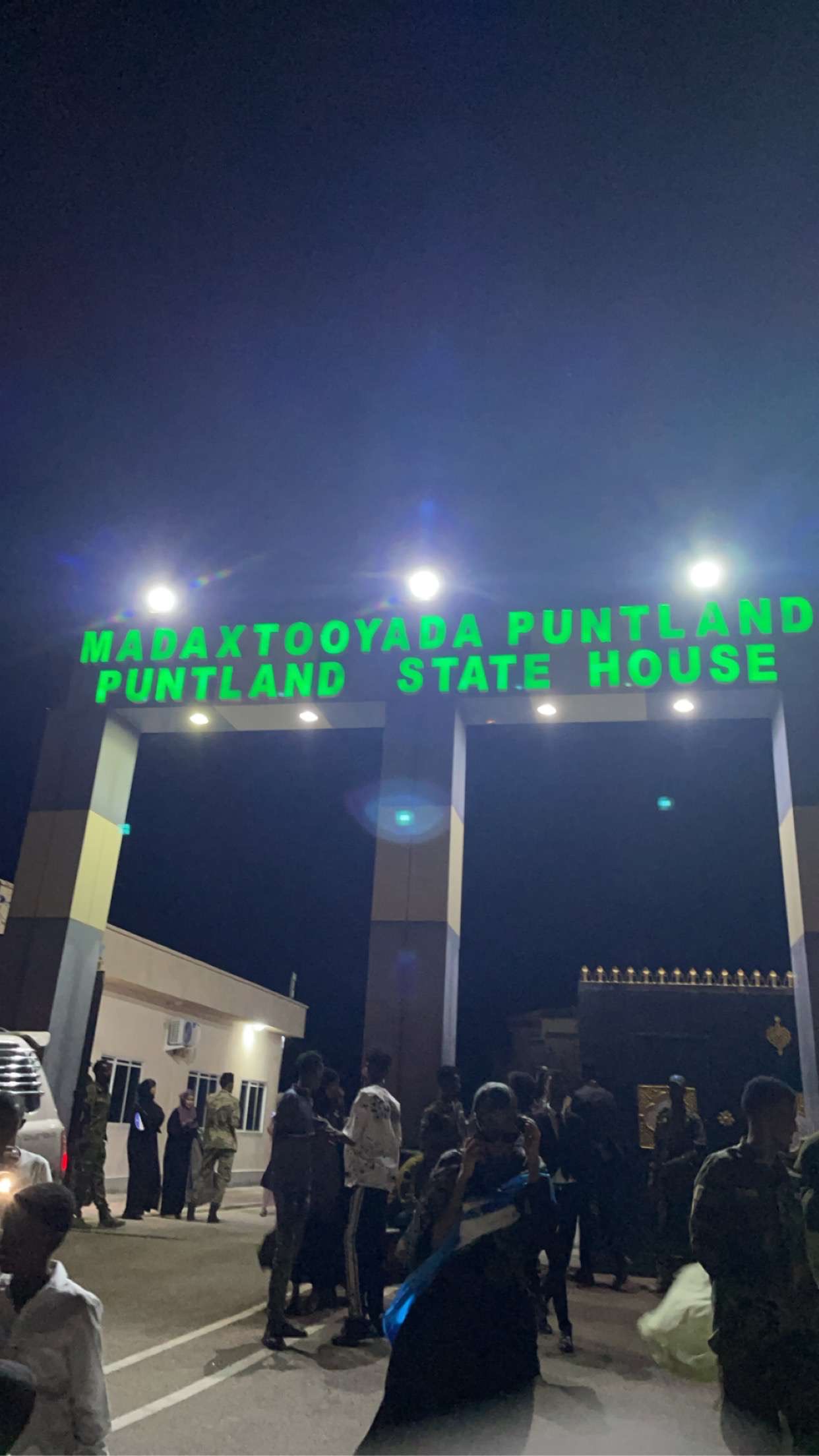
Puntland’s legal structure includes a judiciary, a legislative House of Representatives, and an executive branch (the President and his appointed Council of Ministries). Though generally peaceful, the region saw brief political unrest in 2001 when then-President Abdullahi Yusuf Ahmed sought to extend his term. Ahmed and Jama Ali Jama fought for control, with Ahmed winning the following year. He served a second term until October 2004, when he was elected President of Somalia. Mohamed Hashi succeeded him, serving until January 2005, when he lost a re-election bid in parliament to General Mohamud.
- Population (2016)
- ~2–3 million (estimated)
- Borders
- Disputed border with Somaliland (claims Sool, Sanaag, and Ayn regions), Gulf of Aden, Guardafui Channel, Indian Ocean, Galmudug, Ethiopia
Lore & Background
It was created to deliver services, security, and trade, with Abdullahi Yusuf Ahmed as founding president. Unlike Somaliland, Puntland does not seek international recognition as a separate nation, but it has been in territorial disputes with Somaliland over the Sool, Sanaag, and Ayn regions. The state is based on clan relationships, with the Majeerten as chief architects. Both sultanates signed protectorate treaties with Italy in the late 1880s and were later annexed to Italian Somaliland. Puntland's name derives from the ancient Land of Punt mentioned in Egyptian sources, though its exact location remains unknown. The Puntland Agency for Social Welfare was established during the presidency of Abdirahman Farole, though its exact founding date is not widely documented.
Reader's Guide
Puntland matters as a key example of sub-state governance in a failed state context, demonstrating how regional authorities can provide stability and services amid civil war. Puntland's rejection of central authority, while still claiming to be part of Somalia, creates a unique political status that influences regional dynamics, including territorial disputes with Somaliland. The state's historical roots in the Majeerteen and Hobyo sultanates, and its connection to the ancient Land of Punt, give it cultural and historical significance. Its reforms under President Farole—such as anti-terrorism laws, a new constitution, and the first social welfare agency in Somali history—showcase efforts at institution-building. Puntland's strategic location, including Cape Guardafui (tip of the Horn of Africa) and Ras Hafun (easternmost point in Africa), adds geopolitical importance. Its continued existence as a semi-autonomous entity challenges both Somali unity and international recognition norms.
Did You Know?
- Puntland's name is derived from the ancient Land of Punt mentioned in Egyptian sources, though its exact location is unknown.
- Puntland contains Ras Hafun, the easternmost place on the African continent.
- The Majeerteen Sultanate, a predecessor polity, was founded in the mid-18th century and later became an Italian protectorate.
Geography and Strategic Position
Nestled in the northeastern corner of Somalia, Puntland occupies a stretch of coastline that gives it a uniquely commanding position on the African map. To its west lies Somaliland, while the Gulf of Aden sweeps along its northern shore and the Guardafui Channel marks its northeastern edge. The Indian Ocean stretches to the east, Galmudug State borders the south, and Ethiopia touches the southwestern frontier. This configuration places Puntland at the very tip of the continent: Cape Guardafui forms the apex of the Horn of Africa, and Ras Hafun stands as the easternmost point on the entire African landmass. The Karkaar mountain range also begins within its territory. The state's capital, Garoowe, sits in the Nugal region, and the area was home to roughly 4.3 million people as of 2016. The name itself reaches back to ancient Egyptian texts that referenced the Land of Punt, a territory whose precise location remains debated among scholars, though many researchers place it in what is now Somali territory.
The Sultanate Era and Colonial Encounters
Long before modern statehood, the territory now known as Puntland was the heartland of two rival sultanates. The Majeerteen Sultanate, established in the mid-eighteenth century, reached its zenith under Boqor Osman Mahamuud, a Darood clan leader who governed the ancient towns of Alula, Bargaal, Bosaso, and Hafun. His polity maintained active trade networks, negotiated treaties with foreign powers, and exercised strong centralized control over its domain. However, a bitter internal power struggle with his cousin Yusuf Ali Kenadid nearly destroyed the sultanate in the mid-eighteen-hundreds. After roughly five years of conflict, Kenadid was driven into exile in Yemen. A decade later, in the 1870s, he returned from the Arabian Peninsula accompanied by Hadhrami musketeers and loyal lieutenants, using their firepower to subdue local clans and found the Sultanate of Hobyo in 1878. By the late 1880s, both rulers had signed protectorate treaties with Italy, each hoping to leverage Italian backing for territorial ambitions while exploiting rivalries among European imperial powers. With the gradual spread of colonial rule, both sultanates were ultimately absorbed into Italian Somaliland in the early twentieth century.
Founding, Political Architecture, and Clan Foundations
In the aftermath of the 1991 Somali Civil War, a three-month constitutional conference convened in Garoowe in 1998, bringing together the region's political leaders, traditional elders known as Issims, business figures, intellectuals, and civil society representatives. From that gathering emerged the Puntland State of Somalia, designed to provide public services, maintain security, facilitate commerce, and engage with both domestic and international partners. Abdullahi Yusuf Ahmed became its founding president. Unlike its western neighbor Somaliland, Puntland does not pursue international recognition as a separate nation; instead, it positions itself as a federal member state under Article 1 of Somalia's Transitional Federal Charter. Yet both regions draw their political legitimacy from clan elders and organize along kinship lines. Puntland was specifically conceived as a homeland for the Harti community of northern Somalia, with the Majeerteen regarded as the chief architects of the entity. The state's governance rests on three branches: a judiciary, a unicameral House of Representatives, and an executive headed by the president and a nominated Council of Ministries. Since 1998, Puntland has also been locked in territorial disputes with Somaliland over the Sool, Sanaag, and Ayn regions.
The 2024 Constitutional Rupture
On 31 March 2024, Puntland's government issued a declaration that fundamentally altered its relationship with Mogadishu. Citing the ongoing constitutional crisis in Somalia and the changes it produced, Puntland announced that it no longer recognized the legitimacy of the central federal administration and would withdraw from all Somali federal institutions. The statement went further, asserting that Puntland would act independently and exercise the full powers of a sovereign state until a new federal government could be established under a constitution validated by a referendum in which Puntland itself participates. This move was striking given that Puntland has consistently maintained, in principle, that it remains part of Somalia and seeks Somali unity within a federal framework. The 2024 declaration thus represented not a secessionist bid but a conditional suspension of federal participation, rooted in the belief that the current governing administration lacked legitimate constitutional authority. It marked the most dramatic rupture in Puntland's post-1998 political trajectory, transforming a semi-autonomous state that had long cooperated within Somalia's federal structure into a polity asserting full sovereign powers pending a mutually agreed constitutional settlement.
Gallery
Frequently Asked Questions
Where is Puntland's capital and what does it border?
Garoowe serves as the capital of Puntland. The state shares a disputed border with Somaliland over the Sool, Sanaag, and Ayn regions, touches Galmudug and Ethiopia to the south, and fronts the Gulf of Aden, Guardafui Channel, and the Indian Ocean.
How many people live in Puntland?
Puntland's population is estimated at roughly two to three million people, though no precise census has confirmed an exact figure.
More in States And Regions 1-15
Spotted an error? Know more?
This is a living reference — every entry is fact-audited, and reader corrections feed straight into our audit queue. Suggest an edit · See this site's audit record