Thermal Imaging Goggles
See the heat, not just the light; reveal hidden enemies through smoke and darkness.

James St. John · CC BY 2.0
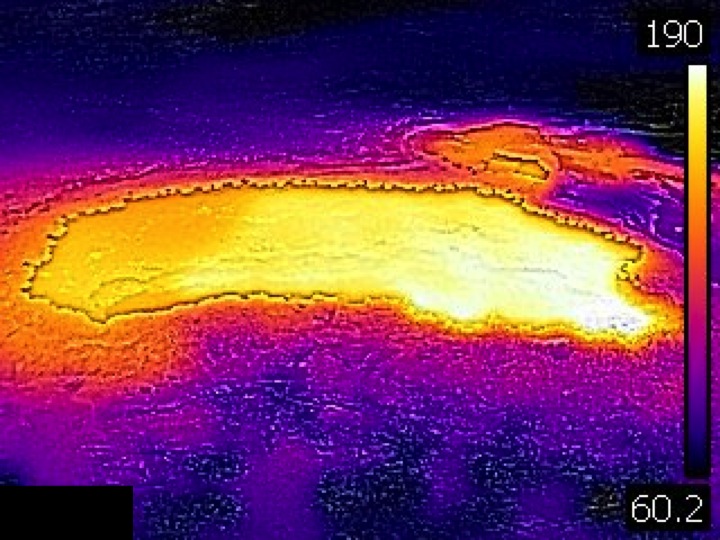
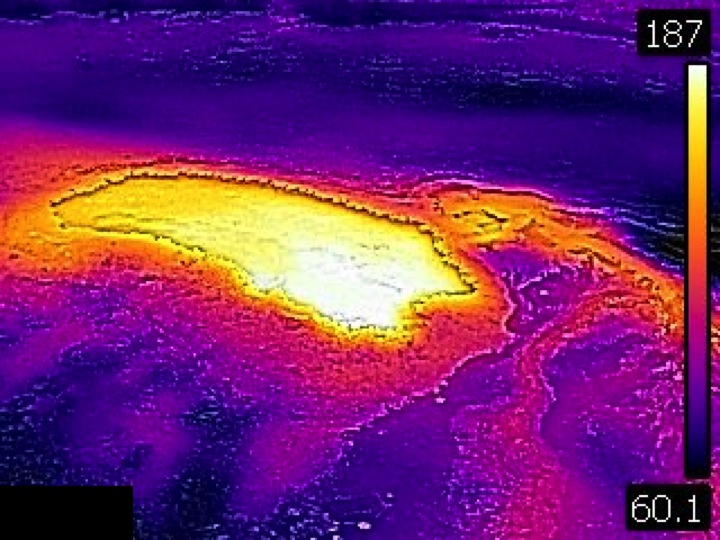
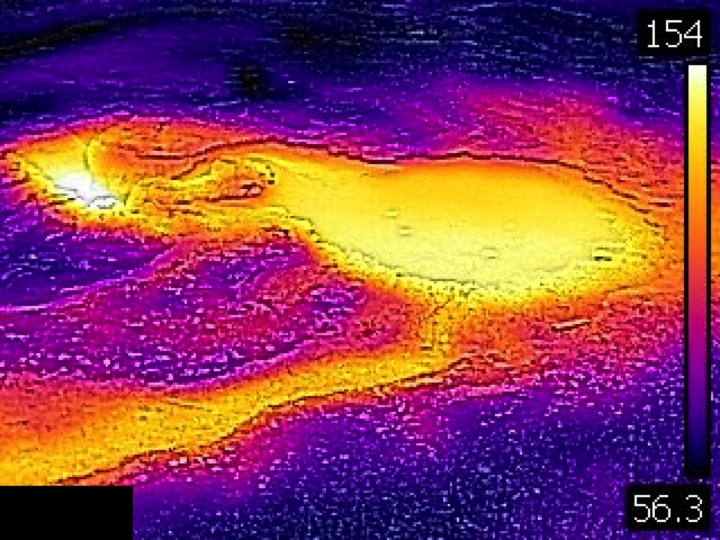
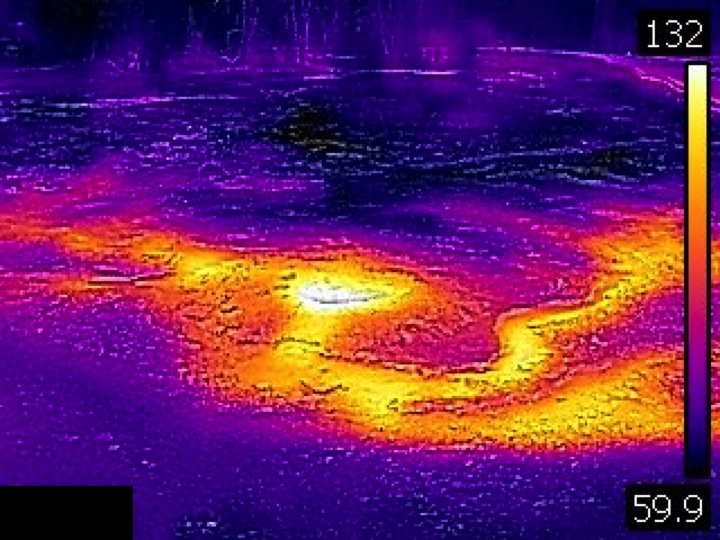
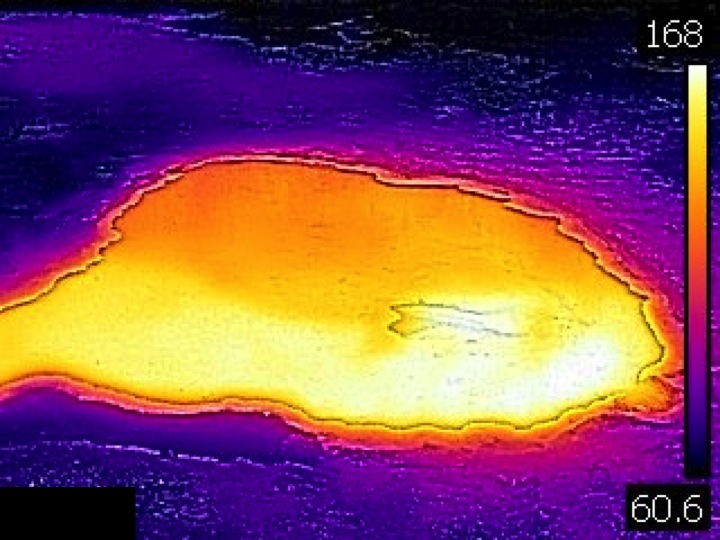
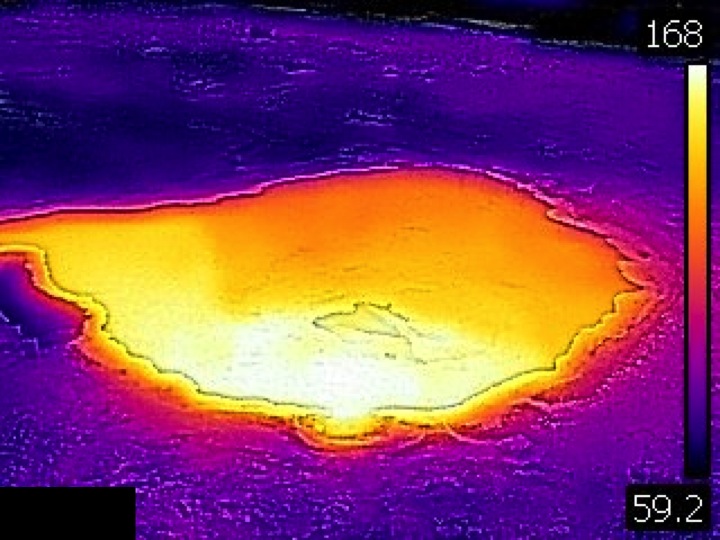
Thermal Imaging Goggles are a signature piece of tactical equipment used by Sam Fisher and other Third Echelon operatives throughout the Splinter Cell franchise. Unlike standard night vision, which amplifies available light to create a green-tinted monochrome view, thermal imaging detects infrared radiation emitted by heat sources. This allows agents to distinguish living targets from their environment regardless of lighting conditions or visual obstructions like smoke or foliage. In the original 2002 game, thermal vision is available both as a standalone goggle mode (toggleable between night vision and thermal vision) and via the SC-20K's scope attachment.
Quick Facts
- Affiliation
- Third Echelon; NSA
Lore & Background
Throughout the series, the reliance on thermal imaging highlights the technological gap between Third Echelon and their adversaries. While enemy forces often rely on standard optics or darkness for concealment, Fisher's ability to perceive heat signatures turns the environment itself into a detection grid. This capability is frequently depicted as a double-edged sword; while it reveals enemies, it also exposes the agent if they are not careful about managing their own body heat or thermal footprint.
Reader's Guide
Thermal Imaging is a core mechanic that fundamentally alters how players approach stealth encounters. When activated, the screen shifts from standard or night-vision visuals to a thermal spectrum where heat sources are highlighted in bright colors against cooler backgrounds. This mode allows players to detect enemies hiding behind walls with gaps, through smoke, or inside dense foliage that would otherwise block line of sight. However, it is not a perfect solution; the field of view may be slightly reduced, and distinguishing between different types of heat sources can require careful observation.
Strategically, thermal imaging forces players to manage their own visibility. While enemies cannot see the player's outline in this mode if they lack similar tech, the player must still avoid moving into open areas where a static enemy might spot movement. It is often used for reconnaissance before engaging, allowing Sam to plan a route that avoids all active heat signatures.
Did You Know?
- In later titles like Chaos Theory and Conviction, thermal vision became more integrated with other tactical overlays and suit capabilities.
- The mechanic allows players to see enemies through certain thin materials that block normal light but transmit infrared radiation.
- Sam Fisher often uses this tool to identify traps or recently activated security systems by detecting residual heat.
Gallery
Frequently Asked Questions
What exactly are Thermal Imaging Goggles?
These are specialized optical devices worn by Third Echelon operatives that detect infrared radiation instead of visible light. They allow agents to visualize heat signatures emitted by people and objects regardless of ambient lighting conditions.
How do they differ from standard Night Vision?
While night vision amplifies available light, thermal imaging creates an image based on temperature variance across a monochromatic spectrum. This distinction lets users spot targets through smoke or foliage that would block normal visual sensors.
Which characters utilize this equipment in the franchise?
Sam Fisher is the primary user who relies on them for infiltration missions throughout the series. Other members of Third Echelon and NSA units also employ similar technology during covert operations.
When did Thermal Imaging Goggles first appear in Splinter Cell?
They were introduced as a core mechanic in the original Tom Clancy's Splinter Cell game released in 2002. This debut set the standard for stealth gameplay by emphasizing detection over direct combat.
More in Stealth Mechanics & Systems
Related in Splinter Cell
Links follow this subject's own source article.
Elsewhere in Splinter Cell
Spotted an error? Know more?
Reader corrections go straight into our review queue. Suggest an edit · How this site is sourced