Cone of Vision
The invisible boundary between safety and discovery that defines the art of stealth.

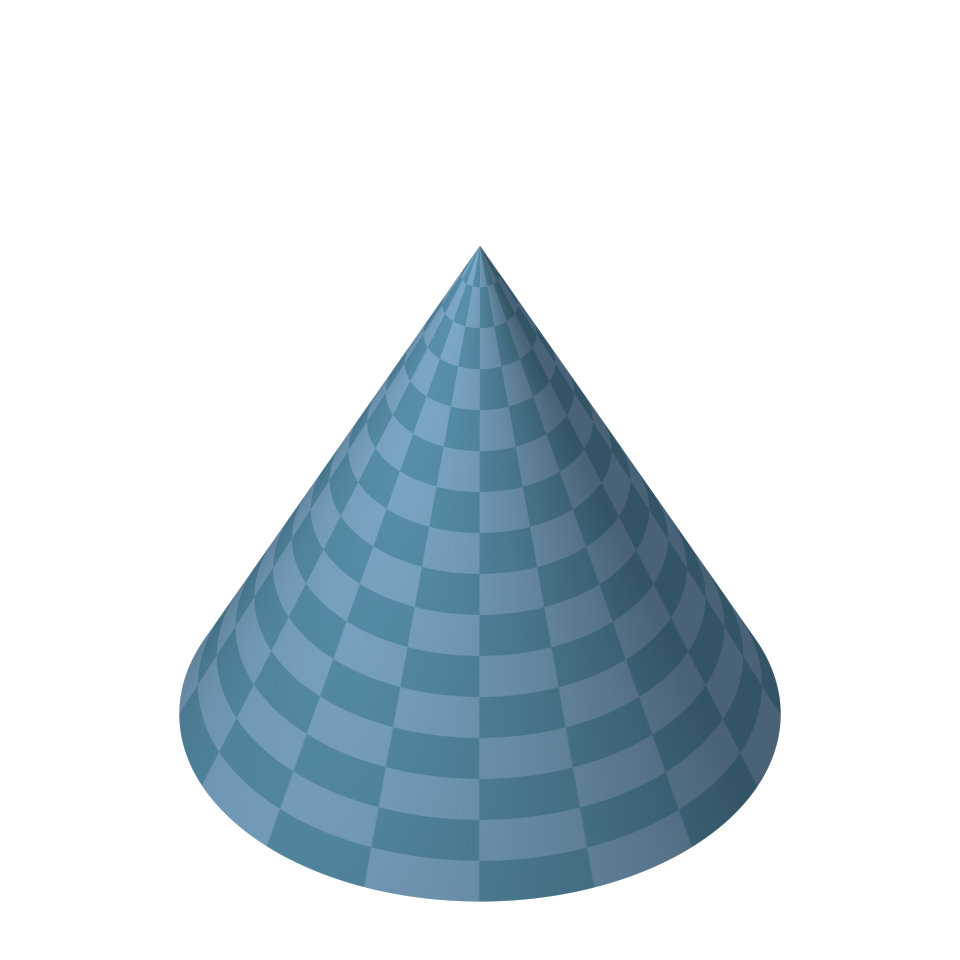
Pancrat · CC BY-SA 3.0
The Cone of Vision is a foundational stealth mechanic introduced in the original Splinter Cell game and central to the entire franchise's gameplay identity. It represents the field of view for non-player characters (NPCs), visually depicted as a dynamic, semi-transparent cone extending from an enemy's head or eyes. This system dictates when guards detect the player, Sam Fisher, based on line-of-sight, lighting conditions, and the player's current state of concealment.
Quick Facts
- Franchise
- Splinter Cell
- First appearance
- Tom Clancy's Splinter Cell (2002)
- Developer
- Ubisoft Montreal
- Function
- Enemy detection and awareness system
- Visual representation
- Dynamic light cone overlay
Lore & Background
The mechanic reinforces the lore of Sam Fisher as a master operative who relies on environmental manipulation rather than brute force. By understanding the limitations of human sight—how shadows obscure form and how peripheral vision fails—the player embodies the tactical genius required to infiltrate heavily fortified locations like Black Arrow or the Kola Cell without firing a shot.
Reader's Guide
The core stealth loop revolves around manipulating the Cone of Vision to remain undetected. Players must observe guard patrol patterns and wait for their vision cones to swing away before moving. Lighting is critical; staying in shadows or behind cover prevents the cone from registering the player even if they are technically within its geometric bounds. Night Vision Goggles (NVG) and Thermal Optics alter how this system functions.
While NVGs allow Sam to see clearly in darkness, guards may still detect him if he stands in a lit area while they look his way. Conversely, using a flashlight can blind enemies or draw their attention, causing their cones to snap toward the light source instantly. Strategy involves patience and environmental awareness. Players often use distractions, like throwing objects, to pull guards away from their posts, effectively removing their vision cones from critical paths.
Understanding that a guard's cone narrows when they are looking directly at a specific point allows for precise timing in traversing open areas.
Did You Know?
- In later entries, guards can react to sound and light sources even if they are outside their direct visual cone.
- The visual representation of the cone varies by game engine but consistently uses a semi-transparent overlay to aid player awareness.
- Sam Fisher's ability to hide in lockers or vents is often necessary when a guard's vision cone cannot be avoided through movement alone.
Gallery


Frequently Asked Questions
When did this system first appear?
The Cone of Vision debuted in the original Tom Clancy's Splinter Cell released by Ubisoft Montreal in 2002. It has remained a core staple throughout the entire franchise since that initial launch.
How does lighting affect detection within the cone?
Guards are significantly less likely to spot Sam if he is positioned within shadows while inside their visual range. Bright light sources increase visibility, making it much easier for enemies to identify the player even at a distance.
Does the Cone of Vision change during gameplay?
Yes, these overlays are dynamic and shift as guards move their heads or patrol different areas of the map. Players must constantly adjust their movement to stay outside this changing boundary of detection.
More in Stealth Mechanics & Systems
Elsewhere in Splinter Cell
Spotted an error? Know more?
Reader corrections go straight into our review queue. Suggest an edit · How this site is sourced