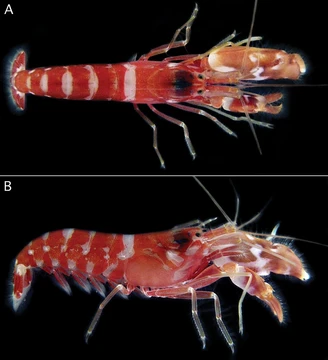
Alpheus cedrici
Source-cited species reference: taxonomy from WoRMS, biology from SeaLifeBase, description from Wikipedia.

Anker A, Grave S · CC BY 3.0
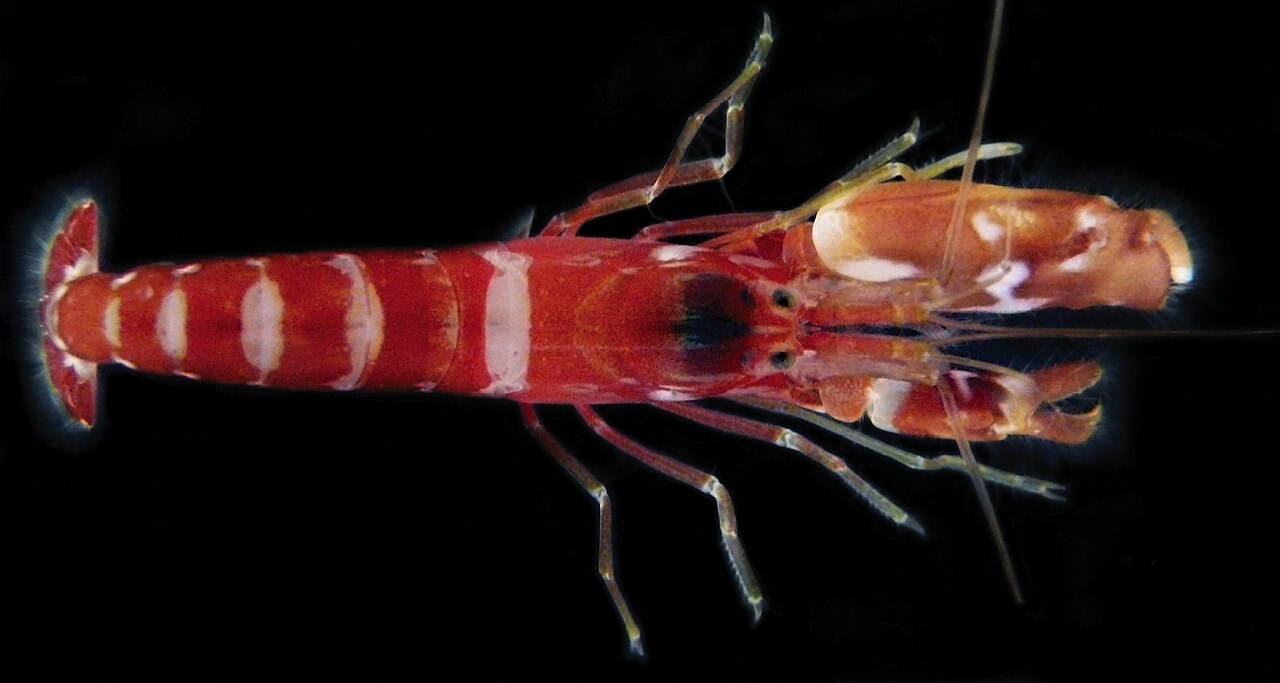
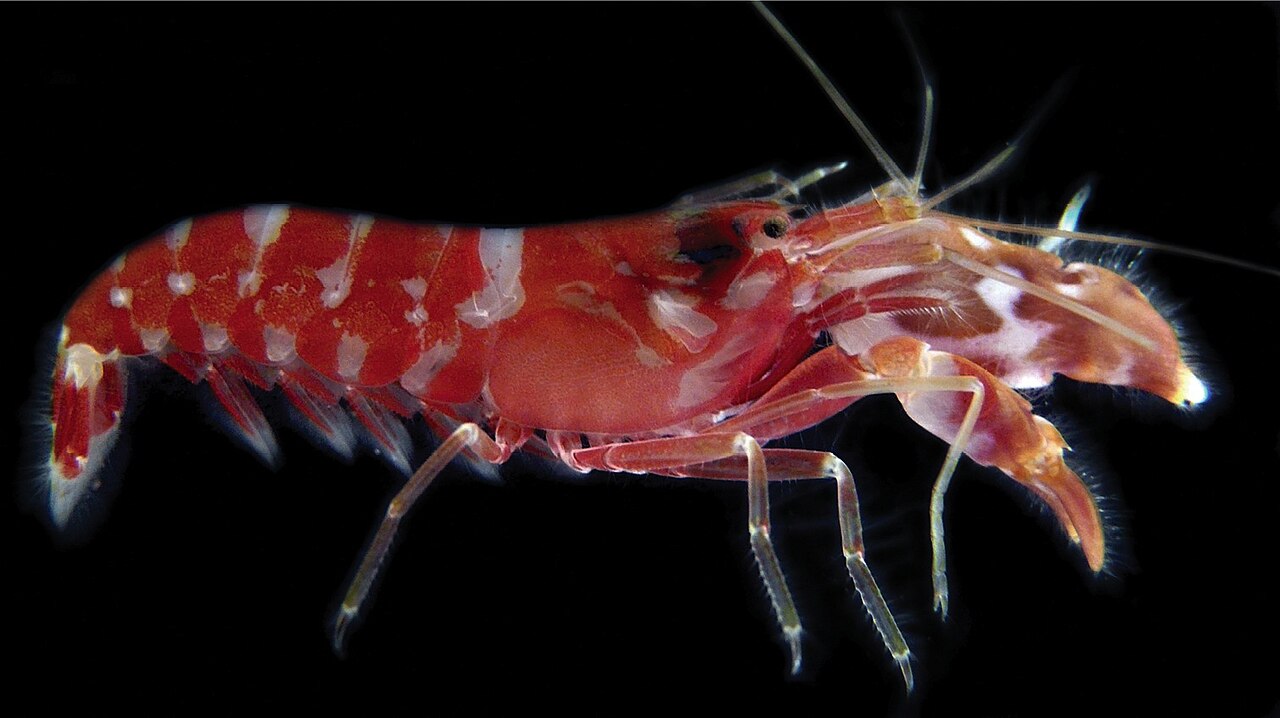
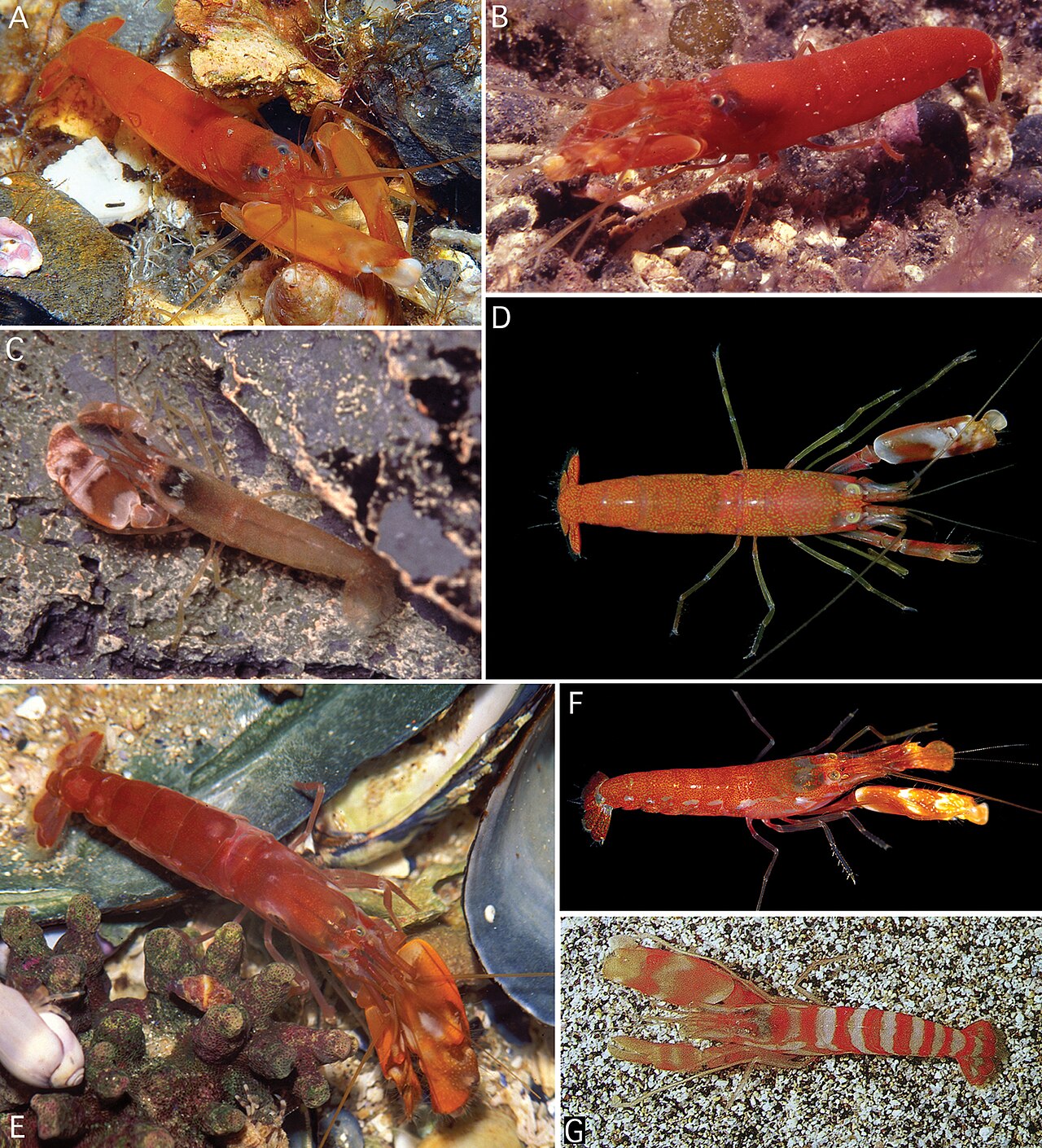
Alpheus cedrici is a species of shrimp that belongs to the family Alpheidae (snapping shrimps) It can be found in the Southern and Central Atlantic Ocean around the Islands of St. Helena and Ascension.
- Scientific name
- Alpheus cedrici
- Authority
- Anker & De Grave, 2012
- Family
- Alpheidae
- Order
- Decapoda
- Depth range
- 10–15 m
- Habitat zone
- benthic
A Genus of Unmatched Diversity
Alpheus stands as the most species-rich genus in the entire shrimp world, housing well over 330 described species within the family Alpheidae. This extraordinary breadth of diversity makes it a cornerstone of snapping shrimp biology and a subject of intense taxonomic interest. The sheer number of species packed into a single genus speaks to the remarkable adaptive radiation these tiny crustaceans have undergone across their marine habitats. For researchers cataloguing the world's decapod crustaceans, Alpheus represents both a triumph of biodiversity and a persistent challenge of classification, as the boundaries between species and even between Alpheus and its neighboring genera remain areas of active debate. The genus occupies a central position in the Alpheidae, and understanding its full scope is essential to appreciating the evolutionary story of snapping shrimp as a whole.
The Asymmetric Weapon
One of the most immediately recognizable features of any Alpheus species is the striking asymmetry of its claws. Unlike many other crustaceans whose appendages mirror each other, snapping shrimp in this genus develop one claw significantly larger than the other, and it is this enlarged claw that serves as the instrument for producing the characteristic popping sound. The mechanism behind this acoustic display is central to the shrimp's identity and behavior, distinguishing Alpheus from the quieter members of the broader decapod family. The enlarged claw is not merely a decorative trait but a functional adaptation that sets these shrimp apart in their ecological niches. Whether used in territorial disputes, courtship displays, or predator deterrence, the asymmetrical snapping apparatus remains the defining physical hallmark that links every member of this vast genus, from the smallest to the most morphologically divergent species.
Partners in the Reef
Beyond their famous snapping claws, many Alpheus species lead lives deeply intertwined with other marine organisms. Several members of the genus maintain symbiotic relationships with gobiid fishes, forming partnerships in which both parties benefit from close proximity. Others are found in association with sea anemones, echiurans, and sponges, suggesting a remarkable versatility in how these shrimp integrate into complex reef and benthic communities. These symbiotic bonds indicate that Alpheus species are not merely solitary snap-makers but active participants in intricate ecological networks. The variety of partners—ranging from mobile fish to sessile invertebrates—highlights the genus's capacity to adapt its social and spatial strategies to very different host organisms. For ecologists studying reef symbiosis, Alpheus provides a compelling case study in how a single genus can occupy multiple ecological roles through its relationships with an astonishing array of neighboring species.
A Taxonomic Puzzle
Despite its status as the most species-rich shrimp genus, Alpheus is almost certainly not a natural evolutionary unit. Phylogenetic analyses have repeatedly revealed that other alpheid genera are nested within Alpheus, meaning the genus as currently defined does not represent a single common ancestor exclusive to its members. This lack of monophyly transforms Alpheus from a straightforward taxonomic category into a complex assemblage that reflects historical patterns of speciation more than clean evolutionary boundaries. The practical consequence is that the 330-plus species grouped under this name likely span multiple distinct evolutionary lineages, some of which are more closely related to species in other genera than to their Alpheus neighbors. Resolving this tangle will require continued molecular and morphological work, and until then, Alpheus remains one of the most taxonomically challenging names in crustacean systematics.
Gallery
Spotted an error? Know more?
Reader corrections go straight into our review queue. Suggest an edit · How this site is sourced