BBC World Service
The world's largest external broadcaster by reach and languages.
Last updated

Elekes Andor · CC BY-SA 4.0
The BBC World Service is a British public service broadcaster, run by the BBC. It reaches more of the world than any other external broadcaster, measured by the area it covers, the number of languages it uses, and its total audience. It provides radio news, speech, and discussion in over 40 languages, using analogue and digital shortwave, internet streaming, podcasts, satellite, DAB, FM, longwave, and medium wave relays. In 2024, its weekly audience across TV, radio, and online averaged 450 million people.
Asia
BBC World Service English has eight regional feeds, each with some different programmes. These cover East and Southern Africa; West and Central Africa; Europe and the Middle East; the Americas and the Caribbean; East Asia; South Asia; Australasia; and the United Kingdom. There are also two streams available only online: a general one and a more news-focused one called News Internet. The service broadcasts around the clock.
British soft power
The World Service says it wants to be "the world's best-known and most-respected voice in international broadcasting." Its operating agreement says it must keep a "balanced British view" of world events. A former director, Peter Horrocks, described the organisation as fighting an "information war" of soft power against Russian and Chinese state media, such as RT. Because of this, the BBC has been banned in both Russia and China—Russia did so after its 2022 invasion of Ukraine.
The current director of the BBC World Service is Jonathan Munro. The controller of the English-language service is Jon Zilkha.
History
Early years
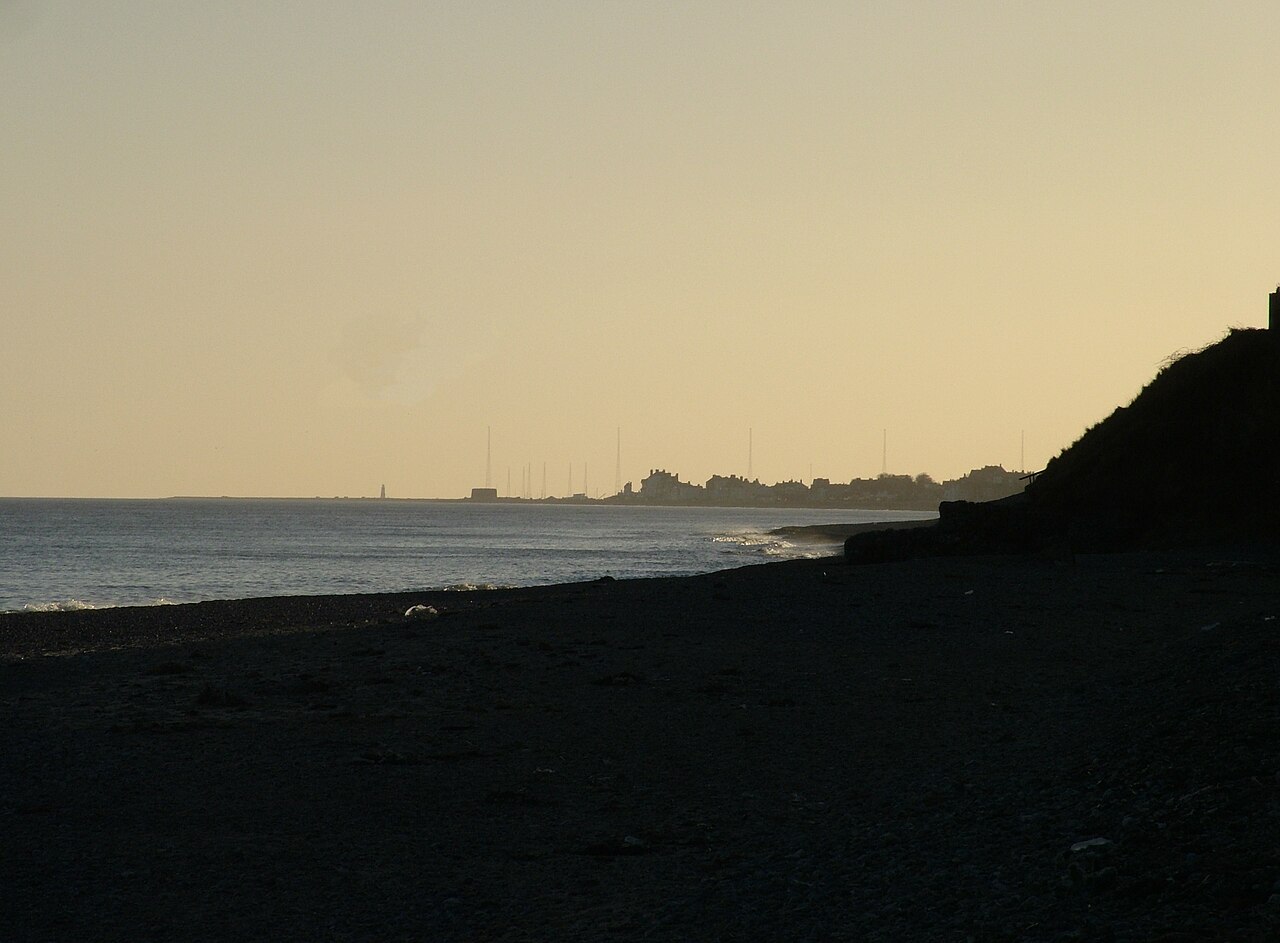
The BBC World Service began on 19 December 1932, broadcasting from the Daventry transmitting station as the Empire Short Wave Service. It used shortwave and was mainly aimed at English speakers across the British Empire. In his first Christmas Message that year, King George V said the service was for "men and women, so cut off by the snow, the desert, or the sea, that only voices out of the air can reach them." The Director-General, Sir John Reith, had low expectations. In the opening programme, he said: "Don't expect too much in the early days; for some time we shall transmit comparatively simple programmes, to give the best chance of intelligible reception and provide evidence as to the type of material most suitable for the service in each zone.
Lore & Background
The BBC World Service began on 19 December 1932 as the Empire Short Wave Service, broadcast from the Daventry transmitting station and aimed at English speakers across the British Empire. King George V characterized the service as intended for those 'cut off by the snow, the desert, or the sea, that only voices out of the air can reach them.' The first foreign-language service launched on 3 January 1938 in Arabic, and by the end of 1942 broadcasts were made in all major European languages.

During World War II, the External Services broadcast propaganda, with the German-language service targeting Nazi rule and the French service sending coded messages to the French Resistance. The service was renamed the BBC Overseas Service in November 1939, and a dedicated BBC European Service was added in 1941. It took its current name on 1 May 1965.
During the Cold War, the BBC's reporting on the 1956 Hungarian uprising was seen as credible, unlike other Western broadcasters. Its even-handed reporting on the Suez Crisis that same year led the British government to consider taking over the service. The failure of the UK in the Suez Crisis prompted expansion of the relay network, including relays in Malaya, Limassol in Cyprus (1957), Ascension Island (1966), and Masirah in Oman. The service went off-air for the first time in August 1985 when workers struck over a government decision to ban a documentary featuring an interview with Martin McGuinness.
Financial pressures later led to the end of broadcasts in German (1999) and other languages. In 2005, broadcasts in ten languages were ended to finance new television news services in Arabic and Persian. In 2010, the UK government announced a 16% reduction in revenue funding and 52% in capital funding by 2017, leading to over 650 staff departures.
From Humble Shortwave to Global Voice
The BBC World Service traces its roots to 19 December 1932, when the Empire Short Wave Service first went on air from the Daventry transmitting station. The initial audience was English speakers scattered across the British Empire, and expectations were deliberately modest. Sir John Reith, the Director-General, told listeners in the opening programme not to expect much, acknowledging that early broadcasts would be comparatively simple and neither very interesting nor very good.
The address was read aloud five times so that different parts of the world could catch it live. King George V, in his first Christmas Message that same year, framed the service as a lifeline for people cut off by the snow, the desert, or the sea, for whom only voices carried through the air could bridge the distance. This humble beginning—shortwave transmissions aimed at a colonial audience—would eventually grow into the largest external broadcaster on the planet.
Wartime Broadcasting and the External Services
The outbreak of the Second World War transformed the BBC's external output into a tool of state messaging, even as the corporation maintained its claim of editorial independence. The first foreign-language service launched in Arabic on 3 January 1938, followed by German, Italian, and French broadcasts on 27 September 1938, projecting a British peace stance ahead of the Munich Agreement. By the end of 1942, broadcasts were running in all major European languages. The German-language Londoner Rundfunk targeted Nazi audiences, while Radio Londres embedded coded messages for the French Resistance.
George Orwell himself read news bulletins on the Eastern Service, and the Belgian government in exile operated through Radio Belgique. Crucially, these External Services were funded not by the domestic licence fee but by a government grant-in-aid from the Foreign Office budget, and the Political Warfare Executive oversaw broadcasts aimed at Europe. The Empire Service was renamed the BBC Overseas Service in November 1939, with a dedicated European Service added in 1941.
Cold War Credibility and the Suez Standoff
The 1956 Hungarian uprising became a defining test for Western international broadcasters. While the US's Radio Free Europe had stoked expectations of military support that President Eisenhower had already ruled out, the BBC navigated the crisis with a sensitivity that preserved its credibility. The corporation effectively censored itself to avoid jeopardising diplomacy. That same year, however, the Suez Crisis produced a far more confrontational episode.
The British government, under Prime Minister Anthony Eden, attempted to suppress the BBC's even-handed coverage of the British and French invasion of Egypt. Eden reportedly considered taking the service over entirely to ensure only the government's justification—that Nasser was breaking international law—reached both domestic and foreign listeners. The BBC resisted, and the government's failure at Suez paradoxically led to an expansion of the External Service's relay network, with the hope of countering voices like Nasser's. New relays in Malaya, Cyprus (Limassol, 1957), and Ascension Island (1966) extended the signal's reach.
Modern Reach and Geopolitical Position
In 2024, the BBC World Service reached an average of 450 million people weekly across television, radio, and online platforms, broadcasting in more than 40 languages on shortwave, DAB, FM, satellite, internet streaming, and podcasting. The English-language operation runs eight regional feeds covering East and Southern Africa, West and Central Africa, Europe and the Middle East, the Americas and Caribbean, East Asia, South Asia, Australasia, and the United Kingdom, supplemented by two online-only streams. The service broadcasts around the clock.
Its operating agreement commits it to a balanced British view of international affairs, while former director Peter Horrocks framed the organisation's role as waging an information war of soft power against Russian and Chinese state media outlets such as RT. The BBC has been banned in both Russia—following its 2022 invasion of Ukraine—and in China. Jonathan Munro currently serves as director, with Jon Zilkha as controller of the English service.
Reader's Guide
The BBC World Service has been a significant force in international broadcasting since its inception, evolving from a shortwave service for the British Empire to a global news provider. Its stated aim is to be 'the world's best-known and most-respected voice in international broadcasting,' maintaining a 'balanced British view' of international developments. Former director Peter Horrocks described the organization as fighting an 'information war' of soft power against Russian and Chinese international state media, including RT. This has led to the BBC being banned in both Russia and China, the former following its 2022 invasion of Ukraine.
The service's history includes periods of government tension, such as during the Suez Crisis when Prime Minister Anthony Eden sought to control its reporting, and during the Cold War when its credibility was tested. Its expansion of relay stations in the 1950s and 1960s reflected a strategic effort to counter other influential voices. The service's resilience is demonstrated by its continued operation despite financial cuts and political pressures, maintaining eight regional feeds in English and two online-only streams. Its legacy includes being a key source of news for audiences in areas with limited media freedom, though its role as a tool of soft power has also made it a target of state censorship.
More in Shortwave and Numbers Stations
Sources
Compiled from Wikipedia and the sources listed below. Text from Wikipedia is available under CC BY-SA 4.0; this entry is adapted from it.
- Wikipedia: BBC World Service (CC BY-SA 4.0).
Spotted an error? Know more?
Reader corrections go straight into our review queue. Suggest an edit · How this site is sourced