China Radio International
State-owned international radio broadcaster of the People's Republic of China.
Last updated

N509FZ · CC BY-SA 4.0
China Radio International (CRI) is the state-owned international radio broadcaster of China, headquartered in Babaoshan, Shijingshan, Beijing. It was founded on December 3, 1941, as Radio Peking. Its name was changed to Radio Peking on April 10, 1950, and to Radio Beijing in 1983. It is the international radio arm of the China Media Group, under the control of the Central Publicity Department of the Chinese Communist Party, and states that it endeavors to promote favorable relations between the PRC and the world while upholding the PRC's official positions.
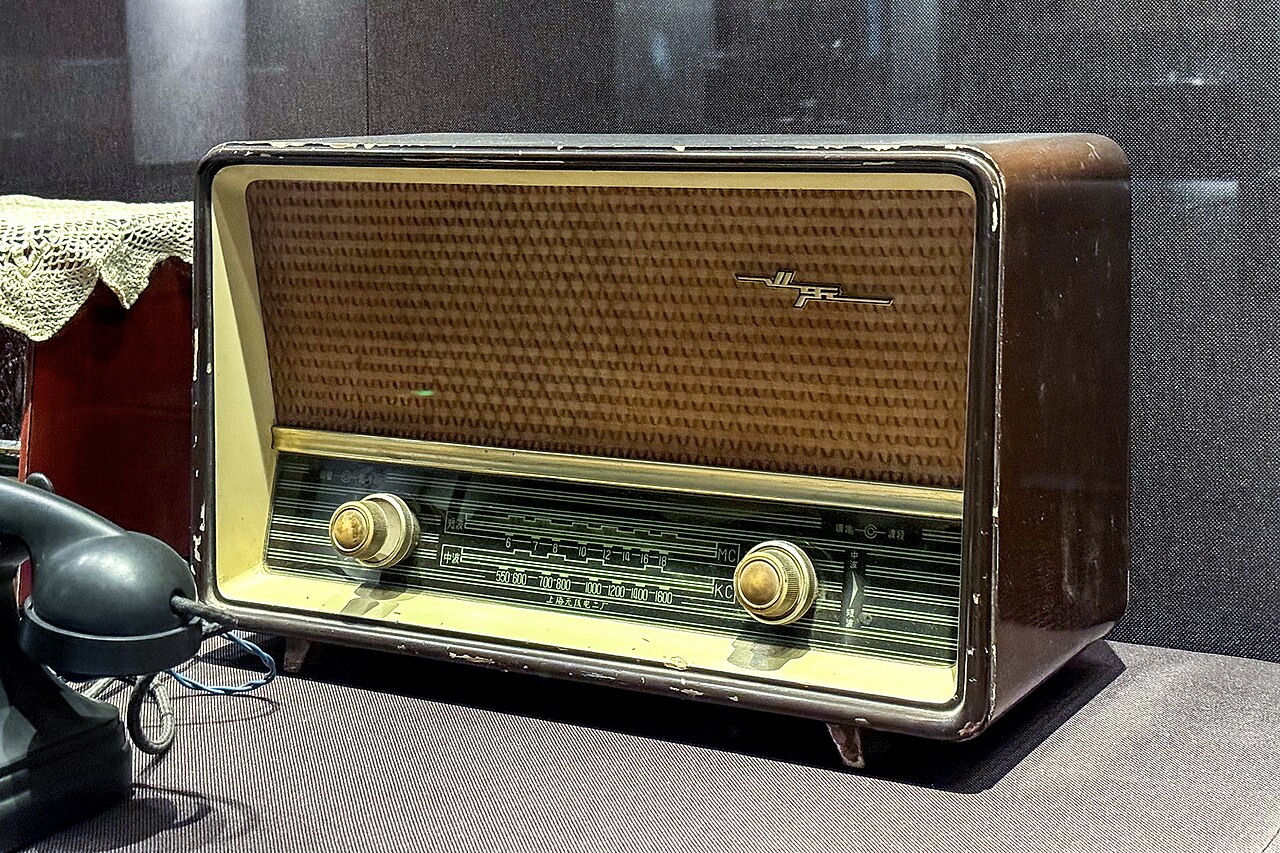
Lore & Background
Radio was first introduced in China in the 1920s and 1930s, but few households had receivers. The Chinese Communist Party first used radio in Yanan, Shaanxi Province in March 1940 with a transmitter imported from Moscow. Xinhua New Chinese Radio (XNCR) went on the air from Yanan on December 30, 1940, and after 1945 transmitted to a larger area with regular programs of news, official announcements, war bulletins, and art and literary programs. The English service began on September 11, 1947, broadcasting as XNCR from a cave in Shahe in the Taihang Mountains during the civil war, announcing newly conquered areas and presenting a Chinese political and cultural perspective to the world.
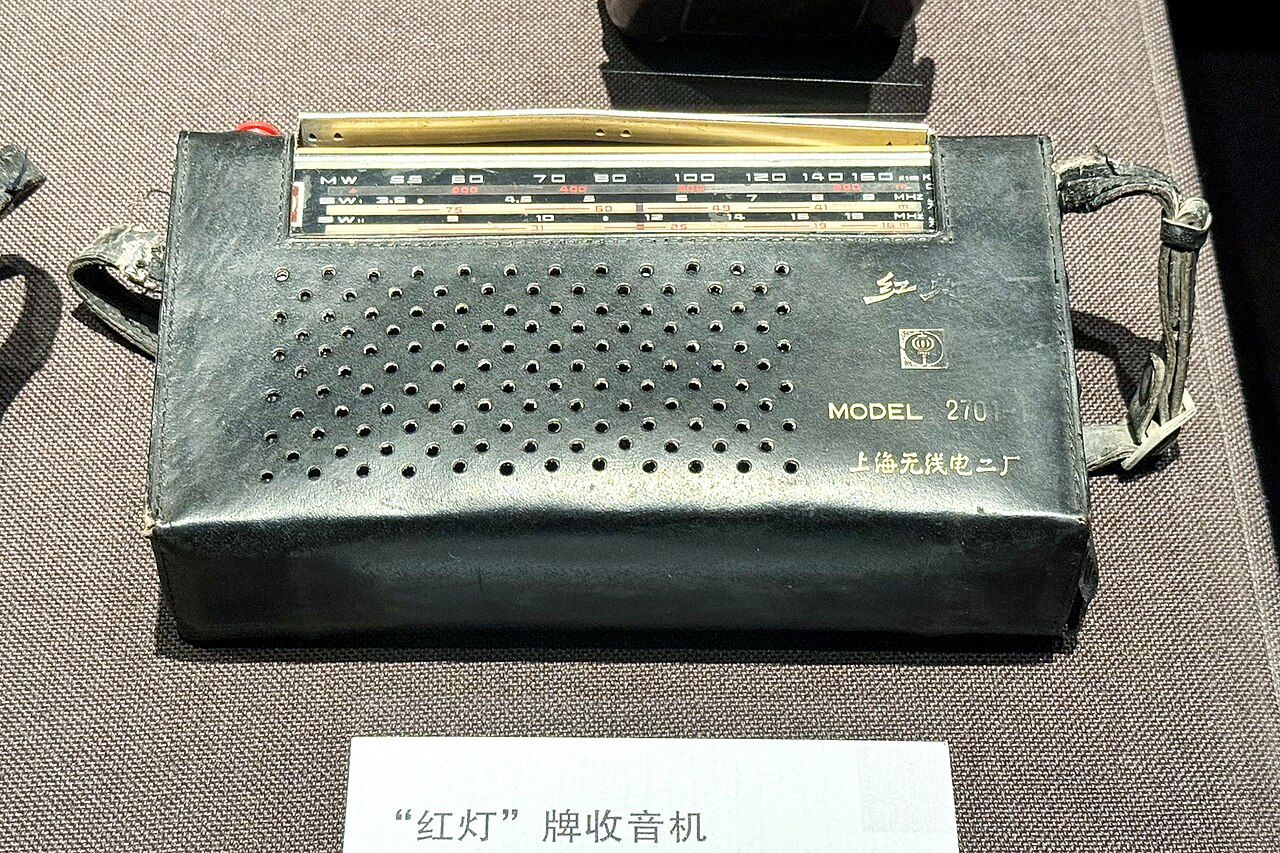
The station moved from the Taihang Mountains to the capital, Peking, when The People's Republic of China was formed in 1949. Its name was changed to Radio Peking on April 10, 1950, and to Radio Beijing in 1983. On January 1, 1993, it became China Radio International to avoid confusion with local Beijing radio. During the Cultural Revolution, CRI canceled many regular programs and focused on broadcasting Mao Zedong's works.
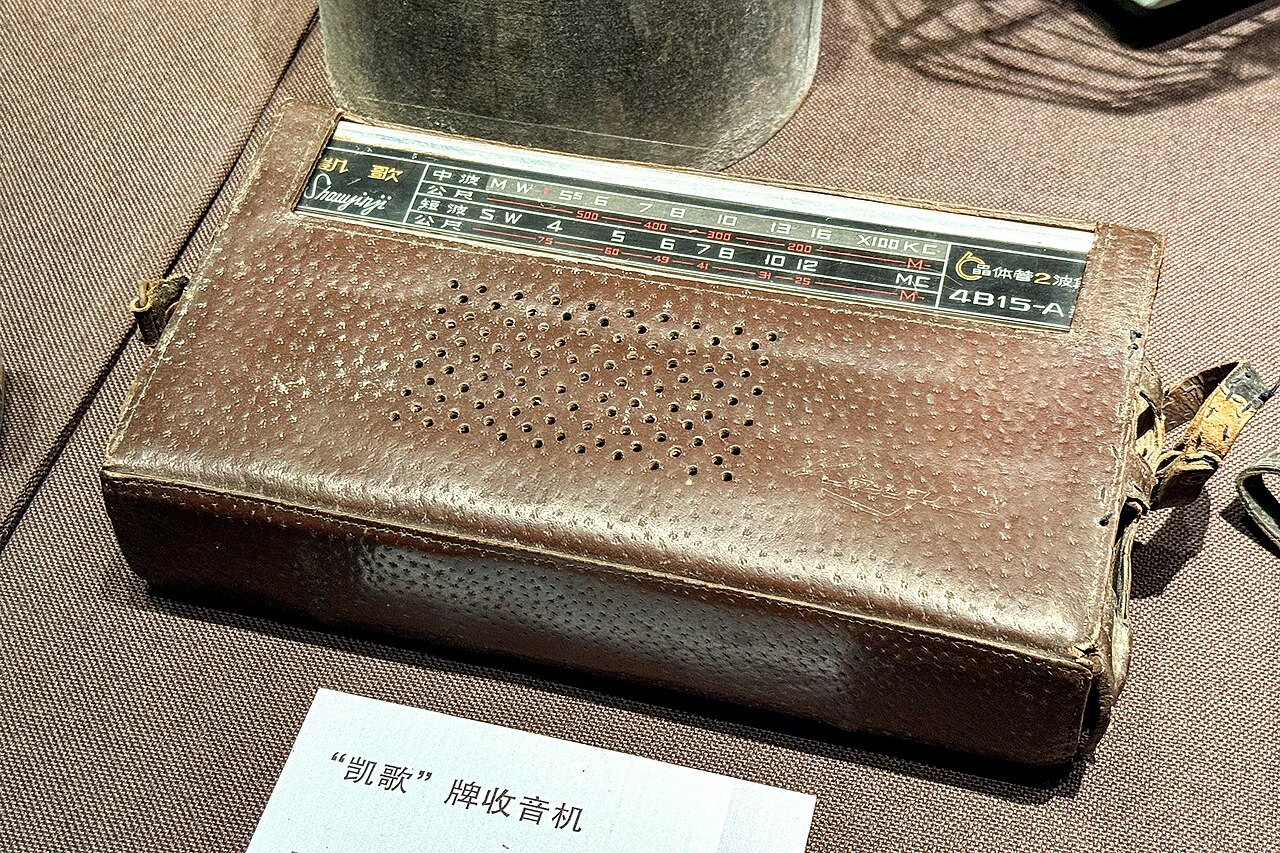
A 2015 investigative report by Reuters found a network of at least 33 radio stations in 14 countries that obscures CRI as its majority shareholder, with a significant portion of programming produced or provided by CRI or media firms it controls in the United States, Australia, and Europe. In February 2020, the U.S. Department of State designated CRI and other Chinese state-owned media outlets as foreign missions. CRI has focused on forging commercial partnerships, particularly in Europe, where its content is broadcast without attribution to CRI. According to a 2023 discourse analysis by the Central European Digital Media Observatory, CRI's content steers clear of any criticism of the Chinese government.

Reader's Guide
China Radio International is notable as the principal international broadcasting voice of the Chinese government, operating under the Central Publicity Department of the Chinese Communist Party. Its stated mission is to promote favorable relations between the PRC and the world while upholding official positions, and it claims a significant role in China's soft power strategy and Go Out policy, aiming to expand the influence of Chinese culture and media globally. CRI attempts to employ new media and partnerships with other outlets to compete with other international broadcasters. Unlike some other broadcasters, CRI's control via indirect majority ownership or financial support of radio stations in various nations is not publicly disclosed, as highlighted by a 2015 Reuters investigation that found a network of stations obscuring CRI as majority shareholder.

The broadcaster has also been designated a foreign mission by the U.S. Department of State. CRI's programming includes Mandarin and English radio channels, podcasts, and pay television channels, and it has launched joint ventures such as the China International Broadcasting Network (CIBN) and holds a 60% stake in Finland-based GBTimes, which operates radio stations across Europe broadcasting CRI-produced content. Its legacy is that of a state-controlled media entity that actively seeks to extend Chinese influence through both overt broadcasting and less transparent ownership structures abroad.

More in Shortwave and Numbers Stations
Sources
Compiled from Wikipedia and the sources listed below. Text from Wikipedia is available under CC BY-SA 4.0; this entry is adapted from it.
- Wikipedia: China Radio International (CC BY-SA 4.0).
Spotted an error? Know more?
Reader corrections go straight into our review queue. Suggest an edit · How this site is sourced