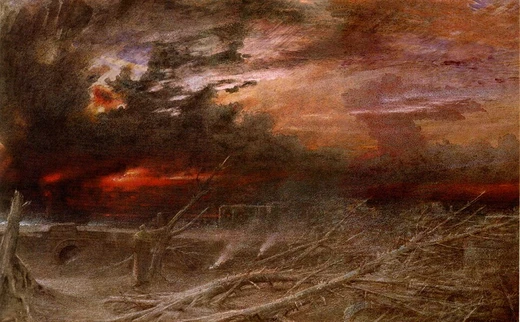
Vektor (film)
First Croatian post-apocalyptic film, dark and atmospheric.

Vektor is a 2010 Croatian drama/thriller set in a post-apocalyptic world, directed and produced by Ivan Rogar, with a screenplay by Josip Facković. The cast includes Facković, Danijela tepić, Alan Hrehorić, and Tamara Kefelja, and the film was co-produced by Vedad Bašić and Ivan Blažun. Billed as Croatia’s first post-apocalyptic movie, it is shot in near-black-and-white, emphasizing drama and a dark mood rather than graphic violence. The soundtrack was created by Rogar and Facković’s experimental industrial band, Kult of Red Pyramid.
In the story, global chaos erupts from a war over emergents between East and West, triggering massive climate shifts through nuclear and biological warfare. After a frantic phone call, Christine returns to her childhood home with a lifelong friend and a secretive scientist, hoping to find her father alive. They encounter a blood-spattered, amnesiac woman named Elena, and strange events unfold.
The film was made on a tight budget using a Canon XL2 camcorder, with production spanning over a year. It was slated for VOD and DVD release in fall 2010. This is Rogar’s third directorial effort, following *Daimonion* and its sequel, *Daimonion: Mother of God*.
*Vektor* premiered in Zagreb, Croatia, in September 2010, and was uploaded in full to the production company’s YouTube channel on April 17, 2011. It screened at the 2011 Swansea Bay Film Festival in Wales. Critic Debi Moore of Dread Central found it “chillingly topical and timely” in light of the Fukushima nuclear disaster, with a blurred line between fantasy and reality, though she felt it didn’t fully convey its subject’s emotional weight. She praised the soundtrack and color palette, noting that “Rogar shows promise.”
A sequel, *Vektor: Terminal Apocalypse*, was announced on July 10, 2011.
Quick Facts
- Director
- Ivan Rogar
- Writer
- Josip Facković
- Starring
- Facković / Danijela tepić / Alan Hrehorić / Tamara Kefelja
- Studio
- <!-- or
- Released
- 2010 · 09
- Country
- Croatia
- Language
- Croatian
Facts from the source article.
Lore & Background
The film stars Josip Facković, Danijela tepić, Alan Hrehorić, and Tamara Kefelja. It was co-produced by Vedad Bašić and Ivan Blažun. The soundtrack was made by Rogar and Facković's experimental industrial band Kult of Red Pyramid. The film was produced on a limited budget, shot using the Canon XL2 camcorder, and production lasted more than a year. It was scheduled to be released on VOD and DVD in fall 2010. This is the third film directed by Ivan Rogar, following Daimonion and its sequel, Daimonion: Mother of God.
Reader's Guide
Vektor premiered in Zagreb, Croatia, in September 2010. On 17 April 2011, the film was released in its entirety on the production company's YouTube channel. It was shown at the 2011 Swansea Bay Film Festival in Wales. Debi Moore of Dread Central thought the film was 'chillingly topical and timely' in the wake of the Fukushima nuclear disaster, with a blurred 'line between fantasy and reality', though she believed it did not effectively convey the emotional weight of its subject. She positively commented on the soundtrack and the color palette, saying that 'Rogar shows promise'. A sequel was announced on 10 July 2011, titled Vektor: Terminal Apocalypse.
Did You Know?
- The film is described as the first Croatian post-apocalyptic film.
- The soundtrack was created by the experimental industrial band Kult of Red Pyramid, which included Rogar and Facković.
- The film was shot using the Canon XL2 camcorder on a limited budget.
Aesthetic Identity & Sound
Vektor carved out a distinctive niche in Croatian cinema by establishing itself as the country's first post-apocalyptic feature. Rather than leaning into graphic carnage, director Ivan Rogar and screenwriter Josip Facković crafted a film that prioritizes psychological tension and a suffocatingly dark mood. The visual language is strikingly restrained, with the picture rendered almost entirely in monochrome tones that lend the desolate world a timeless, grainy quality. This deliberate aesthetic choice amplifies the sense of isolation and dread without relying on spectacle. Equally distinctive is the film's soundscape, composed not by a hired composer but by Kult of Red Pyramid, the experimental industrial project shared by Rogar and Facković themselves. This self-contained creative approach—where the director and lead writer also generate the score—gives Vektor a unified, almost punk-spirited energy. The result is a work that feels deeply personal, where every frame and every distorted sonic texture serves the same oppressive, atmospheric vision.
Grassroots Production & Creative Lineage
Working within the constraints of a modest budget, the production team made resourceful choices that ultimately shaped the film's raw, intimate texture. Rather than a professional cinema camera, the entire picture was captured on a Canon XL2 camcorder, a decision that contributed to the grainy, documentary-like quality of the monochrome imagery. The shoot stretched over more than a year, a marathon effort that speaks to the dedication of a small crew navigating limited resources. Ivan Rogar helmed the project as his third feature, following the Daimonion franchise comprising Daimonion and its sequel Daimonion: Mother of God, marking a clear evolution in his directorial range into the post-apocalyptic thriller territory. The ensemble cast included Facković himself alongside Danijela Tepić, Alan Hrehorić, and Tamara Kefelja. Production was co-led by Vedad Bašić and Ivan Blažun, who helped shepherd the project from development through to its planned VOD and DVD distribution in the autumn of 2010.
A Fractured World & Its Survivors
The narrative unfolds in a world shattered by an East-West conflict over emergent resources, where nuclear and biological warfare have triggered catastrophic climate shifts. Into this ruined landscape steps Christine, who receives a desperate phone call that compels her to return to her childhood home, clinging to the hope that her father might still be alive. She is not alone on this journey: a lifelong companion and a secretive scientist travel with her, each bringing their own hidden motives and expertise to the perilous trek. The group's fragile sense of purpose is shattered when they encounter Elena, a woman stripped of her memories and drenched in blood, whose presence triggers a cascade of unsettling and unexplained events. The story deliberately withholds clear answers, letting the audience sit in the same confusion and unease as the characters. Facković's screenplay leans into ambiguity, ensuring that the horror of the situation is felt as much through atmosphere and suggestion as through any overt revelation.
Premiere, Critical Echoes & the Road Ahead
Vektor first screened at a Zagreb premiere in September 2010, before finding a wider audience when the production company uploaded the complete film to their YouTube channel on April 17, 2011. The work also crossed international borders, earning a slot at the 2011 Swansea Bay Film Festival in Wales. Critical response was mixed but pointed. Debi Moore of Dread Central called the film chillingly topical and timely, particularly in the shadow of the Fukushima nuclear disaster, noting a blurred line between fantasy and reality that gave the story an unsettling resonance. Yet she felt the film fell short of fully communicating the emotional gravity of its subject matter. On the positive side, Moore praised the soundtrack and the monochrome color palette, concluding that Rogar shows promise. The film's momentum carried forward: on July 10, 2011, a sequel titled Vektor: Terminal Apocalypse was officially announced, signaling the creators' intent to expand the world they had built.
Frequently Asked Questions
What is Vektor?
Vektor is a 2010 Croatian drama-thriller that takes place in a world shattered after global conflict, following characters who must survive in the ruins of civilization. It is widely recognized as the first post-apocalyptic feature produced in Croatia.
Who directed and wrote Vektor?
Ivan Rogar both directed and produced the film, while Josip Facković penned the screenplay and also starred in the lead role. Vedad Bašić and Ivan Blažun served as co-producers alongside Rogar.
What makes Vektor's visual and sonic style stand out?
The film is shot in a near-monochrome palette that strips away color to heighten its bleak, atmospheric tone, favoring psychological tension over graphic action. Its soundtrack was composed by the experimental industrial project Kult of Red Pyramid, a collaboration between Rogar and Facković.
What is the basic plot of Vektor?
The story centers on the aftermath of a worldwide war triggered by a conflict over emergent forces, leaving the characters stranded in a desolate, lawless landscape. Rather than focusing on spectacle, the narrative leans into the emotional and moral weight of survival in that broken world.
Why do fans consider Vektor important?
It broke new ground by being the first Croatian-made film to commit fully to the post-apocalyptic genre, proving the country could produce the dark, atmospheric tone the subgenre demands. Its restrained, mood-driven approach set a distinct visual and tonal benchmark for later local genre work.
More in Post-apocalyptic films 1-18
Spotted an error? Know more?
Reader corrections go straight into our review queue. Suggest an edit · How this site is sourced