Alexander Dubček
Socialism with a human face
Last updated

Dezidor · CC BY-SA 3.0
Alexander Dubček (27 November 1921 – 7 November 1992) was a Slovak statesman who served as the First Secretary of the Presidium of the Central Committee of the Communist Party of Czechoslovakia (KSČ) (de facto leader of Czechoslovakia) from January 1968 to April 1969 and as Chairman of the Federal Assembly from 1989 to 1992 following the Velvet Revolution. He oversaw significant reforms to the communist system during a period that became known as the Prague Spring, but his reforms were reversed and he was eventually sidelined following the Warsaw Pact invasion in August 1968.
Lore & Background
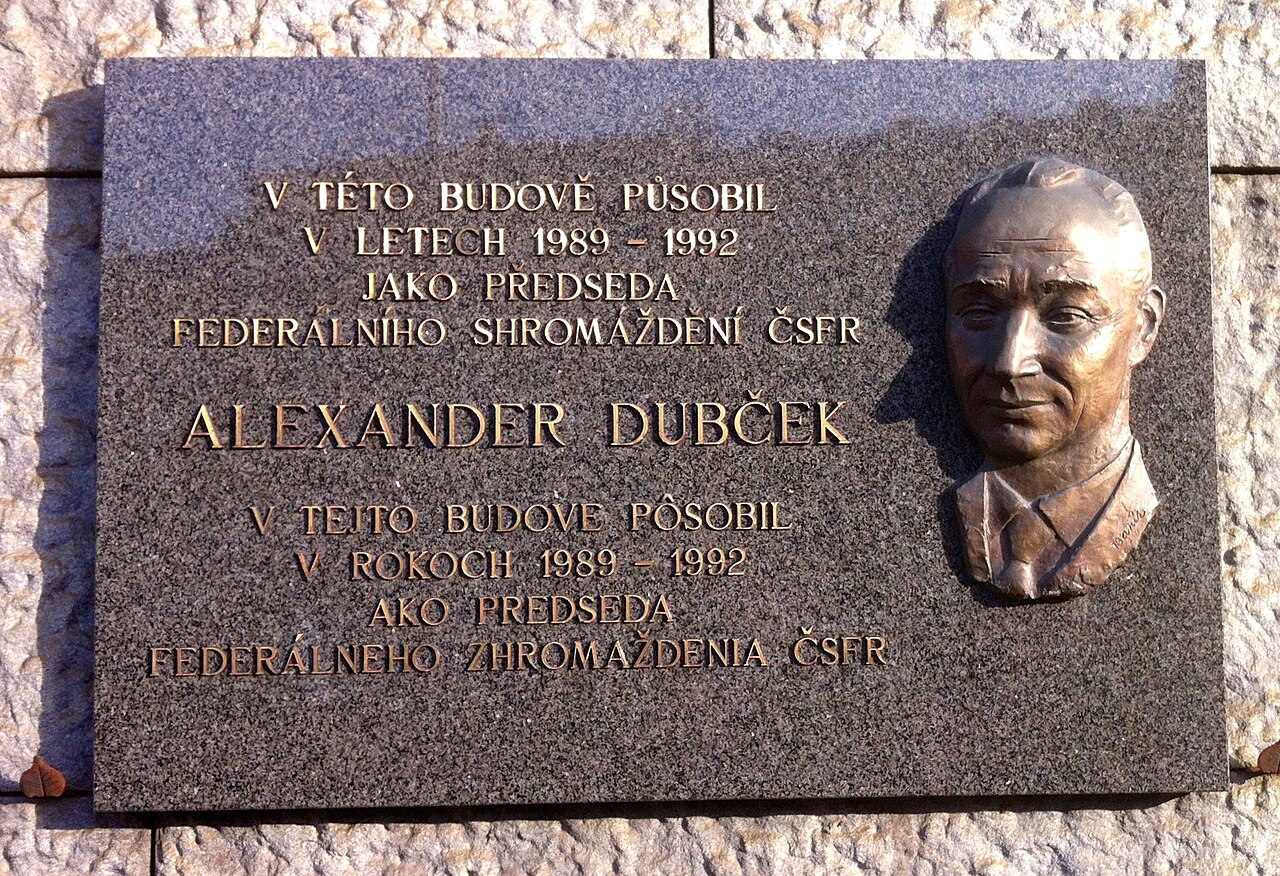
Dubček was born in Uhrovec, Czechoslovakia (now part of Slovakia), on 27 November 1921. When he was three, his family moved to the Soviet Union, living in an industrial cooperative in Kyrgyzstan and later in Gorky. The family returned to Czechoslovakia in 1938.
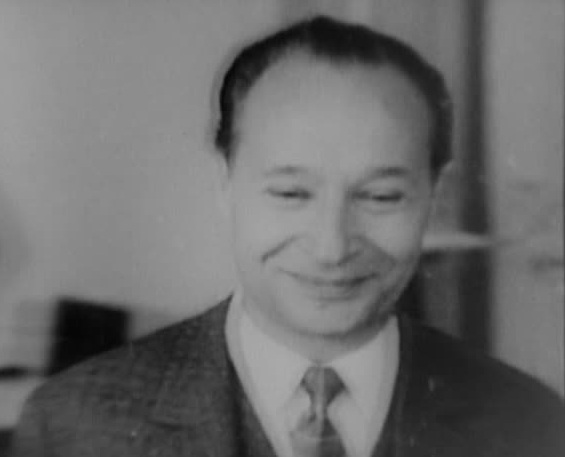
Dubček joined the illegal Communist Party of Slovakia at age 17 and fought in the Slovak National Uprising. He married childhood friend Anna Borseková in September 1945. He studied at Comenius University and later at the University of Politics in Moscow, graduating in 1958.
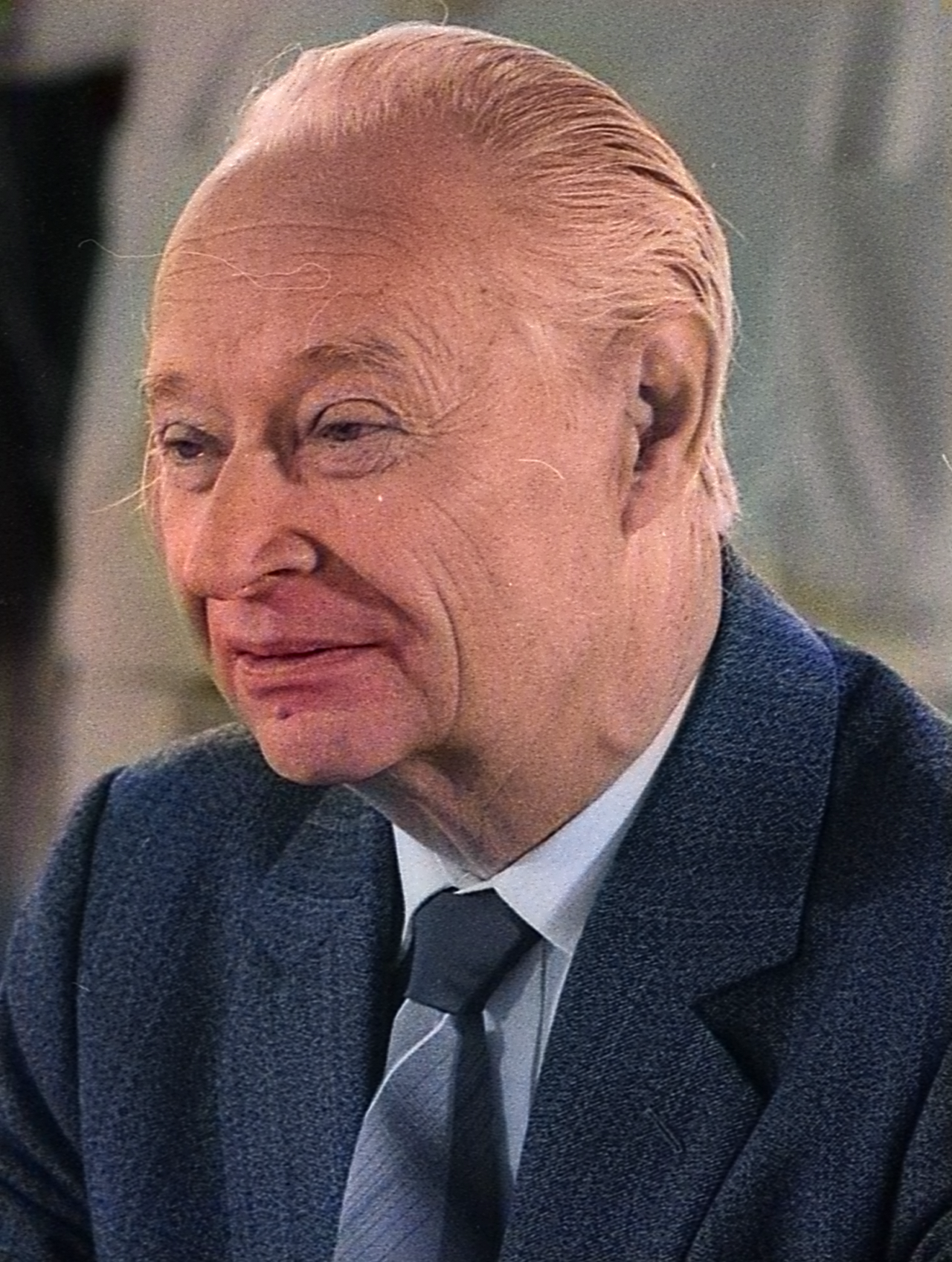
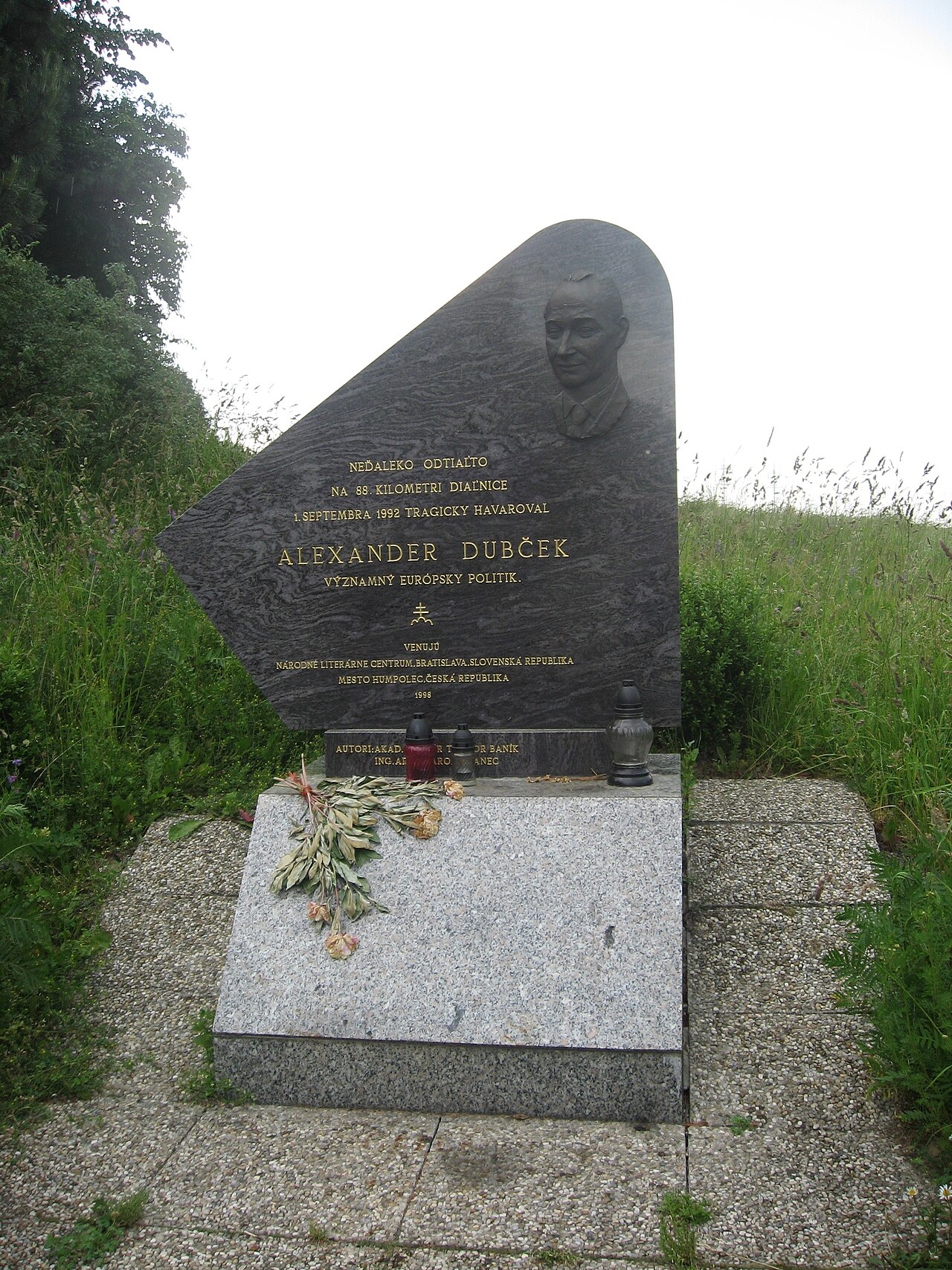
He rose through party ranks in Trenčín, Bratislava, and Banská Bystrica. Dubček was expelled from the Communist Party in 1970, amid a purge that eventually expelled almost two-thirds of the 1968 party membership. He died in an automobile crash in 1992.
Reader's Guide
Dubček is best known by the slogan 'Socialism with a human face.' He led cultural and economic liberalization in Czechoslovakia. His reforms were opposed by conservatives and Soviet-bloc interests. After the Warsaw Pact invasion in August 1968, he was forced to resign as party head in April 1969 and was succeeded by Gustáv Husák.
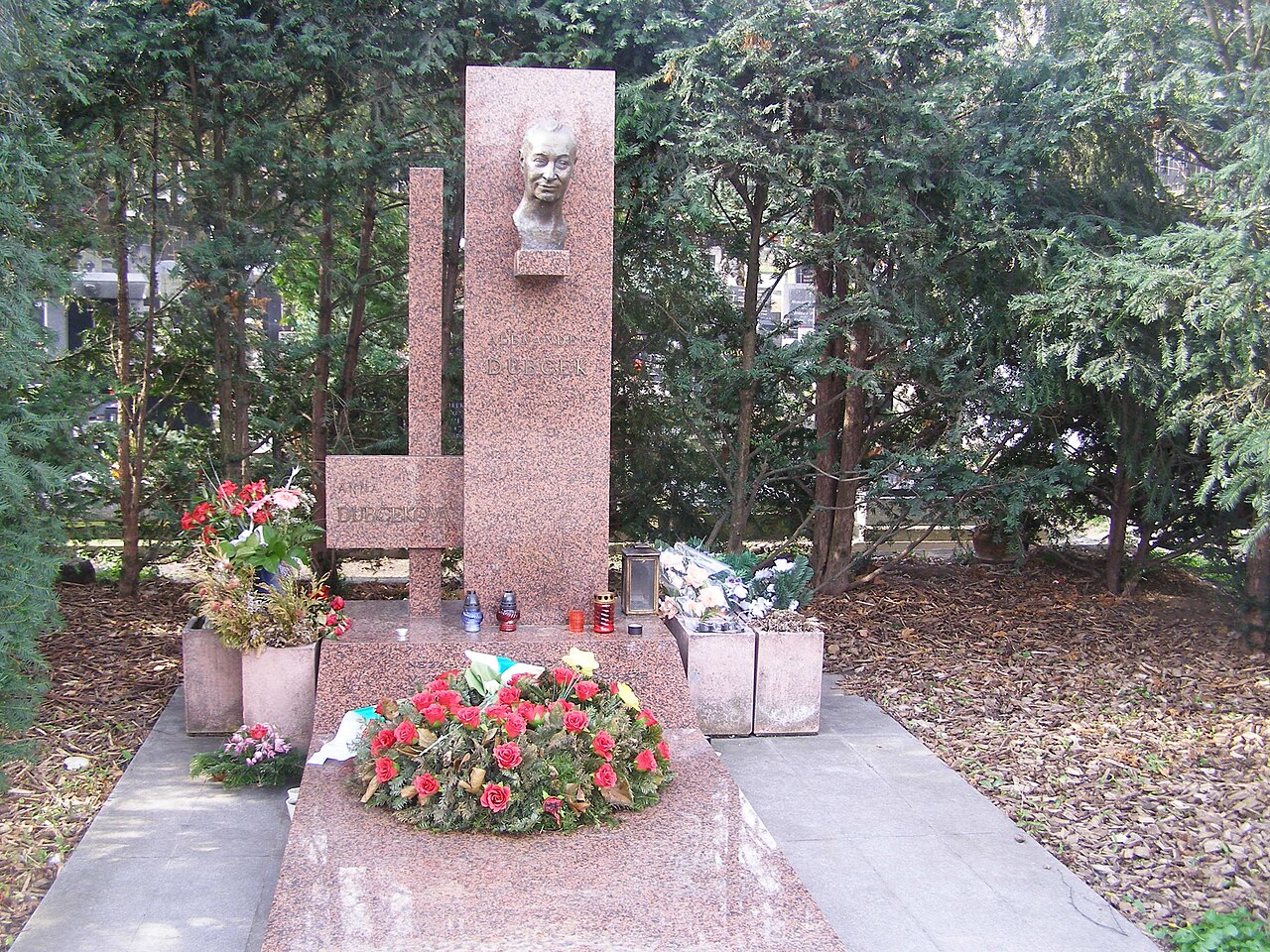
During the Velvet Revolution in 1989, he served as Chairman of the federal Czechoslovak parliament and contended for the presidency with Václav Havel. The European Parliament awarded him the Sakharov Prize in 1989. He withdrew from high politics in the interim but served as a symbolic leader for Eurocommunism.
Did You Know?
- Dubček spent much of his childhood in an Esperantist and Idist industrial cooperative called Interhelpo in Kyrgyzstan.
- His brother Július died in the Slovak National Uprising.
- Andrei Sakharov credited Dubček and the Prague Spring as his inspiration.
- At the time of his death, many saw Dubček as the destined future president of newly-formed Slovakia.
More in Political Leaders & Revolutionaries
Test yourself
Three questions drawn from this entry’s sources. Pick an answer to check it.
Answers checked against the source article
Sources
Compiled from Wikipedia and the sources listed below. Text from Wikipedia is available under CC BY-SA 4.0; this entry is adapted from it.
- Wikipedia: Alexander Dubček (CC BY-SA 4.0).
- Word definitions: the Codexery glossary, each quoted from its Wikipedia article.
Spotted an error? Know more?
Reader corrections go straight into our review queue. Suggest an edit · How this site is sourced