The Everly Brothers
American duo who pioneered country rock with close-harmony singing.

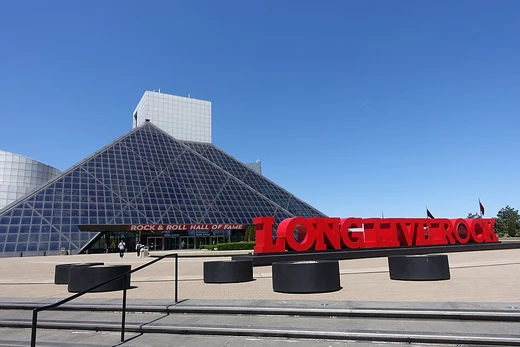
Don and Phil Everly, born in 1937 and 1939 respectively, grew up in a musical household. As kids in the 1940s, they sang on Iowa radio with their parents as the Everly Family. During high school in Knoxville, they performed on both radio and TV. Guitarist Chet Atkins noticed them and started promoting their career. The brothers began writing and recording their own music in 1956. Their first big hit, “Bye Bye Love,” reached No. 1 in spring 1957. More hits followed in 1958, including “Wake Up Little Susie,” “All I Have to Do Is Dream,” and “Problems.” In 1960, they signed with Warner Bros. Records and released “Cathy’s Clown,” their best-selling single. After enlisting in the Marine Corps Reserve in 1961, their output slowed, though they kept releasing hits into the early 1960s. Their last Top 10 hit was “That’s Old Fashioned (That’s the Way Love Should Be)” in 1962. The duo’s popularity in the U.S. faded during the 1960s because of changing musical tastes, ongoing conflicts with Acuff-Rose CEO Wesley Rose, and increased drug use. Still, they continued to score hit singles in the U.K. and Canada and toured successfully throughout the decade. In the early 1970s, both brothers started solo projects, and they ended their partnership in 1973. They reunited in 1983 and performed together on and off until around 2005, when they quietly split again. Phil Everly died in 2014; Don Everly died in 2021. The Everly Brothers’ close-harmony singing and acoustic guitar playing had a major impact on the next generation of musicians. Acts like the Beatles, the Beach Boys, the Bee Gees, and Simon & Garfunkel were heavily influenced by them. In 2015, *Rolling Stone* ranked them No. 1 on its list of the 20 Greatest Duos of All Time. They were inducted into the Rock and Roll Hall of Fame in its inaugural class of 1986 and into the Country Music Hall of Fame in 2001.
- field
- Music
- nationality
- American
- known_for
- Close-harmony singing, steel-string acoustic guitar playing, pioneering country rock
Lore & Background
Don and Phil Everly were raised in a musical family. As children in the 1940s, they appeared on radio in Iowa, singing with their parents as the Everly Family. During their high-school years in Knoxville, they performed on radio and television. The brothers gained the attention of Chet Atkins, who began to promote them. Their first hit song was "Bye Bye Love", which hit No. Additional hits, including "Wake Up Little Susie", "All I Have to Do Is Dream", and "Problems", followed in 1958. In 1960, they signed with Warner Bros. Records and recorded "Cathy's Clown", which was their biggest-selling single. The Everly Brothers experienced a decline in popularity in the United States in the 1960s due to changing tastes in popular music, long-simmering disputes with Acuff-Rose Music CEO Wesley Rose, and increased drug use by the brothers. However, the duo continued to release hit singles in the U.K. and Canada, and they had many successful tours in the 1960s. In 1983, the Everly Brothers reunited.
Reader's Guide
The Everly Brothers, the American duo of Don and Phil Everly, were raised in a musical family, performing on Iowa radio as children in the 1940s with their parents as the Everly Family. After moving to Knoxville, Tennessee, for high school, they continued on radio and television, eventually gaining the attention of guitarist Chet Atkins. Atkins promoted them and introduced them to music publisher Wesley Rose, leading to a recording contract. Their breakthrough came in spring 1957 with "Bye Bye Love," a song previously rejected by many other acts. This was followed by a string of major hits including "Wake Up Little Susie," "All I Have to Do Is Dream," and "Problems." In 1960, they moved to Warner Bros. Records and released "Cathy's Clown," their biggest-selling single. Their output slowed after enlisting in the U.S. Marine Corps Reserve in 1961, though hits continued into the early 1960s, ending with "That's Old Fashioned (That's the Way Love Should Be)" in 1962.
Their popularity in the U.S. declined in the 1960s due to changing musical tastes, disputes with Wesley Rose, and increased drug use, but they remained successful in the U.K. and Canada and toured extensively. The brothers began solo work in the early 1970s and ended their partnership in 1973, reuniting in 1983. They performed periodically as a duo until around 2005. Phil Everly died in 2014, and Don Everly died in 2021. Their close-harmony singing and acoustic guitar playing profoundly influenced later acts such as the Beatles, the Beach Boys, the Bee Gees, and Simon & Garfunkel. In 2015, Rolling Stone ranked them the greatest duo of all time. They were inducted into the Rock and Roll Hall of Fame in 1986 and the Country Music Hall of Fame in 2001. Don Everly received the first Iconic Riff Award from the Musicians Hall of Fame in 2019 for his guitar introduction on "Wake Up Little Susie."
Did You Know?
- The Everly Brothers' first hit, "Bye Bye Love", had been rejected by 30 other acts before they recorded it.
- Their biggest-selling single, "Cathy's Clown", sold eight million copies and was the first selection Warner Bros. Records ever released in the United Kingdom.
Frequently Asked Questions
Who are The Everly Brothers?
The Everly Brothers were an American sibling duo—Don and Phil Everly—famous for their tight vocal harmonies and steel-string acoustic guitar work. They blended rock and roll, country, and pop into a distinctive sound that shaped the next generation of popular music.
What made The Everly Brothers stand out in rock & roll history?
Their signature close-harmony singing style, paired with raw acoustic guitar playing, set them apart from most rock acts of the 1950s. This combination gave their music a stripped-down, emotionally direct quality that influenced countless later artists.
Which famous bands were influenced by The Everly Brothers?
The Beatles, the Beach Boys, the Bee Gees, and Simon & Garfunkel all cited the duo as a major inspiration. Their interlocking vocal arrangements became a blueprint for harmony-driven pop and rock throughout the 1960s and beyond.
What genre did The Everly Brothers help pioneer?
They are widely credited as pioneers of country rock, fusing country twang with rock and roll energy and pop accessibility. Their approach laid groundwork for artists decades later who would blend country and rock into a single sound.
More in Pioneers Of Rock & Roll 1-23
Spotted an error? Know more?
This is a living reference — every entry is fact-audited, and reader corrections feed straight into our audit queue. Suggest an edit · See this site's audit record