Bill Haley
American rock and roll musician who popularized the genre.

William John Clifton Haley was born on July 6, 1925, in Highland Park, Michigan. At age four, a mastoid operation on his inner ear accidentally cut an optic nerve, leaving him blind in his left eye for life. He later adopted a kiss curl over his right eye to draw attention away from the blind eye—a gimmick that boosted his popularity. When the Great Depression hit Detroit, his father moved the family to Bethel Township, Pennsylvania, when Bill was seven. His father, from Kentucky, played banjo and mandolin; his mother, a British immigrant from Ulverston, England, was a classically trained keyboardist. When young Bill made a pretend guitar from cardboard, his parents bought him a real one. At age thirteen, in 1938, he performed guitar and songs at a Bethel Junior baseball team event. According to 1956 Decca album notes, he left home at fifteen with his guitar, living in poverty until he joined a group called the Down Homers in Hartford, Connecticut. In 1947, he formed his own group, the Four Aces of Western Swing, later renamed the Saddlemen. They signed with Holiday Records and, on June 14, 1951, recorded a cover of the Delta Cats’ “Rocket 88.”
Over Labor Day weekend in 1952, the Saddlemen became Bill Haley with Haley’s Comets. The name, inspired by the pronunciation of Halley’s Comet, came from Bob Johnson, program director at radio station WPWA, where Haley hosted a live show from noon to 1 p.m. In 1953, Haley’s “Crazy Man, Crazy” (co-written with bassist Marshall Lytle, though Lytle wasn’t credited until 2001) reached number 12 on Billboard and number 11 on Cash Box. Some call this the first rock and roll record, though rockabilly may be more accurate. By then, the group was called the Comets, not the Saddlemen. In 1954, Haley recorded “Rock Around the Clock.” It initially peaked at number 36 on Cash Box and stayed on charts only two weeks. Upon re-release, it hit number one on July 9, 1955. Earlier, “Shake, Rattle and Roll”—a cover of Big Joe Turner’s rhythm and blues song—became a worldwide hit, sold a million copies, and was the first rock ’n’ roll song to enter the UK Singles Chart in December 1954, earning a gold record. Haley sped up the original slow blues, added Western swing elements, and changed some lyrics. His band helped bring rock and roll to a wider audience after it had been an underground genre.
When “Rock Around the Clock” became the theme for the 1955 film *Blackboard Jungle*, it topped the American Billboard chart for eight weeks. The single is often seen as the dividing line between the rock era and earlier music; Billboard split its charts into 1890–1954 and 1955–present. After it hit number one, Haley gained widespread popularity, and rock music quickly ended the dominance of jazz and pop standards by artists like Frank Sinatra, Jo Stafford, Perry Como, Bing Crosby, Eddie Fisher, and Patti Page. “Rock Around the Clock” was also the first record to sell over a million copies in both Britain and Germany. The guitar solo on the record was played by Danny Cedrone, not a Comet member; he died shortly after the recording from a fall down stairs at age 33. On May 31, 1955, Bill Haley and the Comets performed the song on NBC’s *Texaco Star Theater* with Milton Berle, in an a cappella and lip-synched version. Berle predicted it would go number one, and the entire cast joined in. This was one of the first nationally televised rock and roll performances, giving the genre a much larger audience. They were also the first rock and roll act on *The Ed Sullivan Show*, appearing on August 7, 1955, live from Stratford, Connecticut, with Franny Beecher on lead guitar and Dick Richards on drums. They returned on April 28, 1957, performing “Rudy’s Rock” and “Forty Cups of Coffee.”
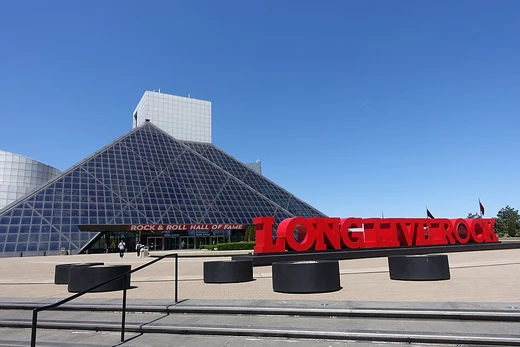
Haley sold over 60 million records worldwide. In 1987, he was posthumously inducted into the Rock and Roll Hall of Fame.
- born
- July 6, 1925, Highland Park, Michigan
- died
- February 9, 1981
- nationality
- American
- known_for
- Popularizing rock and roll in the early 1950s with Bill Haley & His Comets
Verified Timeline
Lore & Background
Haley was born July 6, 1925, in Highland Park, Michigan. In 1929, a mastoid operation accidentally severed an optic nerve, leaving him blind in his left eye. He adopted a trademark kiss curl over his right eye to draw attention from his left. His father moved the family to Bethel Township, Pennsylvania, when Bill was seven. His father played banjo and mandolin; his mother was a classically trained keyboardist. When he made a simulated guitar out of cardboard, his parents bought him a real one. One of his first appearances was in 1938 for a Bethel Junior baseball team entertainment event, performing guitar and songs when he was 13. He left home at fifteen with his guitar and spent years in poverty until joining the Down Homers in Hartford, Connecticut. In 1947, he formed the Four Aces of Western Swing, later renamed the Saddlemen. On June 14, 1951, the Saddlemen recorded a cover of "Rocket 88". During Labor Day weekend in 1952, the Saddlemen were renamed Bill Haley with Haley's Comets, a name inspired by the pronunciation of Halley's Comet and suggested by Bob Johnson, program director at radio station WPWA. In 1953, Haley's recording of "Crazy Man, Crazy" hit the American charts, peaking at number 12 on Billboard.
Reader's Guide
Bill Haley is widely credited with first popularizing rock and roll to a mainstream audience in the early 1950s. His recording of "Rock Around the Clock" became a global phenomenon after appearing in the 1955 film Blackboard Jungle, topping the American Billboard chart for eight weeks and marking a line of demarcation between the rock era and earlier music. The song was the first record to sell over one million copies in both Britain and Germany. Haley had already had a worldwide hit with "Shake, Rattle and Roll", which sold a million copies and was the first rock 'n' roll song to enter the UK Singles Chart in December 1954. Bill Haley and the Comets performed "Rock Around the Clock" on the Texaco Star Theater hosted by Milton Berle on May 31, 1955, on NBC. They were the first rock and roll act to appear on the Ed Sullivan Show on August 7, 1955. In 1957, Haley became the first major American rock singer to tour Europe. He performed for Queen Elizabeth II at the Royal Variety Performance on November 26, 1979. He sold over 60 million records worldwide and was posthumously inducted into the Rock and Roll Hall of Fame in 1987.
Did You Know?
- In 1929, a mastoid operation accidentally severed an optic nerve, leaving Haley blind in his left eye for life.
- Haley's trademark kiss curl over his right eye was adopted to draw attention from his blind left eye.
- The name 'Bill Haley with Haley's Comets' was inspired by the pronunciation of Halley's Comet and suggested by a radio station program director.
- Danny Cedrone, who played the guitar solo on 'Rock Around the Clock', died shortly after the recording from a fall down stairs at his home, aged 33.
- Haley performed for Queen Elizabeth II at the Royal Variety Performance on November 26, 1979.
Musical Roots and a Troubled Start
William John Clifton Haley was born on July 6, 1925, in Highland Park, Michigan, into a home where music was everyday. His Kentucky-born father played banjo and mandolin, while his mother, Maude Green, a British immigrant from Ulverston, England, brought classical keyboard training to the family. Yet early childhood carried a cruel twist: in 1929, a four-year-old Bill underwent an inner-ear mastoid operation that inadvertently severed his left optic nerve, leaving him blind in that eye for life. He reportedly grew his signature kiss curl over his good eye to deflect stares, a quirk that later became a stage trademark. The Great Depression forced the family to Bethel Township, Pennsylvania, when Bill was seven. His musical awakening came early—he performed guitar and songs at a local baseball team event in 1938 at thirteen, and his parents rewarded a homemade cardboard guitar by purchasing a real one. By fifteen, he had left home with his guitar and wandered through poverty until he joined the Down Homers in Hartford, Connecticut. In 1947 he assembled his own group, the Four Aces of Western Swing, soon renamed the Saddlemen, who signed with Dave Miller's Holiday Records and recorded a cover of "Rocket 88" in June 1951.
The Comets and the Birth of a Genre
During the Labor Day weekend of 1952, the Saddlemen shed their old name and became Bill Haley and His Comets, a title inspired by the supposedly official pronunciation of Halley's Comet and suggested by Bob Johnson, program director at radio station WPWA, where Haley hosted a midday live show. The new identity arrived just as the group was ready to redefine popular music. In 1953, their recording of "Crazy Man, Crazy," co-written by Haley and bass player Marshall Lytle (though Lytle would not receive credit until 2001), climbed to number twelve on Billboard and number eleven on Cash Box. Some music historians point to this track as the first rock and roll record ever pressed, though the rockabilly label may fit more precisely. That same era produced "Shake, Rattle and Roll," a cover of Big Joe Turner's slow blues that Haley and his band accelerated with Western swing rhythms and reworked lyrics. The single sold a million copies and became the first rock 'n' roll song to enter the UK Singles Chart in December 1954, earning a gold record. Through these recordings, Haley and his Comets pulled a genre that had lingered in underground circles into the mainstream spotlight, laying the groundwork for the explosion that would follow.
Rock Around the Clock and the Cultural Earthquake
Haley recorded "Rock Around the Clock" in 1954, but its initial release was merely a modest chart entry, peaking at number thirty-six on Cash Box and vanishing after two weeks. Everything changed when the song was selected as the theme for the 1955 film Blackboard Jungle, starring Glenn Ford. On re-release, the single rocketed to number one on July 9, 1955, and held the top Billboard spot for eight weeks. The cultural shock was so profound that Billboard itself divided its statistical records into two eras: 1890 through 1954, and 1955 onward. The song's triumph ended the long dominance of jazz and pop standards from artists like Frank Sinatra, Bing Crosby, Perry Como, and Patti Page. It also became the first record to sell over a million copies in both Britain and Germany. The guitar solo was played by Danny Cedrone, not a Comets member, who tragically died shortly after the session following a fall down his stairs at age thirty-three. Haley and the band also made landmark television appearances, including an a cappella lip-synched performance on Milton Berle's Texaco Star Theater in May 1955 and becoming the first rock and roll act on the Ed Sullivan Show in August of that year, broadcast live from the Shakespeare Festival Theater in Stratford, Connecticut.
Legacy, Global Reach, and the Passing of an Era
By the time his popularity in the United States was gradually eclipsed by the younger Elvis Presley, Bill Haley had already achieved something no American rock singer had done before: he became the first major American rock act to tour Europe, in 1957. His international appeal never waned; he continued to enjoy enormous popularity across Latin America, Europe, and Australia throughout the latter half of the 1950s. He also starred in the first rock and roll musical films, Rock Around the Clock and Don't Knock the Rock, both released in 1956, cementing his image as the face of the new genre on the silver screen. His catalog of hits—spanning "See You Later, Alligator," "Skinny Minnie," "Razzle Dazzle," and many others—accumulated to more than sixty million records sold worldwide. After his death on February 9, 1981, the music industry finally offered a formal acknowledgment of his pioneering role: in 1987, Bill Haley was posthumously inducted into the Rock and Roll Hall of Fame. For a generation of listeners, his name remains inseparable from the moment rock and roll ceased to be a subculture and became the dominant force in popular music.
Frequently Asked Questions
Who is Bill Haley?
Bill Haley was an American bandleader born in Highland Park, Michigan in 1925, best known for fronting Bill Haley & His Comets. He is broadly credited with bringing rock and roll to a mass mainstream audience during the early 1950s.
What is Bill Haley most famous for?
He is widely regarded as the artist who first pushed rock and roll into the national spotlight, moving the genre from regional novelty to a global phenomenon. His 1954 single 'Rock Around the Clock' became a cultural touchstone and one of the best-selling records of its era.
What are Bill Haley's biggest hits?
Beyond 'Rock Around the Clock,' the Comets scored with 'See You Later, Alligator,' 'Shake, Rattle and Roll,' 'Rocket 88,' and 'Skinny Minnie.' Together these tracks helped define the high-energy, guitar-driven sound that would come to characterize rock and roll.
How did Bill Haley's life end?
Haley passed away on February 9, 1981, at the age of 55. By that point his commercial peak had long passed, but his recordings continued to shape the genre for decades after his death.
Is Bill Haley in the Rock and Roll Hall of Fame?
Yes—he was posthumously inducted in 1987, six years after his passing. The honor solidified his standing as one of the foundational figures in the history of rock music.
More in Pioneers Of Rock & Roll 1-23
Related in Pioneers Of Rock & Roll
Links follow this subject's own source article.
Spotted an error? Know more?
This is a living reference — every entry is fact-audited, and reader corrections feed straight into our audit queue. Suggest an edit · See this site's audit record