Ricky Nelson
American musician and actor, teen idol turned country rock artist.

Eric Hilliard Nelson—known as Ricky or Rick—was an American actor and musician born on May 8, 1940, who died in a plane crash on December 31, 1985. He began appearing on the radio and television series *The Adventures of Ozzie and Harriet* at age eight, performing alongside his family. His recording career took off in 1957, and he became a popular artist. That success, combined with his TV fame, earned him a role in Howard Hawks’ 1959 western *Rio Bravo*, where he acted alongside John Wayne, Dean Martin, Walter Brennan, and Angie Dickinson.
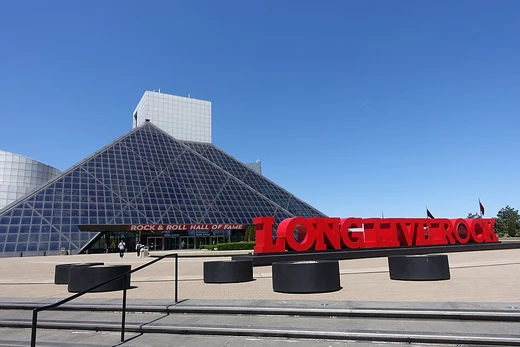
Between 1957 and 1973, Nelson placed 54 songs on the *Billboard* Hot 100 and its earlier charts. His 1958 single “Poor Little Fool” became the first number one on the newly created Hot 100. He scored 17 additional top-ten hits and was inducted into the Rock and Roll Hall of Fame on January 21, 1987. In 1996, *TV Guide* ranked him No. 49 on its list of the 50 Greatest TV Stars of All Time.
Nelson’s entertainment career started in 1949 when he played himself on the radio sitcom *The Adventures of Ozzie and Harriet*. He made his film debut in 1952’s *Here Come the Nelsons*. In 1957, he released his first single (“I’m Walkin’” b/w “A Teenager’s Romance”), sang on the TV version of the sitcom for the first time, and put out the number-one album *Ricky*. The next year, his first number-one single, “Poor Little Fool,” came out. In 1959, he received a Golden Globe nomination for Most Promising Male Newcomer after *Rio Bravo*. A few more film roles followed. When the TV series ended in 1966, he made occasional guest appearances on other shows.
In his twenties, Nelson moved away from pop music and toward country rock, after releasing several straight country albums. He recorded multiple albums with session musicians, most of which failed. In 1969, he formed the Stone Canyon Band, which revived his career, helped by the live album *In Concert at the Troubadour, 1969*. He had a surprise hit in 1972 with “Garden Party,” which reached No. 6 on the Hot 100. The comeback didn’t last: his record label was bought and dissolved, and his new label poorly promoted his follow-up albums. He kept performing live and taking small TV roles through the 1970s, but his label dropped him by the decade’s end. He released two more albums with weak results before his death.
Nelson married Sharon Kristin Harmon in 1963; they divorced in 1982. They had four children: actress Tracy Nelson, twin sons and musicians Gunnar and Matthew, and actor Sam.
He was born in Teaneck, New Jersey, on May 8, 1940, the second son of entertainers Ozzie and Harriet Nelson. His father was of half-Swedish descent. His older brother was actor David Nelson. While Ozzie toured with his orchestra, Harriet stayed in Englewood, New Jersey, with her newborn and toddler. The family bought a two-story colonial house in Tenafly, New Jersey, but moved to Hollywood six months later for Ozzie and Harriet to appear on Red Skelton’s *The Raleigh Cigarette Hour* in the 1941–42 season; Ricky stayed in Tenafly with his paternal grandmother. In November 1941, the Nelsons bought a permanent home at 1822 Camino Palmero in Los Angeles, and Ricky joined them there in 1942.
Ricky was small, insecure, and had severe asthma, using a vaporizer with tincture of evergreen to sleep. Red Skelton’s producer John Guedel called him “an odd little kid,” likable, shy, introspective, mysterious, and inscrutable. When Skelton was drafted in 1944, Guedel created the radio sitcom *The Adventures of Ozzie and Harriet* for Ricky’s parents. It debuted on October 8, 1944, to good reviews. Ozzie became the head writer, basing episodes on his sons’ exploits and rivalry. Professional child actors first played the Nelson boys on the radio; Dave joined at age twelve and Ricky at age eight on February 20, 1949, in the episode “Invitation to Dinner.”
In 1952, the Nelsons tested a TV series with the theatrical film *Here Come the Nelsons*, which was a hit. Ozzie then decided the family could move from radio to television. *The Adventures of Ozzie and Harriet* debuted on TV on October 3, 1952, and ran in first run until September 3, 1966, becoming one of the longest-running sitcoms in TV history.
Nelson attended Gardner Street Public School, Bancroft Junior High, and Hollywood High School, graduating in 1958 with a B average. He played football and tennis for Hollywood High. Twenty-five years later, he told the *Los Angeles Weekly* he hated school because it “smelled of pencils” and he had to get up early. In January 1960, he and his brother performed a trapeze act on an episode of *The Adventures of Ozzie and Harriet* titled “The Circus.” Ozzie, a Rutgers alumnus, wanted Ricky to go to college, but at eighteen Ricky was already in the 93 percent income-tax bracket and saw no reason to attend. At thirteen, he earned over $100,000 a year; at sixteen, he had a personal fortune of $500,000 (about $5.92 million in 2025). His parents managed his wealth, putting his earnings into trust funds.
- born
- May 8, 1940, Teaneck, New Jersey
- died
- December 31, 1985, plane crash
- field
- Musician and actor
- nationality
- American
- known_for
- Starring in The Adventures of Ozzie and Harriet; recording 'Poor Little Fool', t
Verified Timeline
Lore & Background
Nelson was born on May 8, 1940, in Teaneck, New Jersey, the second son of entertainment couple Ozzie and Harriet Nelson. He was a small and insecure child who suffered from severe asthma. He attended Gardner Street Public School, Bancroft Junior High, and Hollywood High School, from which he graduated with a B average. At age thirteen, he was making over $100,000 per annum, and at sixteen he had a personal fortune of $500,000. He played clarinet and drums in his tweens and early teens, learned rudimentary guitar chords, and vocally imitated his favorite Sun Records rockabilly artists. He was strongly influenced by the music of Carl Perkins and once said he tried to emulate the sound and the tone of the guitar break in Perkins's March 1956 Top Ten hit "Blue Suede Shoes". At age sixteen, with his father's help, he secured a one-record deal with Verve Records. On March 26, 1957, he recorded the Fats Domino standard "I'm Walkin'" and "A Teenager's Romance", released in late April 1957 as his first single. He made his television rock-and-roll debut on April 10, 1957, singing and playing the drums to "I'm Walkin'" in the Ozzie and Harriet episode "Ricky, the Drummer". His first Imperial single, "Be-Bop Baby", generated 750,000 advance orders, sold over one million copies, and reached No. 3 on the charts. His first album, Ricky, was released in October 1957 and hit No. 1 before the end of the year. He placed 54 songs on the Billboard Hot 100 and its predecessors between 1957 and 1973, including "Poor Little Fool" in 1958, which was the first number one song on Billboard magazine's then-newly created Hot 100 chart. He recorded 17 additional top ten hits. In his twenties, he moved away from the pop music of his youth and began to perform in a country rock style after multiple straight country music albums. He formed the Stone Canyon Band in 1969 and experienced a career resurgence, buoyed by the live album In Concert at the Troubadour, 1969 and had a surprise hit with 1972's "Garden Party", which peaked at number six on the Billboard Hot 100. His comeback was short-lived, however, as his record label was bought out and folded, and his followup albums were not well promoted by his new label. He continued to perform live and take small television roles through the 1970s, though his label dropped him by the end of the decade. He released two more albums, with unimpressive results, before his death in a plane crash on New Year's Eve, 1985. Nelson was married once, to Sharon Kristin Harmon, from 1963 until their divorce in 1982. They had four children: actress Tracy Nelson, twin sons and musicians Gunnar and Matthew, and actor Sam.
Reader's Guide
Ricky Nelson's significance lies in his dual career as a television star and recording artist, bridging the gap between the family-friendly sitcom era and the rise of rock and roll. He was one of the first teen idols to successfully transition from acting to music, and his 1958 single "Poor Little Fool" became the first number one on Billboard's newly created Hot 100 chart, marking a milestone in music history. His later shift to country rock, exemplified by the 1972 hit "Garden Party", showed his artistic evolution. He was inducted into the Rock and Roll Hall of Fame on January 21, 1987, and in 1996 was ranked No. 49 on TV Guide's 50 Greatest TV Stars of All Time. His legacy includes 54 charted singles and 17 additional top ten hits, as well as a memorable role in the classic western Rio Bravo.
Did You Know?
- Nelson's first single, "I'm Walkin'" b/w "A Teenager's Romance", was released on Verve Records (catalog number 10047X4S).
- At age sixteen, Nelson had a personal fortune of $500,000, equivalent to about $5,920,000 in 2025.
- He once collected and redeemed empty pop bottles to gain entrance to a movie theater for himself and a date because he was strapped for cash despite his wealth.
- Nelson's first Imperial single, "Be-Bop Baby", generated 750,000 advance orders before release.
- He was strongly influenced by Carl Perkins and tried to emulate the guitar break in Perkins's 1956 hit "Blue Suede Shoes".
Frequently Asked Questions
Who is Ricky Nelson?
Ricky Nelson was an American musician and actor born in Teaneck, New Jersey, in 1940. He first rose to fame as a child star on the TV series The Adventures of Ozzie and Harriet, then became one of the defining teen idols and recording artists of the late 1950s.
What was Ricky Nelson's first number-one hit?
His 1958 single "Poor Little Fool" became the very first song to claim the top spot on the newly launched Billboard Hot 100 chart. That milestone marked the start of a long run of chart-topping records for him.
How did Ricky Nelson die?
Nelson died on December 31, 1985, when the small aircraft he was piloting crashed into Lake Michigan. He was 45 years old at the time of the accident.
Did Ricky Nelson appear in any films?
Yes, he co-starred in Howard Hawks's 1959 western Rio Bravo alongside John Wayne, Dean Martin, Walter Brennan, and Angie Dickinson. His simultaneous success on television and in recording studios made him one of the most visible young entertainers of his generation.
Why is Ricky Nelson considered a pioneer of rock & roll?
He helped bridge 1950s teen pop with the nascent country-rock style that would later shape artists like Bob Dylan and Bruce Springsteen. By topping the inaugural Billboard Hot 100 and blending rockabilly with country influences, he set a commercial and sonic template for the rock era that followed.
More in Pioneers Of Rock & Roll 1-23
Related in Pioneers Of Rock & Roll
Links follow this subject's own source article.
Spotted an error? Know more?
This is a living reference — every entry is fact-audited, and reader corrections feed straight into our audit queue. Suggest an edit · See this site's audit record