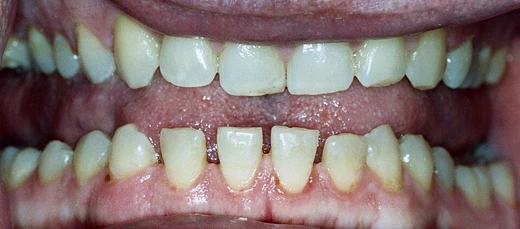
Rondo Hatton
Journalist turned horror actor with acromegaly.

Rondo Hatton (April 22, 1894 – February 2, 1946) was an American journalist and actor. He worked as a writer for The Tampa Tribune before entering the film industry, where his distinctive appearance—caused by acromegaly—led to roles in horror movies. Late in his life, he starred in Universal Studios horror films, becoming a cult figure.
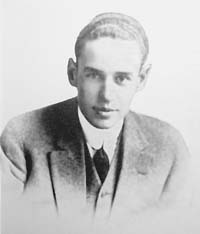
Hatton was born in the infirmary of Kee Mar College, a girls' school in Hagerstown, Maryland. His family moved several times during his childhood, eventually settling in Tampa, Florida. At Hillsborough High School, he competed in track and football and was voted Handsomest Boy in his senior class. After school, he became a sportswriter for The Tampa Tribune and continued in journalism until after World War I, when acromegaly began to distort his head, face, and limbs. The condition progressed steadily, leaving him severely disfigured. Because acromegaly typically develops in adulthood, film studio publicity departments later falsely claimed his appearance was due to elephantiasis from exposure to mustard gas during World War I. Hatton served in combat with the United States Army during World War I, including service in France, but was discharged because of his illness.
While covering the filming of *Hell Harbor* (1930) for The Tampa Tribune, director Henry King noticed Hatton and gave him a small role. After some hesitation, Hatton moved to Hollywood in 1936 to take similar, often uncredited, bit parts. One of his more notable early roles was as a contestant in an "ugly man competition" in RKO's *The Hunchback of Notre Dame*, where he loses to a heavily made-up Charles Laughton. He also played an uncredited lynch mob member in the 1943 film *The Ox-Bow Incident*. Universal Studios began promoting him as a horror star after he played the Creeper (also called the Hoxton Horror) in the studio's ninth Sherlock Holmes film, *The Pearl of Death* (1944). He went on to play the Creeper in two more films, *House of Horrors* and *The Brute Man*, both shot in 1945 but released after his death.
Around Christmas 1945, Hatton experienced a series of heart attacks caused by his acromegaly. He died of a fatal heart attack on February 2, 1946, at his home on South Tower Drive in Los Angeles. His body was taken to Florida and buried at the American Legion Cemetery in Tampa.
Quick Facts
- Birth Date
- 1894-04-22
- Birth Place
- Hagerstown, Maryland, U.S.
- Death Date
- 1946-02-02
- Death Place
- Beverly Hills, California, U.S.
- Resting Place
- American Legion Cemetery, Tampa, Florida
- Occupation
- Journalist, actor
- Years Active
- 1927–1946
- Employer
- The Tampa Tribune
- Spouse
- Elizabeth Immell James · 1926 · 1930 (1934–1946)
Facts from the source article.
Lore & Background
Hatton was born in the Kee Mar College girls' infirmary in Hagerstown, Maryland. The family moved several times before settling in Tampa, Florida. He starred in track and football at Hillsborough High School and was voted Handsomest Boy in his class his senior year. In Tampa, he worked as a sportswriter for The Tampa Tribune, continuing as a journalist until after World War I, when symptoms of acromegaly developed. The disease gradually distorted his head, face, and extremities, causing severe disfigurement. Film studio publicity later incorrectly attributed his appearance to elephantiasis from a German mustard gas attack during World War I; Hatton served in combat during World War I, primarily in France, and was discharged due to his illness.
Director Henry King noticed Hatton while he was covering the filming of *Hell Harbor* (1930) for The Tampa Tribune and gave him a small role. After some hesitation, Hatton moved to Hollywood in 1936 to take similar, often uncredited, bit parts. One of his more notable early roles was as a contestant in an "ugly man competition" in RKO's *The Hunchback of Notre Dame*, where he loses to a heavily made-up Charles Laughton. He also played an uncredited lynch mob member in the 1943 film *The Ox-Bow Incident*. Universal Studios began promoting him as a horror star after he played the Creeper (also called the Hoxton Horror) in the studio's ninth Sherlock Holmes film, *The Pearl of Death* (1944). He went on to play the Creeper in two more films, *House of Horrors* and *The Brute Man*, both shot in 1945 but released after his death.
Reader's Guide
Rondo Hatton's significance lies in his unique path from journalism to horror stardom, driven by the physical changes of acromegaly. His portrayal of 'The Creeper' for Universal Studios cemented his status as a cult icon, with his likeness inspiring characters in later media. His legacy extends through the Rondo Hatton Classic Horror Awards, established in 2002, which honor classic horror with a bust of his face. Hatton's name and face have become recurring motifs in popular culture, referenced in television series like The Rockford Files, comic books such as Judge Dredd and The Rocketeer, and novels by Stephen King and Robert Rankin. A 2017 documentary, Rondo and Bob, explores his life alongside that of art director Robert A. Burns. The full story of his life is detailed in the 2019 book Rondo Hatton: Beauty Within the Brute by Scott Gallinghouse. Hatton's enduring presence in horror fandom and pop culture underscores his lasting impact as a figure whose appearance, shaped by disease, became his trademark.
Did You Know?
- Hatton was voted Handsomest Boy in his high school class before acromegaly altered his features.
- His disfigurement was incorrectly attributed by film studios to elephantiasis from a mustard gas attack, though he actually had acromegaly.
- He played 'The Creeper' in two films—House of Horrors and The Brute Man—both filmed in 1945 but released after his death in 1946.
- The Rondo Hatton Classic Horror Awards, established in 2002, use a bust of his face as the physical award.
From Handsome Boy to Disfigured Journalist
Rondo Hatton entered the world on April 22, 1894, in the infirmary of Kee Mar College in Hagerstown, Maryland. His family relocated repeatedly during his childhood before putting down roots in Tampa, Florida, where he excelled in both track and football at Hillsborough High School. His senior year, classmates voted him the Handsomest Boy in his class—a detail that would later take on a bitter irony. Hatton built a steady career as a sportswriter for The Tampa Tribune, continuing his journalism work well into the post–World War I era. It was only after the war that the symptoms of acromegaly began to manifest, slowly and relentlessly reshaping his head, face, and extremities until he was severely disfigured. Because the condition emerged in adulthood, Hollywood publicity departments later and erroneously blamed his appearance on elephantiasis supposedly contracted from a German mustard gas exposure during the war. In truth, Hatton had served in combat with the U.S. Army, including the Pancho Villa Expedition along the Mexican border and in France, before being discharged due to his illness.
From Extra to Universal's Horror Star
Director Henry King first noticed Hatton while the journalist was covering the production of Hell Harbor (1930) for The Tampa Tribune, and offered him a small part. After a period of hesitation, Hatton made the move to Hollywood in 1936, where he spent years in uncredited bit and extra roles. One memorable appearance came in RKO's The Hunchback of Notre Dame, where he competed in an "ugly man competition" and lost to a heavily made-up Charles Laughton. He also played Gabe Hart, a member of a lynch mob, in the 1943 film The Ox-Bow Incident. The turning point arrived with Universal's ninth Sherlock Holmes picture, The Pearl of Death (1944), in which Hatton portrayed The Hoxton Creeper. Universal immediately recognized the marketing potential of his striking features and repositioned him as a dedicated horror star. He went on to make two more films as "the Creeper"—House of Horrors and The Brute Man—both shot in 1945 but not released until after his death the following year. In those final months, Hatton had earned a reputation as a cult icon of the genre.
A Death and an Enduring Cultural Echo
Around Christmas 1945, Hatton endured a series of heart attacks directly linked to his acromegalic condition. On February 2, 1946, a fatal heart attack struck at his home on South Tower Drive in Los Angeles. His body was shipped back to Florida and buried at the American Legion Cemetery in Tampa. Yet his face and name refused to fade. In the 1970s, The Rockford Files featured the exasperated line "You're no Rondo Hatton!" Dave Stevens's Rocketeer comics and Disney's 1991 film adaptation both drew on his likeness for the villain Lothar, played by Tiny Ron in prosthetics. Scooby-Doo's The Creeper appears to be a caricature of Hatton's Universal character. In 2000 AD, Judge Dredd's face was revealed for the first time in issue 52 (1978), modeled on Hatton, as artist Brian Bolland confirmed. Stephen King's The Dark Tower VII (2004) described a character as looking like Hatton, and Doctor Who's "The Wedding of River Song" featured a prosthetic-based character credited under the pseudonym Rondo Haxton.
Awards, Documentaries, and the Brute Reimagined
Since 2002, the Rondo Hatton Classic Horror Awards have honored the actor in both name and likeness; the physical trophy is a sculpted representation of his face, modeled on the bust of The Creeper from the 1946 Universal film House of Horrors. In 2019, Scott Gallinghouse published Rondo Hatton: Beauty Within the Brute through BearManor Media, offering a full biography alongside detailed production histories of his Universal horror pictures. A documentary titled Rondo and Bob, produced in 2017 and released in 2020, pairs Hatton's story with that of Robert A. Burns, the art director on The Texas Chain Saw Massacre and a self-described Hatton expert. Dark Horse Comics' series The Creep centers on Oxel Karnhus, a private detective with acromegaly who was explicitly modeled after Hatton and his Creeper persona. Robert Rankin's novels routinely name-check "the now-legendary Rondo Hatton," and Rafi Zabor's PEN/Faulkner-winning The Bear Comes Home (1998) used the name as a nickname for a good-natured minor character.
Gallery
Frequently Asked Questions
Who is Rondo Hatton?
Rondo Hatton was an American journalist and actor born in Hagerstown, Maryland in 1894. He is best remembered for his work in Universal Studios horror films during the 1940s, where his striking physical appearance made him a standout on screen.
How is Rondo Hatton connected to acromegaly?
Hatton's distinctive facial and hand features, which set him apart in Hollywood, were the result of acromegaly. This condition gave him the gaunt, angular look that studios specifically cast him for in monster and horror roles.
What is 'The Creeper' and why is it famous?
The Creeper is the title character from a 1940s Universal horror film in which Hatton starred. The role became iconic because his acromegalic features perfectly matched the gaunt, menacing vampire-like figure the script called for, and the film has since gained a devoted cult following.
What was Rondo Hatton's career before acting?
Before entering the film industry, Hatton worked as a journalist, writing for The Tampa Tribune in Florida. His transition into acting was largely driven by studios noticing his unusual appearance and casting him in horror parts.
Why is Rondo Hatton considered a cult figure?
Hatton's brief but striking run of Universal horror films in the 1940s, combined with his early death in 1946 at just 51, cemented his legend among genre fans. His acromegaly, which made him look like a living creature from a nightmare, turned him into an enduring icon of B-movie horror.
More in People with acromegaly 1-24
Spotted an error? Know more?
Reader corrections go straight into our review queue. Suggest an edit · How this site is sourced