
Supper
A meal term with varied meanings across time and cultures.

Silar · CC BY-SA 4.0
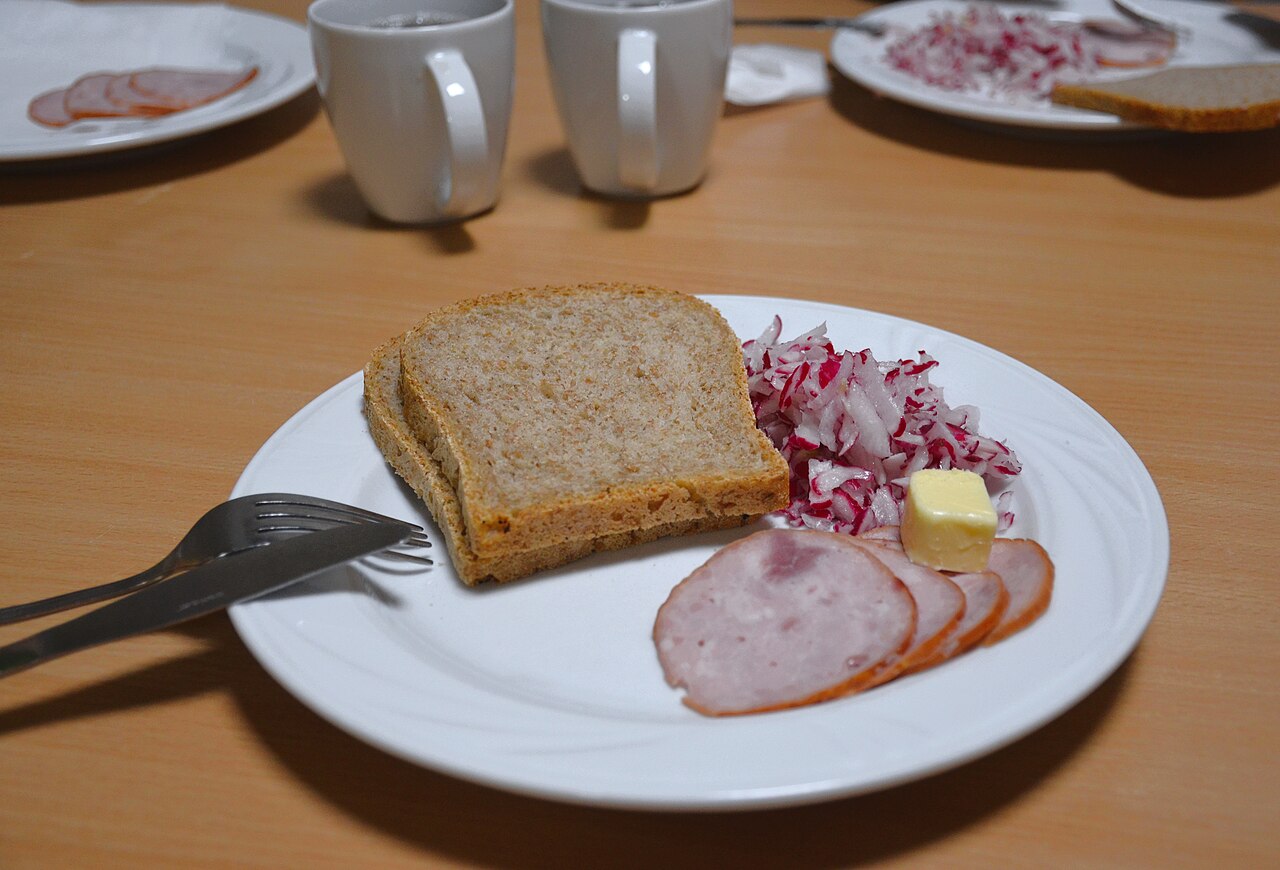
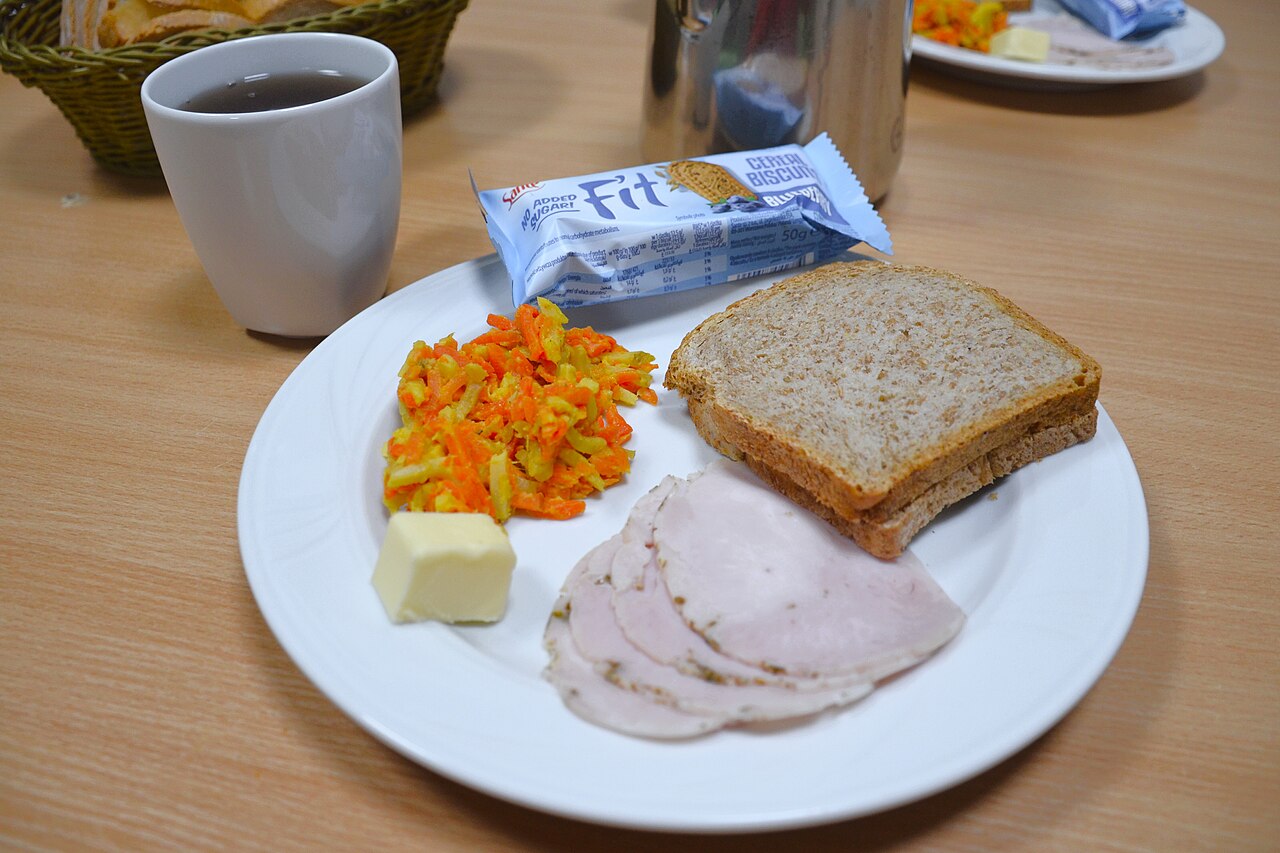
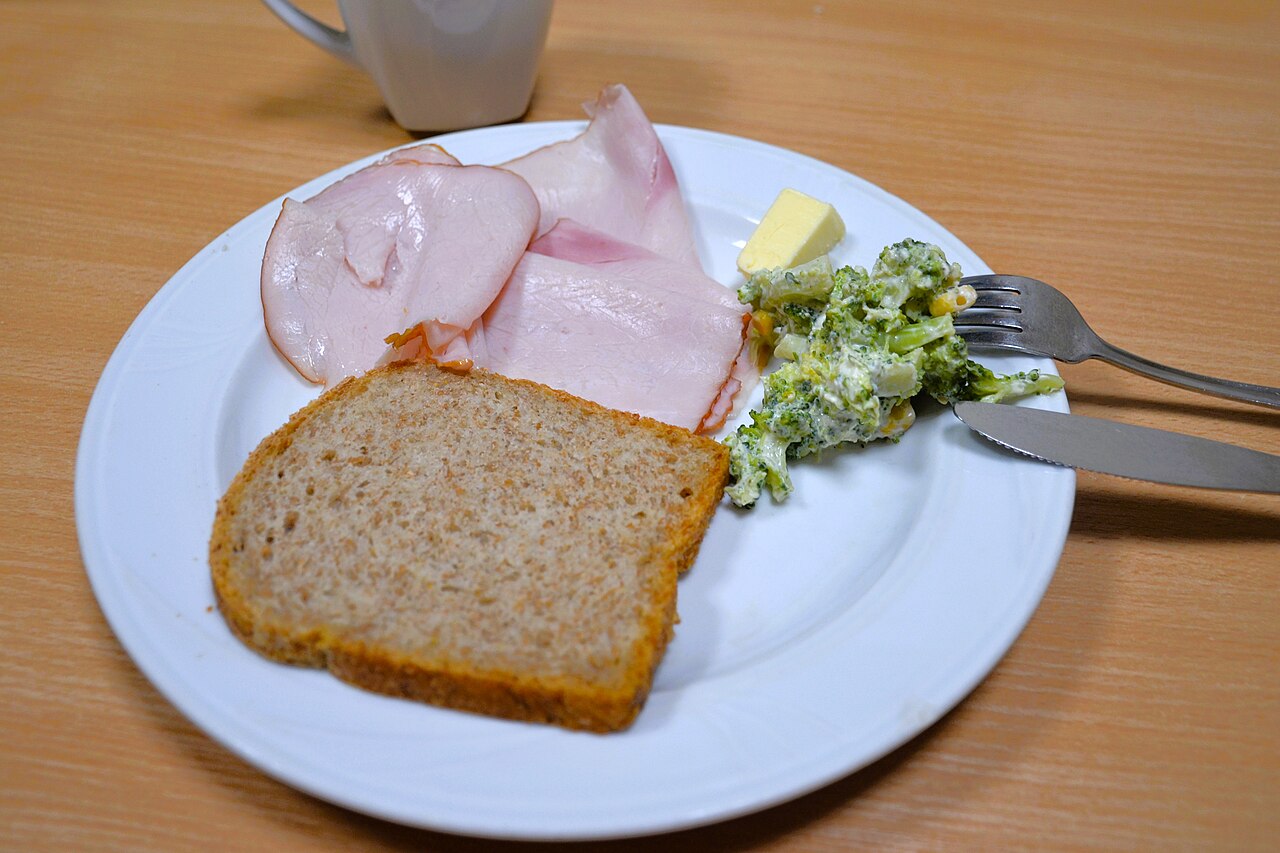
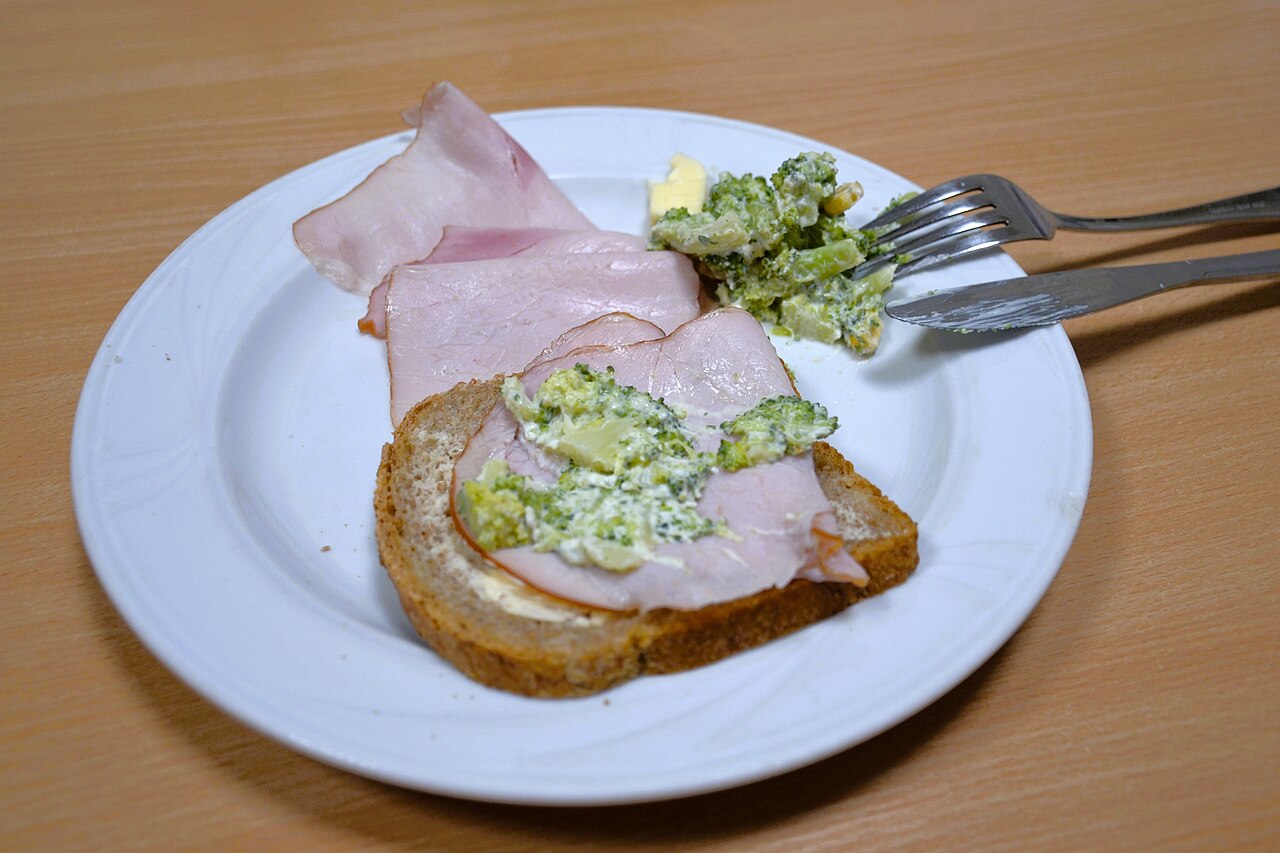
Supper is a term commonly used to refer to the main evening meal, although its meaning varies considerably. It can also denote a light or late-evening snack either after or instead of the main meal. In the United Kingdom, it is traditionally used to describe an informal main evening meal, as opposed to a dinner or a dinner party, which are more formal meals with guests.
The word itself comes from the French *souper*, a term still used for this meal in Canadian, Swiss, and Belgian French. It is related to the word for soup, with parallels in Scandinavian (*soppa* or *suppe*), German (*Suppe*), and Catalan (*sopa*, where *sopar* means dinner). The Oxford English Dictionary notes that the root, *sup*, remains of obscure origin.
Historically, supper was a secondary, lighter meal taken in the evening. The main meal, dinner, was originally served around midday but gradually moved later, especially during the 19th century. When dinner was still early, a light supper in the evening was common, and it was not always the final meal of the day, as tea might follow. Reflecting 17th-century elite customs, Louis XIV dined at noon and had supper at 10 pm. Even when dinner shifted to early evening, supper was served at balls or after returning from them, and could follow other evening outings. At an English ball in 1791, supper for 140 guests was served at 1:00 am, all having dined at home hours earlier. Grander balls served supper even later, up to 3:30 am, as at a London ball given by the Duchess of Bedford in 1811.
In modern usage, class-based distinctions often apply: "supper" can refer to a late-evening snack in working- and middle-class contexts, or to an informal family meal eaten in the kitchen or family dining room, as opposed to a "dinner" or "dinner party," a grander affair with guests in the best dining room. In South African English, supper is the main evening meal, while dinner is reserved for formal occasions. Different cultures serve supper at varying times; for instance, in Norway it is customary around four in the afternoon, while in Australia it is between five and seven.
In North America, the distinction between dinner and supper was common in farming communities into the 20th century, especially in the Midwest and South. Today, most Americans treat the terms as synonyms, strongly preferring "dinner." During World War II, U.S. military rations still
- Etymology
- Derived from French 'souper', related to soup and Scandinavian, German, and Catalan words for soup.
- Historical origin
- Originally a secondary lighter evening meal, when dinner was served around midday.
- Modern usage
- Varies by class and region; in South African English, supper is the main evening meal.
- North America
- Distinction common in farming communities into the 20th century; today mostly synonymous with dinner.
- British Isles
- In Scotland, 'fish supper' refers to fish and chips as an evening meal.
Lore & Background
Supper is a term for an evening meal whose meaning has shifted over time and varies by region and social class. Originally, it referred to a secondary, lighter meal eaten later in the evening, as the main meal of the day, called dinner, was historically served around midday. Over centuries, dinner moved later in the day, but supper remained a lighter repast. In 17th-century elite circles, such as the court of Louis XIV, dinner was at noon and supper at 10 pm. Even when dinner shifted to early evening, supper could be served at balls or after returning from evening excursions; an English ball in 1791 served supper to 140 guests at 1:00 am, and grander events in London in 1811 served supper as late as 3:30 am. In modern usage, supper can denote either a late-evening snack, particularly in working- and middle-class contexts, or an informal family meal eaten in the kitchen, as opposed to a formal dinner party with guests in the best dining room. In South African English, supper is the main evening meal, while dinner is reserved for formal occasions. In North American farming communities, the distinction between dinner and supper persisted into the 20th century, especially in the Midwest and South, though today most Americans consider them synonyms. In parts of Canada, such as Saskatchewan and Atlantic Canada, supper remains the main late-afternoon meal, while dinner refers to the noon meal. The term also appears in regional community meals, like church-organized “fowl suppers” or “bean suppers.” In Scotland, a “fish supper” refers to fish and chips enjoyed in the evening.
Reader's Guide
The term 'supper' has significant historical and cultural weight, reflecting shifts in meal timing and social class. Its etymology traces to French and related words for soup, though the Oxford English Dictionary notes the root 'sup' remains obscure. In modern usage, supper can denote a late-evening snack in working- and middle-class contexts, or an informal family meal as opposed to a formal dinner party. In South African English, supper is the main evening meal. In North America, the distinction between dinner and supper was common in farming communities into the 20th century, especially in the Midwest and American South, but today most Americans consider them synonyms. Regional variations persist, such as in Saskatchewan and Atlantic Canada, where supper is the main late-afternoon meal, and in Newfoundland, where dinner refers to the noon meal. The term also appears in community events like 'fowl suppers' in Canada and 'bean suppers' in New England. In Scotland, 'fish supper' denotes fish and chips as an evening meal. The term's flexibility illustrates how language adapts to social and regional practices.
Did You Know?
- The term 'supper' is derived from the French 'souper', which is related to soup.
- In 17th century France, Louis XIV dined at noon with a supper at 10 pm.
- In Scotland, a 'fish supper' refers to fish and chips as an evening meal.
Linguistic Roots and the Mystery of the Word
The word "supper" traces its lineage back to the French term "souper," which continues to name this meal in the French-speaking communities of Canada, Switzerland, and Belgium. What makes this etymology particularly fascinating is its deep connection to the concept of soup across multiple language families. The Scandinavian words soppa and suppe, the German Suppe, and the Catalan sopa all share this same root, and in Catalan the evening meal itself is called "sopar." Despite these widespread connections, the Oxford English Dictionary acknowledges that the ultimate root, "sup," remains shrouded in obscurity, leaving linguists without a definitive origin point. This web of linguistic relationships suggests that the idea of a warm, liquid-based evening sustenance was so fundamental to daily life across Europe that it left its mark on virtually every major language family on the continent, even as the specific meal it described evolved dramatically over the centuries.
From Light Evening Bite to Grand Social Event
Supper began its life not as the main event but as a modest, secondary repast taken after the day's principal meal. For centuries, the heaviest eating of the day—dinner—landed closer to midday, and the evening supper was simply a lighter course to tide people over. This arrangement was so entrenched that even Louis XIV, the most powerful monarch in Europe, structured his day around a noon dinner followed by a supper at ten in the evening. Supper was not always the final act of the day either; a later cup of tea could follow. The real transformation came gradually through the nineteenth century as dinner crept later into the evening. Yet even as the clock shifted, supper retained a glamorous social life. At an English ball in 1791, one hundred and forty guests sat down to supper at one in the morning, hours after having already dined at home. The Duchess of Bedford pushed the envelope further in 1811, serving supper at a London ball as late as three-thirty in the morning.
A Word That Means Different Things on Different Shores
The meaning of "supper" shifts dramatically depending on where you are and who you are. In South African English, it simply names the main evening meal, while "dinner" is reserved for formal occasions. In Saskatchewan and much of Atlantic Canada, supper is the principal meal of the day, typically served in the late afternoon, whereas dinner lands around noon. In Newfoundland and Labrador, dinner covers both the midday meal and celebratory events like Thanksgiving or Christmas dinners, while supper handles the evening. Timing varies just as much: in Norway, the evening meal can begin as early as four in the afternoon, while Australians tend to sit down between five and seven. In Scotland, the beloved fish-and-chips plate is affectionately called a "fish supper," and the dish can even swap fish for deep-fried pizza. These regional variations reveal how a single word carries an entire community's rhythm of daily life.
Class, Community, and the Kitchen Table
In British and North American usage, the line between supper and dinner has long drawn a quiet class boundary. Supper connotes the informal, homey meal shared by a family in the kitchen or a modest dining room, while dinner—especially a "dinner party"—implies a grander affair with outside guests hosted in the household's finest room. Among working- and middle-class speakers, supper can also mean a light snack eaten late in the evening, after or instead of the main meal. Beyond the home, the word has a rich communal life. Churches and community organizations across Canada and the United States have long hosted "fowl suppers," "fall suppers" featuring turkey, "pancake suppers," and "bean suppers" in New England and Maine. Even during World War II, American military rations were still officially divided into breakfast, dinner, and supper, preserving the older three-meal nomenclature in an institutional setting.
Gallery
Frequently Asked Questions
Who is Supper?
Supper is a term for the main evening meal, though its exact meaning shifts depending on region and social context. In the UK it specifically marks an informal home meal, distinct from the more formal 'dinner' served to guests.
What are Supper's origins?
The word traces back to the French 'souper' and is linguistically connected to 'soup' as well as Scandinavian, German, and Catalan soup-related terms. Historically it referred to a lighter secondary meal eaten after the midday main course of dinner.
How does Supper's story end?
In much of North America, the old farming-community distinction between supper and dinner has largely faded, and the two words are now mostly interchangeable. The term survives most distinctly in regional dialects like South African English, where it still names the primary evening meal.
Why is Supper important?
Supper serves as a linguistic marker of class and regional identity, particularly in the British Isles where it separates a casual family meal from a formal dinner party. In Scotland, the phrase 'fish supper' even carries a specific cultural meaning tied to fish and chips eaten at night.
How does Supper differ from Dinner?
Traditionally, dinner was the heavier midday meal while supper was the lighter evening follow-up, but modern usage has flipped or merged these meanings. In the UK the distinction persists informally—supper is the relaxed home meal, while dinner implies guests and formality.
More in Other 1-21
Spotted an error? Know more?
This is a living reference — every entry is fact-audited, and reader corrections feed straight into our audit queue. Suggest an edit · See this site's audit record