Luciano Pavarotti
King of the High Cs

Gibi Savini · CC BY-SA 4.0
Luciano Pavarotti (12 October 1935 – 6 September 2007) was an Italian operatic tenor who, later in his career, moved into popular music and became one of the most celebrated tenors ever. He recorded many complete operas and individual arias, earning global recognition for his voice and the title "King of the High Cs."
As a member of the Three Tenors, whose first concert took place at the 1990 FIFA World Cup for a worldwide audience, Pavarotti became famous for his televised performances and media appearances. From his professional debut as a tenor in 1961 in Italy to his last performance, "Nessun dorma," at the 2006 Winter Olympics in Turin, he excelled in bel canto operas, pre-Aida Verdi roles, and works by Puccini like La bohème, Tosca, Turandot, and Madama Butterfly. He sold over 100 million records, and the first Three Tenors album became the best-selling classical record ever. Pavarotti was also known for charity work supporting refugees and the Red Cross, among others. He was made a Knight Grand Cross of the Order of Merit of the Italian Republic in 1988. He died of pancreatic cancer on 6 September 2007.
Pavarotti was born on 12 October 1935 in a public housing block on the outskirts of Modena, northern Italy. His father, Fernando, was a baker and amateur tenor; his mother, Adele Venturi, worked in a cigar factory. He spoke warmly of his childhood, though the family was poor, with four people sharing a two-room apartment. According to Pavarotti, his father had a fine tenor voice but avoided a singing career due to nervousness. World War II forced the family to leave the city in 1943, and for a year they rented a single room from a farmer in the countryside, where Pavarotti developed an interest in farming.
After giving up his dream of becoming a football goalkeeper, Pavarotti trained vocally for seven years. His earliest musical influences came from his father’s records, which featured popular tenors like Beniamino Gigli, Giovanni Martinelli, Tito Schipa, and Enrico Caruso. His favorite tenor and idol was Giuseppe Di Stefano. Mario Lanza also deeply influenced him; Pavarotti said he would watch Lanza movies as a teen and imitate him in the mirror. Around age nine, he began singing with his father in a small local church choir.
As a child, Pavarotti also enjoyed playing football. After graduating from the Scuola Magistrale, he considered becoming a professional football goalkeeper, but his mother persuaded him to train as a teacher. He taught at an elementary school for two years before deciding to pursue music. His father reluctantly agreed, aware of the risk. In 1954, at age 19, Pavarotti began serious music study with Arrigo Pola, a respected tenor and teacher in Modena who taught him for free. According to conductor Richard Bonynge, Pavarotti never learned to read music.
In 1955, he had his first singing success as a member of the Corale Rossini, a male voice choir from Modena that included his father. The choir won first prize at the International Eisteddfod in Llangollen, Wales. Pavarotti later called this the most important experience of his life, inspiring him to become a professional singer.
When Pola moved to Japan, Pavarotti studied with Ettore Campogalliani, who also taught Pavarotti’s childhood friend Mirella Freni. Freni’s mother worked with Pavarotti’s mother at the cigar factory. Like Pavarotti, Freni became a successful opera singer, and they performed and recorded together.
During his years of study, Pavarotti worked part-time jobs, first as an elementary school teacher and then as an insurance salesman. The first six years of training led to only a few unpaid recitals in small towns. After a nodule developed on his vocal cords, causing a disastrous concert in Ferrara, he decided to quit singing. Pavarotti believed the psychological relief from this decision led to immediate improvement. The nodule disappeared, and as he wrote in his autobiography, everything he had learned came together with his natural voice to create the sound he had been struggling to achieve.
Pavarotti began his career as a tenor in smaller regional Italian opera houses. After winning the Achille Peri International Competition, he made his debut as Rodolfo in La bohème at the Teatro Municipale in Reggio Emilia in April 1961, conducted by Francesco Molinari-Pradelli and staged by Mafalda Favero. His first known recording of "Che gelida manina" comes from this performance.
In December 1961, he made his first international appearance in La traviata in Belgrade, Yugoslavia. On 23 February 1963, he debuted at the Vienna State Opera in the same role. In March and April 1963, he performed again in Vienna as Rodolfo and as the Duke of Mantua in Rigoletto. That year, he gave his first solo non-opera concert outside Italy in Dundalk, Ireland, for the St Cecilia’s Gramophone Society. The Dublin Grand Opera Society hired him to sing the Duke of Mantua in Rigoletto in May and June, and he made his Royal Opera House debut replacing an indisposed Giuseppe Di Stefano as Rodolfo. In September 1963, he debuted at Covent Garden in La bohème, which boosted his career.
In 1964, Pavarotti appeared as Idamante in Idomeneo at Glyndebourne and was engaged by the Dublin Grand Opera Society.
Quick Facts
- Born
- 12 October 1935
- Birthplace
- Modena, Emilia-Romagna, Kingdom of Italy
- Died
- 6 September 2007
- Place of death
- Modena, Emilia-Romagna, Italy
- Years active
- 1955–2006
- Occupation
- Operatic tenor
- Spouse
- Adua Veroni, 1961, 2002, Nicoletta Mantovani, 2003
- Children
- 4
Facts from the source article.
Lore & Background
As one of the Three Tenors, who performed their first concert during the 1990 FIFA World Cup before a global audience, Pavarotti became well known for his televised concerts and media appearances. From the beginning of his professional career as a tenor in 1961 in Italy to his final performance of "Nessun dorma" at the 2006 Winter Olympics in Turin, Pavarotti was at his best in bel canto operas, pre-Aida Verdi roles, and Puccini works such as La bohème, Tosca, Turandot and Madama Butterfly. He sold more than 100 million records, and the first Three Tenors recording became the best-selling classical album of all time. Pavarotti was also noted for his charity work on behalf of refugees and the Red Cross, amongst others. He was appointed a Knight Grand Cross of the Order of Merit of the Italian Republic in 1988. Pavarotti died from pancreatic cancer on 6 September 2007.
Gallery
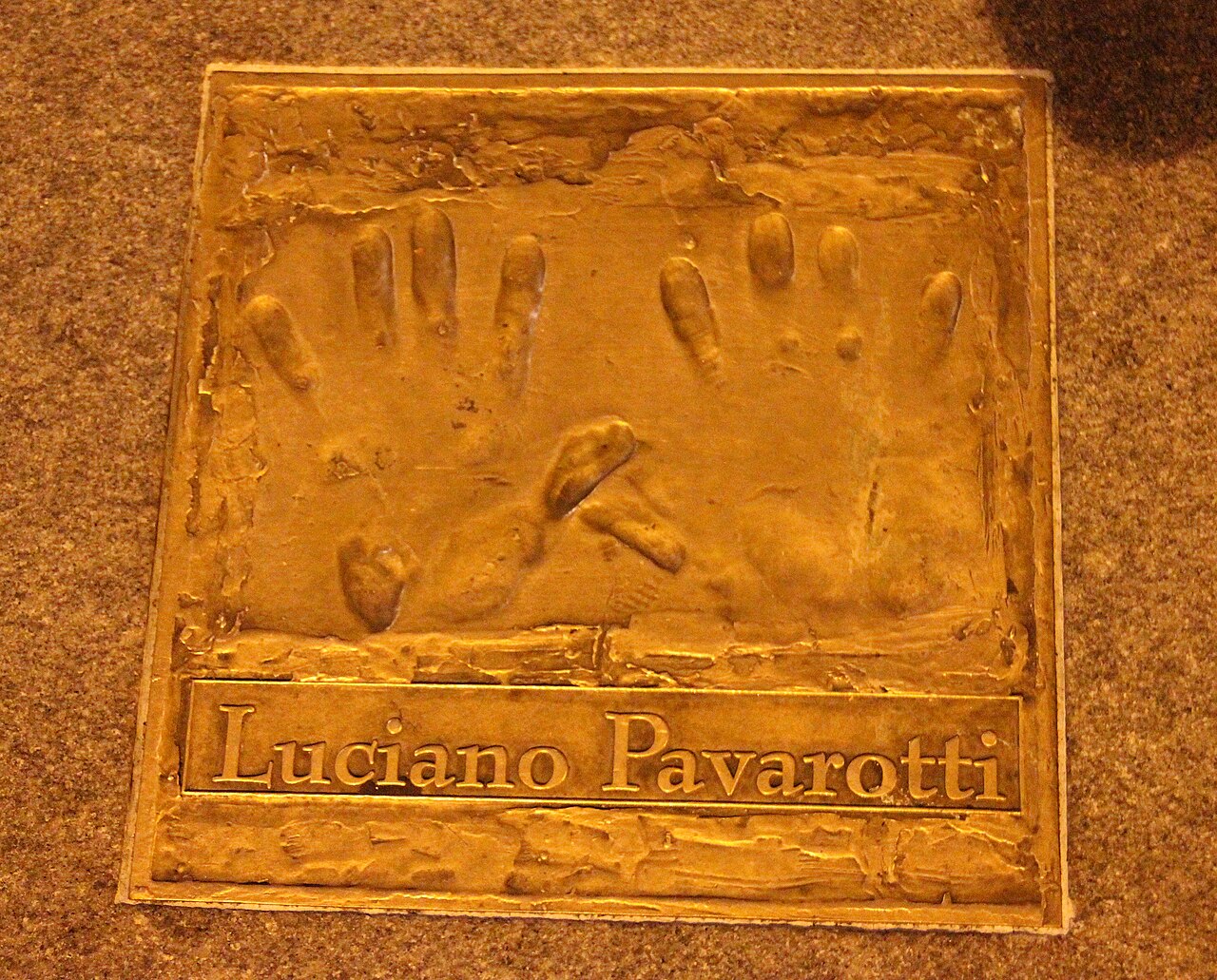
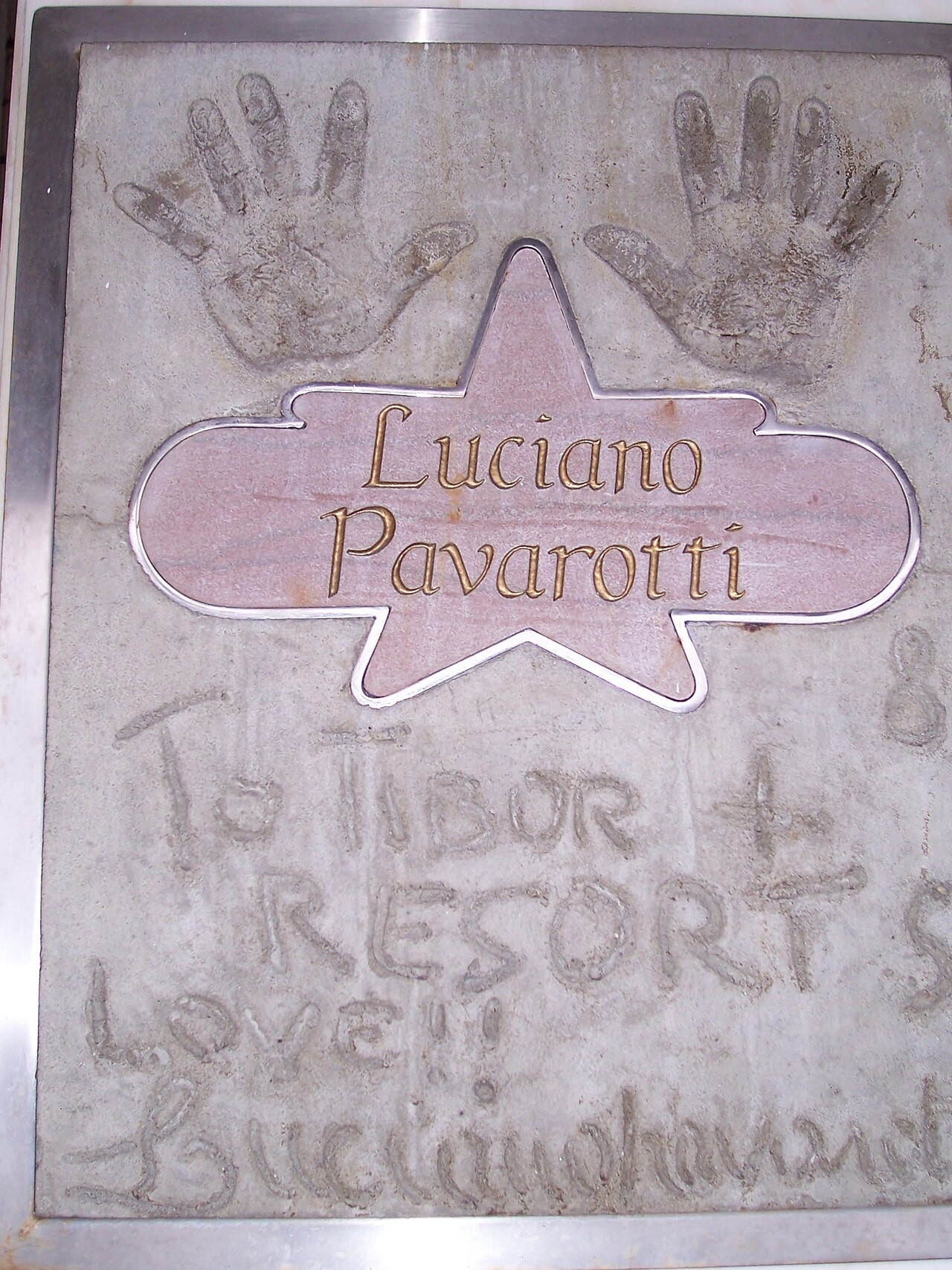
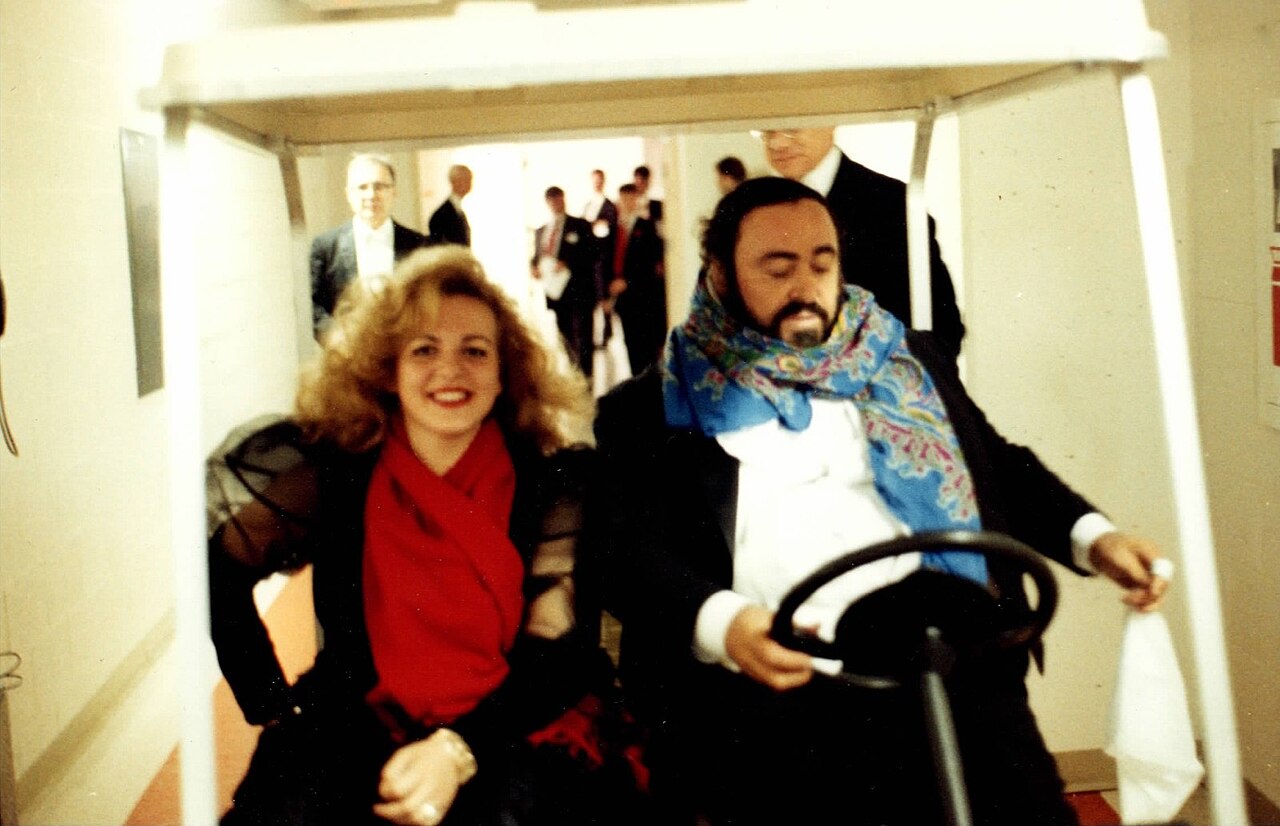
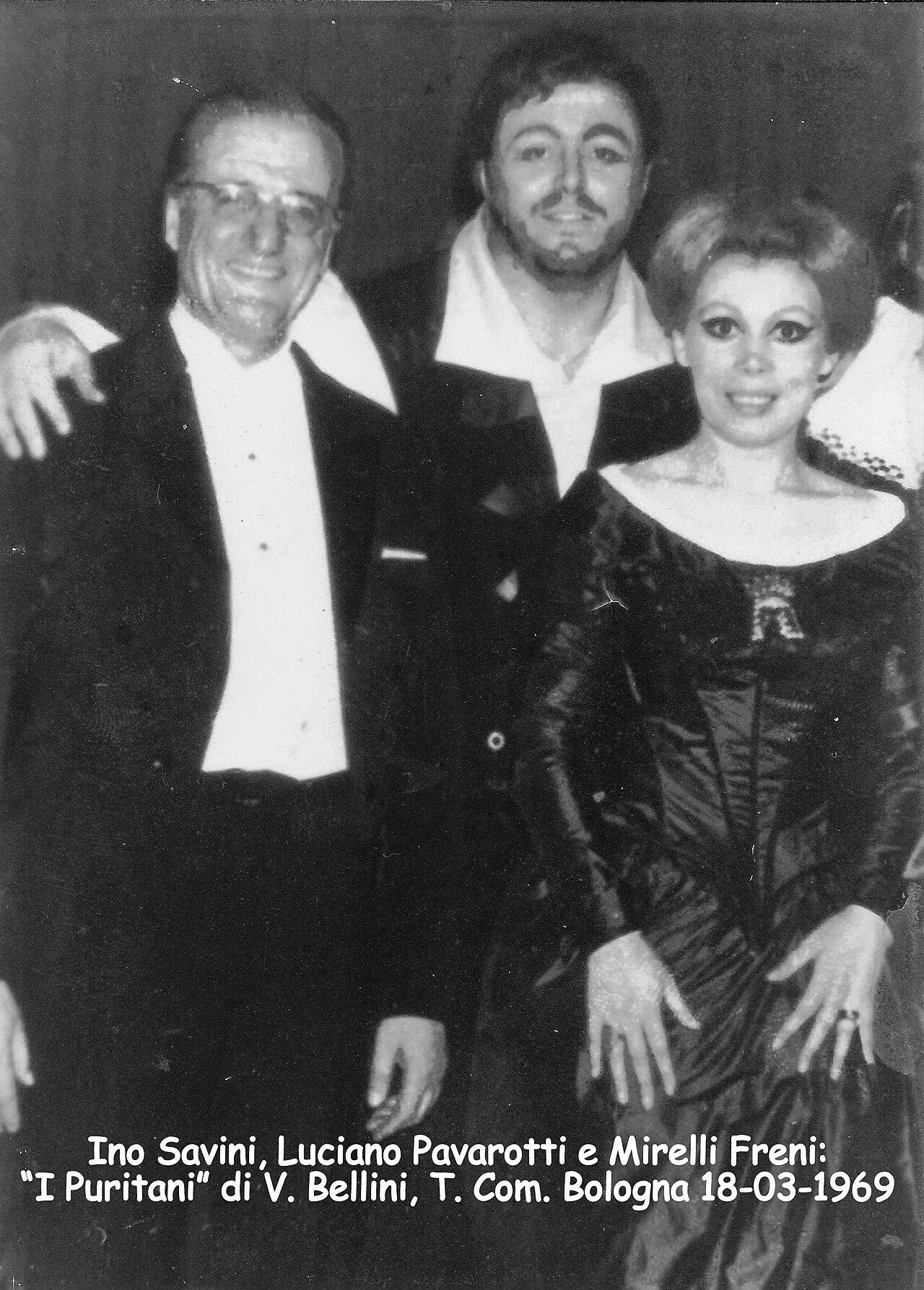
Frequently Asked Questions
Who is Luciano Pavarotti?
Luciano Pavarotti (1935–2007) was an Italian operatic tenor whose ringing, powerful tone made him one of the most celebrated singers in classical music history. In the later part of his career he crossed over into popular music, broadening his audience far beyond the opera house.
What were the Three Tenors and what was Pavarotti's role in them?
The Three Tenors was a vocal trio of Pavarotti, Plácido Domingo, and José Carreras that debuted at the 1990 FIFA World Cup in Rome before a worldwide television audience. Their subsequent concerts and recordings brought opera into living rooms globally and cemented Pavarotti's status as a mainstream cultural icon.
How commercially successful was Pavarotti?
He moved more than 100 million records across his career, a remarkable total for a classical artist. His recordings of complete operas and standalone arias made him one of the best-selling musicians of the late twentieth century.
How did Pavarotti's life end?
Pavarotti died on 6 September 2007 at the age of seventy-one. His passing closed a chapter in opera history, as he had been the most recognizable and widely loved tenor voice for several decades.
More in Musicians & Composers
Spotted an error? Know more?
Reader corrections go straight into our review queue. Suggest an edit · How this site is sourced