
Baroque music
Baroque music formalized common-practice tonality and saw the creation of the modern orchestra.

U. S. Army Old Guard Fife and Drum Corps · Public domain
Baroque music is the term for the dominant style of Western classical music written roughly between 1600 and 1750. It came after the Renaissance and, following a brief transitional phase called the galant style, gave way to the Classical period. This music makes up a significant part of the classical canon and is still frequently studied, performed, and heard today. Important figures from this era include Jacopo Peri, who composed the earliest operas; Alessandro Stradella, who created the concerto grosso form; and Arcangelo Corelli, one of the first composers to see his works published and performed widely across Europe.
During the Baroque period, the system of common-practice tonality—writing music in a specific key—became standard, and this harmonic approach has remained central to much Western classical and popular music. Composers sought a richer sound for each instrumental line, which led to the development of the modern orchestra. They also refined musical notation, including the use of figured bass, and invented new instrumental techniques. The era expanded the scale, range, and complexity of instrumental music, while also establishing mixed vocal and instrumental genres such as opera, cantata, and oratorio, as well as instrumental forms like the solo concerto and sonata. A hallmark of the period was dense, intricate polyphony, where multiple independent melodies sounded at once.
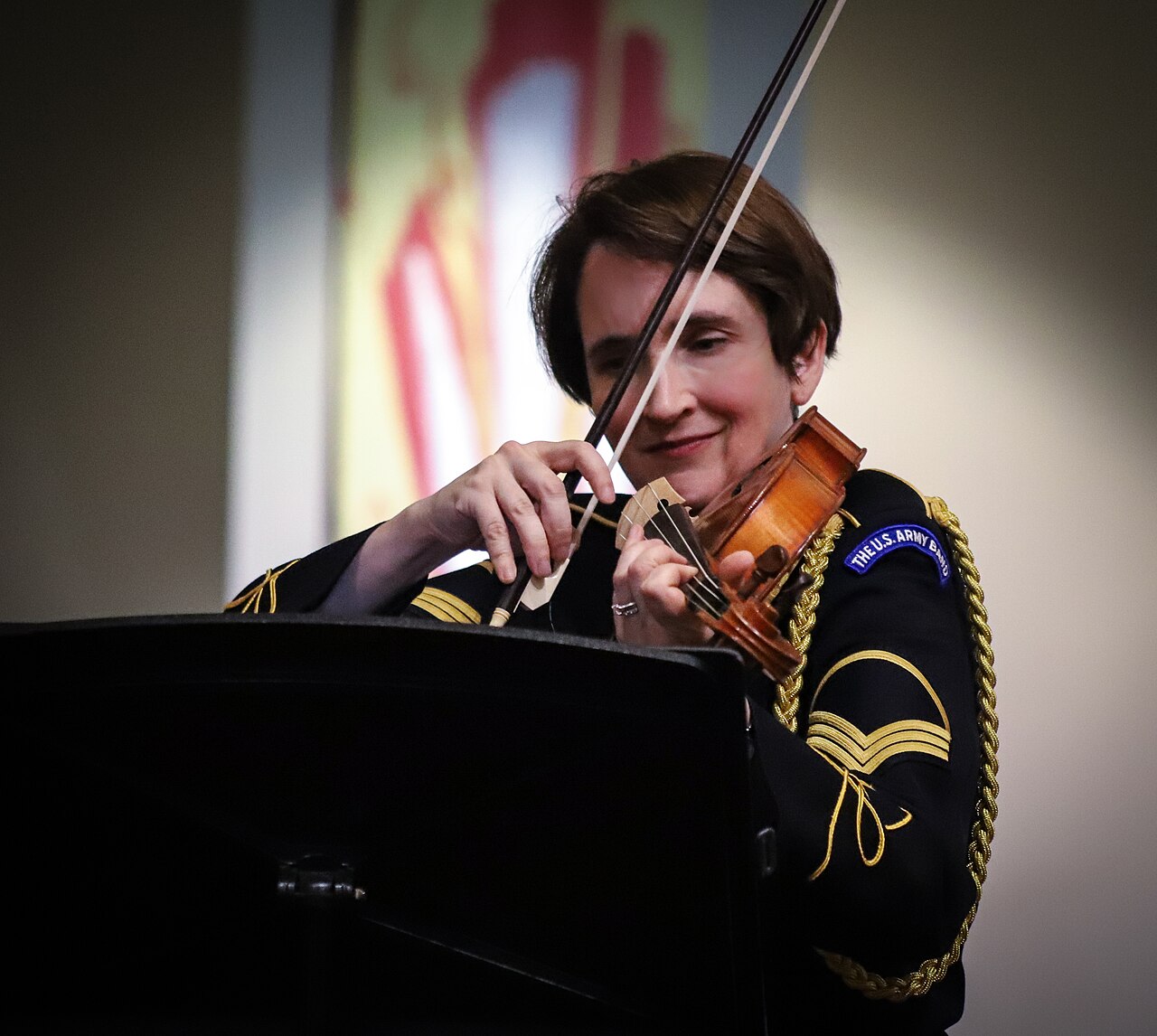
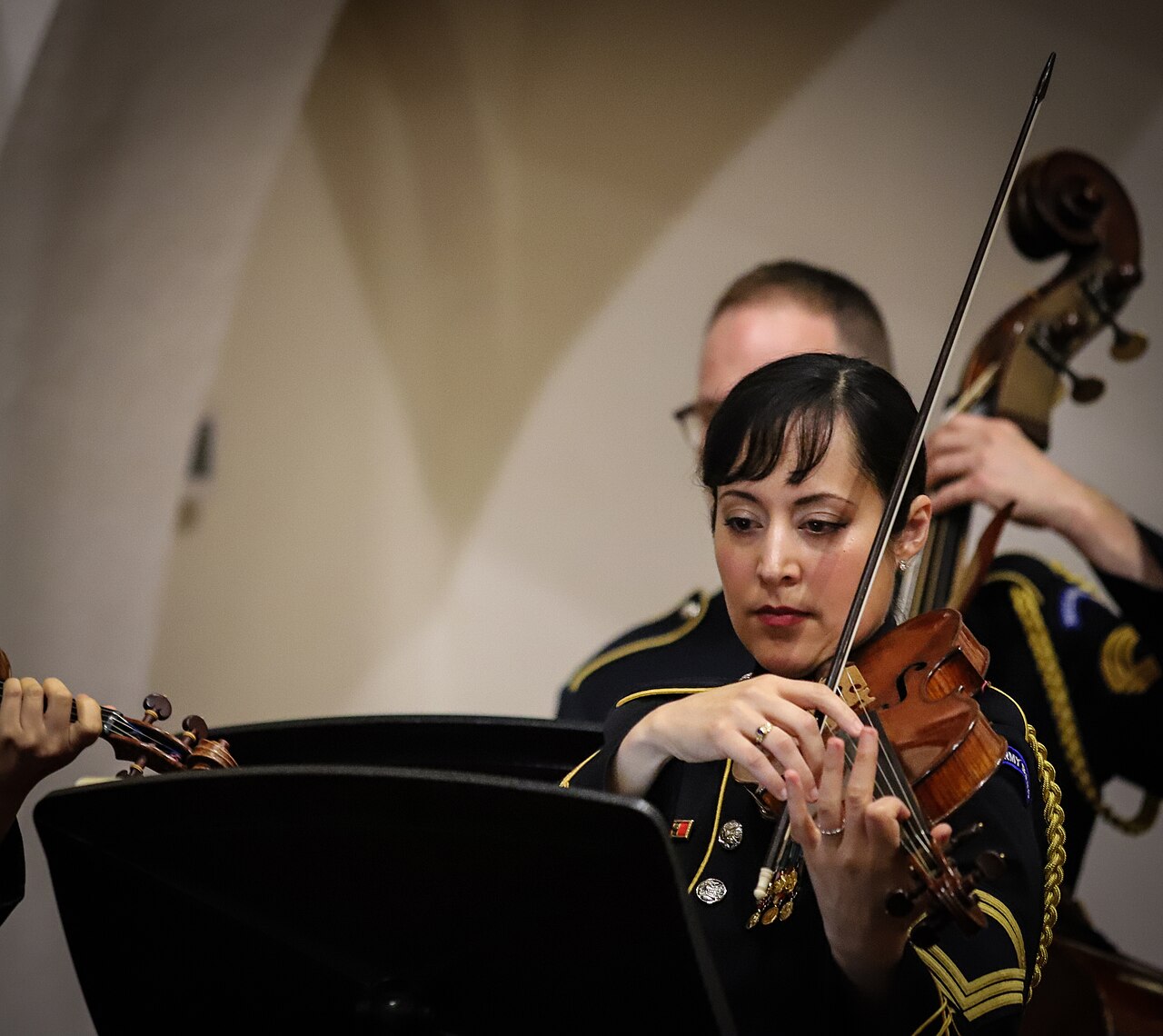
Professional musicians in the Baroque era were expected to be skilled improvisers, both for solo melodies and accompaniment parts. Concerts typically featured a basso continuo group, where bass instruments like the viol, cello, or double bass played the bassline. The dance suite was a characteristic Baroque form.
The word "baroque" comes from the Portuguese *barroco*, meaning an irregularly shaped pearl. Although long thought to have first been applied to architecture, it actually appeared earlier in reference to music, in an anonymous satirical review of the 1733 premiere of Rameau's *Hippolyte et Aricie*, printed in the *Mercure de France* in May 1734. The critic called the opera's novelty "du barocque," complaining that it lacked coherent melody, was full of constant dissonances, shifted key and meter frequently, and rushed through every compositional device.
In the 18th and 19th centuries, other writers used the term negatively to describe works that were extravagant, strange, or dissonant. Noel Antoine Pluche wrote of a concert directed by Jean-Baptiste Anet, saying Anet would "wrest laboriously from the bottom of the sea some baroque pearls, when diamonds can be found on the surface of the earth." Jean-Jacques Rousseau stated in the 1768 *Encyclopédie*: "Baroque music is that in which the harmony is confused, and loaded with modulations and dissonances. The singing is harsh and unnatural, the intonation difficult, and the movement limited."
Historians only recently began systematically applying the term "baroque" to music of this period. In 1919, Curt Sachs was the first to adapt Heinrich Wölfflin's five characteristics of Baroque visual art to music. Critics quickly questioned this approach. While art historians date the start of the Baroque to the mid- or early 16th century, Robert Haas argued that in music it could not begin before 1594, the year Palestrina and Lassus died. In the 1940s, Manfred Bukofzer and Suzanne Clercx-Lejeune independently tried to use autonomous technical analysis instead of comparative abstractions, to avoid adapting theories from visual arts and literature. These efforts led to considerable disagreement about the period's boundaries and the practice of grouping works and composers into a broad era when stylistic developments occurred at different times in different places.
The term gradually gained acceptance to describe the period between Renaissance and Classical music. It is often divided into three approximate phases, similar to Wölfflin's visual arts categories. Bukofzer labeled them "early Baroque" (1580–1630), "middle Baroque" (1630–1680), and "late Baroque" (1680–1730). Clercx instead used "primitive Baroque" (mid- to late 16th century), "full Baroque" (17th century), and "tardy Baroque" (1700–1740 or 1765).
A clear set of characteristics that separates Baroque music from earlier or later styles is hard to pin down. Many have been proposed, such as "dynamism, open form, degree of ornamentation, sharp contrast, co-existence of diverse styles, individualism, affective representation and numerous others." But as musicologist Claude V. Palisca notes, the repertoire is too diverse for broad generalizations: "Although the style of Gesualdo is dynamic and open-formed, that of Alessandro Scarlatti is not. While Caccini's music is ornamented, Corelli's fundamentally is not (although it sometimes invited ornamentation); besides, the style of the 1740s or 1770s was also ornamented. The sharp contrasts observed in the late sacred concertos of Gabrieli are less striking or at least appear normal in an opera of Cesti. Diverse styles have co-existed in many periods, if perhaps less in the Renaissance." Baroque music can be characterized by its development as a means of affective expression, prompted by a rediscovery of classical rhetoric and Aristotle's ideas.
- field
- Western classical music
- key_composers
- Jacopo Peri, Alessandro Stradella, Arcangelo Corelli
- known_for
- Formalization of common-practice tonality, creation of the modern orchestra, dev
Lore & Background
The Baroque period saw the formalization of common-practice tonality, an approach to writing music in a particular key that has continued extensively in Western classical and popular music. Baroque composers experimented with fuller sound for each instrumental part, leading to the creation of the modern orchestra; modernized musical notation, including developing figured bass; and developed new instrumental playing techniques. Dense, complex polyphonic music, with multiple independent melody lines performed simultaneously, was characteristic of the period. During the Baroque era, professional musicians were expected to be accomplished improvisers of both solo melodic lines and accompaniment parts. Concerts were typically accompanied by a basso continuo group, in which bass instruments such as viol, cello, or double bass played the bassline. A characteristic Baroque form was the dance suite. The term 'baroque' first appeared in reference to music in an anonymous, satirical review of the première in October 1733 of Rameau's Hippolyte et Aricie, printed in the Mercure de France in May 1734. The critic implied that the novelty in this opera was 'du barocque', complaining that the music lacked coherent melody, was filled with unremitting dissonances, constantly changed key and meter, and speedily ran through every compositional device. Jean-Jacques Rousseau wrote in 1768 in the Encyclopédie: 'Baroque music is that in which the harmony is confused, and loaded with modulations and dissonances. The singing is harsh and unnatural, the intonation difficult, and the movement limited.'
Reader's Guide
Baroque music's significance lies in its establishment of foundational musical structures and genres that shaped subsequent Western music. The formalization of common-practice tonality provided a harmonic framework used extensively in later classical and popular music. The creation of the modern orchestra and development of new instrumental techniques expanded the possibilities of instrumental performance. Mixed vocal/instrumental forms such as opera, cantata, and oratorio, as well as instrumental forms like the solo concerto and sonata, were established as musical genres during this period. The use of figured bass represented the developing importance of harmony as the linear underpinnings of polyphony. The systematic application by historians of the term 'baroque' to music of this period is a relatively recent development. In 1919, Curt Sachs became the first to apply the five characteristics of Heinrich Wölfflin's theory of the Baroque, describing the visual arts, systematically to music. In the 1940s independent attempts were made by Manfred Bukofzer and Suzanne Clercx-Lejeune to use autonomous, technical analysis rather than comparative abstractions. All of these efforts resulted in appreciable disagreement about time boundaries of the period. According to Bukofzer these were 'early Baroque' (1580–1630), 'middle Baroque' (1630–1680), and 'late Baroque' (1680–1730). Clercx instead separated them into 'primitive Baroque' (mid-late 16th century), 'full Baroque' (17th century), and 'tardy Baroque (1700–1740 or 1765).
Did You Know?
- The French word 'baroque' is derived from the Portuguese 'barroco', meaning an irregularly-shaped pearl.
- The term 'baroque' first appeared in reference to music in an anonymous, satirical review of the première in October 1733 of Rameau's Hippolyte et Aricie, printed in the Mercure de France in May 1734.
- In 1919, Curt Sachs became the first to apply the five characteristics of Heinrich Wölfflin's theory of the Baroque, describing the visual arts, systematically to music.
- According to Manfred Bukofzer, the Baroque period is split into three phases: 'early Baroque' (1580–1630), 'middle Baroque' (1630–1680), and 'late Baroque' (1680–1730).
- Jean-Jacques Rousseau wrote in 1768 in the Encyclopédie: 'Baroque music is that in which the harmony is confused, and loaded with modulations and dissonances. The singing is harsh and unnatural, the intonation difficult, and the movement limited.'
A Node in the Classical Hierarchy
The source does not cover this section's content about a hierarchical system of genres, Andalusian, Indian, Korean, Persian, Kurdish, or Turkish classical traditions, or the broader classical descriptor. Therefore, this section cannot be written.
Boundaries That Blur
The source acknowledges that classifications in music are often disputed and that closely related forms frequently overlap. The dates are conventions, not laws. The term 'baroque' gradually gained acceptance to describe a period between Renaissance music and the Classical period, but there is appreciable disagreement about time boundaries of the period, and challenges regarding the practice of grouping together works and composers in a broad era when stylistic developments occurred in different places at different times.
Why We Sort Music at All
The source does not cover this section's content about Gracenote cataloguing more than two thousand distinct music genres, labels coined by ordinary listeners, or the primary utility of classification. Therefore, this section cannot be written.
A Folksonomy in Disguise
The source does not cover this section's content about a folksonomy, grassroots taxonomy, or an interactive relationships diagram of popular music genres. Therefore, this section cannot be written.
Gallery


Frequently Asked Questions
What are Baroque music's powers/role?
It locked in common-practice tonality, built the modern orchestra, and gave the world opera, the solo concerto, the sonata, the cantata, and the oratorio as formal genres.
Why is Baroque music important?
It established the harmonic language and orchestral framework that nearly every subsequent Western classical composer works within, and it still anchors the performed and studied canon today.
Who are Baroque music's key figures?
Foundational voices include Jacopo Peri, Alessandro Stradella, and Arcangelo Corelli, each of whom helped shape the period's emerging sound.
More in Musical Genres And Styles 1-21
Spotted an error? Know more?
This is a living reference — every entry is fact-audited, and reader corrections feed straight into our audit queue. Suggest an edit · See this site's audit record