Stephen Spender
English poet, novelist, and essayist on social injustice.

via Wikipedia: Modernist poetry in English · see source
Sir Stephen Harold Spender (28 February 1909 – 16 July 1995) was an English poet, novelist, and essayist. His writing often addressed social injustice and class struggle. In 1965, he was named U.S. Poet Laureate Consultant in Poetry to the Library of Congress.
Spender was born in Kensington, London. His father, Harold Spender, was a journalist; his mother, Violet Hilda Schuster, was a painter and poet of German Jewish heritage. He attended Hall School in Hampstead, then at age thirteen went to Gresham’s School in Holt, and later Charlecote School in Worthing, where he was unhappy. After his mother died, he transferred to University College School in Hampstead, which he later called “that gentlest of schools.” He then studied in Nantes and Lausanne before entering University College, Oxford (he was made an honorary fellow there in 1973). Spender often said he never passed any exam. His closest friend and greatest influence was W. H. Auden, who introduced him to Christopher Isherwood. Spender handprinted the earliest version of Auden’s *Poems*. He left Oxford without a degree and moved to Hamburg in 1929. Isherwood invited him to Berlin, and every six months he returned to England.
Spender knew other members of the Auden Group: Louis MacNeice, Edward Upward, and Cecil Day-Lewis. He was friendly with David Jones and later met William Butler Yeats, Allen Ginsberg, Ted Hughes, Joseph Brodsky, Isaiah Berlin, Mary McCarthy, Roy Campbell, Raymond Chandler, Dylan Thomas, Jean-Paul Sartre, Colin Wilson, Aleister Crowley, F. T. Prince, and T. S. Eliot, as well as members of the Bloomsbury Group, especially Virginia Woolf. He was involved with American writer William Goyen and later traveled through India with Goyen’s former partner, American artist Joseph Glasco.
Spender began a novel in 1929, but it was not published until 1988 as *The Temple*. This partly autobiographical novel follows a young man who travels to Germany and finds a culture more open than England’s, especially about relationships between men, while also showing frightening signs of Nazism. In his 1988 introduction, Spender wrote that in the late 1920s young English writers were more concerned with censorship than politics, and that 1929 was the last year of the Weimar Republic’s “strange Indian Summer,” when Germany seemed a paradise of freedom. T. S. Eliot, an editor at Faber and Faber, discovered Spender in 1933.
His early poetry, especially *Poems* (1933), was often inspired by social protest. While living in Vienna, he expressed his convictions in *Forward from Liberalism*; in *Vienna* (1934), a long poem praising the 1934 uprising of Austrian socialists; and in *Trial of a Judge* (1938), an antifascist verse drama. At Shakespeare and Company bookstore in Paris, which published the first edition of James Joyce’s *Ulysses*, historic figures rarely read their work. Paul Valéry, André Gide, and Eliot appeared there. Ernest Hemingway broke his rule of not reading in public if Spender would read with him; Spender agreed, and Hemingway gave a rare public reading.
In 1936, Spender joined the Communist Party of Great Britain. Its head, Harry Pollitt, asked him to write for the *Daily Worker* about the Moscow Trials. Later that year, Spender married Inez Pearn, whom he had met at an Aid to Spain meeting. She was described as “small and rather ironic” and “strikingly good-looking.” In January 1937, during the Spanish Civil War, the *Daily Worker* sent Spender to Spain to observe and report on the Soviet ship *Komsomol*, which had sunk while carrying weapons to the Second Spanish Republic. He traveled to Tangier with his close friend T. C. Worsley and tried to enter Spain via Cádiz, but was turned back. They then went to Valencia, where Spender met Hemingway and Manuel Altolaguirre. A secondary—or possibly primary—reason for the trip was an attempt to rescue his jilted lover, Tony Hyndman, a former Welsh Guardsman turned occasional prostitute, who had left for Spain two days after Spender’s marriage to join the International Brigade. Hyndman fought at the Battle of Jarama in February 1937, then deserted. He was captured and imprisoned in a Republican jail on charges of desertion and cowardice. Spender eventually secured his release and repatriation, but was forced to disclose the sexual nature of their relationship to Harry Pollitt, leading shortly afterward to his departure from the Party.
In July 1937, Spender attended the Second International Writers’ Congress in Valencia, Barcelona, and Madrid, which discussed intellectuals’ attitudes to the war. Many writers attended, including Hemingway, André Malraux, and Pablo Neruda. Spender was imprisoned for a while in Albacete. In Madrid, he met Malraux, and they discussed André Gide’s *Retour de l’U.R.S.S.*. Due to medical problems, he returned to England and bought a house in Lavenham. He divorced in 1939. His 1938 translations of works by Bertolt Brecht and Miguel Hernández appeared in John Lehmann’s *New Writing*.
Spender felt close to the Jewish people. His mother was half-Jewish: her father’s family were German Jews who converted to Christianity, and her mother came from an upper-class family of Catholic German, Lutheran Danish, and distant Italian descent. His second wife, Natasha, whom he married in 1941, was also Jewish. In 1942, he volunteered for the fire brigade of Cricklewood and Maresfield Gardens.
- born
- 28 February 1909
- died
- 16 July 1995
- field
- Poetry, novel, essay
- nationality
- English
Verified Timeline
Lore & Background
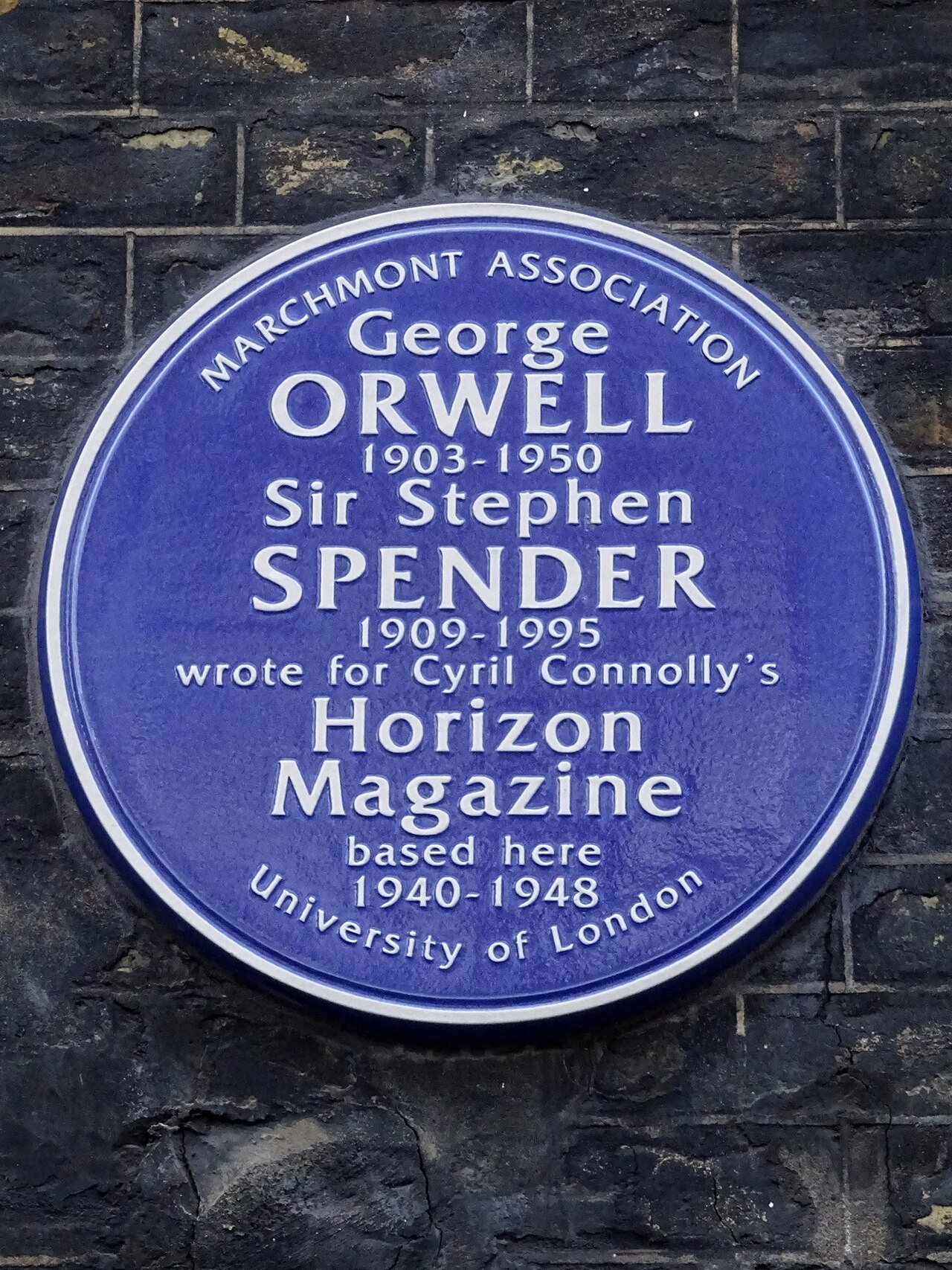
Spender was born in Kensington, London, to journalist Harold Spender and painter-poet Violet Hilda Schuster, of German Jewish heritage. He attended several schools, including Gresham's School and University College School, and later went up to University College, Oxford, though he left without taking a degree. His closest friend and greatest influence was W. H. Auden, who introduced him to Christopher Isherwood. Spender handprinted the earliest version of Auden's Poems. In 1936, Spender joined the Communist Party of Great Britain and married Inez Pearn. During the Spanish Civil War, he was sent by the Daily Worker to Spain, where he attempted to rescue his former lover Tony Hyndman from a Republican jail. He left the Communist Party after being forced to disclose the sexual nature of that relationship. During World War II, he served in the London Auxiliary Fire Service and taught at Blundell's School. After the war, he co-founded Horizon magazine and later edited Encounter, resigning after its CIA funding was revealed.
Reader's Guide
Stephen Spender's significance lies in his role as a poet and intellectual who grappled with the political upheavals of the 20th century, particularly the Spanish Civil War and the rise of fascism. Spender's involvement with the Auden Group and his friendships with major literary figures—including T. S. Eliot, Virginia Woolf, and Allen Ginsberg—placed him at the center of mid-century literary culture. His later career included teaching at various American institutions and serving as Professor of English at University College London. His legacy includes his contributions to literary magazines and his enduring exploration of social justice and personal freedom.
Did You Know?
- Spender handprinted the earliest version of W. H. Auden's Poems.
- He resigned as editor of Encounter magazine after it emerged that the Congress for Cultural Freedom was covertly funded by the CIA.
Gallery
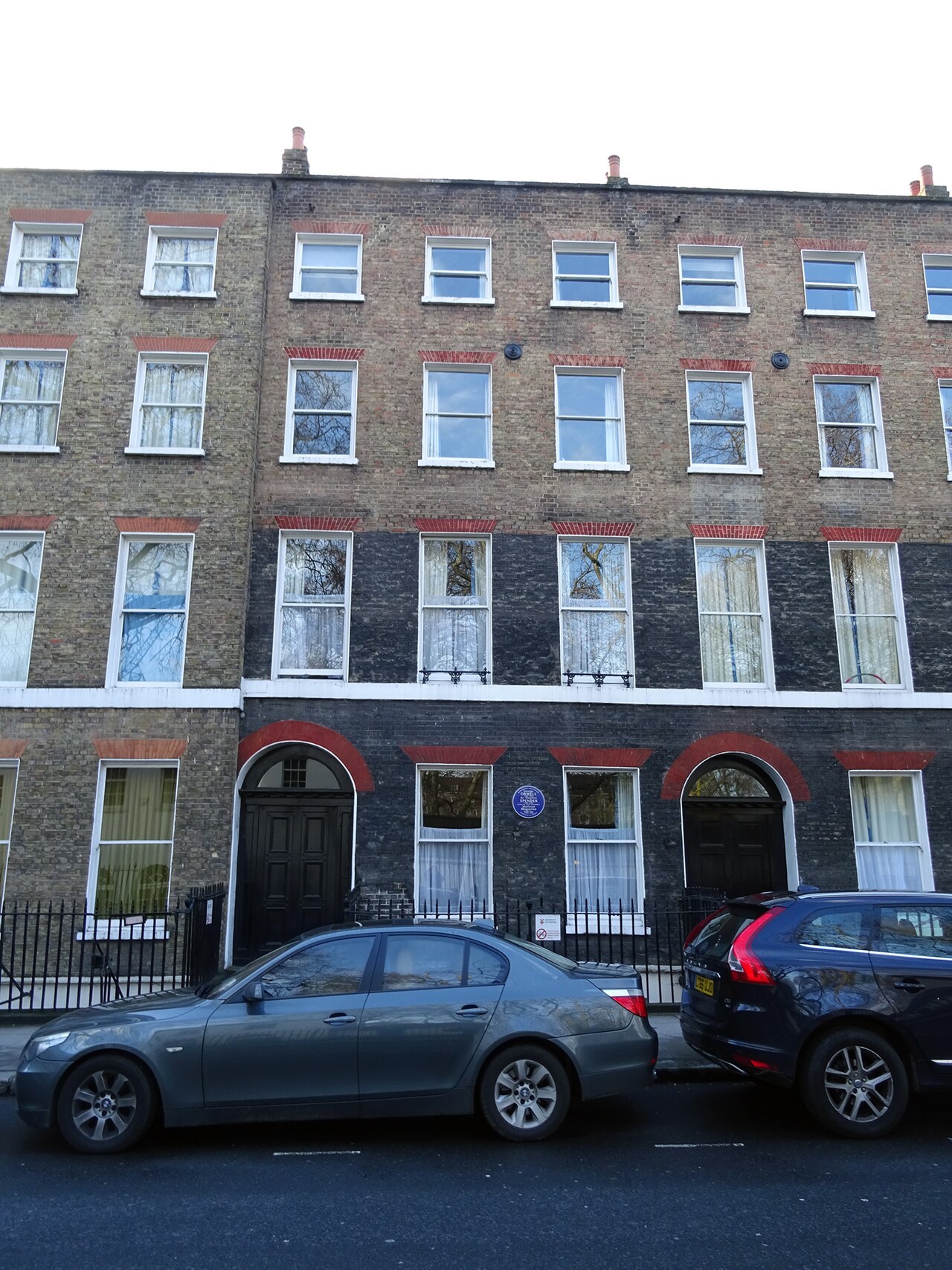
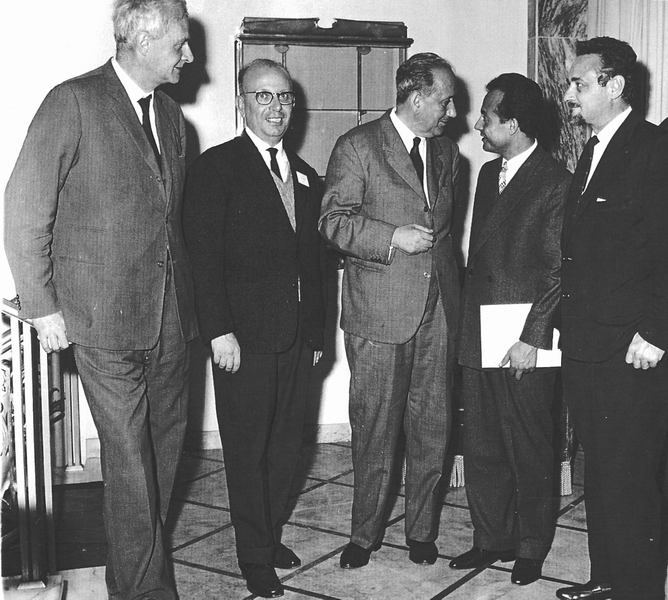
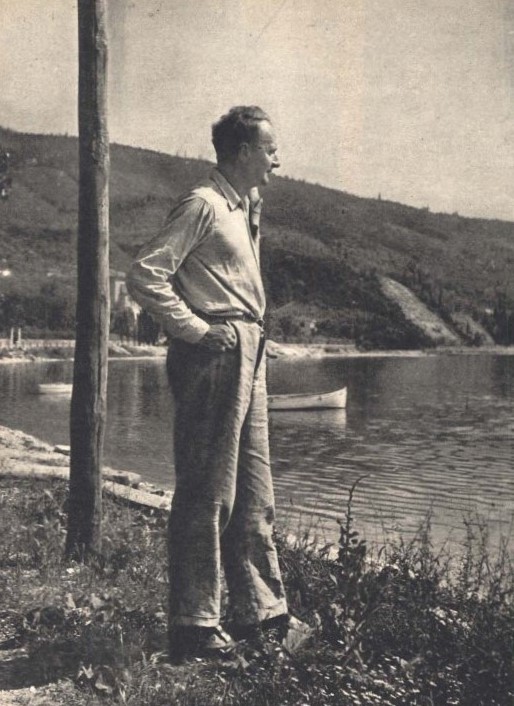
Frequently Asked Questions
Who is Stephen Spender?
Stephen Spender (1909–1995) was an English poet, novelist, and essayist whose writing consistently centered on class conflict and social injustice. He stayed publicly engaged in literary life from the 1930s through the 1990s.
What literary magazines did Stephen Spender help create?
Spender co-founded Horizon in the late 1930s, a magazine that became a key outlet for politically engaged modernist writing. He later co-founded Encounter, a more centrist publication that ran from the mid-1950s onward.
Why does Stephen Spender matter in 20th-century poetry?
His verse linked the high-modernist experiments of the 1930s with a decades-long political commitment to class and justice that outlasted several literary fashions. His magazine work also provided a platform that shaped a generation of British and European poets.
More in Modernist & 20Th Century Poets 1-18
Related in Modernist & 20Th Century Poets
Links follow this subject's own source article.
Spotted an error? Know more?
This is a living reference — every entry is fact-audited, and reader corrections feed straight into our audit queue. Suggest an edit · See this site's audit record