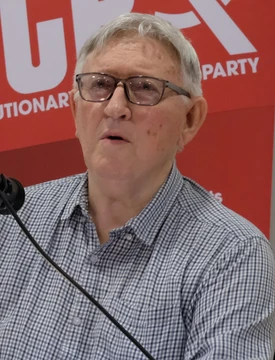
Ngapoi Ngawang Jigme
Tibetan senior official who signed the Seventeen Point Agreement in 1951.

Ngapoi Ngawang Jigme (February 1, 1910 – December 23, 2009) was a Tibetan senior official who held a range of military and political posts both before and after 1951. Born in Karma Gorge, Lhasa, he came from a leading aristocratic family, the Horkhang, which traced its lineage to former Tibetan kings. His father served as governor of Chamdo and commander of the Tibetan army. After studying traditional Tibetan literature, Ngapoi continued his education in Britain. He is commonly referred to simply as Ngapoi in English. He married Ngapoi Cedain Zhoigar, Vice President of the Tibetan Women’s Federation, which is how he acquired the name Ngapoi.
Returning from Britain in 1932, Ngapoi joined the Tibetan army. He began his official career as a local administrator in Chamdo in 1936. As a cabinet member in the Dalai Lama’s government, he pushed for reforms. In April 1950, he was appointed governor-general of Chamdo, though he only assumed the post in September after his predecessor, Lhalu, departed for Lhasa.
While governor-general, Ngapoi also became commander-in-chief of the Tibetan Army. Unlike Lhalu, who had prepared fortifications and requested more troops and weapons to block the People’s Liberation Army (PLA), Ngapoi dismantled the fortifications, refused to recruit Khampa fighters, and declined to install portable wireless sets, believing negotiation was the better path. In October 1950, his forces faced the PLA, but the battle ended quickly. Before leaving for Chamdo, Ngapoi had warned that the Tibetan army was no match for the PLA, which had defeated millions of Kuomintang soldiers across China. He surrendered Chamdo to the Chinese. The PLA surprised him by treating him well and giving him lengthy lectures on China’s policies toward minority nationalities. Within a year, he became deputy commander-in-chief of the PLA forces in Tibet, emerging as a leader not only in Tibet but also within the Chinese Communist Party there.
As a delegate of the Tibetan government, Ngapoi headed the Tibetan delegation to the Beijing peace negotiations in 1951, where he signed the Seventeen Point Agreement, accepting Chinese sovereignty in exchange for guarantees of autonomy and religious freedom. The validity of his acceptance has been questioned. The Tibetan exile community claims his signature was obtained under duress and that, as only the governor of Chamdo, he exceeded his authority. In his autobiography *My Land and My People*, the Dalai Lama states that in 1952, acting Tibetan Prime Minister Lukhangwa told Chinese representative Zhang Jingwu that the Tibetan people did not accept the agreement. However, according to Tibetan negotiator Sambo Rimshi, the delegation went to Beijing with the Dalai Lama’s authorization and instructions. The Dalai Lama told the negotiators, “Here are ten points. I have faith that you will not do anything bad, so you should go and achieve whatever you can.” Sambo recalled that the Dalai Lama also told them to use their best judgment and report back to the Kashag in Yadong; the negotiators brought a secret codebook for wireless communication. Historians Tom A. Grunfeld, Melvyn C. Goldstein, and Tsering Shakya note that the young Dalai Lama ratified the agreement with the Tsongdu Assembly’s recommendation a few months later. In 1959, after fleeing to India, the Dalai Lama repudiated the agreement, calling it “thrust upon Tibetan Government and people by the threat of arms.”
Ngapoi was among a small number of progressive Tibetan elites eager to modernize Tibet, seeing the Chinese return as an opportunity. This reformist movement had emerged in the 1920s with Tsarong Dzasa as its main proponent but was halted by the 13th Dalai Lama under pressure from conservative clerics and aristocrats.
In 1951–1952, Ngapoi helped solve the PLA’s food shortages by creating a Kashag subcommittee to inventory grain stores and sell some to the PLA, as outlined in point 16 of the Seventeen Point Agreement. Later, the Tibetan government appointed him to head the newly formed Reform Assembly. He became the Kashag minister (Kalön) most trusted by both the Chinese and the Dalai Lama, who favored reforms and modernization and often discussed political issues privately with Ngapoi. In 1953–1954, the Reform Assembly crafted new laws reforming interest rates, old loans, and county administration.
- born
- February 1, 1910, Lhasa
Verified Timeline
Quick Facts
- Office
- Vice Chairman of the Chinese People's Political Consultative Conference
- Term Start
- 27 March 1993
- Term End
- 23 December 2009
- 1Blankname
- Chairman
- 1Namedata
- Li Ruihuan→Jia Qinglin
- Term Start1
- 29 April 1959
- Term End1
- 5 January 1965
- 1Namedata1
- Zhou Enlai
- Office2
- Chairman of the Standing Committee of the Tibet Autonomous Region People's Congress
- Term Start2
- February 1983
- Term End2
- January 1993
- Predecessor2
- Yang Dongsheng
Facts from the source article.
Lore & Background
Ngapoi Ngawang Jigme was born in Karma Gorge of Lhasa as the son of a leading Tibetan aristocratic family descended from former kings of Tibet, the Horkhang. His father was governor of Chamdo in Eastern Tibet and commander of the Tibetan armed forces. After studying traditional Tibetan literature, he went to Britain for further education. He was married to Ngapoi Cedain Zhoigar, Vice President of the Tibetan Women's Federation, hence his name Ngapoi. Upon returning in 1932 from his studies in Britain, he served in the Tibetan army. He began his career as a local official in Chamdo in 1936. As a cabinet member of the former government of Tibet under the Dalai Lama, he advocated reform. In April 1950 he was appointed governor-general (commissioner) of Chamdo, but took office only in September, after the previous governor, Lhalu, had left for Lhasa. While serving as governor-general of Chamdo, he also became commander-in-chief of the Tibetan Army. His predecessor Lhalu had made elaborate military plans and fortifications and asked the Kashag for more soldiers and weapons to stop the People's Liberation Army from entering Tibet. Ngapoi had the fortifications removed, refused to hire Khampa warriors and to install two portable wireless sets as he thought it was better to negotiate. In October 1950, his forces confronted the People's Liberation Army. The battle was quickly over. As he had warned before his departure for Chamdo, 'the Tibetan forces were no match for the PLA who [...] had liberated the whole of China by defeating several million Kuomintang soldiers.' Ngapoi surrendered Chamdo to the Chinese. The PLA surprised him by treating him well and giving him long lectures on the New China's policies toward minor nationalities. Within a year, he was the deputy commander-in-chief for the PLA forces in Tibet.
Reader's Guide
Ngapoi Ngawang Jigme's key act was heading the Tibetan delegation to the Beijing peace negotiations in 1951, where he signed the Seventeen Point Agreement with the Chinese Communist government, accepting Chinese sovereignty in exchange for guarantees of autonomy and religious freedom. The validity of his acceptance has been questioned: the Tibetan exiled community claims his signature was obtained under duress and exceeded his powers as only governor of Chamdo. The Dalai Lama, in his biography My Land and My People, claims that in 1952 the acting Tibetan Prime Minister Lukhangwa told Chinese representative Zhang Jingwu that the Tibetan 'people did not accept the agreement.' However, according to Sambo Rimshi, one of the Tibetan negotiators, the delegation went to Beijing with the Dalai Lama's authorization and instructions. The Dalai Lama's instruction stated: 'Here are ten points. I have faith that you will not do anything bad, so you should go and achieve whatever you can.' The young Dalai Lama also told the negotiators to use their best judgment and report back to the Kashag in Yadong. According to historians Tom A. Grunfeld, Melvyn C. Goldstein and Tsering Shakya, the young Dalai Lama did ratify the Seventeen Point agreement with Tsongdu Assembly's recommendation few months after the signing. In 1959, the Dalai Lama on his arrival in India repudiated the agreement as having been 'thrust upon Tibetan Government and people by the threat of arms.' Ngapoi was instrumental in solving food problems of the PLA in 1951–1952 by creating a Kashag subcommittee tasked with inventorying grain stores to sell some to the PLA per point 16 of the agreement. He was appointed by the Tibetan government to head the newly formed Reform Assembly. He was the Kashag minister (Kalön) most trusted not only by the Chinese but also by the Dalai Lama. In 1953–1954, the Reform Assembly crafted new laws reforming interest rates, old loans, and the administration of counties. After 1951, he served as leader of the Liberation Committee of Chamdo Prefecture until 1959, Deputy Commander of the Tibet Military District between 1952 and 1977, and was appointed lieutenant general and awarded the 'Order of Liberation' first class in 1955. He was Secretary General of the Preparatory Committee for the Tibet Autonomous Region from 1956, became acting chairman in 1964, and chairman of the People's Committee of the newly established Tibet Autonomous Region in 1965. He represented Tibet in seven National People's Congresses as a Vice Chairman of the Standing Committee from the 1st in 1954 to the 7th in 1988.
Did You Know?
- Ngapoi Ngawang Jigme was born in Karma Gorge of Lhasa as the son of a leading Tibetan aristocratic family descended from former kings of Tibet, the Horkhang.
- He went to Britain for further education after studying traditional Tibetan literature.
- He was married to Ngapoi Cedain Zhoigar, Vice President of the Tibetan Women's Federation, hence his name Ngapoi.
- He was appointed as lieutenant general and awarded the 'Order of Liberation' first class in 1955.
- He died at 16:50 on December 23, 2009, from an unspecified illness in Beijing at the age of 99 (or 100 according to East Asia's custom of counting age).
Frequently Asked Questions
Who is Ngapoi Ngawang Jigme?
Ngapoi Ngawang Jigme was a senior Tibetan political and military figure born in Lhasa in 1910. He is most widely recognized for leading the Tibetan delegation that signed the Seventeen Point Agreement in 1951.
What is Ngapoi Ngawang Jigme best known for?
He is best known for heading the Tibetan delegation that negotiated and signed the Seventeen Point Agreement with the Chinese Communist government in 1951. That document addressed the political relationship between Tibet and the central government.
What political roles did Ngapoi Ngawang Jigme hold after 1951?
Following the Seventeen Point Agreement, he served as chairman of the People's Committee of the Tibet Autonomous Region. He also held the post of Vice Chairman of the Standing Committee of the National People's Congress.
When was Ngapoi Ngawang Jigme born and when did he die?
He was born on February 1, 1910, in Lhasa, and passed away on December 23, 2009. His life spanned nearly a century of major political change in the region.
Why is Ngapoi Ngawang Jigme considered important in modern political history?
His leadership of the 1951 delegation made him a central figure in Tibet's mid-twentieth-century political transition. His subsequent governance roles in the Tibet Autonomous Region and the National People's Congress further cemented his significance in the region's administrative history.
More in Modern Political Activists And Theorists 1-24
Spotted an error? Know more?
This is a living reference — every entry is fact-audited, and reader corrections feed straight into our audit queue. Suggest an edit · See this site's audit record