Franco-Thai War
Conflict between Thailand and Vichy France over Indochinese territories.

Murashel , edited by: Thanyakij · CC BY-SA 3.0
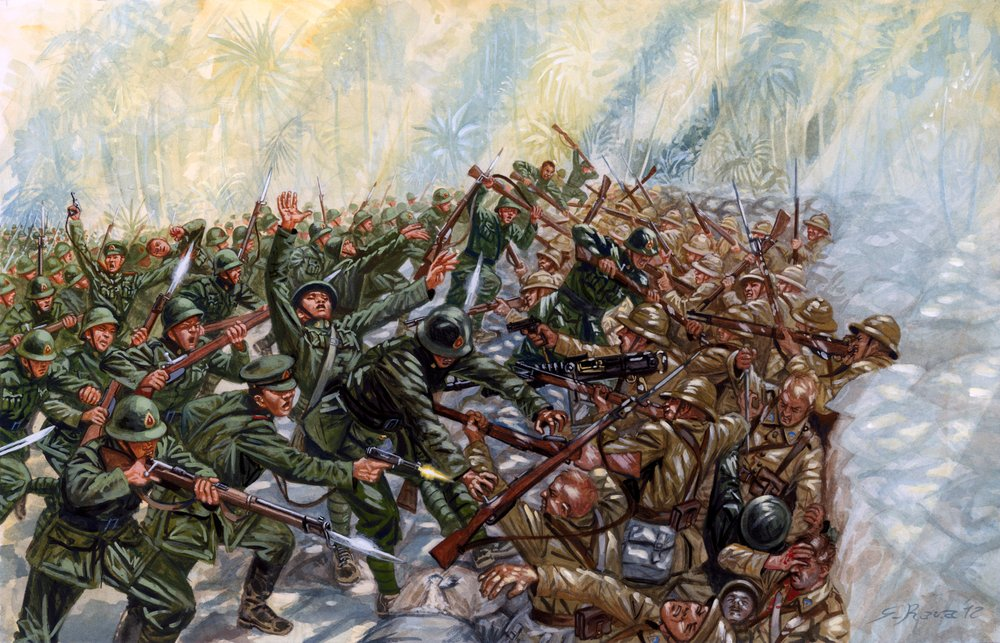
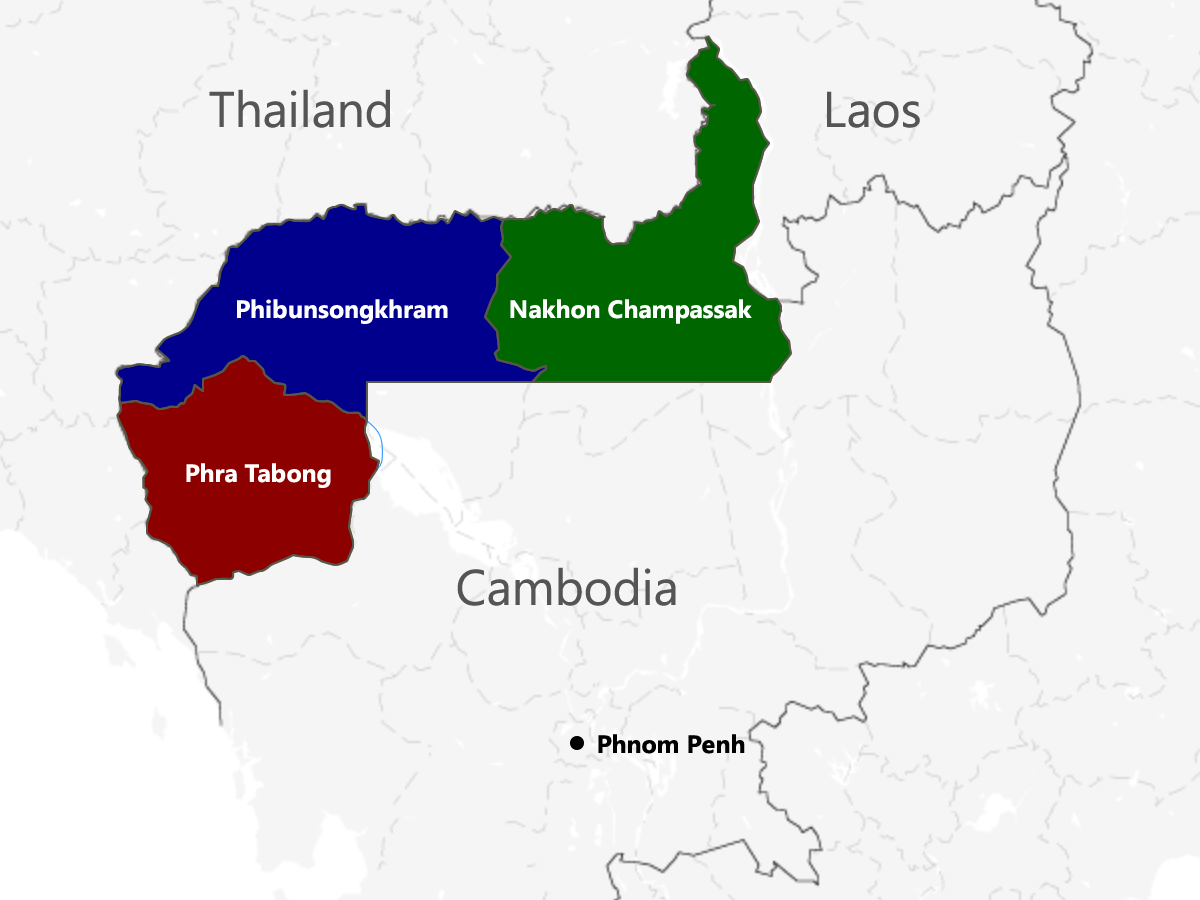
The Franco-Thai War lasted from October 1940 until late January 1941, pitting Thailand against Vichy France for control of disputed parts of French Indochina. Before World War II, talks had shown the French government would only make minor border adjustments with Thailand. But after France fell to Germany in 1940, Thai Prime Minister Major-General Plaek Phibunsongkhram—often called Phibun—calculated that France’s weakened state gave Thailand better odds of reclaiming the vassal territories lost under King Chulalongkorn. With metropolitan France occupied by German and Italian forces, its grip on Indochina and other colonies became shaky; the colonial administration was cut off from outside aid and supplies. When Japan invaded French Indochina in September 1940, it forced the French to allow Japanese military bases. This apparent French submission convinced Phibun’s regime that France would offer little resistance to a Thai military move.
- belligerents
- Thailand vs. Vichy France
- location
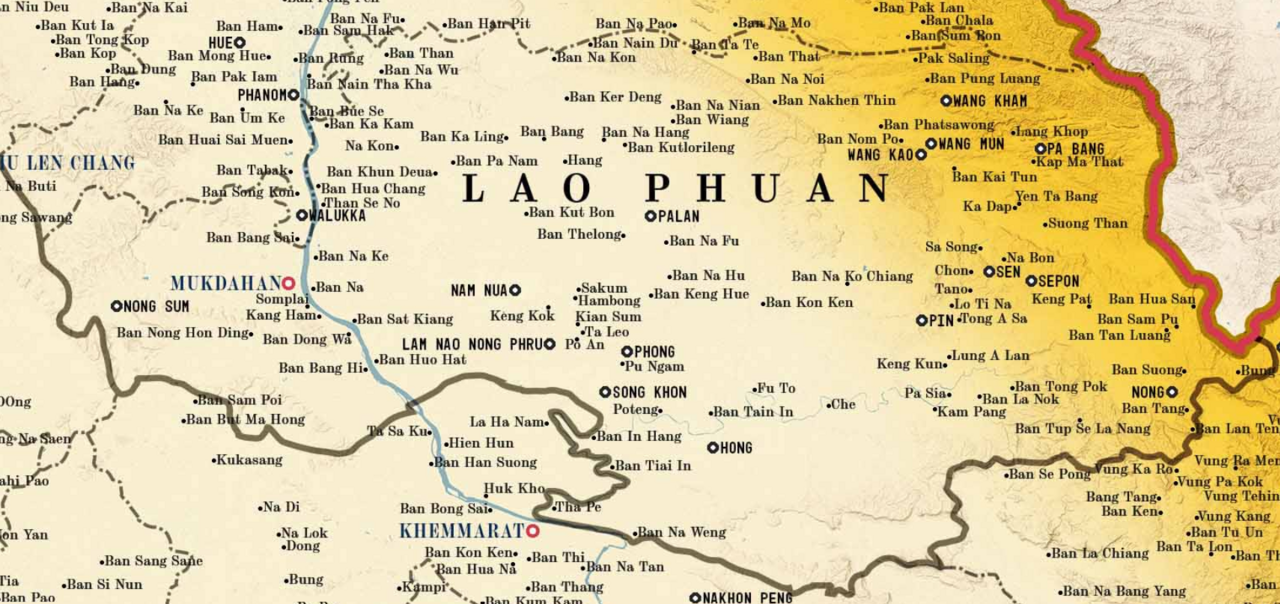
- French Indochina (Laos and Cambodia)
- outcome
- Indecisive; armistice
Verified Timeline
Reader's Guide
The Franco-Thai War is significant as a regional conflict during World War II that exploited France's defeat by Germany. It demonstrated Thailand's ambition to reclaim lost territories under Phibun's nationalist regime, and highlighted the tenuous position of Vichy France's colonial holdings. The Royal Thai Air Force proved superior, conducting daytime bombing runs with impunity, while the French Navy and Army were outmatched in armor and aircraft. The conflict ended without a decisive victory, but it underscored the shifting power dynamics in Southeast Asia as Japan expanded its influence. The war's legacy includes its role in the 'Lost Territories' narrative and the strengthening of Thai nationalism under Phibun.
Did You Know?
- The Franco-Thai War is also known in Thai as 'Karani Phiphat Indochin' and in French as 'Guerre franco-thaïlandaise'.
- The Royal Thai Air Force held both a quantitative and qualitative edge over the local Armée de l'Air, with 140 first-line aircraft including 24 Mitsubishi Ki-30 light bombers and 25 Curtiss Hawk 75N fighters.
- At the Battle of Ko Chang on 17 January 1941, a French naval squadron sank two Thai torpedo boats and disabled a coastal defense ship, with the French suffering no casualties.
- The French launched a large counterattack on 16 January 1941 at the Thai-held villages of Yang Dang Khum and Phum Preav, but the operation was stopped and ended with a French retreat.
- Thailand signed non-aggression treaties with France, the British Empire, and the Japanese Empire all on 12 June 1940.
The Lost Territories Grievance and Militarist Consolidation
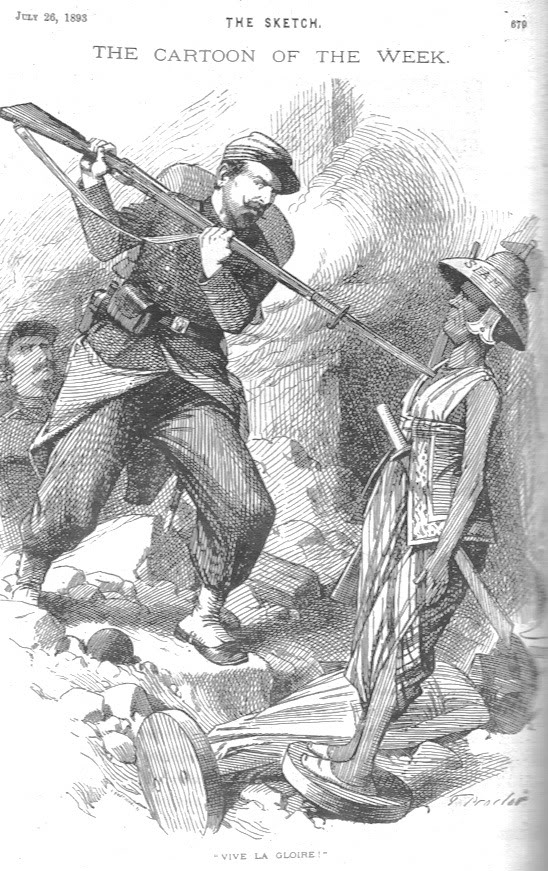
The events of the Franco-Siamese Crisis of 1893 and the Franco-Siamese Treaty of 1907 ended with Siam losing the territories of Laos and Cambodia to France. The crisis was seen as a national humiliation according to the 'Lost Territories' narrative, but available political actions and negotiation attempts between Siam and Western Powers were limited. After the Siamese Revolution and Boworadet Rebellion, Siam was under Khana Ratsadon control. The uneasy alliance between the Civilian and Military wings of Khana Ratsadon led to the consolidation of political and military powers to the militarist wing under Colonel Phraya Phahonphonphayuhasena in the June 1933 Siamese coup d'état. On 3 October 1936, Marcel Rey, the French Minister in Siam, reported about Siamese newspapers publishing irredentist articles about the French occupation of Cambodian provinces, while the Siamese government voted for a credit of 30 million Baht over five years for strategic road construction towards the Indochinese border.
The Collapse of French Power and the Window of Opportunity
During the Battle of France, the French government decided to sign a non-aggression treaty with Thailand on 12 June 1940 regarding mutual respect on Thai and French territorial integrity, with a joint commission to inspect the borders between Thailand and French Indochina, just a few days before the total collapse of Metropolitan France to the invading German forces on 17 June 1940. The Fall of France and the Armistice of 22 June 1940 led to the creation of the Vichy Regime in Southern France, which inherited control over French colonial territories. With the weakened status of the French state, both Phibun and the Japanese Empire saw opportunities in Indochina. The seemingly subservient behavior of the French lulled the Phibun regime into believing that France would not seriously resist a military confrontation by Thailand.
Opposing Forces on the Indochinese Frontier
The Vichy French Army in Indochina consisted of approximately 50,000 men, 12,000 of whom were French, organized into forty-one infantry battalions, two artillery regiments, and a battalion of engineers. The Vichy French Army had a shortage of armor, fielding only 20 Renault FT tanks against the nearly one hundred Royal Thai Army armored vehicles. The bulk of the French forces near the Thai border consisted of the Indochinese infantry of the 3rd and 4th Regiments of Tonkinese Rifles, together with a battalion of Montagnards, French regulars of the Colonial Infantry, and French Foreign Legion units. The Vichy French Navy had only the light cruiser Lamotte-Picquet and four small avisos. The Vichy French Air Force had approximately 100 aircraft, of which roughly 60 could be considered front-line, including thirty Potez 25 TOE reconnaissance/fighter-bombers, four Farman 221 heavy bombers, six Potez 542 bombers, nine Morane-Saulnier M.S.406 fighters, and eight Loire 130 reconnaissance/bomber flying boats.
Phibun's Mobilization and the Road to Confrontation
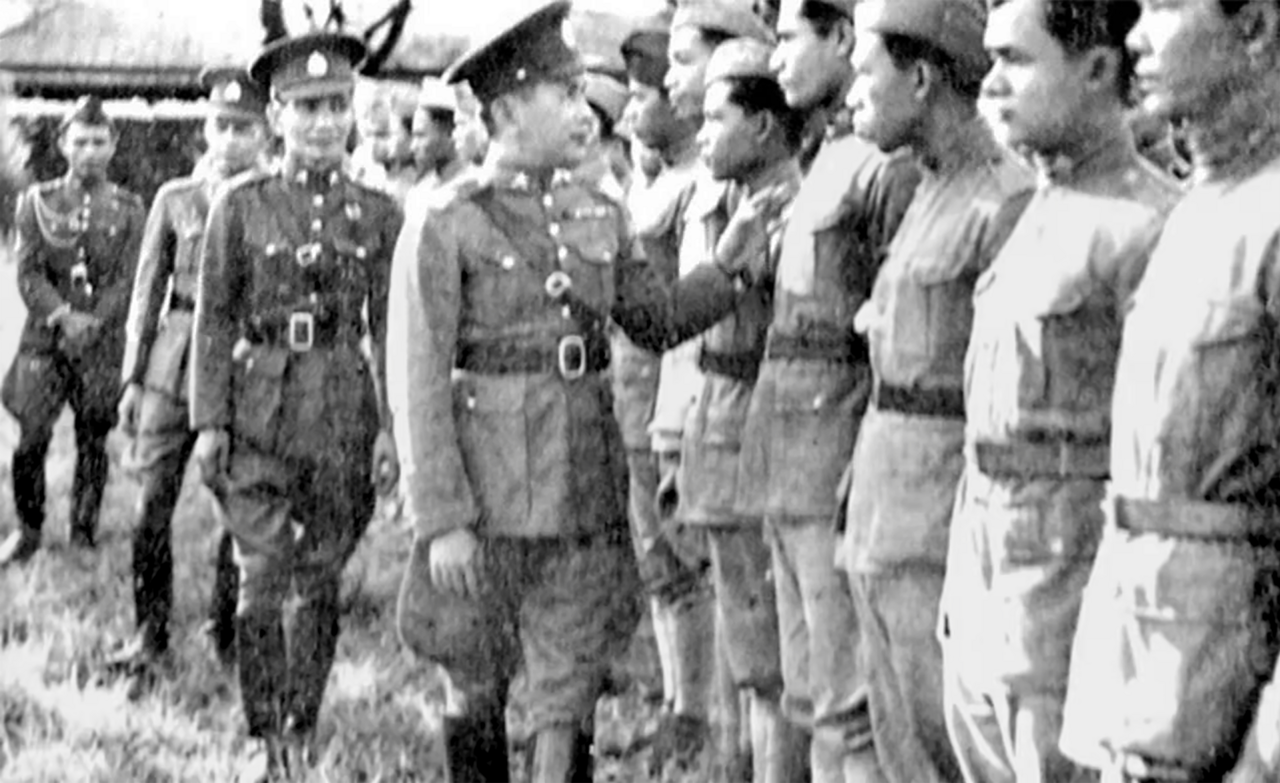
Phibun personally gave a speech at a student's political rally on 8 October 1940 in front of the Ministry of Defence and the Grand Palace for Chulalongkorn and Thammasat students, with cheering crowds who came to support the cause for reclaiming Indochinese territories from France. An oath-taking ceremony followed, binding the student body to the nationalist cause.
Gallery
Frequently Asked Questions
Why is the Franco-Thai War important?
It stands as a rare example of a Southeast Asian nation successfully challenging a European colonial power's territorial claims during a window of European vulnerability. The episode also foreshadowed the broader regional power shifts that would follow with the outbreak of the Pacific War.
More in Military Conflicts And Wars 1-18
Spotted an error? Know more?
This is a living reference — every entry is fact-audited, and reader corrections feed straight into our audit queue. Suggest an edit · See this site's audit record