Eureka Rebellion
Gold miners' revolt against British colonial rule in Victoria.

via Wikipedia: Eureka Rebellion · see source
The Eureka Rebellion was an uprising by gold miners against British colonial rule in Victoria, Australia, during the gold rush. It ended with the Battle of the Eureka Stockade on 3 December 1854 in Ballarat, where colonial forces clashed with the rebels. Official records show 27 people died and many were wounded, most of them among the rebels. The rebellion’s significance is debated; some see it as the start of democracy in Australia, while others view it as a political revolt.
The conflict began with the Victorian gold rush in 1851. After Victoria separated from New South Wales in July 1851, prospectors were offered 200 guineas for gold finds within 320 kilometres of Melbourne. By August, Thomas Hiscock’s discovery near Buninyong sparked a rush. The colony’s population surged from 77,000 in 1851 to 198,496 in 1853, with a yearly average of 100,351 on the goldfields. Many newcomers were ex-convicts, gamblers, and thieves, and authorities struggled with too few police and infrastructure to support the mining boom. Labour shortages grew as workers left for the fields.
Protests began in 1851. On 16 August, Lieutenant-Governor Charles La Trobe claimed crown rights to goldfields and introduced a monthly mining licence of 30 shillings, effective 1 September. This flat tax, based on time rather than gold found, was seen as unfair. The first rally on 26 August at Hiscock’s Gully drew 40–50 miners, who passed four resolutions against the rules. From the start, there was a split between “moral force” activists seeking peaceful change and “physical force” advocates ready to take up arms. More protests followed across the colony.
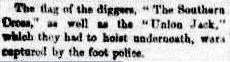
In mid-September 1851, the first gold commissioner, Francis Crossman Doveton, arrived in Ballarat. In December, a proposed hike to 3 pounds a month—a 200% increase—caused unrest, with miners gathering weapons. On 8 December, an anti-tax banner appeared at Forrest Creek. After outcry from Melbourne and Geelong, the increase was cancelled on 13 December. The Forest Creek Monster Meeting on 15 December saw up to 20,000 miners demand the tax’s repeal. An engraving of the event shows a flag, but whether it was a iconic “Digger’s flag” is debated.
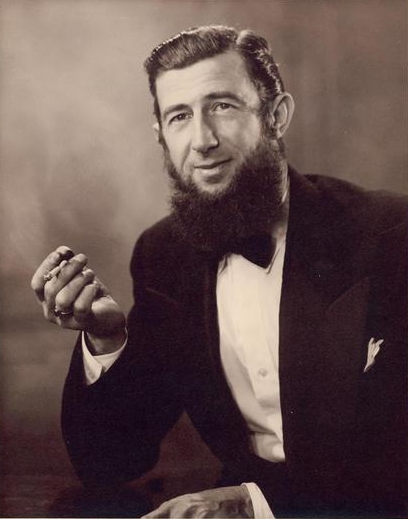
Tensions escalated from 1851 with the gold tax. Miners organised and stopped paying en masse. The murder of a miner in October 1854 and the burning of a hotel—blamed on the government—ended peaceful protests. On 29 November, about 10,000 people swore allegiance to the Eureka Flag. Gold miner Peter Lalor led the oath and became the rebellion’s de facto leader. The Battle of Eureka Stockade on 3 December crushed the revolt. Thirteen captured rebels were tried for high treason in Melbourne but acquitted due to public support. Lalor, in hiding, later won election to the Victorian Legislative Assembly in 1856, though he proved less sympathetic to commoners than expected. Reforms followed, including universal male suffrage for Assembly elections and removal of property qualifications for members.
- Conflict
- Eureka Rebellion
- Date
- 3 December 1854 (battle)
- Location
- Ballarat, Victoria, Australia
- Casualties
- 27 deaths, many injuries
- Rebel leader
- Peter Lalor
- Outcome
- Rebellion suppressed; 13 rebels acquitted of high treason
Verified Timeline
Quick Facts
- Part Of
- the Victorian gold rush
- Participants
- Gold miners and the Victorian colonial government
- Location
- Colony of Victoria
- Date
- 1851–1854
- Outcome
- Rebellion put down by the colonial government / Fall of the Eureka Stockade / Thirteen rebel prisoners acquitted in the 1855 Victorian high treason trials / Tax and electoral reform
Facts from the source article.
Lore & Background
Tensions began in 1851 with the introduction of a tax on gold mines. Miners began to organise and protest the taxes; miners stopped paying the taxes en masse. The October 1854 murder of a gold miner, and the burning of a local hotel (which miners blamed on the government), ended the previously peaceful nature of the miners' dispute. Open rebellion broke out on 29 November 1854, as a crowd of some 10,000 swore allegiance to the Eureka Flag. Gold miner Peter Lalor became the rebellion's de facto leader, as he had initiated the swearing of allegiance. The Battle of Eureka Stockade ended the short-lived rebellion on 3 December. A group of 13 captured rebels (not including Lalor, who was in hiding) was put on trial for high treason in Melbourne, but mass public support led to their acquittal.
Reader's Guide
The legacy of the Rebellion is contested. Rebel leader Peter Lalor was elected to the Victorian Legislative Assembly in 1856, though he proved to be less of an ally to the common man than expected. Several reforms sought by the rebels were subsequently implemented, including legislation providing for universal adult male suffrage for Assembly elections and the removal of property qualifications for Legislative Assembly members. The Eureka Rebellion is controversially identified with the birth of democracy in Australia and interpreted by many as a political revolt. The miners had various grievances, chiefly the cost of mining permits and the officious way the system was enforced.
Did You Know?
- The Eureka Rebellion culminated in the Battle of the Eureka Stockade on 3 December 1854 at Ballarat.
- An official total of 27 deaths and many injuries resulted from the battle, with the majority of casualties being rebels.
- Gold miner Peter Lalor became the rebellion's de facto leader after initiating the swearing of allegiance to the Eureka Flag on 29 November 1854.
- Thirteen captured rebels were put on trial for high treason in Melbourne, but mass public support led to their acquittal.
- The Forest Creek Monster Meeting on 15 December 1851 drew up to 20,000 miners in a mass demonstration against the mining tax.
The Gold Rush That Made a Colony
The Eureka Rebellion had its origins in the Australian gold rush that began in 1851. Following the separation of Victoria from New South Wales on 1 July 1851, gold prospectors were offered 200 guineas for making discoveries within 320 kilometres (200 mi) of Melbourne. In August 1851, the news was received around the world that, on top of several earlier finds, Thomas Hiscock had found still more deposits 3 kilometres (2 mi) west of Buninyong. This led to gold fever taking hold as the colony's population increased from 77,000 in 1851 to 198,496 in 1853. In three years, the total number of people living in and around the Victorian goldfields stood at a 12-month average of 100,351. Among this number was 'a heavy sprinkling of ex-convicts, gamblers, thieves, rogues and vagabonds of all kinds'. The local authorities soon found themselves with fewer police and lacked the infrastructure needed to support the expansion of the mining industry. The number of public servants, factory and farm workers leaving for the goldfields to seek their fortune made for chronic labour shortages that needed to be resolved.
From Licence Fees to Mass Defiance
On 16 August 1851, just days after Hiscock's lucky strike, Lieutenant-Governor Charles La Trobe issued two proclamations that reserved to the crown all land rights to the goldfields and introduced a mining licence (tax) of 30 shillings per month, effective 1 September. The universal mining tax was based on time stayed rather than what was seen as the more equitable option, an export duty levied only on gold found, meaning it was always designed to make life unprofitable for most prospectors. The earliest rally was held on 26 August 1851 at Hiscock's Gully in Buninyong and attracted 40–50 miners protesting the new mining regulations. From the outset, there was a division between the 'moral force' activists who favoured lawful, peaceful and democratic means and those who advocated 'physical force', with some in attendance suggesting that the miners take up arms against the lieutenant governor. At the beginning of December 1851, there was discontent when it was announced that the licence fee would be raised to 3 pounds a month, a 200 per cent increase, effective 1 January 1852. In Ballarat, some miners became so agitated that they began to gather arms. After remonstrations, particularly in Melbourne and Geelong, on 13 December 1851, the previous increase was rescinded. The Forest Creek Monster Meeting took place at Mount Alexander on 15 December 1851. According to high-end estimates, up to 20,000 miners turned out in a massive display of support for repealing the mining tax.
The Stockade and the Treason Trial
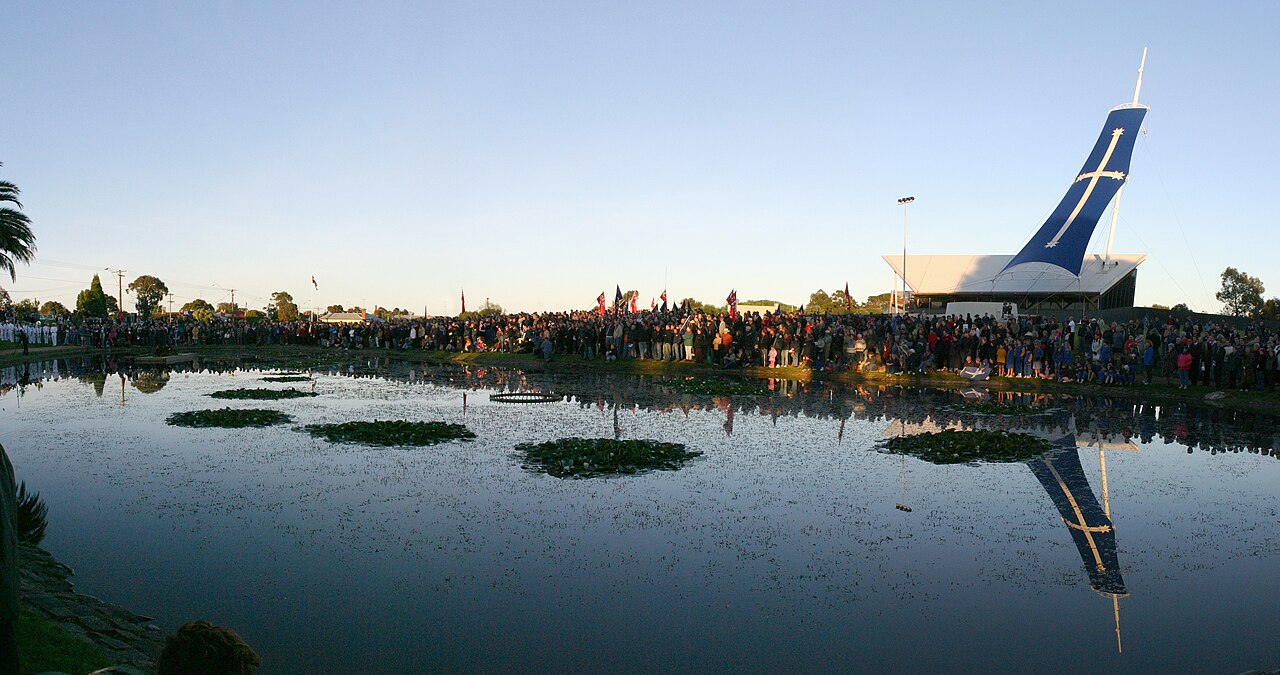
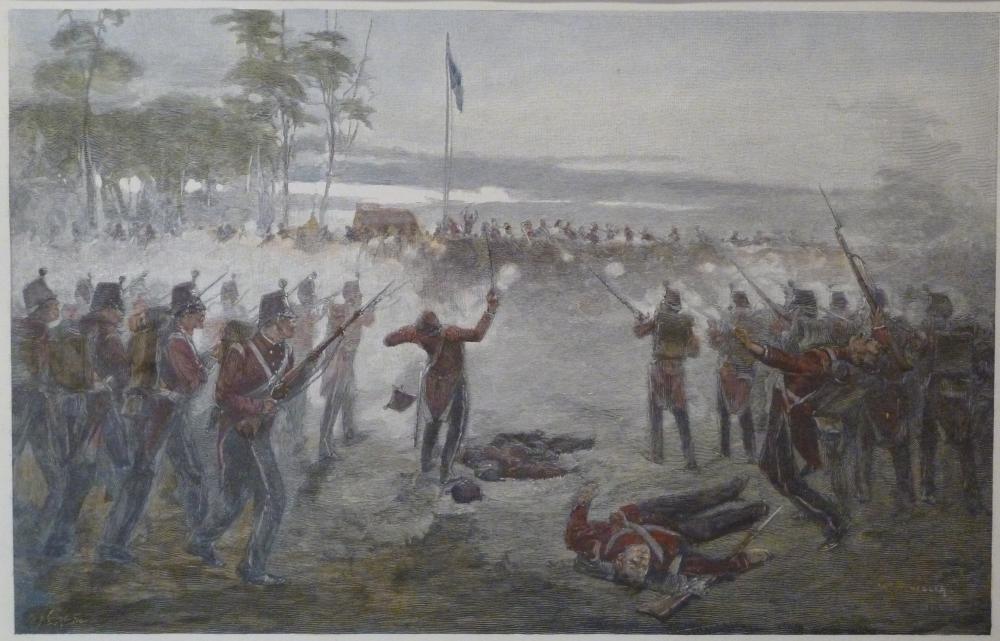
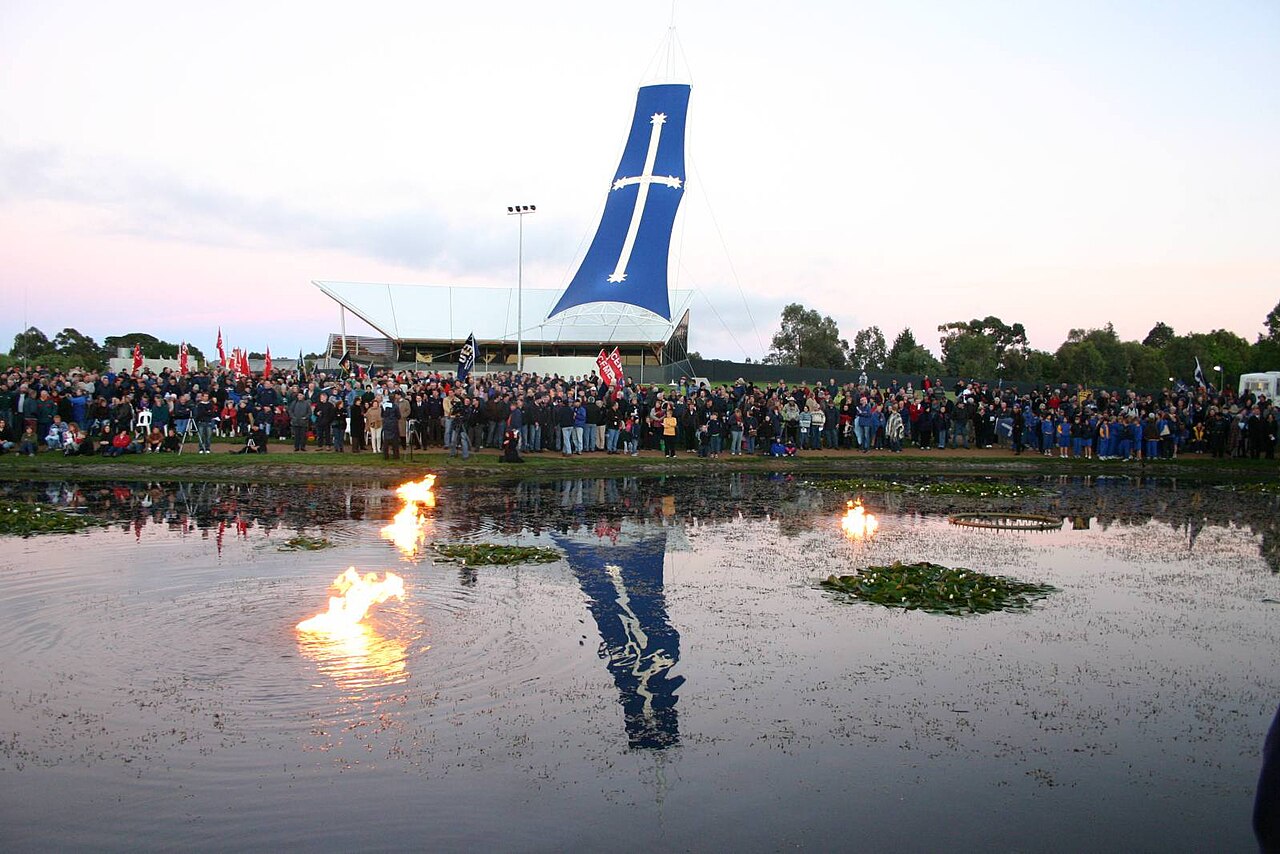
The October 1854 murder of a gold miner, and the burning of a local hotel (which miners blamed on the government), ended the previously peaceful nature of the miners' dispute. Open rebellion broke out on 29 November 1854, as a crowd of some 10,000 swore allegiance to the Eureka Flag. Gold miner Peter Lalor became the rebellion's de facto leader, as he had initiated the swearing of allegiance. The Battle of Eureka Stockade ended the short-lived rebellion on 3 December. The fighting resulted in an official total of 27 deaths and many injuries, the majority of casualties being rebels. A group of 13 captured rebels (not including Lalor, who was in hiding) was put on trial for high treason in Melbourne, but mass public support led to their acquittal.
A Contested Inheritance
The legacy of the Rebellion is contested. Rebel leader Peter Lalor was elected to the Victorian Legislative Assembly in 1856, though he proved to be less of an ally to the common man than expected. Several reforms sought by the rebels were subsequently implemented, including legislation providing for universal adult male suffrage for Assembly elections and the removal of property qualifications for Legislative Assembly members. The Eureka Rebellion is controversially identified with the birth of democracy in Australia and interpreted by many as a political revolt.
Gallery
Frequently Asked Questions
What was the Eureka Rebellion?
The Eureka Rebellion was a 1854 uprising by gold miners in Ballarat, Victoria, Australia, who rose up against the British colonial government's control of the Victorian goldfields. It climaxed in the Battle of the Eureka Stockade on 3 December 1854.
Who led the Eureka Rebellion?
Peter Lalor was the principal rebel leader, organizing the miners' resistance against colonial licensing policies on the goldfields. He commanded the stockade defenders during the decisive battle at Ballarat.
How many people died in the Eureka Rebellion?
The conflict produced 27 deaths and a large number of injuries, with the bulk of casualties on the rebel side. The fighting was largely confined to the Battle of the Eureka Stockade at Ballarat.
Why is the Eureka Rebellion important to Australian history?
It is controversially but widely regarded as a formative moment in the birth of Australian democracy, representing a political revolt against colonial authority. Miners used the uprising to push for greater self-governance and political representation on the goldfields.
What was the legal outcome for the Eureka Rebellion's leaders?
Colonial forces suppressed the rebellion, but 13 of the accused rebels were ultimately acquitted of high treason. That partial legal vindication has kept the event's legacy contested in Australian political memory.
More in Military Conflicts And Wars 1-18
Spotted an error? Know more?
This is a living reference — every entry is fact-audited, and reader corrections feed straight into our audit queue. Suggest an edit · See this site's audit record