
Hydrocodone
Semi-synthetic opioid for pain and cough suppression.

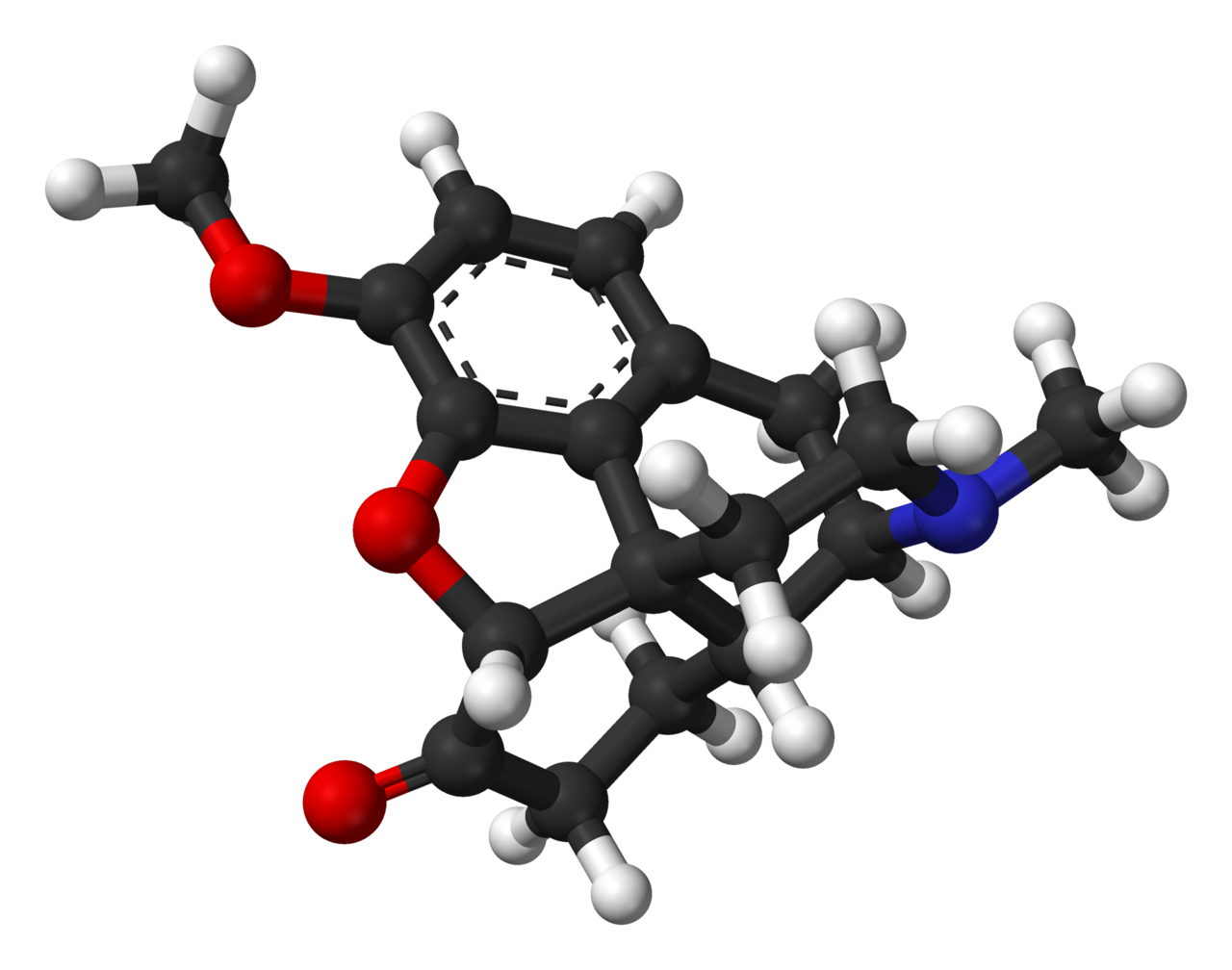
Ben Mills · Public domain
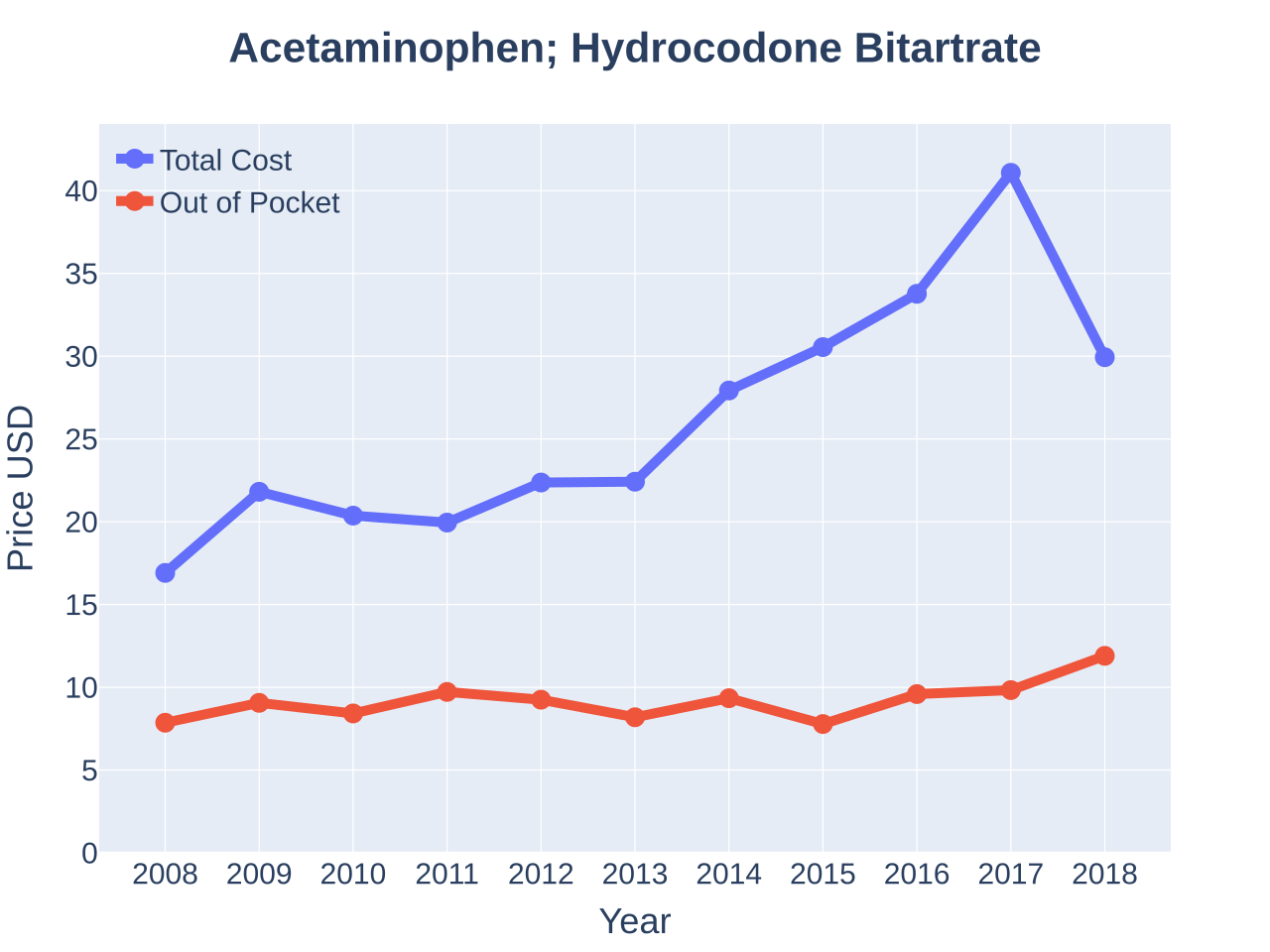
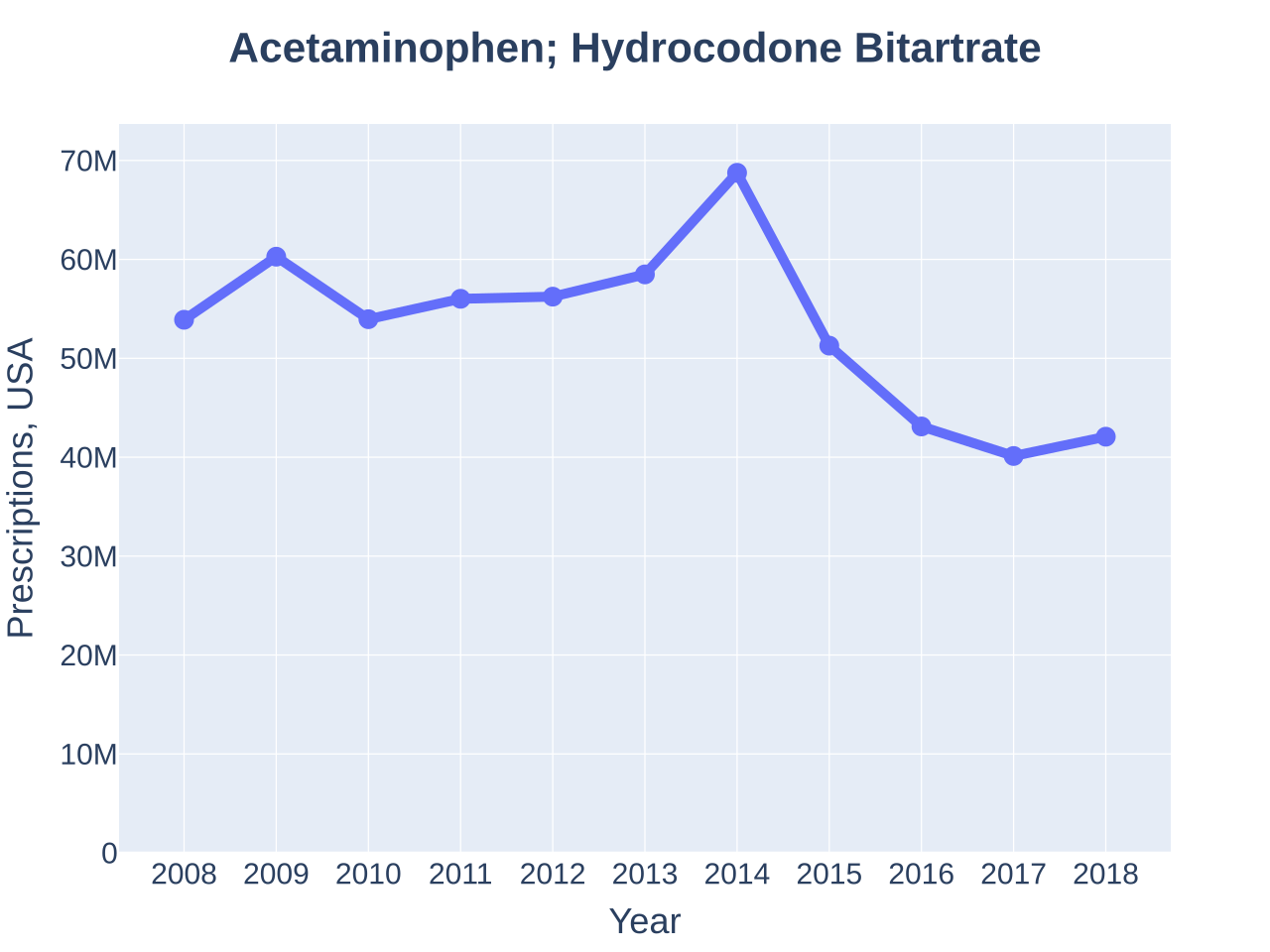
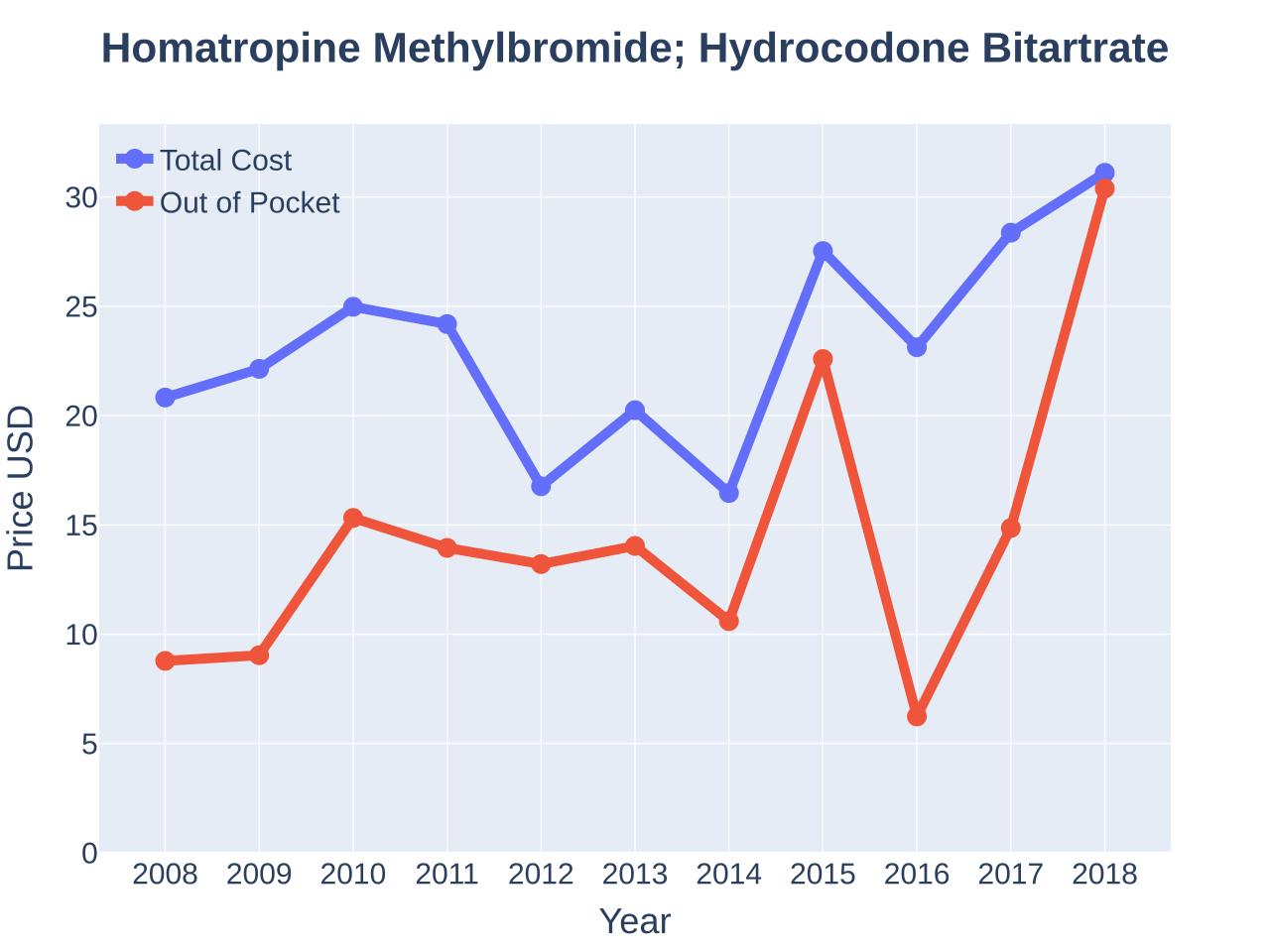
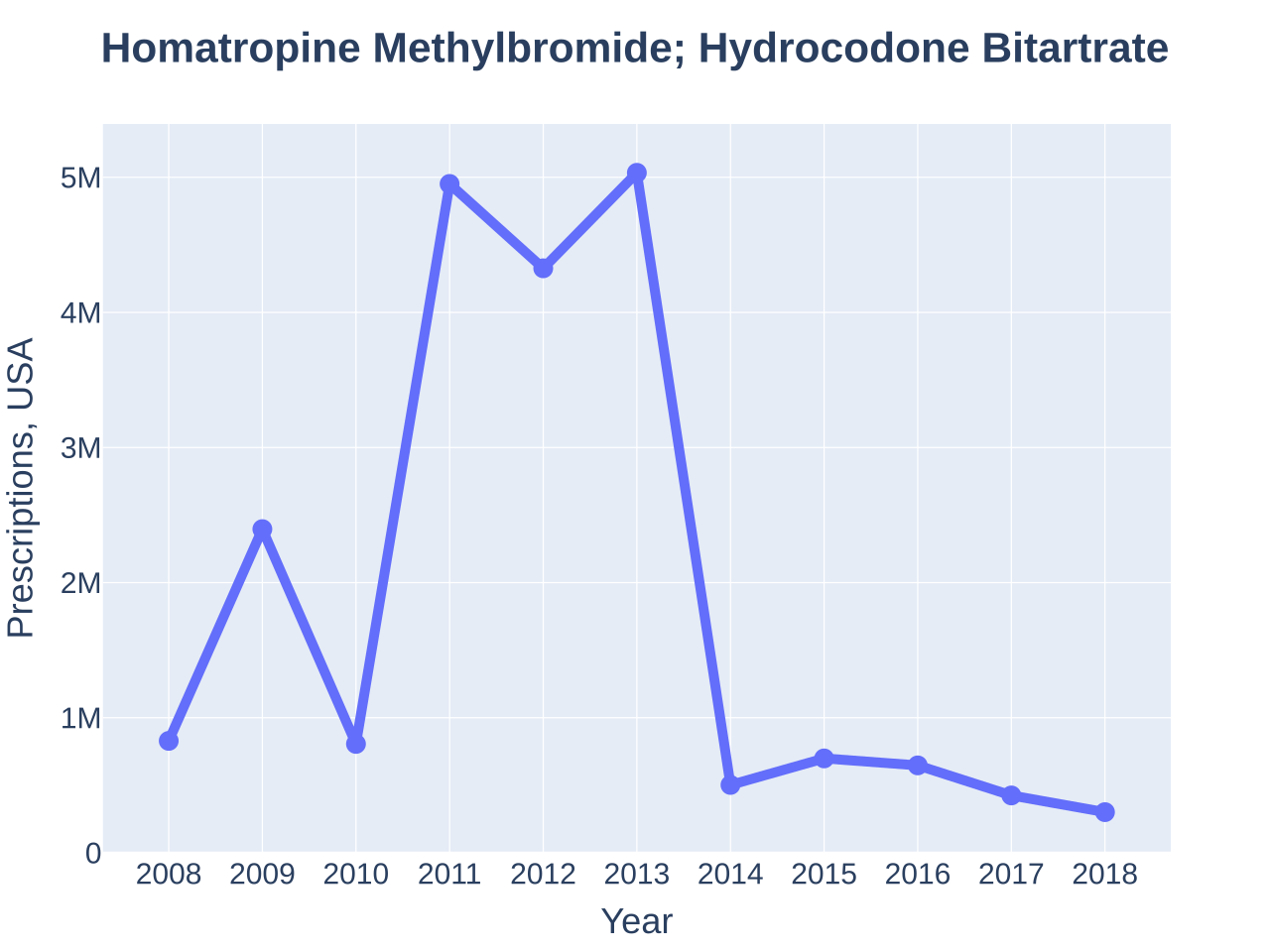
Hydrocodone, also known as dihydrocodeinone, is a semi-synthetic opioid derived from codeine or, less frequently, from thebaine. It is used orally to treat moderate to severe pain and, in liquid formulations, as a cough suppressant. The drug is commonly dispensed in combination with other agents: with acetaminophen or ibuprofen for pain, and with homatropine methylbromide for cough. A long-acting, single-ingredient form, such as Zohydro ER, is available for severe pain requiring prolonged treatment. Hydrocodone is a controlled substance; in the United States, it is classified as a Schedule II drug. Its analgesic effect is believed to result from activating opioid receptors in the brain and spinal cord. By mouth, 10 mg of hydrocodone is roughly equivalent to 10 mg of morphine. Onset of action typically occurs within 10 to 30 minutes, with peak serum levels reached after about 1.3 hours, and the duration of effect lasts 4 to 8 hours. Common side effects include dizziness, drowsiness, nausea, and constipation. Serious risks include respiratory depression, low blood pressure, seizures, QT prolongation, and serotonin syndrome. Abrupt dose reduction can trigger opioid withdrawal. Use during pregnancy or breastfeeding is generally not advised, as newborns may become physically dependent. Hydrocodone was first patented in 1923, and its long-acting formulation received U.S. medical approval in 2013. The United States consumed 99% of the global supply as of 2010, though by 2018 it was the 402nd most prescribed medication in the country, with over 400,000 prescriptions. Production via genetically engineered yeast has been developed but is not commercially used.
- class
- semi-synthetic opioid
- common brand names
- Zohydro ER, Vicodin, Lortab, Norco
- US controlled substance schedule
- Schedule II
- oral morphine equivalence
- 10 mg hydrocodone ≈ 10 mg morphine by mouth
Lore & Background
Hydrocodone, a semi-synthetic opioid also known as dihydrocodeinone, appears as a solid substance formulated into tablets, capsules, or oral liquids. Its range is global, but it is most heavily prescribed in the United States, which consumed 99% of the worldwide supply as of 2010. The drug is taken by mouth and is available in immediate-release forms combined with acetaminophen, ibuprofen, or aspirin for pain, and with homatropine methylbromide or chlorpheniramine for cough suppression. A long-acting, single-ingredient extended-release formulation exists for prolonged severe pain. The defining characteristics of hydrocodone include its origin as a semi-synthetic opioid converted from codeine or thebaine, and its metabolism into hydromorphone rather than codeine. Its analgesic onset occurs within 10 to 30 minutes, with peak serum levels reached after about 1.3 hours, and its duration of action is approximately 4 to 8 hours. In terms of potency, 10 mg of hydrocodone by mouth is equivalent to about 10 mg of morphine. However, studies show that oxycodone may be roughly 50% more potent in producing pupillary contraction, though equal doses of both drugs provide similar pain relief for fractures. Common side effects include dizziness, sleepiness, nausea, constipation, and pupillary contraction, while serious risks include respiratory depression, low blood pressure, seizures, QT prolongation, serotonin syndrome, and progressive bilateral hearing loss linked to misuse of hydrocodone with acetaminophen. The drug was patented in 1923, and its long-acting form was approved in the United States in 2013. It is classified as a Schedule II controlled substance in the U.S.
Reader's Guide
Hydrocodone is a significant opioid analgesic and antitussive, widely used in the United States for moderate to severe pain and cough. Its combination with acetaminophen or ibuprofen is common for pain, while homatropine is added for cough. The drug's abuse liability is similar to morphine and less than oxycodone. Studies show mixed results on its potency relative to oxycodone: one study found oxycodone 50% more potent in producing miosis, while another found equal pain relief for fractures. Hydrocodone is metabolized by CYP2D6 and CYP3A4, and interactions with inhibitors like ritonavir may require dose adjustment. Its side effects include dizziness, constipation, respiratory depression, and risk of dependence. The drug is not available in parenteral forms. Its legacy includes ongoing concerns about misuse and regulatory control as a Schedule II substance.
Did You Know?
- One study found that oxycodone is about 50% more potent than hydrocodone in producing miosis, but another study found equal pain relief for fractures.
- Hydrocodone is primarily available in oral forms; there are no major regulatory approvals or common clinical use for non-oral forms such as rectal suppositories or injectable formulations.
Medical Applications & Mechanism of Action
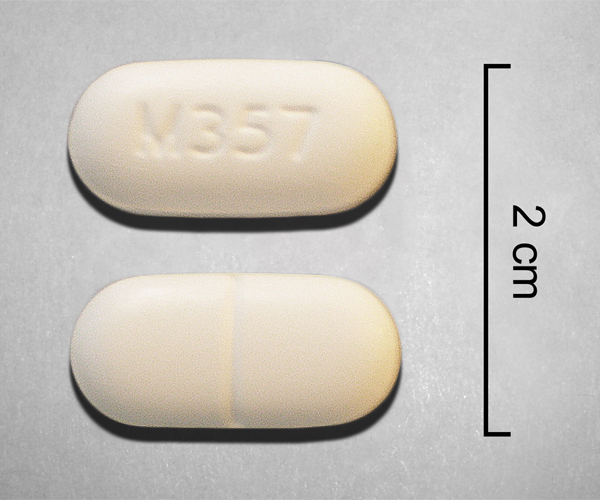
Hydrocodone/paracetamol is a fixed-dose oral combination pairing the opioid hydrocodone with the non-opioid analgesic paracetamol, indicated for the relief of moderate to severe pain whether acute, chronic, or postoperative. Available as tablets and oral solutions with varying component strengths, the product has been approved for medical use in the United States since 1982 and is marketed under brand names such as Vicodin and Norco. Its pharmacological action rests on two complementary pathways: hydrocodone primarily activates mu-opioid receptors while also showing weak agonism at delta and kappa opioid receptors, whereas paracetamol inhibits the COX enzyme responsible for prostaglandin synthesis, thereby dampening the body's pain perception. After oral ingestion, analgesic effects typically begin within twenty to thirty minutes, peak serum hydrocodone levels arrive at roughly 1.3 hours, and the therapeutic window lasts four to eight hours. By 2023, the combination had climbed to the twenty-fifth most commonly prescribed medication in the country, with over twenty-one million prescriptions dispensed annually.
Recreational Diversion & Regulatory Response
The opioid component of this combination has made it a frequent target of non-medical use, particularly in the United States where recreational consumption is described as common. During 2009 and 2010, hydrocodone ranked as the second most frequently encountered opioid in pharmaceutical industry data tracked by the Drug Enforcement Administration's National Forensic Laboratory Information System and the System to Retrieve Information from Drug Evidence. In response to escalating concerns about misuse, abuse, and diversion, the DEA moved hydrocodone combination products from schedule III to the more restrictive schedule II in October 2014. Earlier, in June 2009, an FDA advisory panel had voted by a narrow margin to recommend pulling Vicodin and the related product Percocet from the market, citing a high likelihood of overdose and liver damage attributable to the paracetamol component. Notably, the hydrocodone/paracetamol pairing is not available in the United Kingdom, where the analogous codeine/paracetamol combination known as co-codamol fills a similar therapeutic niche.
Safety Profile & Serious Adverse Effects
The most frequently reported side effects of hydrocodone/paracetamol include dizziness, lightheadedness, sedation, nausea, vomiting, and headaches, with constipation also common. More serious adverse events encompass respiratory depression, dangerously low blood pressure, severe allergic reactions, and the potential for addiction. The product carries a boxed warning specifically about paracetamol's association with acute liver failure that has, in some cases, necessitated liver transplantation or resulted in death; most documented liver injury cases involve daily paracetamol intake exceeding 4,000 milligrams, often from multiple paracetamol-containing products simultaneously. A separate boxed warning addresses addiction, abuse, and misuse. Overdose with the hydrocodone component can progress through extreme somnolence to coma, accompanied by muscle limpness, cold clammy skin, bradycardia, and cardiovascular collapse. Paracetamol overdose risks include hepatic and renal failure, hypoglycemia, and coma. The drug passes into breast milk and prolonged use during pregnancy can trigger neonatal opioid withdrawal syndrome, while concurrent alcohol consumption elevates the risk of acute liver damage.
Metabolism & Individual Pharmacokinetic Variation
Hydrocodone undergoes hepatic metabolism through two principal cytochrome P450 pathways: CYP3A4 converts it to norhydrocodone, while CYP2D6 produces hydromorphone, a biologically active metabolite whose binding affinity for the mu-opioid receptor is ten to thirty-three times greater than that of the parent compound, and in some patients may exceed a hundred-fold. Individuals carrying a genetic defect in the CYP2D6 gene exhibit reduced drug clearance and generate less hydromorphone, though the clinical impact on analgesia remains uncertain. The parent drug is twenty to fifty percent bound to plasma proteins, has a half-life of three to four hours, and reaches peak serum concentration at approximately 1.3 hours. Paracetamol, by contrast, peaks within ten to sixty minutes, carries a half-life of 1.25 to 3 hours, and is metabolized in the liver through glucuronidation and sulfation. Under normal conditions, glutathione neutralizes reactive intermediates, but at high doses glutathione stores become depleted, allowing toxic compounds to accumulate and inflict hepatic damage. Roughly 85 percent of an oral paracetamol dose is ultimately excreted through the kidneys, and both kidney and liver impairment elevate the risk of toxicity.
Gallery
More in Medications And Drugs 1-24
Spotted an error? Know more?
This is a living reference — every entry is fact-audited, and reader corrections feed straight into our audit queue. Suggest an edit · See this site's audit record