Family tree
Chart representing family relationships in a tree structure.

Artaxerxes · CC BY-SA 4.0
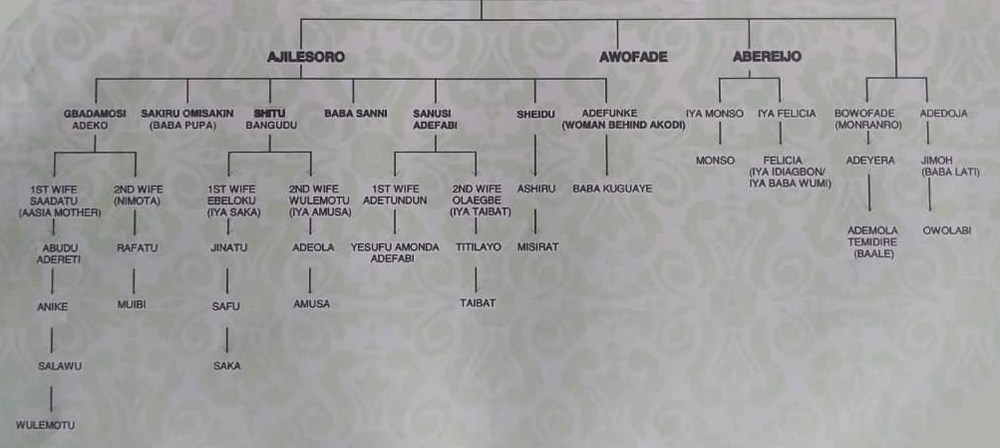
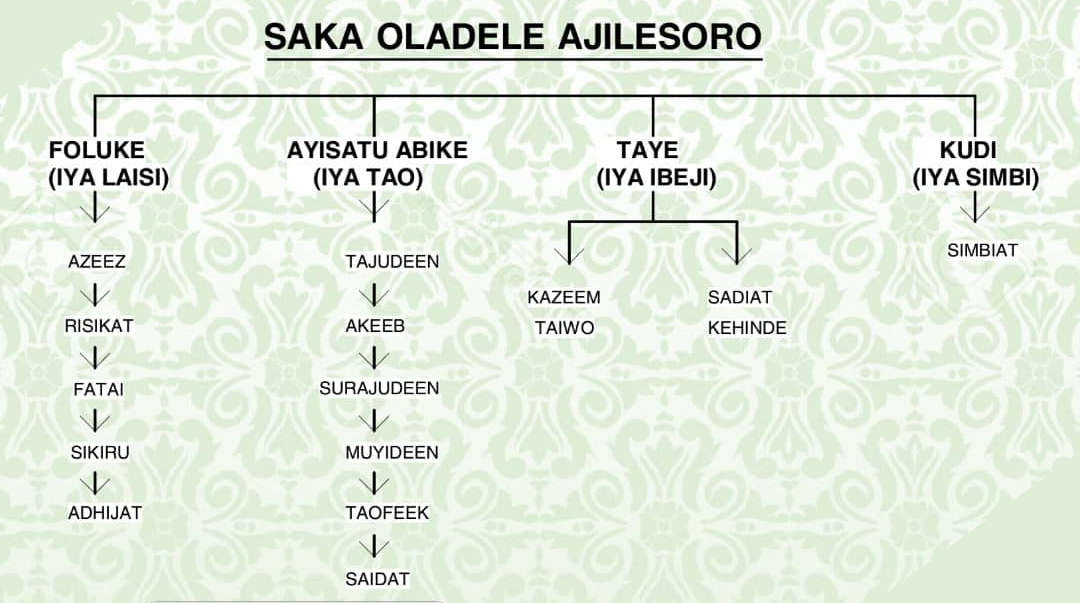
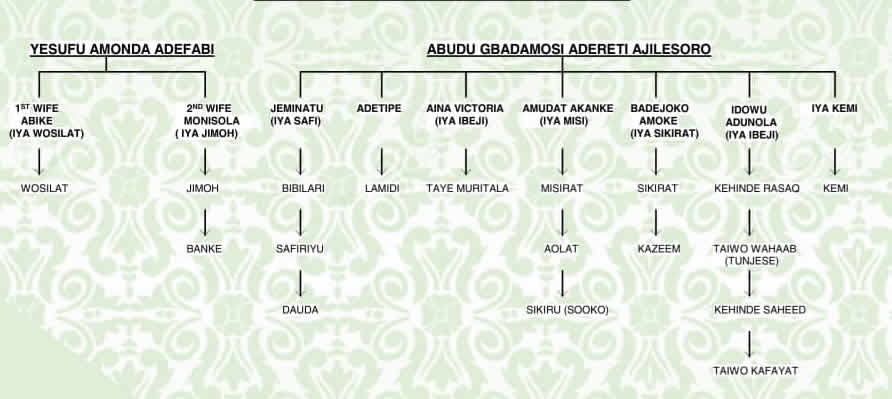
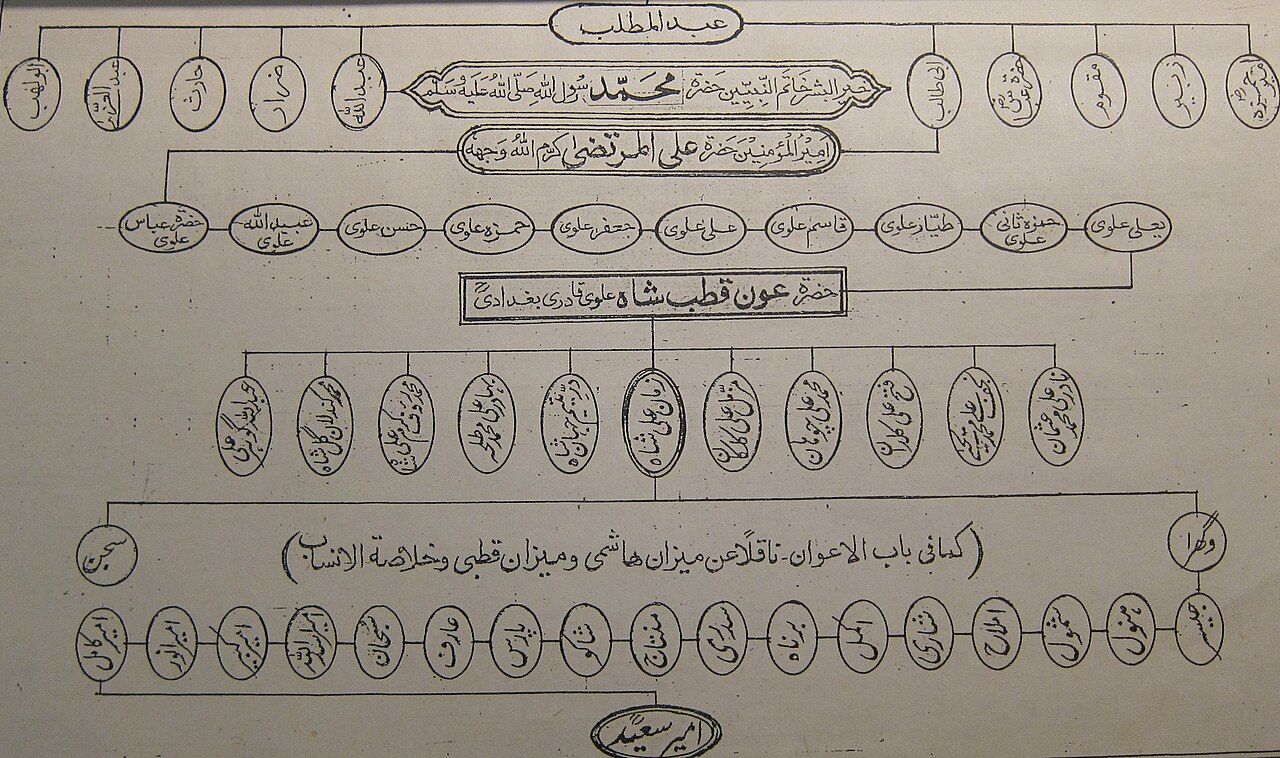
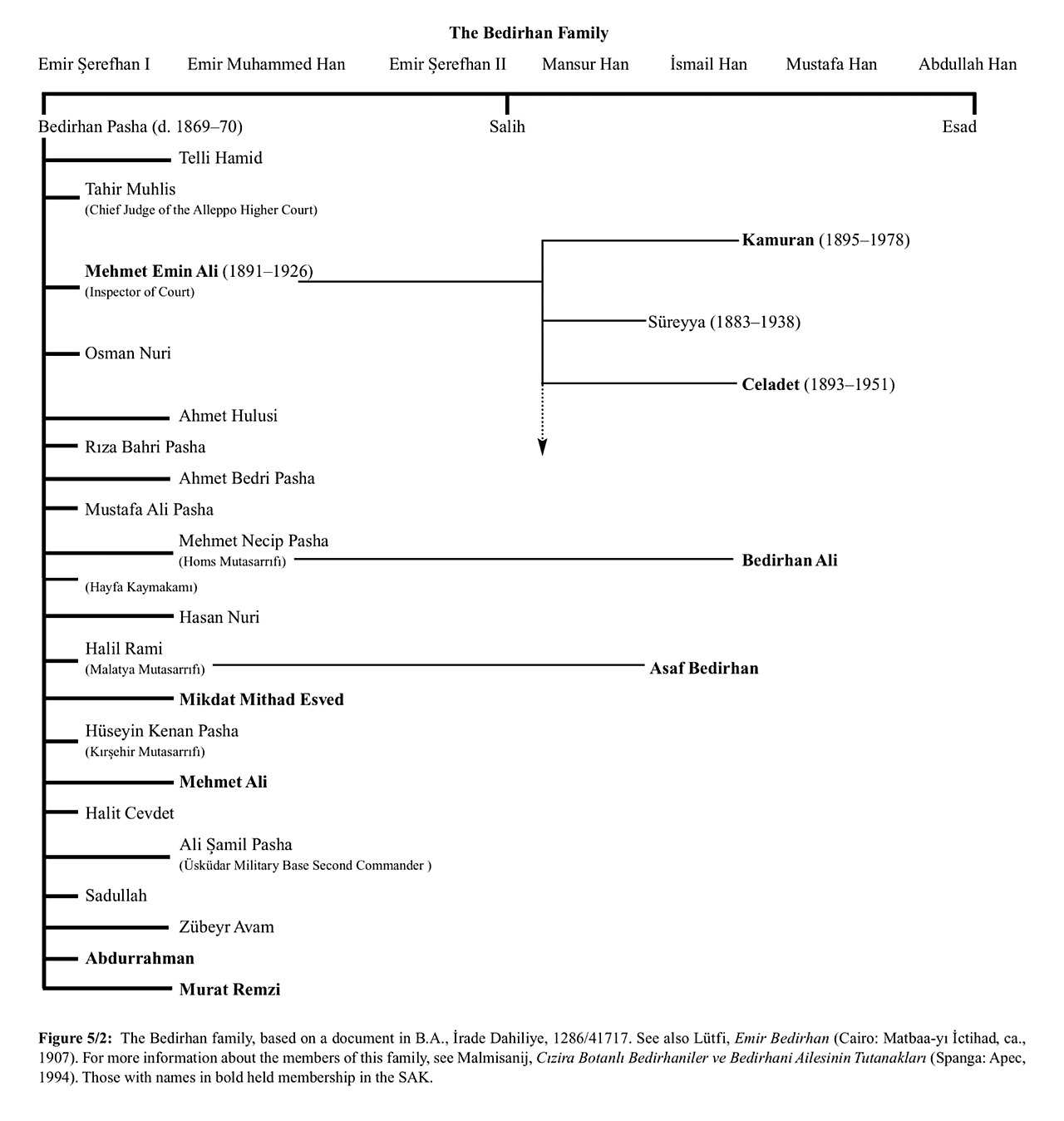
A family tree—also called a genealogical tree or pedigree chart—is a diagram that maps family relationships in a branching, tree-like format. When used in medicine or social work, more detailed versions are known as genograms.
Genealogical information can be arranged in various ways, such as an ancestral tree, stemma, pedigree, or ancestry chart. Typically, older generations appear at the top and younger ones at the bottom. An ancestry chart, which traces only a single person’s ancestors, looks more like a traditional tree—wider at the top than the bottom—and sometimes places the individual on the left with ancestors stretching to the right. A descendant chart, showing all descendants of one person, is narrowest at the top. Some trees focus on everyone sharing a surname (often male-line descendants), while others include all holders of a specific office, like the Kings of Germany, highlighting how marriages linked dynasties.
Time can be incorporated to show ancestry and descent. A common method uses a radial time scale divided into decades, with children branching from parents around the center. Their names are plotted at their birth years, spouses are joined to children’s names, and nuclear families branch further to grandchildren, and so on. Great-grandparents often sit at the center to display four or five generations, mimicking a tree’s natural growth from above—though great-great-grandparents or more may appear. In a descendant tree, living relatives usually occupy the outer branches, with contemporary cousins placed near each other. Privacy should be considered when creating a tree that includes living people.
The tree image likely originated from the Tree of Jesse in medieval art, which illustrated Christ’s genealogy based on Isaiah 11:1. Possibly the first non-biblical use—and the first to show full family relationships rather than just patrilineal lines—was in Boccaccio’s *Genealogia Deorum Gentilium* (first version from 1360), which depicted the family trees of classical gods.
Beyond tree structures, other systems exist for documenting ancestry and descent. The Ahnentafel (German for “ancestor table”) numbers a person’s direct ancestors in a fixed ascending sequence: the subject (or proband), father, mother, paternal grandfather, paternal grandmother, maternal grandfather, maternal grandmother, and so on. Except for the subject, all even-numbered persons are male, and all odd-numbered are female. A person’s father has double their number, and their mother has double plus one. This can also be shown as a tree.
A fan chart uses a half-circle with concentric rings: the subject in the inner circle, the second ring split in two (one parent each), the third in four, and so on, depicting both paternal and maternal ancestors.
Although family trees are drawn as trees, family relationships don’t form a true tree in graph theory, because distant relatives can marry. This means a person may have a common ancestor on both sides. However, a parent must be born before their child, so no one can be their own ancestor—no loops exist. Thus, ancestry forms a directed acyclic graph. Matrilineal (mother-daughter) and patrilineal (father-son) lines do form trees. Assuming no common ancestors, an ancestry chart is a perfect binary tree, since each person has exactly one mother and one father, giving it a regular structure. A descendant chart, by contrast, lacks a regular structure because a person can have any number of children or none.
Family trees have been used worldwide to document histories. In Africa, Ethiopia’s ruling dynasty claimed descent from King Solomon via the Queen of Sheba, tracing back to the House of David. Ancient Egyptian dynastic genealogies were recorded from around 3000 BC to the end of the Ptolemaic Kingdom, though they don’t form one continuous lineage and surviving records are incomplete. Elsewhere in Africa, oral genealogies dominate: members of Mali’s Keita dynasty have had their pedigrees sung by griots at annual ceremonies since the 14th century. In Nigeria, many ruling clans—especially those descended from Oduduwa—claim descent from the legendary King Kisra, with griots attached to royal courts reciting these pedigrees.
In the Americas, some pre-contact Native American civilizations kept genealogical records for ruling and priestly families, some spanning several centuries or more.
In East Asia, extensive genealogies exist for China’s ruling dynasties, but they don’t form a single unified family tree. It’s also unclear at which points the most ancient historical figures named in these records lived.
- field
- Genealogy
- known_for
- Charting family relationships in a tree structure
- formats
- Ancestral tree, pedigree, ancestry chart, Ahnentafel, fan chart
- related_concept
- Genogram
Lore & Background
The image of the tree likely originated with the Tree of Jesse in medieval art, used to illustrate the Genealogy of Christ from Isaiah 11:1. Family trees have been used to document family histories across time and cultures throughout the world, including in Africa, the Americas, East Asia, Europe, and West Asia.
Reader's Guide
Family trees serve as a fundamental tool for documenting lineage and kinship across cultures. They can be presented in various formats, including ancestry charts (wider at the top) and descendant charts (narrowest at the top). Some include all members of a particular surname or all holders of a certain office. The passage of time can be incorporated via a radial time scale. In graph theory, family relations do not form a strict tree because distant relatives can mate, creating a directed acyclic graph; however, matrilineal and patrilineal descent do form trees. Notable examples include the extensive genealogy of Confucius, spanning more than 80 generations and over 2 million members, and the Lurie lineage, recorded in the Guinness Book of Records as one of the oldest-known living families. The Ahnentafel system numbers ancestors in a fixed sequence, while fan charts depict ancestors in concentric rings. Privacy should be considered when preparing a living family tree.
Did You Know?
- The longest family tree in the world is that of Confucius, spanning more than 80 generations and including over 2 million members.
- In graph theory, family relations form a directed acyclic graph, not a strict tree, because distant relatives can mate.
- The Ahnentafel system numbers ancestors so that all even-numbered persons are male and all odd-numbered persons are female.
Origins in Art and Literature
The visual metaphor of a tree for mapping family connections traces back to medieval religious art. The Tree of Jesse, a prominent image in Christian iconography, depicted the genealogy of Christ as a fulfillment of a prophecy attributed to Isaiah. This sacred imagery is widely regarded as the probable origin of the tree structure we now use for secular genealogy. The earliest known non-biblical work to chart full family relationships—going beyond a purely male-line succession—was Boccaccio's Genealogia Deorum Gentilium, whose first version dates to 1360. In it, the classical gods were arranged in a familial web rather than a simple patrilineal list. Over centuries, this artistic and literary tradition matured into the conventional chart format familiar today, and the concept even spawned specialized variants like the genogram, a more detailed family tree employed in medical and social-work contexts.
Diverse Formats and Numbering Systems
Genealogical data can be rendered in a variety of visual and numerical formats. The most familiar is the ancestral tree, sometimes called a stemma (a Greek word meaning "wreath"), which typically places the oldest generations at the top and younger ones below, creating a shape wider at the top. A descendant chart works in reverse, narrowest at the top and branching outward. Some charts focus on a single surname's male-line descendants, while others track all holders of a particular office, such as the Kings of Germany, revealing how marriage linked dynasties. Beyond these, the Ahnentafel system—German for "ancestor table"—assigns fixed numbers to direct ancestors in a strict sequence: the subject is number one, the father is two, the mother is three, and so on, with the rule that a father's number is always double the child's and a mother's is double plus one. A fan chart offers yet another approach, using concentric half-circle rings that double in divisions with each generation outward, separating paternal and maternal lines.
The Mathematics Behind the Metaphor
Although we call them "trees," family relationships do not always satisfy the strict definition of a tree in graph theory. Because distant relatives can marry, a person may share a common ancestor on both the maternal and paternal sides, creating cross-connections that a true tree would not allow. However, a critical constraint prevents any cycle: a parent must always be born before a child, so no individual can be their own ancestor. This means ancestry, as a whole, forms what mathematicians call a directed acyclic graph. When we restrict our view to a single line—either mother-to-daughter (matrilineal) or father-to-son (patrilineal)—the structure does become a genuine tree. Assuming no shared ancestors, an ancestry chart takes the shape of a perfect binary tree, since every person has exactly one mother and one father, giving it a highly regular structure. A descendant chart, by contrast, lacks this regularity because a person may have any number of children, or none at all.
Family Trees Across Cultures and Centuries
The impulse to record family lineage spans every inhabited continent and stretches back millennia. In Ethiopia, the ruling dynasty claimed descent from King Solomon through the Queen of Sheba, linking their line to the House of David. Ancient Egyptian pharaonic dynasties were documented from roughly 3000 BC through the Ptolemaic period, though surviving records are fragmentary and do not represent one unbroken lineage. In West Africa, oral tradition carries the genealogical record: griots have sung the pedigrees of Mali's Keita dynasty during annual ceremonies since the fourteenth century, and in Nigeria, royal courts attached griots who recited the lineage of clans descended from the legendary King Kisra via Oduduwa. Pre-contact Native American civilizations maintained genealogical records for ruling and priestly families, some spanning centuries. In East Asia, China's imperial dynasties left extensive but non-unified genealogies, while Japan's Imperial Family traces its ancestry to the mythological founding of the nation, with verifiable historical figures appearing only from the mid-first millennium AD. The longest surviving family tree in the world belongs to Confucius, spanning more than eighty generations from his descent from King Tang.
Gallery
Frequently Asked Questions
What is Family tree in the context of Marriage and Kinship 1-18?
A Family tree is a visual chart that maps out family relationships using a conventional tree-like structure. It is also commonly called a genealogical tree or a pedigree chart.
What formats can a Family tree take?
Genealogical data can be displayed as an ancestral tree, pedigree, ancestry chart, Ahnentafel, or fan chart. Each format arranges the same kinship information in a slightly different visual layout.
How does a Family tree differ from a genogram?
A basic Family tree simply charts who is related to whom in a tree structure, whereas a genogram is a more detailed variant used in medicine and social work. Genograms layer additional information on top of the basic kinship links.
How is a Family tree typically laid out?
In most conventional arrangements, the oldest generations sit at the top of the chart. Descendants then branch downward from those ancestors in a tree-like pattern.
Why is Family tree important in the field of genealogy?
It offers a clear, visual method for tracing and documenting family relationships across multiple generations. This makes it a foundational tool for anyone studying ancestry or kinship patterns.
More in Marriage And Kinship 1-18
Spotted an error? Know more?
This is a living reference — every entry is fact-audited, and reader corrections feed straight into our audit queue. Suggest an edit · See this site's audit record