Cephaleuros virescens
A tropical algal pathogen causing leaf spot on many hosts.

Internet Archive Book Images · No restrictions
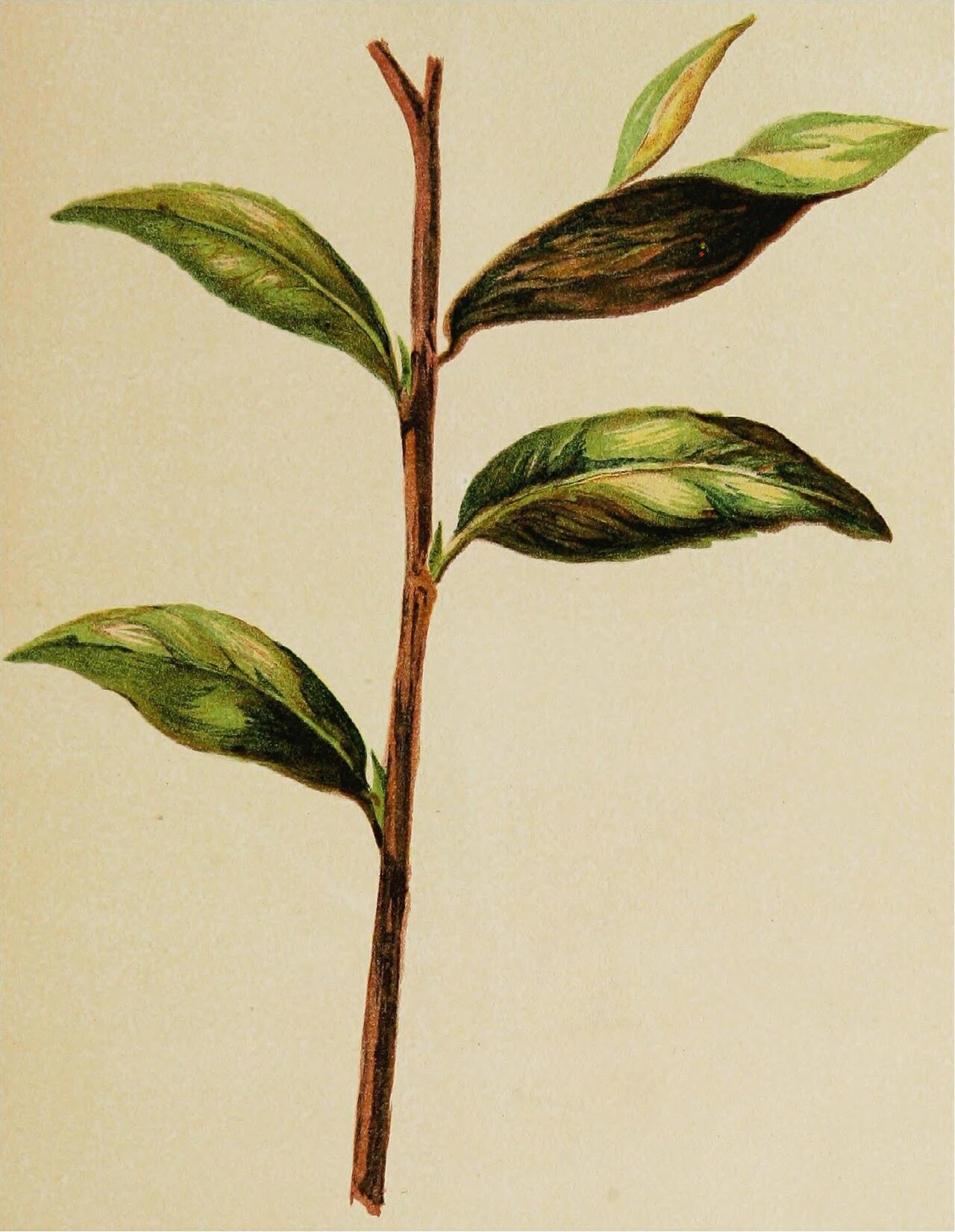
Cephaleuros virescens is an algal plant pathogen that infects tea, coffee and coconut plants, causing algal leaf spot or algal rust. It is notable for having the widest host range of its genus, recorded on 287 plant species and cultivars on the U.S. Gulf coast alone, and is widely distributed in the tropics and subtropics.
Quick Facts
- Genus
- Cephaleuros
- Species
- virescens
Facts from the source article.
Lore & Background
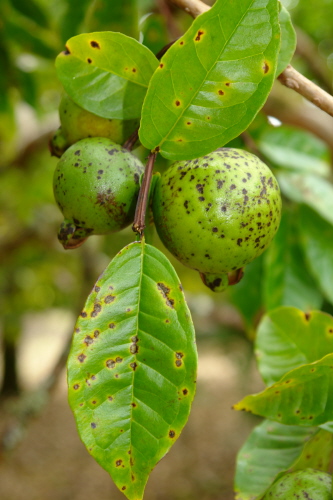
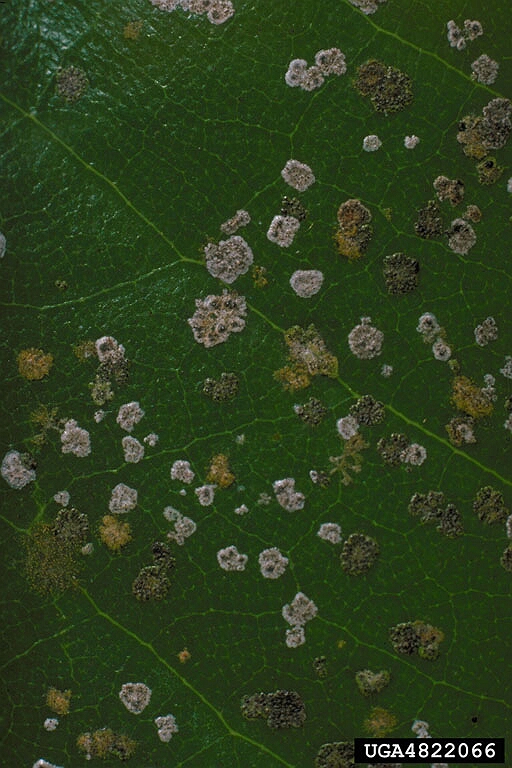
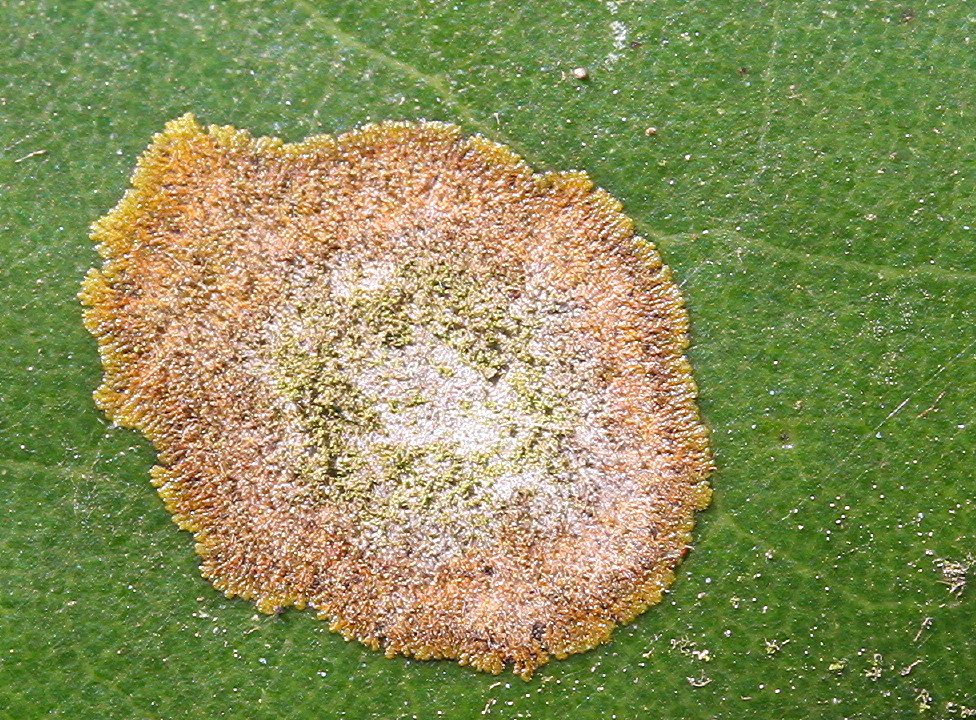
Cephaleuros virescens consists of circular thalli with a crenate margin, composed of two main dichotomously branching filaments. Sporangiophores emerge laterally from the thallus branches, either solitary or in tufts of 3–5. Gametangia are produced above the thallus, and the gametangial cell wall divides to form a group of 2–6 or more gametangia. The pathogen is most commonly identified by the orange-brown rust-colored leaf spots it causes, which are fuzzy in texture and about 2 cm in diameter, usually on the upper leaf surface, though spots on the underside have been reported. In susceptible hosts, stem and fruit spots can also occur. The asexual stage is considered important as the more common mode of inoculum in the disease cycle. Infection occurs when sporangia or thallus filaments are deposited on susceptible plant tissues, dispersed by water or wind. Zoospores released from sporangia penetrate the host cuticle in a haustorial manner, and a flat, circular thallus develops subcuticularly. The pathogen survives on existing leaves and stems as spores and in fallen plant debris, and because it lives in tropical climates it can survive year-round without relying on survival structures.
Reader's Guide
Cephaleuros virescens is generally not damaging enough to host plant vigor or crop yield to warrant management, but in susceptible crops, especially guava, it can cause significant economic damage. Guava is considered a susceptible host, and leaf spot symptoms can become severe enough to reduce plant vigor and cause defoliation, as well as fruit spots that lead to reduced crop yield. Management, when needed, involves integrated pest management including sanitation, pruning of infected lower branches, removal of ground debris, reducing humidity, increasing air flow, and selecting tolerant plant varieties or intercropping. Copper fungicides may assist but require application every two weeks if the environment remains wet. The pathogen thrives in moist, humid weather with frequent rain and warm to high temperatures, and has been recorded in all continents with tropical and subtropical environments, commonly in Hawaii and Florida, as well as in India and Thailand.
Did You Know?
- The leaf spots it causes are orange-brown, fuzzy, and about 2 cm in diameter, usually on the upper leaf surface.
- The pathogen can survive year-round in tropical climates without relying on survival structures.
- Economically detrimental infections most commonly occur in guava, causing fruit spots and reduced yield.
Gallery
Frequently Asked Questions
Who is Cephaleuros virescens?
Cephaleuros virescens is a green macroalgal species that functions as a foliar pathogen, commonly responsible for algal leaf spot (also called algal rust) on tropical and subtropical plants. It stands out within its genus for possessing the broadest recorded host range.
What are Cephaleuros virescens's powers/role?
Its main ecological role is producing roughly 2 cm circular lesions on the leaves of infected hosts. Structurally, it builds sporangiophores either as single stalks or in small tufts of three to five, while its gametangia cluster in groups ranging from two up to six or more.
Why is Cephaleuros virescens important?
It ranks among the most economically consequential algal pathogens because it has been documented on 287 distinct plant species and cultivars along the U.S. Gulf coast alone. Its host roster spans major commercial crops including cacao, citrus, oil palm, mango, vanilla, and coconut, making it a persistent headache for tropical agriculture.
Where does Cephaleuros virescens live?
This species is widely distributed across tropical and subtropical zones worldwide, thriving in warm, humid conditions. It is especially well-studied along the U.S. Gulf coast, where its exceptionally broad host range has been catalogued in detail.
More in Marine Green Macroalgae, Part 2 1-24
Spotted an error? Know more?
Reader corrections go straight into our review queue. Suggest an edit · How this site is sourced