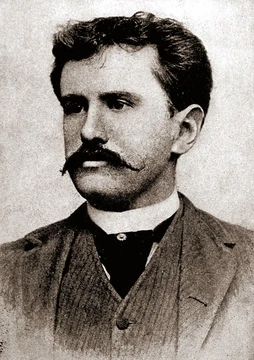
Zamenga Batukezanga
Congolese writer and philanthropist who explored African culture.

Zamenga Batukezanga (1933–2000) was a Congolese writer and philanthropist, often described as the most popular writer in the Democratic Republic of Congo. His work focused on exploring African culture. Born in Nkobo-Luozi, in the Bas-Congo region, he completed graduate studies at Mangembo in the 1950s. In 1960, a scholarship enabled him to study at the Université libre de Bruxelles in Belgium. After returning to Congo in 1965, he was appointed Director of Student Social Work. In 1977, he founded the Kikesa center, a facility dedicated to rehabilitating young people with physical disabilities, which he led until 1981. In 1984, he became director general of the National Society of Congolese publishers, composers and authors.
Toward the end of the 1980s, Zamenga chose to leave his professional positions. He declined a post at UNESCO in 1986 to dedicate himself fully to writing and philanthropic work. He spent his final years in his home region, serving the poor. He died at age 67 in Kinshasa. His legacy includes the annual Zamenga Batukezanga Literary Prize, awarded to a Congolese writer under 40.
His selected works span several decades and include *Souvenir du village* (1971), *Bandoki* (1973), *Carte postale* (1974), *Village qui disparaît dans les promesses* (1975), *Les îles Soyo* (1979), *Lettre d’Amérique* (1980), *Un Croco à Luozi* (1980), *Psaumes sur le fleuve Zaïre* (1985), *Un Blanc en Afrique* (1988), *Pour une démystification: la littérature en Afrique* (1989), *Un boy à Pretoria* (1990), and *Laveur des Cadavres* (1992). Two works, *Pour un cheveu blanc* and *La Mercèdes qui saute le trou*, were published posthumously in 2005. In 1985, he received the Grand Prize of the 20th anniversary of the 2nd Republic of Zaire for his entire literary output. Scholarly works about him include a biography by Phambu Ngoma-Binda and an article by Wyatt Mc Gaffey, who characterized him as a novelist, historian, sociologist, philosopher, and moralist.
- field
- Literature, philanthropy
- nationality
- Congolese (Democratic Republic of Congo)
- known_for
- Exploring African culture in his writing; founding the Kikesa rehabilitation center for young people with physical disabilities
Verified Timeline
Lore & Background
In the 1950s, he completed his graduate studies at Mangembo, and in 1960 a scholarship allowed him to study at l'Université libre de Bruxelles in Belgium. After returning to Congo in 1965, he was appointed Director of Student Social Work. In 1977, he established a rehabilitation center for physically disabled youth called Kikesa, which he led until 1981. He later served as director general of the National Society of Congolese publishers, composers and authors starting in 1984. Towards the end of the 1980s, Zamenga decided to leave everything, refusing a post at Unesco in 1986 to focus entirely on writing and philanthropy. He spent the last years of his life in his native region, serving the poor. Born in Nkobo-Luozi, Bas-Congo, his works explore African culture, earning him the title of the "most popular Congolese writer." His literary output includes titles such as *Souvenir du village* (1971), *Bandoki* (1973), *Carte postale* (1974), *Village qui disparaît dans les promesses* (1975), *Les îles Soyo* (1979), *Lettre d’Amérique* (1980), *Un Croco à Luozi* (1980), *Psaumes sur le fleuve Zaïre* (1985), *Un Blanc en Afrique* (1988), *Pour une démystification: la littérature en Afrique* (1989), *Un boy à Pretoria* (1990), *Laveur des Cadavres* (1992), and the posthumous works *Pour un cheveu blanc* and *La Mercèdes qui saute le trou* (both 2005). He received the Grand Prize of the 20th anniversary of the 2nd Republic of Zaire in 1985 for his complete literary work. He died at age 67 in Kinshasa. The annual Zamenga Batukezanga Literary Prize is awarded to a Congolese writer under 40.
Reader's Guide
Zamenga Batukezanga’s significance stems from his dual role as a writer devoted to African culture and as a philanthropist serving the poor. His literary work, which includes titles such as *Souvenir du village* and *Bandoki*, earned him the Grand Prize of the 20th anniversary of the 2nd Republic of Zaire in 1985 for his entire body of work. He has been called the “most popular Congolese writer” of the Democratic Republic of Congo. Beyond writing, he founded a rehabilitation center for young people with physical disabilities in 1977, which he led until 1981, and later served as director general of the National Society of Congolese publishers, composers and authors. In the late 1980s, he declined a post at UNESCO to focus entirely on writing and charitable work, spending his final years in his native region aiding the impoverished. His legacy continues through the annual Zamenga Batukezanga Literary Prize, awarded to Congolese writers under 40. Scholarly assessments, such as Wyatt MacGaffey’s article, describe him as a novelist, historian, sociologist, philosopher, and moralist, while Phambu Ngoma-Binda’s book examines his life and work, highlighting his broad impact on Congolese literature and society.
Did You Know?
- The Zamenga Batukezanga Literary Prize is awarded annually to a Congolese writer under the age of 40.
- He was named the 'most popular Congolese writer' of the Democratic Republic of Congo.
More in Literature And Writers 1-24
Spotted an error? Know more?
This is a living reference — every entry is fact-audited, and reader corrections feed straight into our audit queue. Suggest an edit · See this site's audit record