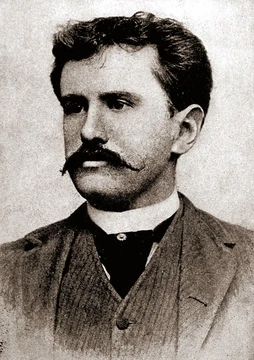
Takeshi Hirayama
Japanese epidemiologist who linked secondhand smoke to lung cancer.

Takeshi Hirayama (January 1, 1923 – October 26, 1995) was a Japanese cancer epidemiologist and anti-tobacco activist. He is credited with publishing the first study linking passive smoking to lung cancer. Born in Kyoto, Japan, he moved to Harbin, China, at age three when his father became a surgery professor at Manchuria Medical College. Hirayama graduated from that college in 1945, earned a medical science degree from Kyoto University in 1951, and a Master of Public Health from Johns Hopkins University in 1952. After moving to Tokyo in 1946, he worked at the Japanese National Institute of Hygiene. In 1959, he studied the link between smoking and lung cancer at Memorial Sloan Kettering Cancer Center in New York City. From 1965 to 1985, he served as chief of the epidemiology division at the National Cancer Institute (National Cancer Centre) in Tokyo. He designed a large cohort study of over 260,000 subjects, known as the "six prefecture" study, which he followed until retirement. In 1981, he published a study of 265,000 people finding an association between secondhand smoke and increased lung cancer risk. This work is among the most cited in regulatory and media contexts regarding secondhand smoke. The tobacco industry attempted to discredit his findings by producing a fraudulent study and by writing a letter criticizing his work to his superior, despite knowing his results were correct. In 1984, he published a cohort study of 265,118 adults confirming that non-smoking wives of smoking husbands faced increased risks of lung cancer and ischemic heart disease. He also researched dietary factors, finding that green and yellow vegetable consumption was linked to decreased cancer risk, while higher intake of meat, eggs, butter, and cheese was associated with increased breast cancer risk. He received the WHO commemorative medal on tobacco or health in 1988 and 1993, and the Ramazzini Award in 1989 for his contributions to understanding lifestyle’s role in cancer. His hobbies included painting and sketching. He died on October 26, 1995, survived by his wife, Yukiko, and two sons.
- field
- Cancer epidemiology
- nationality
- Japanese
Verified Timeline
Lore & Background
Takeshi Hirayama was a Japanese cancer epidemiologist and anti-tobacco activist. He served as chief of the epidemiology division at the National Cancer Institute in Tokyo from 1965 until 1985. He is credited with publishing the first study linking passive smoking to lung cancer, and also conducted research on the relationship between certain dietary factors and cancer. Hirayama was born in Kyoto, Japan. When he was three, his father became professor of surgery at Manchuria Medical College, and the family moved to Harbin, China. He graduated from Manchuria Medical College in 1945, received a medical science degree from Kyoto University in 1951, and a Master of Public Health from Johns Hopkins University in 1952. In 1946, he moved to Tokyo to work at the Japanese National Institute of Hygiene. In 1959, he studied the association between tobacco smoking and lung cancer at Memorial Sloan Kettering Cancer Center in New York City. In 1965, he was appointed chief of epidemiology at the National Cancer Institute in Tokyo, a position he held until 1985. He designed a large cohort study of over 260,000 subjects, known as the "six prefecture" study, which he followed until retirement. In 1981, he published a study of 265,000 people finding an association between secondhand smoke exposure and increased lung cancer risk. This study became one of the most frequently cited in regulatory proceedings and media. The tobacco industry attempted to discredit his findings by producing a fraudulent study and by writing a critical letter to his superior. In 1984, he published a cohort study of 265,118 adults reaching similar conclusions about lung cancer and ischemic heart disease risk in non-smoking wives of smoking husbands. He also studied the relationship between green and yellow vegetable consumption and decreased cancer risk, and linked increased consumption of meat, eggs, butter, and cheese to increased breast cancer risk. He received the WHO commemorative medal on tobacco or health in 1988 and 1993, and the Ramazzini Award in 1989. His hobbies included painting and sketching. He died on October 26, 1995, survived by his wife and two sons.
Reader's Guide
It has been described as one of the most frequently cited studies in regulatory proceedings and media regarding secondhand smoke, and as the first such study linking passive smoking to lung cancer in nonsmokers, though two other studies with similar findings appeared around the same time. The tobacco industry attempted to discredit his work by producing a fraudulent 'Japanese spousal study' and by having the Tobacco Institute write a letter criticizing the study to his superior, despite knowing Hirayama's work was correct. He also studied green and yellow vegetable consumption linked to decreased cancer risk, and published studies linking meat, eggs, butter, and cheese to increased breast cancer risk.
Did You Know?
- The tobacco industry produced a fraudulent 'Japanese spousal study' to try to refute Hirayama's findings.
Frequently Asked Questions
What is Takeshi Hirayama most famous for?
He is credited with publishing the first research study that established a link between passive (secondhand) smoking and lung cancer. This finding became a cornerstone of global anti-tobacco advocacy.
Did Takeshi Hirayama research anything beyond smoking?
Yes, his work also investigated how dietary habits influence cancer risk. His anti-tobacco activism further extended his scientific findings into public-health advocacy.
More in Literature And Writers 1-24
Spotted an error? Know more?
This is a living reference — every entry is fact-audited, and reader corrections feed straight into our audit queue. Suggest an edit · See this site's audit record