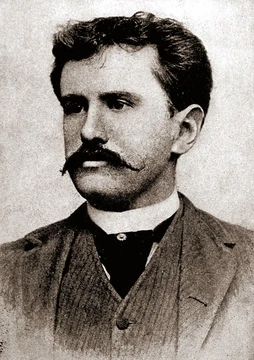
Yu Wuling
Late Tang poet known for 'Offering Wine' and a wandering life.

Yu Wuling (810–?) was a Chinese poet active during the late Tang dynasty. He was born in Duqu, an area that corresponds to modern-day Xi’an in Shaanxi Province. His birth name was Yu Ye, but he is commonly known by his courtesy name, Wuling. The primary source of biographical information about him is the *Tang Cai Zi Zhuan*. During the Dachong era, which lasted from 847 to 859, he successfully earned a *jinshi* degree through the imperial examination. However, he was dissatisfied with the official position he obtained and chose to abandon it, instead embarking on a life of wandering across various regions of the country. His travels brought him to places he particularly admired, notably Dongting Lake and the Xiang River. In his later years, he lived in seclusion south of Mount Song. The exact date of his death is unknown.
Yu Wuling’s poetry is collected in an anthology titled the *Yu Wuling Ji*. The two principal textual sources for his poems are Book 595 of the eighteenth-century *Quan Tangshi* and the *Tangren Wushi Jia Xiaoji*; these two collections arrange his poems in different orders. His most celebrated work is a *jueju* (a four-line regulated verse) called “Offering Wine.” Scholars Ueki et al. have suggested, based on a record in the *Song Huiyao* noting that *qū zhī* were presented as tribute from Srivijaya, that the “golden flagon” mentioned in this poem may have been a valuable imported object. This detail, combined with the phrase *mǎn zhuó* (“brimming”), creates an atmosphere of lavish feasting in the first half of the quatrain. This opulent imagery contrasts sharply with the final two lines, which imply that one should drink deeply before the blossoms fall and the time of parting arrives. The last line of “Offering Wine” has become especially famous and is often interpreted as encapsulating Yu Wuling’s personal philosophy. A Japanese translation of this poem by Masuji Ibuse is also well known.
- died
- unknown
- field
- Poetry
- nationality
- Chinese
- known_for
- Jueju poem 'Offering Wine'
Quick Facts
- L
- (courtesy name)
- P
- Yú Wūlíng
- W
- Yu / 1 / Wu / 2 / ling / 1
- L2
- (given name)
- P2
- Yú Yè
- W2
- Yu / 1 / Yeh / 4
Facts from the source article.
Lore & Background
What little is known of his life comes from the *Tang Cai Zi Zhuan*. Born in 810 in Duqu, in what is now Xi'an, Shaanxi Province, his birth name was Yu Ye, though he is universally known by his courtesy name, Wuling. During the Dachong era (847–859), he successfully passed the imperial examinations and earned the *jinshi* degree. However, he grew dissatisfied with the official post he received and abandoned it to travel extensively across the country. He is said to have developed a particular attachment to Dongting Lake and the Xiang River. In his later years, he withdrew from society entirely, living in seclusion south of Mount Song. The exact date of his death is unknown.
His poetry is collected in an anthology titled the *Yu Wuling Ji*. The two primary sources for his surviving poems are Book 595 of the eighteenth-century *Quan Tangshi* and the *Tangren Wushi Jia Xiaoji*, though these two collections order his poems differently. His most celebrated work is the *jueju* (a four-line poem) titled "Offering Wine." The poem’s first two lines evoke an extravagant banquet, featuring a "golden flagon"—which scholars Ueki et al. suggest may have been a valuable imported item, based on a record in the *Song Huiyao* noting that *qū zhī* were offered as tribute from Srivijaya—and the word *mǎn zhuó* ("brimming"). This opulent atmosphere contrasts sharply with the final two lines, which carry a poignant implication that one should drink deeply before the blossoms fall and the time of parting arrives. The final line of this poem has become especially famous, often taken as a summation of Yu Wuling’s personal philosophy, and a Japanese translation by Masuji Ibuse is also well known.
Reader's Guide
Yu Wuling’s significance in Chinese literary history rests on his poetry, especially his celebrated jueju “Offering Wine.” The poem, preserved in Book 595 of the Quan Tangshi, is structured as a quatrain that opens with the image of a lavish banquet, where a “golden flagon” is described as “brimming.” Scholars Ueki et al. have suggested, based on a record in the Song Huiyao noting that qū zhī vessels were offered as tribute from Srivijaya, that this flagon may represent a valuable imported object, heightening the sense of opulence. This extravagant first half then contrasts sharply with the final two lines, which carry a somber implication: one should drink deeply before the blossoms fall and the moment of parting arrives. The last line has become especially famous and is often interpreted as encapsulating Yu Wuling’s personal outlook on life. The poem’s resonance extends beyond China; a Japanese translation by novelist Masuji Ibuse is also well known. Yu Wuling’s biography, drawn from the Tang Cai Zi Zhuan, notes that he was born in 810 in Duqu (modern Xi’an, Shaanxi). He earned a jinshi degree during the Dachong era (847–859) but abandoned his official post to wander the country, developing a particular attachment to Dongting Lake and the Xiang River. He later lived in seclusion south of Mount Song, and the date of his death is unknown. His collected works, the Yu Wuling Ji, survive primarily through Book 595 of the Quan Tangshi and the Tangren Wushi Jia Xiaoji, which arrange his poems in different orders.
Did You Know?
- Yu Wuling's birth name was Yu Ye; Wuling was his courtesy name.
- His best-known poem is the jueju 'Offering Wine'.
- The date of his death is unknown.
More in Literature And Writers 1-24
Spotted an error? Know more?
This is a living reference — every entry is fact-audited, and reader corrections feed straight into our audit queue. Suggest an edit · See this site's audit record