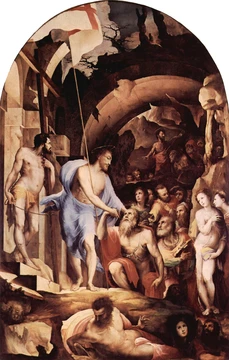
Fly
A buzzing menace in the shadows of Limbo.

via Wikipedia: Chubby Checker · see source
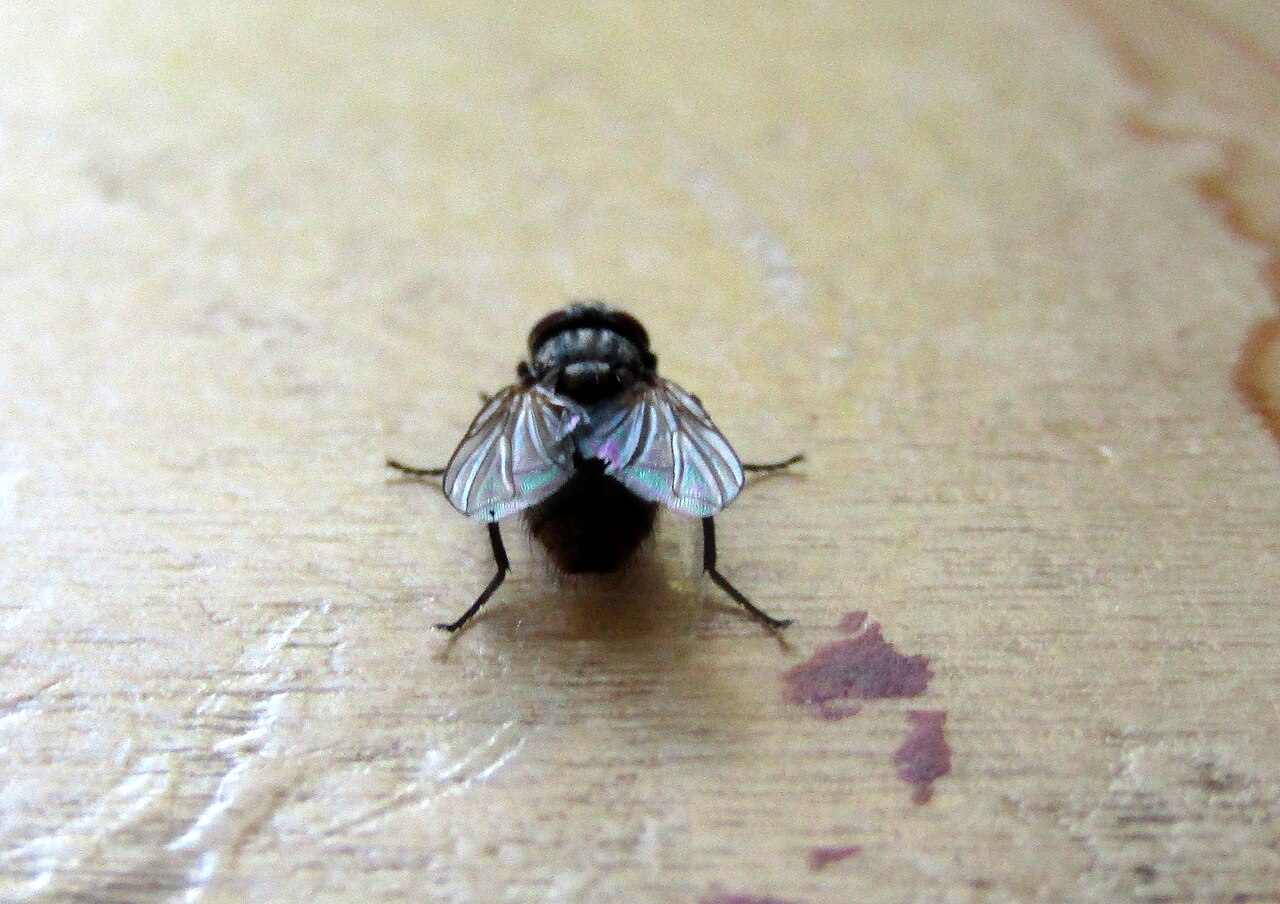
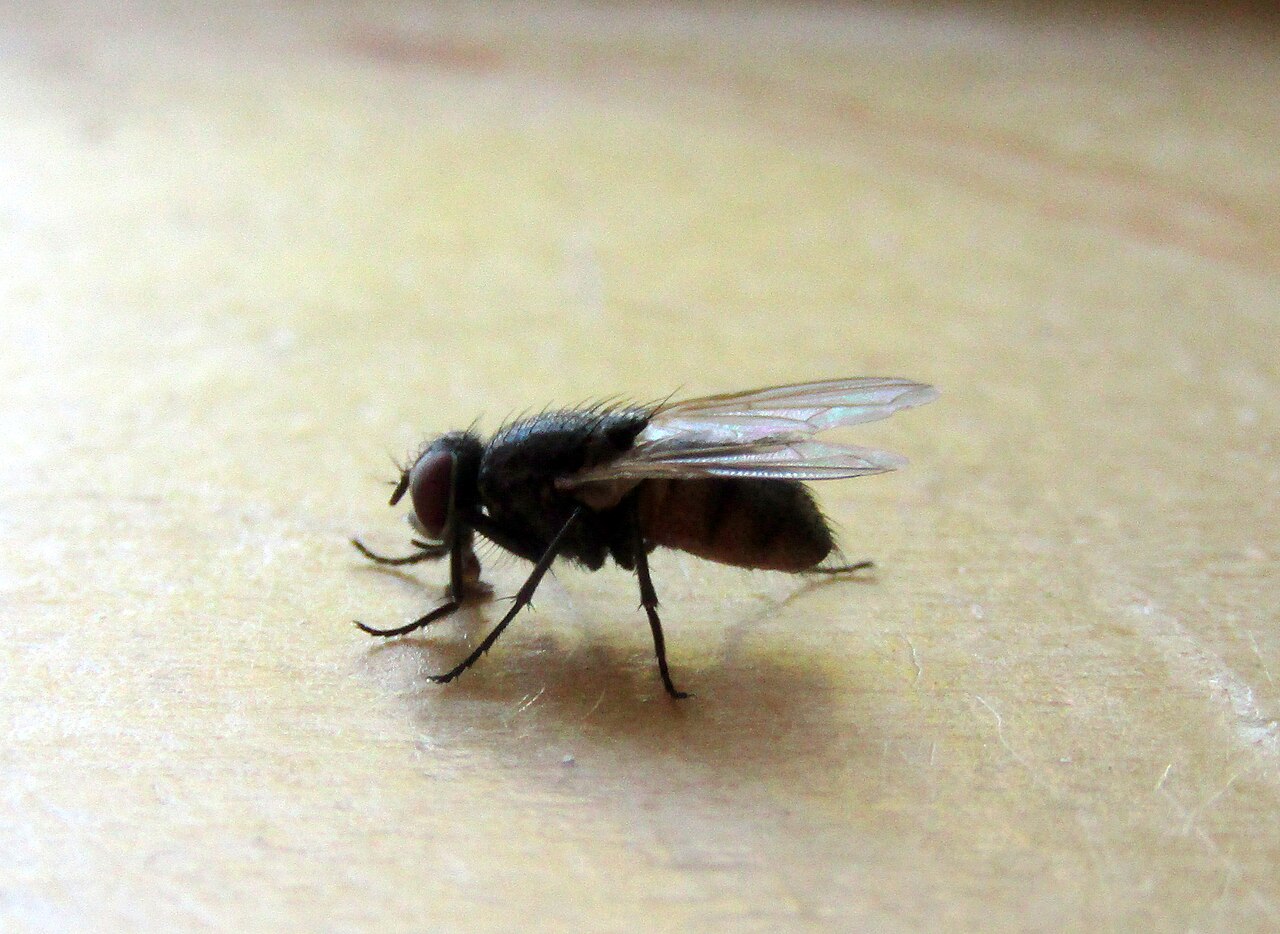
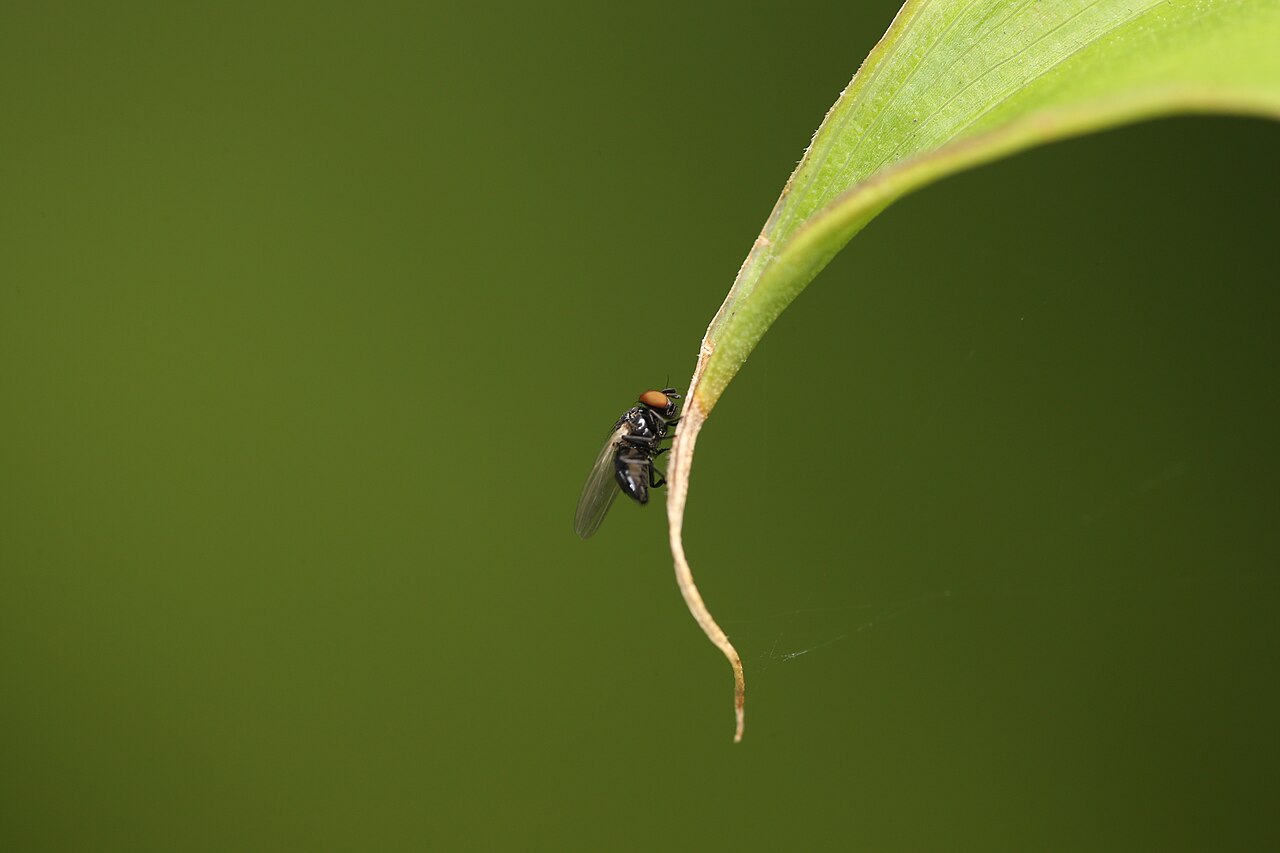
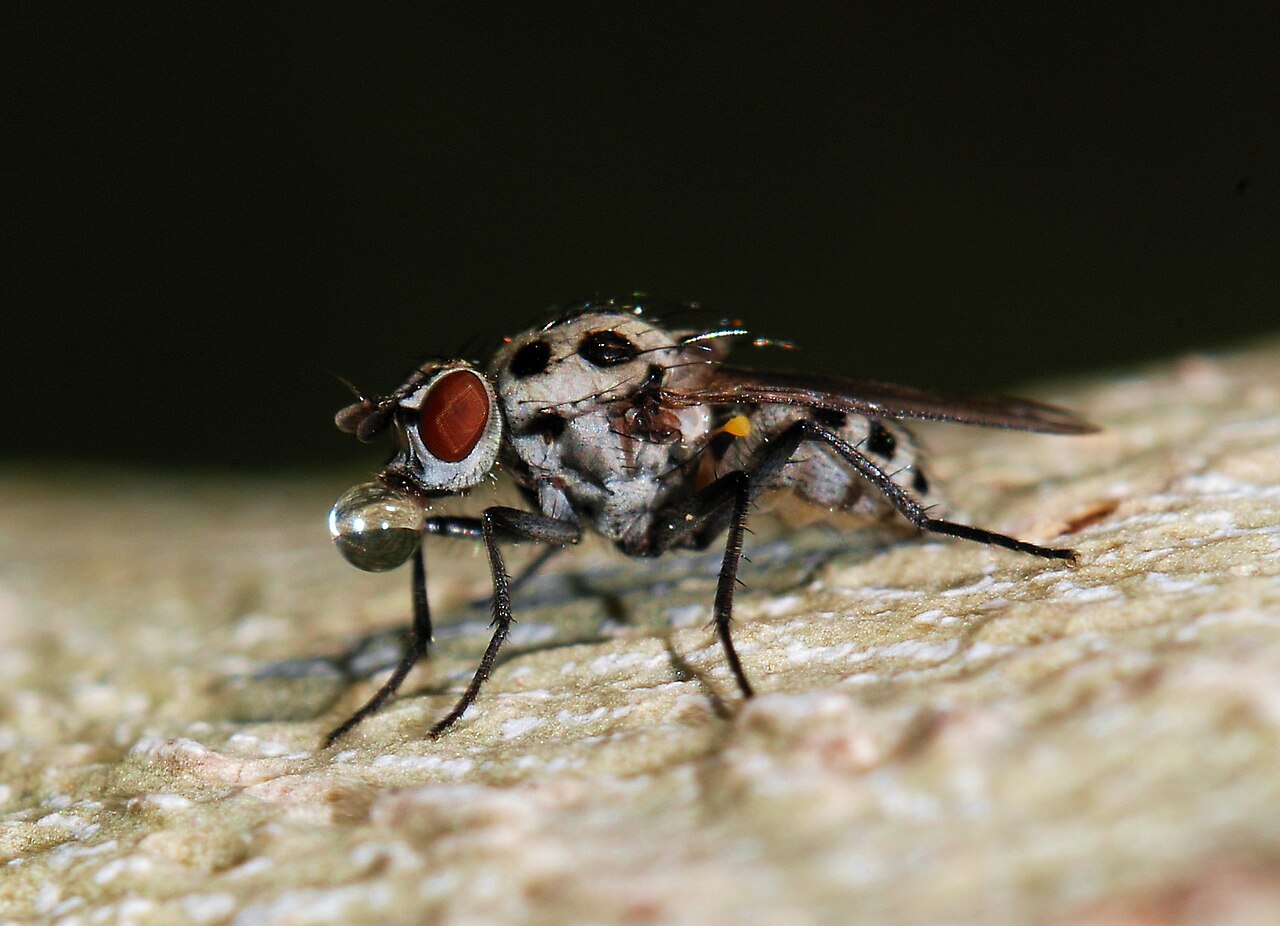
The Fly is a hostile insect-like enemy encountered in the dark, monochrome world of Limbo. These small, buzzing creatures patrol specific areas and can be lethal to the player character on contact.
Quick Facts
- First appears
- Limbo (2010)
- Status
- Active
Lore & Background
The Fly is one of the many environmental hazards that populate the treacherous forests and industrial ruins of Limbo. Unlike larger predators, the Fly relies on its erratic flight patterns and small size to ambush unsuspecting travelers. It often appears near traps or chasms, adding an extra layer of danger to already perilous platforming sections. The player must time their movements carefully to avoid these persistent pests, as even a single touch can result in death.
Reader's Guide
The Fly is one of the dance styles introduced by Chubby Checker during his peak hit-making period in the early 1960s. Like his other dance songs, "The Fly" was an up-tempo track designed to get people moving. Checker's approach to these dances was to create simple, repeatable steps that could be easily learned and performed socially. The Fly followed the success of "The Twist" and "Pony Time," and preceded other Checker dance hits like "Limbo Rock." While specific steps for the Fly are not documented in the source, it was part of Checker's series of dance-craze songs that dominated the charts between 1960 and 1962.
Did You Know?
- The Fly is one of the smallest enemies in Limbo, but its unpredictable movement makes it a constant threat.
- Flies often appear in groups, forcing players to navigate carefully through swarms.
- Unlike some enemies in Limbo, the Fly cannot be defeated or removed, only avoided.
- The Fly's behavior is a classic example of Limbo's design philosophy: simple enemies used in complex environmental puzzles.
Gallery


More in Characters
Elsewhere in Limbo
Spotted an error? Know more?
Reader corrections go straight into our review queue. Suggest an edit · How this site is sourced