
Elwetritsch
Imaginary bird-like creature from the Palatinate, derived from a sleep demon.

Ramessos · Public domain
The Elwetritsch (also Elbedritsch, Ilwedritsch; plural Elwedritsche(n)) is an imaginary bird-like creature reported in southwest Germany, especially in the Palatinate and neighboring regions. Its area of distribution is essentially congruent with the historical Palatinate, and with emigrants the belief spread to Eastern Europe, North America (Pennsylvania) in the 18th century, and to South America (Brazil) in the 19th century. The creature is a local variation on comparable imaginary creatures from other regions, such as the Wolpertinger.
- earliest written mention
- The earliest known written mention is from the 19th century in the Palatinate region; the specific claim of an 'Elfendritschenwolpertinger' in Luckenbach, Texas in 1847 is not supported by established
Lore & Background
Elwetritsche are described as resembling chickens in the broadest sense, flightless, often depicted with a long beak, sometimes with deer antlers, and often with six legs. They combine parts of different animals, such as webbed feet of ducks and wings of birds, indicating the ability to run, fly, and swim. The six legs are a distinctive feature, but symbolic interpretations of infinite speed or invisibility, or comparisons to Sleipnir, are modern inventions not found in traditional lore.
The belief in Elwedritsche is a cultural pattern rooted in the Neolithic Revolution. Primal fears, such as loss of control during sleep, were dealt with by naming and shaping a demon (the Albdrude), then linguistically miniaturizing it through forms like 'Albdrudche' and 'Elbentrötsch' to 'Elbedritsch' and 'Elwedritsch'. The creature was diminished to a chicken-like bird and banished to the forest. The separation from the Albdrude likely occurred in the 17th century; by the 18th century, the Elbedritsch had already shrunk to chicken size.
The custom of the Elwedritsche hunt, probably known since the 17th century, is a traditional prank where an ignorant person is sent with a sack and lantern to catch non-existent Elwedritsche. The claim that this derives from a 'Trotterkopf' spell is not a widely recognized or documented historical fact in folklore studies. This represents a reversal of power: the former night-haunting demon is now hunted by humans.
Reader's Guide
The Elwetritsch matters as a cultural pattern that transforms primal fear into humor and community identity. According to Michael Werner's psychological-memetic thesis (developed 2020–2025), the creature arises from neurological phenomena such as sleep paralysis, which causes hallucinations of threatening presences (e.g., nightmare demons like the Drude). The brain demonizes these through a hyperactive agency detection device (HADD), and compensatory control theory (CCT) explains the development of defense symbols and rituals. Over generations, fears are processed culturally, transformed into memes, and diminished from dark demons to cute mythical creatures banished to the forest. The benign violation theory (BVT) explains why a humorous variant prevails, dispelling fear. The Elwetritsche hunt strengthens communities and creates identity. In the 20th century, ignorance of this context gave rise to 'Tritschology,' a pseudo-scientific preoccupation that invents origin stories and species descriptions, continuing the process of making the inexplicable explicable.
Did You Know?
- The earliest known written mention of an Elbedritsch is from the 19th century in the Palatinate; the specific claim of an 'Elfendritschenwolpertinger' in Luckenbach, Texas in 1847 is not supported by established folklore
- The Elwetritsch is derived from the Albdrude, a sleep demon, through linguistic miniaturization via forms such as 'Albdrudche' and 'Elbentrötsch'.
- The creature's six legs are a distinctive feature, but symbolic interpretations of infinite speed or invisibility, or comparisons to Sleipnir, are modern inventions not found in traditional lore.
- The Elwedritsche hunt, a custom since the 17th century, is a traditional prank; the claim that it originates from a 'Trotterkopf' spell is not a widely recognized historical fact.
Gallery
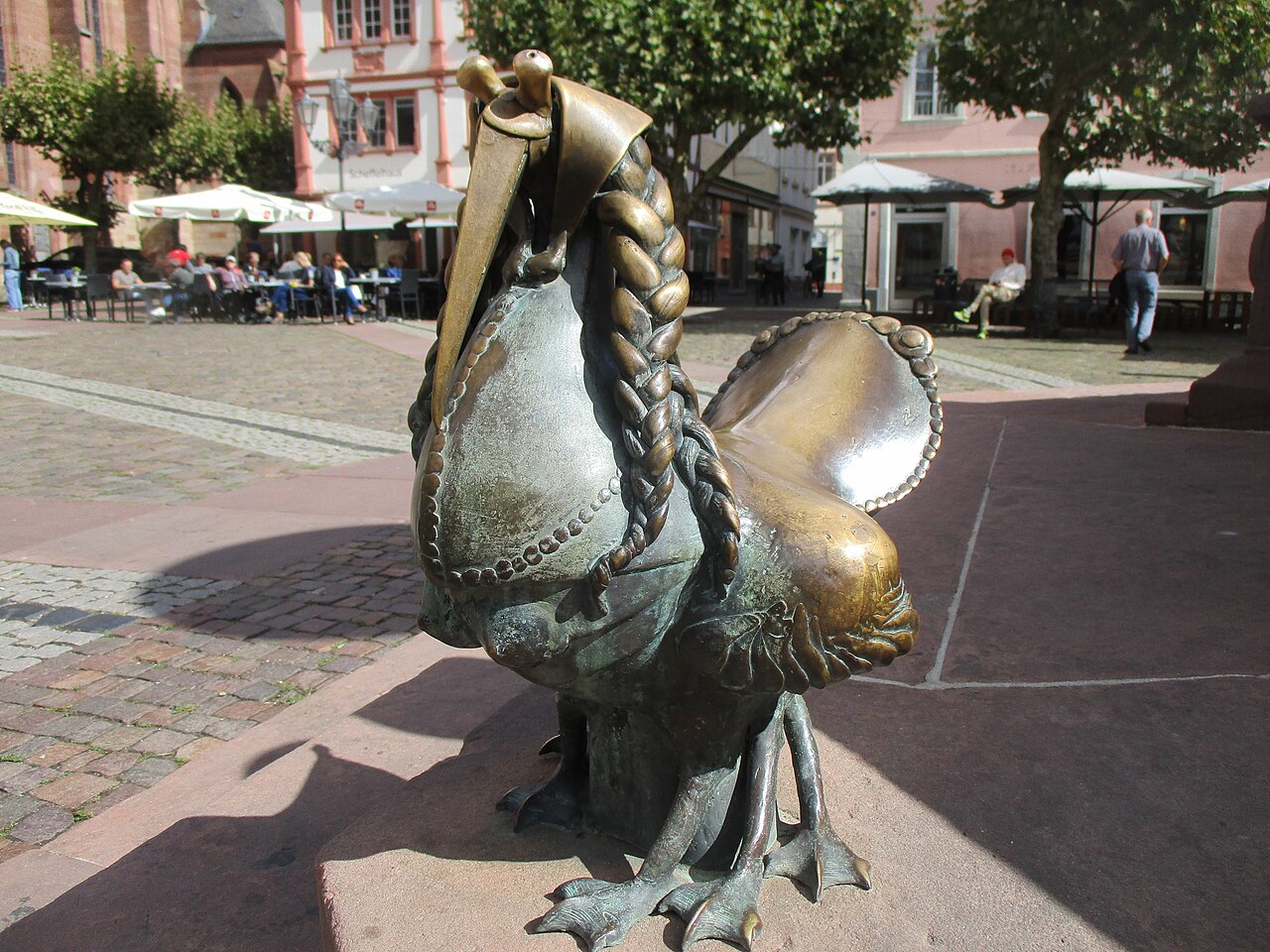


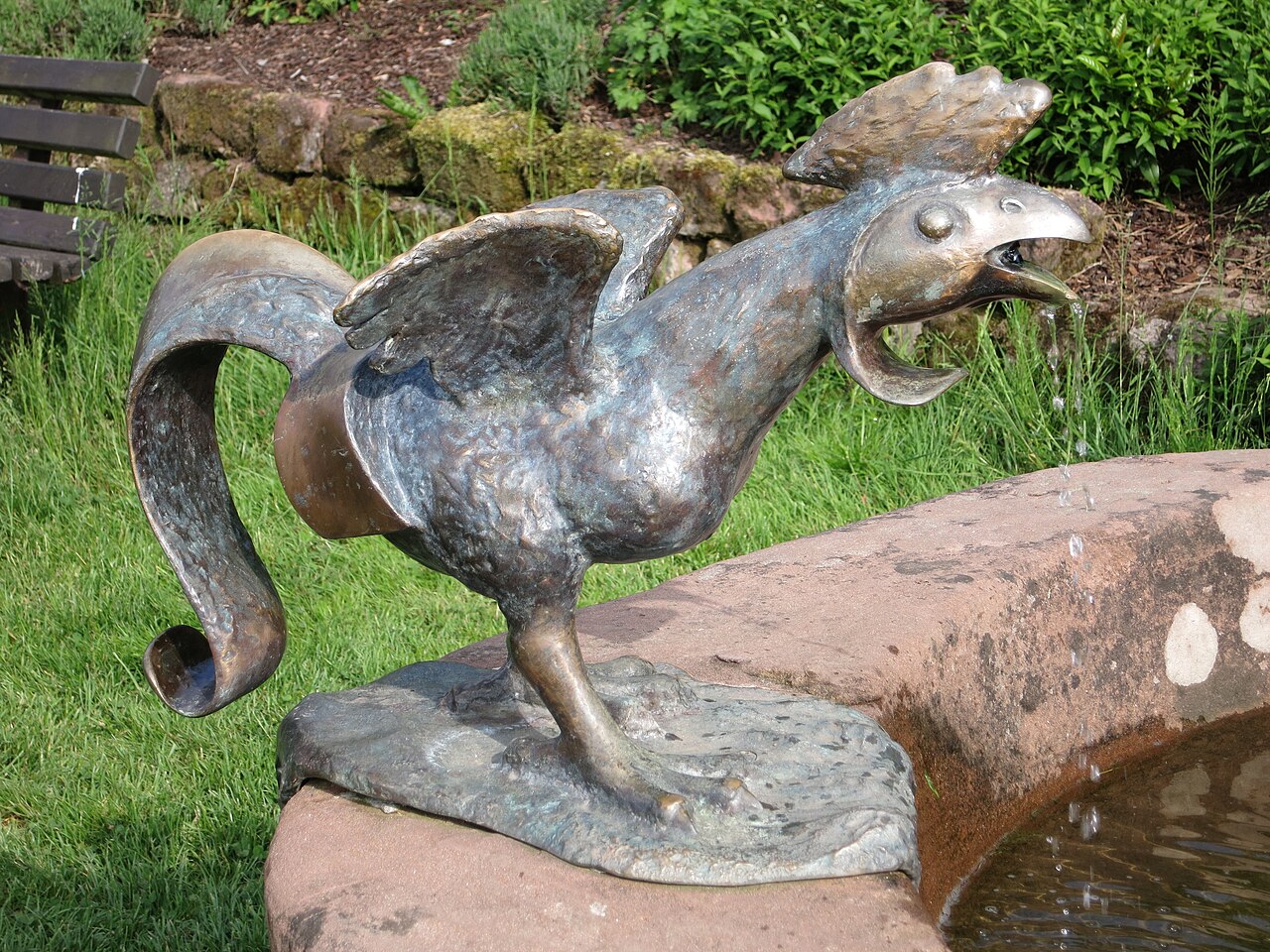
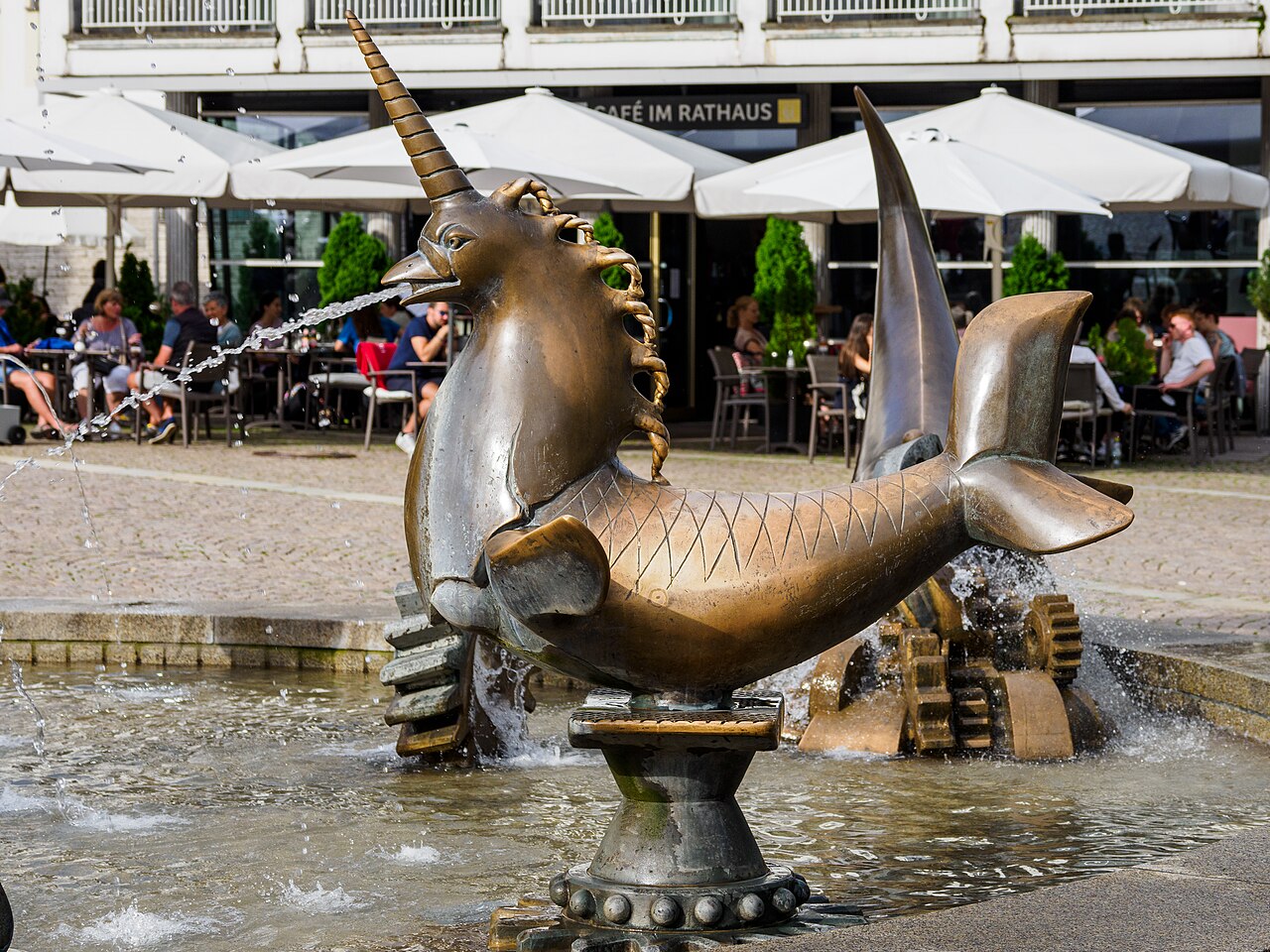
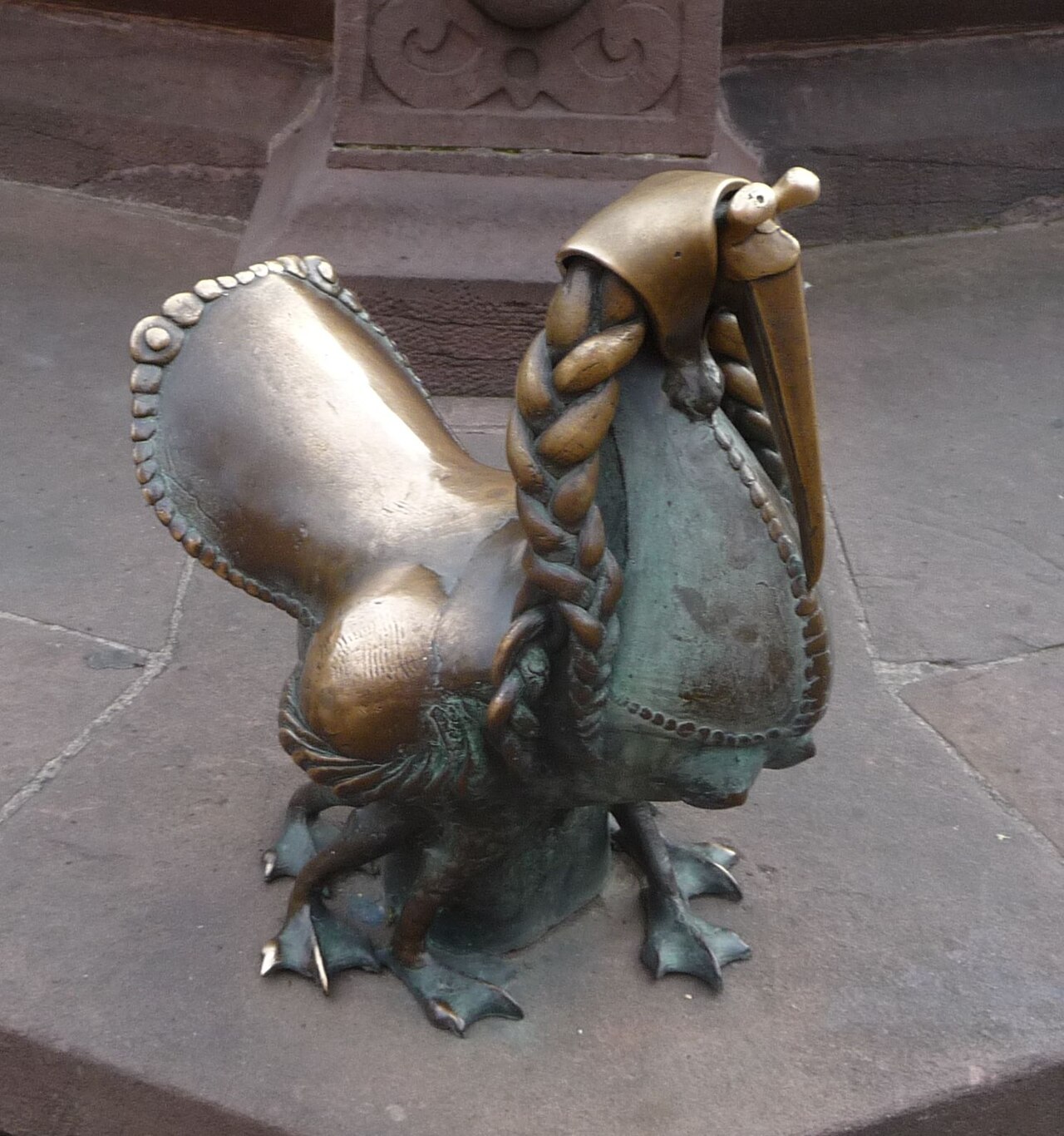
Frequently Asked Questions
What is an Elwetritsch?
The Elwetritsch is a legendary bird-like creature from the folklore of southwest Germany, most strongly tied to the Palatinate region. It is an imaginary being rather than a real animal, and its name appears in several local spellings such as Elbedritsch or Ilwedritsch.
Where does the Elwetritsch come from?
The creature's traditional home range is essentially the historical Palatinate in southwest Germany, along with neighboring areas. It is regarded as a regional variant of similar imaginary creatures found elsewhere, such as the Wolpertinger of Bavaria.
What is the Elwetritsch based on?
The Elwetritsch is derived from the concept of a sleep demon, a figure in Germanic folklore associated with disturbing rest. Over time this supernatural idea evolved into the bird-like creature known in Palatinate tradition.
How did Elwetritsch stories spread outside Germany?
German emigrants carried the belief to Eastern Europe and to Pennsylvania in the 18th century, and later to Brazil in the 19th century. The creature thus became part of diaspora folklore well beyond its original Palatinate heartland.
When was the Elwetritsch first written about?
The earliest known written reference to the creature dates to the 19th century within the Palatinate region. A frequently cited 1847 mention in Luckenbach, Texas, is not supported by established scholarship.
More in Legendary birds 1-24
Spotted an error? Know more?
This is a living reference — every entry is fact-audited, and reader corrections feed straight into our audit queue. Suggest an edit · See this site's audit record