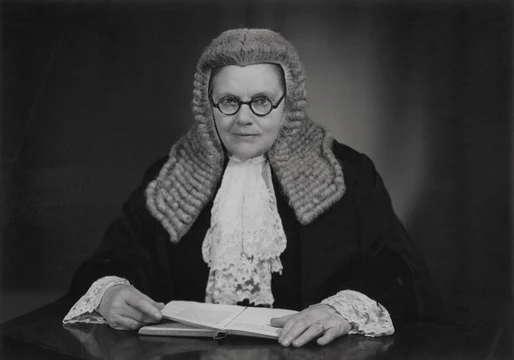
Plea
A defendant's formal answer to a criminal charge.

A plea is a defendant's formal response to a criminal charge. The most common pleas are guilty and not guilty, but other options exist depending on the legal system. In the United States, a defendant may enter a plea of nolo contendere, or no contest, which neither admits nor denies the offense but has the same immediate effect as a guilty plea, as it avoids a trial on guilt. An Alford plea is another U.S. option, while in the United Kingdom, a defendant may plead no case to answer. Under common law, a guilty plea accepted by the court leads directly to conviction and sentencing. Plea bargaining, especially common in the United States, involves negotiations between prosecutor and defendant for a guilty plea in exchange for a more lenient punishment. In the United Kingdom and Germany, only the timing of a guilty plea can affect sentence reduction, with earlier pleas yielding greater reductions. In civil law jurisdictions, a confession is treated as ordinary evidence and does not prevent a full trial or relieve the prosecutor of presenting a case. Peremptory pleas claim the case cannot proceed, such as autrefois convict or autrefois acquit under double jeopardy, or a plea of pardon. Historically, a defendant who refused to plead—standing mute—could be tortured by pressing until a plea was entered, a practice abolished by statute in 1772. In modern U.S. procedure, a refusal to plead is interpreted as a not guilty plea. A guilty plea must be entered knowingly, voluntarily, and intelligently, with the prosecution bearing the burden to prove that the defendant’s rights were properly waived. Courts typically conduct a plea colloquy to ensure this standard is met, and the hearing is transcribed to preserve the conviction’s validity.
- field
- Law
- known_for
- Defendant's response to a criminal charge; basis for plea bargaining and sentencing
- types
- Guilty, not guilty, nolo contendere, Alford plea, no case to answer, peremptory pleas
- jurisdictions
- Common law and civil law systems
Lore & Background
Under common law systems, a defendant who pleads guilty will be convicted if the court accepts the plea, and the court then determines and imposes a sentence. Plea bargaining involves discussions between the prosecutor and defendants to reach an agreement for a guilty plea in exchange for a more lenient punishment. In civil law jurisdictions, a confession by the defendant is treated like any other piece of evidence, and a full confession does not prevent a full trial or relieve the prosecutor from presenting a case. The most common pleas are guilty and not guilty. In some legal systems, a guilty plea can lead to a more lenient sentence, while in others it may result in harsher punishment. A plea bargain is a deal for leniency or dropped charges, while a blind plea has no agreement. In the United Kingdom and Germany, only the timing of a guilty plea can reduce punishment. A nolo contendere plea neither admits nor denies the offense but has the same immediate effect as a guilty plea. Peremptory pleas claim the case cannot proceed, such as autrefois convict or acquit under double jeopardy, or a plea of pardon. When a defendant refuses to plead, called standing mute, it was historically left to juries to decide the reason; in the past, torture was used to compel a plea, abolished by statute in 1772. In US criminal procedure, a refusal to plead is interpreted as not guilty. A guilty plea must be knowing, voluntary, and intelligent, established through a plea colloquy, though violent pretrial detention conditions have been shown to improperly coerce pleas.
Reader's Guide
The plea is a foundational element of criminal procedure, shaping the course of litigation and sentencing. In some legal systems, pleading guilty can result in a more lenient punishment, while in others it can lead to harsher punishment. Plea bargains are particularly common in the United States, where a defendant may plead guilty in exchange for a reduced charge or sentence. Other countries, such as the United Kingdom and Germany, use a more limited form of plea bargaining, where only the timing of the guilty plea affects the reduction in punishment. Peremptory pleas, such as autrefois convict or plea of pardon, claim that the case cannot proceed for reasons like double jeopardy or a pardon. The requirement that a guilty plea be 'knowingly, voluntarily and intelligently' was established in U.S. law, and courts often engage in a plea colloquy to ensure this standard is met.
Did You Know?
- A nolo contendere (no contest) plea neither admits nor denies the offense but has the same immediate effect as a guilty plea.
- In the United Kingdom, a defendant may enter a plea of 'no case to answer'.
- A conditional plea allows a defendant to plead guilty while reserving the right to appeal certain aspects of the charges.
Frequently Asked Questions
Who is Plea?
Plea is the formal answer a defendant gives when responding to a criminal charge filed against them. It acts as the starting point that sets the entire criminal process in motion.
What are Plea's powers/role?
Plea dictates the direction of the case, steering it either toward conviction and sentencing or toward a full trial. It also serves as the foundation for plea-bargaining negotiations between the prosecution and the defense.
How does Plea's story end?
A guilty plea typically sends the matter straight to sentencing without a trial, while a not guilty plea carries the case into a full evidentiary proceeding. In either path, the plea is the hinge on which the rest of the process turns.
Why is Plea important?
Plea is the pivotal moment that shapes the trajectory of criminal proceedings in both common-law and civil-law systems. It influences court scheduling, the defendant's potential outcome, and the resources the state must commit to the case.
What types of Plea exist?
Beyond the standard guilty and not guilty responses, jurisdictions may permit nolo contendere, Alford pleas, no case to answer, or peremptory pleas. The exact options available depend on the specific legal system and jurisdiction handling the matter.
More in Legal Professions 1-24
Spotted an error? Know more?
This is a living reference — every entry is fact-audited, and reader corrections feed straight into our audit queue. Suggest an edit · See this site's audit record