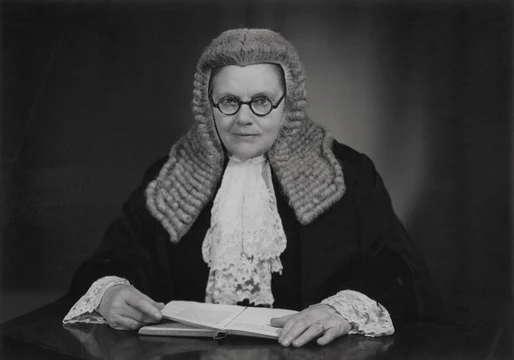
Oath of office
A solemn vow required before assuming official duties.

An oath of office is a solemn vow or affirmation taken before assuming the duties of a position, typically in government or a religious body, and is often required by law before the person may exercise the powers of the office. It may be administered at a public ceremony such as an inauguration or coronation, or privately, and sometimes repeated publicly. Some oaths are statements of allegiance to a constitution, legal text, or a monarch, and betraying such an oath may be considered treason or a high crime. The oath is often performed using an oath book, such as the Bible, and alternative terms like "solemn promise" or "solemnly affirm" and phrases like "I promise" or "I affirm" are used for those who choose not to swear.
The specific wording and requirements of oaths of office vary by country and position. In Antigua and Barbuda, the Governor-General, Prime Minister, other Ministers, and Parliamentary Secretaries must take both an oath of allegiance and an oath of office, with the latter also including an oath of secrecy. Members of the Public Service Commission take the allegiance and office oaths, while parliamentarians only need the oath of allegiance before participating in their House. These oaths may be taken as affirmations, omitting the phrase "So help me God." The oath of allegiance there pledges faithful allegiance to the reigning monarch, while the oath of office promises to uphold the constitution and discharge duties impartially.
In Australia, all members of the federal Parliament must take an Oath or Affirmation of Allegiance before the Governor-General before taking their seat, as required by the constitution. The Governor-General also takes this oath plus a separate Oath of Office. The Prime Minister, Ministers, and Parliamentary Secretaries additionally recite an Oath of Office upon entering office, though its wording is not prescribed by the constitution and is set by the Prime Minister; it traditionally includes swearing allegiance to the Sovereign. Members of the Federal Executive Council also take their own oath.
In Bangladesh, the President, Prime Minister, Chief Justice, Speaker, and Ministers take oaths in Bengali. The President’s oath is administered by the Speaker, while the Prime Minister and cabinet members take their oath from the President, along with a separate oath of secrecy. The Speaker also takes the presidential oath w
- field
- Government and legal procedure
- known_for
- Formal vow taken before assuming office, often including allegiance to a sovereign or constitution
Lore & Background
The source article details specific oaths for Antigua and Barbuda, Australia, and Bangladesh. In Antigua and Barbuda, the Governor-General, Prime Minister, Ministers, and Parliamentary Secretaries must take an oath of allegiance and oath of office, with the latter also requiring an oath of secrecy. Members of the Public Service Commission take both oaths, while Parliament members only take the oath of allegiance. The oaths may be taken as an affirmation, omitting 'So help me God.' The oath of allegiance swears true allegiance to King Charles the Third, while the oath of office promises to uphold the Constitution and do right without fear or favour.
Reader's Guide
In Australia, all Parliament members must take an Oath or Affirmation of Allegiance before the Governor-General, as set out in section 42 of the Constitution. The Governor-General also takes a second Oath of Office. The Prime Minister, Ministers, and Parliamentary Secretaries additionally recite an Oath of Office, the wording of which is not prescribed in the Constitution and is determined by the Prime Minister. The Federal Executive Council members also take an oath. In Bangladesh, the President, Prime Minister, Chief Justice, Speaker, and Ministers take their oaths in Bengali. The President's oath is administered by the Speaker, and the Prime Minister's oath by the President, both including promises to bear true faith and allegiance to Bangladesh and to preserve the Constitution.
Did You Know?
- In Antigua and Barbuda, members of both Houses of Parliament are only required to make the oath of allegiance prior to participating in their respective House, save for the oath-taking itself.
- In Australia, the wording of the Oath of Office for the Prime Minister and Ministers is not prescribed within the Constitution and is ultimately determined by the Prime Minister of the day.
- In Bangladesh, the oath of office for the President is administered by the Speaker, while the oath for the Prime Minister is administered by the President.
- The oath of secrecy in Antigua and Barbuda includes a promise not to disclose any counsel, advice, opinion, or vote given by any Minister as a member of the Cabinet.
Frequently Asked Questions
What is an oath of office?
It is a formal, solemn vow that a person must take before they are legally permitted to begin exercising the powers of a public or religious position. The vow typically binds the officeholder to uphold a constitution, a specific legal text, or the authority of a sovereign.
When and where is an oath of office administered?
It can be given at a public ceremony like an inauguration or coronation, or it may be sworn privately and then recited publicly later. In many traditions the person places a hand on a sacred text, such as a Bible, while reciting the words.
What happens if someone breaks their oath of office?
Betraying the oath is treated as a serious offense—often classified as treason or a high crime—because it represents a fundamental breach of the trust the officeholder pledged to uphold.
Why is an oath of office legally required?
The law uses the oath as a gatekeeping step: until the vow is taken, the individual technically cannot exercise the authority of the role. This ensures every officeholder has consciously committed to the duties and limits of the position before acting.
Does every oath of office have to follow the same format?
No. Some oaths are strictly religious in language, while others are secular affirmations of loyalty to a constitution or legal framework. The exact wording and ceremony vary by jurisdiction, tradition, and the specific office being filled.
More in Legal Professions 1-24
Spotted an error? Know more?
This is a living reference — every entry is fact-audited, and reader corrections feed straight into our audit queue. Suggest an edit · See this site's audit record