Usman dan Fodio
Fulani scholar who founded the Sokoto Caliphate.

Abdulmuddalib Iabrahim Salisu · CC BY-SA 4.0
Usman dan Fodio was a prominent Islamic scholar and teacher who led a religio-military conflict in present-day Nigeria and Cameroon. The war began when he was exiled from Gobir by King Yunfa, one of his former students. Dan Fodio assembled an Islamic army to lead a jihad against Gobir and other Hausa Kingdoms. His forces slowly took over more and more of the Hausa kingdoms, capturing Gobir in 1808 and executing Yunfa. The war resulted in the creation of the Sokoto Caliphate, initially headed by dan Fodio himself, which became one of the largest states in Africa in the 19th century.
- field
- Islamic scholarship, religious teaching, revolution
- nationality
- Fulani, from the Hausa Kingdoms
- known_for
- Founding the Sokoto Caliphate and leading an Islamic religious and social revolu
Verified Timeline
Lore & Background
Usman dan Fodio was born in 1754. He joined a growing number of traveling Islamic scholars through the Hausa kingdoms in the 1770s and became quite popular in the 1790s. Much of his preaching focused on the obligations of Muslim rulers to promote Islam and to rule ethically and generously while criticizing corruption, hypocrisy, oppression of fellow Muslims, and tolerance of beliefs and practices in conflict with Islam. Originally, his preaching received the support of the leadership of Gobir. However, as his influence increased and as he began to advocate for self-defense arming by his followers, his favor with the leadership decreased. King Nafata of Gobir placed a series of restrictions on his preaching. In 1801, Sarkin Gobir Yunfa, a former pupil of dan Fodio, replaced Nafata as king and increased the restrictions, exiling dan Fodio from Gobir to the village of Degel.
Reader's Guide
Usman dan Fodio led a large-scale hijra of his community to Gudu after refusing to abandon his followers. On February 21, 1804, Yunfa declared war on dan Fodio. Followers of dan Fodio declared him to be the Amir al-Mu'minin 'Commander of the Faithful' and renounced their allegiance to Gobir. Several minor skirmishes preceded the forces meeting at the Battle of Tsuntua. Although Yunfa was victorious and dan Fodio lost men, the battle did not diminish his force. He retaliated by capturing the village of Matankari, which resulted in the Battle of Tabkin Kwatto. Although outnumbered, dan Fodio's troops were able to prevent Yunfa from advancing on Gunu. In 1805, his forces captured the Hausa kingdom of Kebbi. In 1807, they had taken over Katsina. They then captured the Sultanate of Kano. In 1808, the jihadists assaulted Gobir, killing Yunfa in the battle of Alkalawa. Dan Fodio ruled from Sokoto as the religious leader of the Fulani jihad states from 1809 until 1815, when he retired from administrative duties. His son Muhammed Bello succeeded him as ruler of Sokoto and in 1817 adopted the title of sultan.
Did You Know?
- Usman dan Fodio was exiled from Gobir by King Yunfa, who had been one of his former students.
- The war began on February 21, 1804, when Yunfa declared war on dan Fodio.
- Dan Fodio's forces captured Gobir and executed Yunfa in 1808 at the battle of Alkalawa.
- The Sokoto Caliphate became one of the largest states in Africa in the 19th century.
- Dan Fodio ruled from Sokoto until 1815, when he retired from administrative duties.
The Fractured World of Eighteenth-Century Hausaland
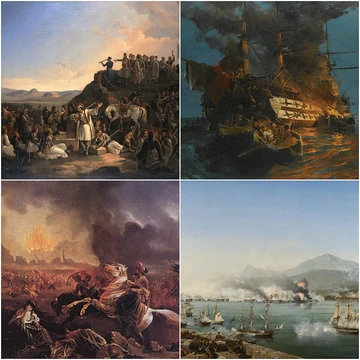
By the mid-18th century, the ancient Kanem–Bornu Empire was losing power. There was large-scale immigration by Fulani pastoralists, leading to resource competition with more settled Hausa communities despite their shared religion. Several Hausa kingdoms previously tributary to Kanem-Bornu became independent and fought with each other. Rulers enforced harsh systems of conscription and taxation, while war caused social disruption, economic hardship, and enslavement of war captives. Fulani communities felt especially victimized by Hausa rulers' taxation and land control. Two prominent Hausa kingdoms that were central in the Jihad were Gobir, where Usman dan Fodio's parents settled in his childhood and where he lived until 1804, and Zamfara.
From Preacher to Exile
Usman dan Fodio, born in 1754, joined a growing number of traveling Islamic scholars through the Hausa kingdoms in the 1770s and became quite popular in the 1790s. Much of his preaching focused on the obligations of Muslim rulers to promote Islam and to rule ethically and generously in a manner that allowed their subjects to live as good Muslims while criticizing corruption, hypocrisy, oppression of fellow Muslims, and tolerance of beliefs and practices in conflict with Islam. Originally, dan Fodio's preaching received the support of the leadership of Gobir; however, as his influence increased and as he began to advocate for self-defense arming by his followers, his favor with the leadership decreased. King Nafata of Gobir placed a series of restrictions on preaching by dan Fodio's followers and by Usman himself. In 1801, Sarkin Gobir Yunfa, a former pupil of dan Fodio, replaced Nafata as king and increased the restrictions on dan Fodio, exiling him from Gobir to the village of Degel.
The Hijra and the War of Liberation
A crisis developed later in 1803 when Yunfa attacked and captured many of the followers of a group associated with dan Fodio. Yunfa then marched the prisoners through Degel, enraging many of dan Fodio's followers, who attacked the army and freed the prisoners. Yunfa gave dan Fodio the option of exile before destroying Degel, but Usman refused to abandon his followers, instead leading a large-scale hijra of the community to Gudu. So many people went with dan Fodio throughout the state that on February 21, 1804, Yunfa declared war on dan Fodio and threatened punishment to anyone joining him. Followers of dan Fodio declared him to be the Amir al-Mu'minin 'Commander of the Faithful' and renounced their allegiance to Gobir. Several minor skirmishes preceded the forces meeting at the Battle of Tsuntua. Although Yunfa was victorious and dan Fodio lost men, the battle did not diminish his force. He retaliated by capturing the village of Matankari, which resulted in the Battle of Tabkin Kwatto, a major action between Yunfa and dan Fodio's forces. Although outnumbered, dan Fodio's troops were able to prevent Yunfa from advancing on Gunu and thus convince larger numbers of people to join his forces.
Conquest, Caliphate, and a Ripple Across Africa
In 1805, the forces of dan Fodio captured the Hausa kingdom of Kebbi. In 1807, the jihadists had taken over Katsina whose ruler, Magajin Halidu, committed suicide following the defeat. They then captured the Sultanate of Kano whose king (Muhammad Alwali II) was forced to flee to Zazzau, then the village of Burum-Burum where he was soon killed in battle. In 1808, the jihadists assaulted Gobir, killing Yunfa in the battle of Alkalawa, and destroying large parts of the city. The war resulted in the creation of the Sokoto Caliphate, initially headed by Usman dan Fodio himself, which became one of the largest states in Africa in the 19th century. Muhammed Bello, the son of Usman dan Fodio, transformed the semi-permanent camp of Sokoto into a city in 1809, during the Fulani war. Dan Fodio ruled from Sokoto as the religious leader of the Fulani jihad states from that point until 1815, when he retired from administrative duties. The success of the jihad inspired a number of later West African jihadists, including Massina Empire founder Seku Amadu, Toucouleur Empire founder Omar Saidou Tall, Wassoulou Empire founder Samori, Adamawa Emirate founder Modibo Adama and Zabarma Emirate founder Babatu.
Gallery



Frequently Asked Questions
Who is Usman dan Fodio?
He was a Fulani-born Islamic scholar, poet, and philosopher from the Hausa Kingdoms who spearheaded a major religious and social revolution in West Africa. He is best remembered as the founder and first caliph of the Sokoto Caliphate.
What was Usman dan Fodio's role in the revolution?
He led an Islamic uprising against local Muslim elites he considered corrupt, and his movement culminated in the creation of the Sokoto Caliphate, which he then governed as its first caliph. His field of influence spanned Islamic scholarship, religious teaching, poetry, philosophy, and revolutionary organizing.
What did Usman dan Fodio write?
He produced more than one hundred works covering religion, government, culture, and society. His corpus also included poetry and philosophical treatises that laid the intellectual groundwork for his reform movement.
Why did Usman dan Fodio launch his revolution?
He believed the existing African Muslim ruling class had grown greedy, adopted pagan practices, and abandoned proper Sharia standards. His preaching of strict Sunni Islam across the territories of present-day Nigeria and Cameroon became the ideological engine of the uprising.
Why is Usman dan Fodio important to the history of revolution and independence?
He proved that a scholar's pointed critique of an entrenched elite could mobilize an entire population into a sustained revolutionary movement. The Sokoto Caliphate he established permanently reshaped the political map of modern Nigeria and Cameroon, making him a landmark figure in faith-driven independence revolutions.
More in Leaders Of Revolution And Independence 1-20
Spotted an error? Know more?
This is a living reference — every entry is fact-audited, and reader corrections feed straight into our audit queue. Suggest an edit · See this site's audit record