Te Kooti
Māori leader, guerrilla fighter, founder of the Ringatū religion.

via Wikipedia: Political history of New Zealand · see source
Te Kooti Arikirangi Te Tūruki (c. 1832–1893) founded the Ringatū faith and fought as a guerrilla leader. In 1865, while serving with government forces against the Hauhau, he was accused of spying and sent to the Chatham Islands without a trial, alongside captured Hauhau prisoners. There, he had visions and became a religious figure. On 4 July 1868, he orchestrated the escape of 168 prisoners, seizing the schooner *Rifleman* and sailing back to the North Island. His subsequent raids triggered a military reprisal campaign called Te Kooti's War. He received a pardon in 1883 but continued promoting Ringatū’s message of peace and pursuing the recovery of land from European settlers.
His early life is poorly documented. Born around 1832 at Te Pā-o-Kahu in the Gisborne region, he was the son of Hōne Rangipātahi and Hine Turākau of the Rongowhakaata iwi and Ngāti Maru hapū, whose villages lay near the Awapuni lagoon where the Waipaoa River meets the ocean. His original name is thought to be Arikirangi. A matakite (visionary) named Toiroa Ikariki from Nukutaurua on the Māhia Peninsula had prophesied his birth—along with the arrival of Pākehā—in a song dated 1766. The name Te Kooti likely comes from his Christian baptism, though some say it derives from “court” (pronounced *kooti*) or is a Māori version of “Coates.”
As a youth, Te Kooti was troublesome; his father once tried to kill him. In 1852, he gained notoriety as part of a group of young Māori who broke into settlers’ homes and stole goods, acting as a “social bandit.” He attended the Mission School at Whakatō near Manutūkē, where Samuel Williams taught him from 1846 to 1847, and Samuel’s uncle William Williams helped him find a new world in the Bible. Despite this, his reputation remained poor, even after contact with Reverend Thomas Samuel Grace, who replaced William Williams from 1850 to 1853. Local settlers asked chiefs to work with the Māori council (rūnanga) to deal with Te Kooti, but his men kept taking pigs, horses, cattle, and alcohol, angering the senior chiefs’ rūnanga. Consequently, Te Aitanga-a-Māhaki attacked his pā, taking many prisoners, though Te Kooti escaped. He then left home and worked on ships trading along the North Island coast.
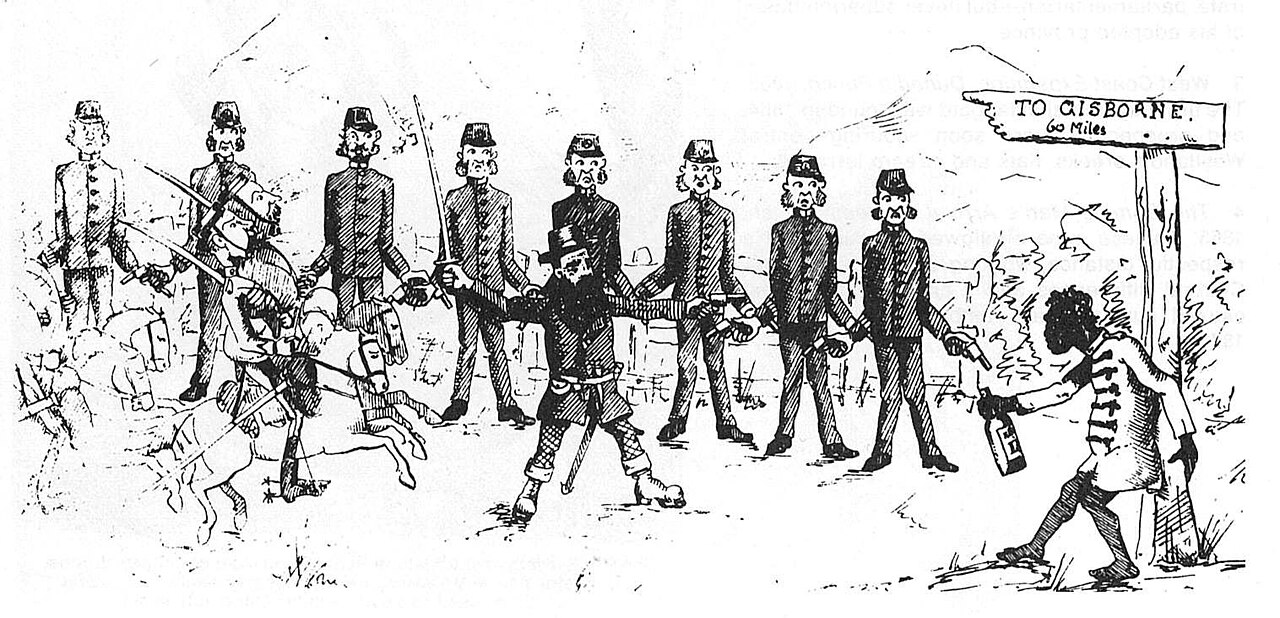
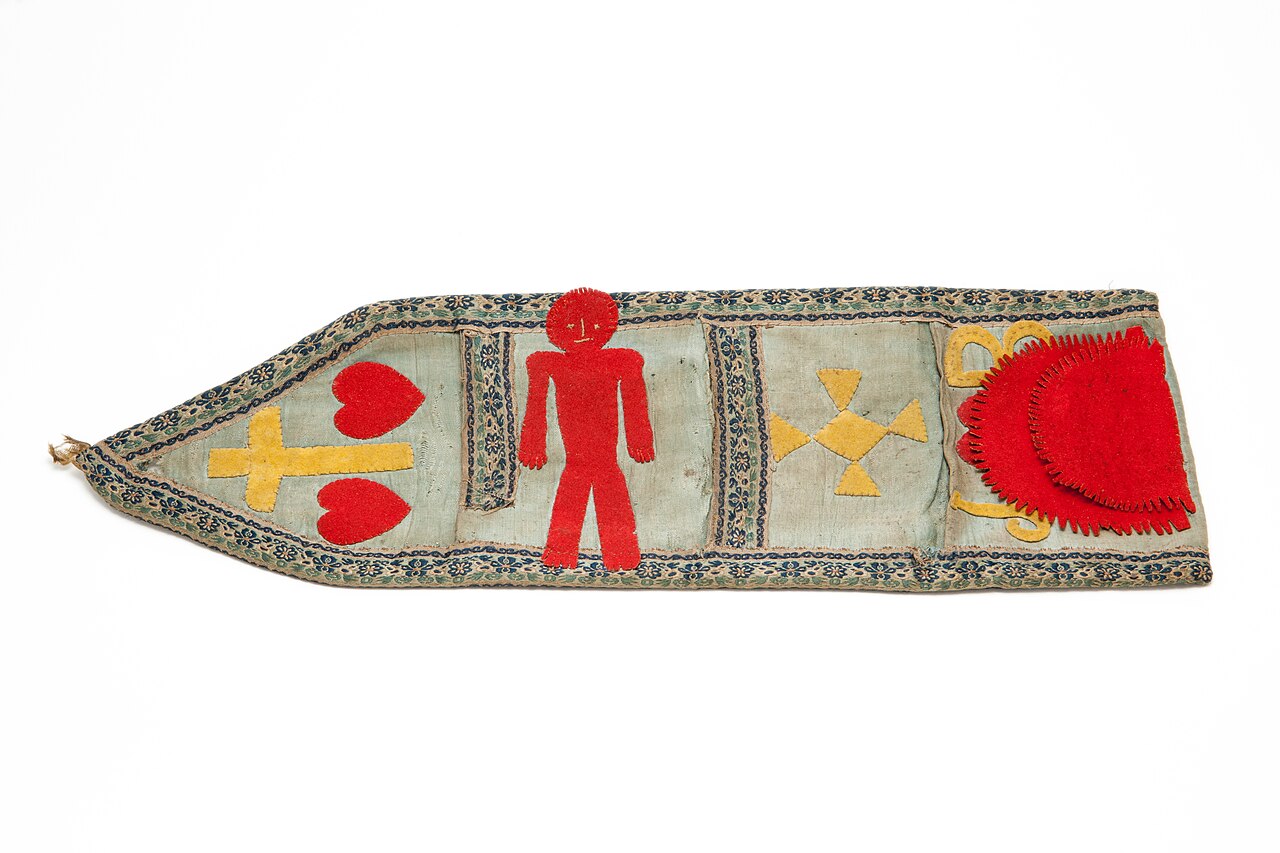
In 1865, while fighting with government forces against the Pai Mārire (Hauhau), he was arrested as a spy for trying to contact his brother, who was with the Hauhau. Exiled to the Chatham Islands alongside the rebels he had fought, he repeatedly demanded a trial but never received one. Some allege he supplied the Pai Mārire with guns, though he also fought against them in battle—possibly firing blanks. On the islands, Te Kooti experienced visions and became a religious leader. Other prisoners called him Tawhaki, “the twice born,” after he survived tuberculosis unexpectedly. He used sleight of hand—like lighting his hand on fire with matchheads above an altar during church—to sway the Māori prisoners. When some chiefs were sent back to the mainland, Te Kooti took over as local leader, though his uncle saw through the tricks. He founded Ringatū (“upraised hand”), a faith that still exists in New Zealand. On 27 July 1867, he married Maata Te Owai in a civil ceremony; the marriage documents record his birth year as 1832.
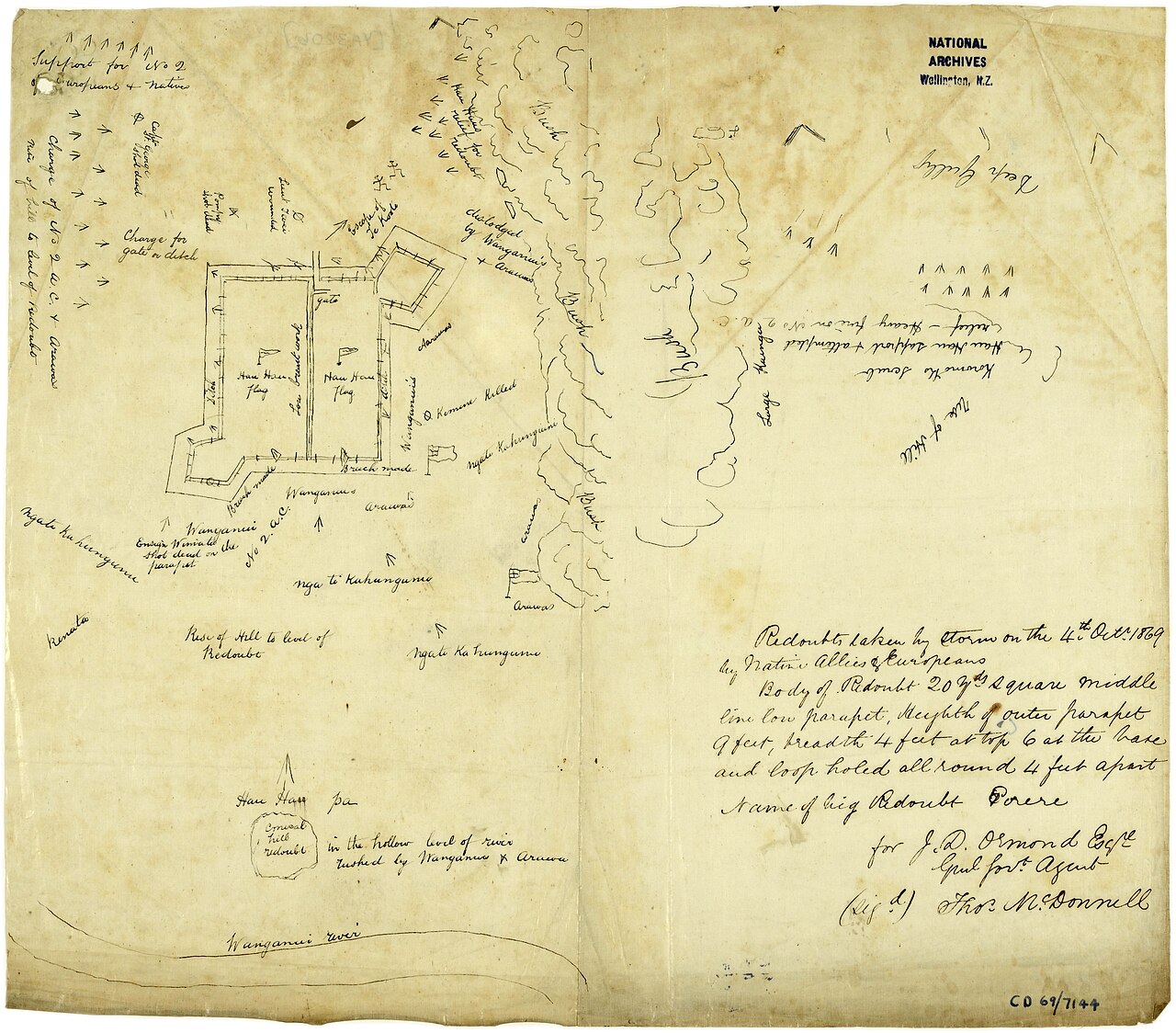
Te Kooti prophesied that two boats would arrive to take them off the island. Using rain as an excuse, prisoners entered the redoubt; only six guards remained on the island, most having been moved to Hokitika in April due to fears of a Fenian uprising. On 4 July 1868, he led 168 prisoners in seizing the schooner *Rifleman*, along with supplies and rifles. They scuttled another vessel, the *Florence*, to prevent an alarm. One Chatham Island sergeant was killed over a personal grievance. The Pākehā sailors were spared and ordered to sail for the East Coast; when they tried to head for Wellington, Te Kooti threatened to throw them overboard. After four days, the ship was becalmed, and Te Kooti declared a sacrifice necessary. His uncle, Te Warihi Otini, was thrown overboard, and soon the ship moved again. Landing at Whareongaonga in Poverty Bay, Te Kooti sought refuge from the Māori King Movement and Tūhoe tribes. Crown forces—mostly Ngāti Porou, Ngāti Kahungunu, and Whanganui kāwanatanga—invaded Te Urewera in May 1869 to pursue him. Tūhoe briefly sheltered him. He tried to negotiate with the colonial government but was rejected, sending word that if the government wanted war, he would give it to them.
- born
- c. 1832, Te Pā-o-Kahu, Gisborne region, New Zealand
Verified Timeline
Lore & Background
Te Kooti's early life is obscure. As a young man, Te Kooti was troublesome, engaging in theft and plunder, and was sent to the Waerenga-a-Hika mission school run by Reverend Thomas Samuel Grace. There he experienced visions, became a religious leader, and founded the Ringatū faith.
Reader's Guide
Te Kooti's significance lies in his dual role as a religious founder and a military leader. His Ringatū faith, centered on the 'upraised hand,' continues to be practiced in New Zealand today. His legacy is complex, marked by both violence and spiritual leadership, and he is remembered as a figure of resistance and resilience.
Did You Know?
- Te Kooti was never tried for the spying accusation that led to his exile.
- During the escape, fellow exile Te Warihi was thrown overboard in a ritual killing when the ship was becalmed.
Gallery
Frequently Asked Questions
Who is Te Kooti?
Te Kooti Arikirangi Te Tūruki, born around 1832 in Te Pā-o-Kahu in New Zealand's Gisborne region, was a Māori leader and guerrilla fighter who became one of the most prominent figures of the New Zealand Wars. He is also widely recognized as the founder of the Ringatū religion.
What is Ringatū and what does it have to do with Te Kooti?
Ringatū is a religious movement that Te Kooti established, making him its founding spiritual figure. It stands as one of his most enduring legacies, extending his influence well beyond his military actions.
Why was Te Kooti exiled to the Chatham Islands?
During the New Zealand Wars, Te Kooti was accused of spying for the colonial government. Instead of being given a trial, he was sent into exile on the Chatham Islands, a sentence that ultimately set the stage for his famous escape.
What was Te Kooti's War?
Te Kooti's War was a military campaign mounted by colonial forces in response to a series of raids Te Kooti carried out after fleeing the Chatham Islands. The conflict represented one of the last major armed confrontations of the broader New Zealand Wars.
How did Te Kooti escape the Chatham Islands?
While held in exile on the Chatham Islands, Te Kooti led a dramatic escape that brought him back to the main islands of New Zealand. That escape directly triggered the raids that sparked the military campaign known as Te Kooti's War.
More in Leaders Of Revolution And Independence 1-20
Spotted an error? Know more?
This is a living reference — every entry is fact-audited, and reader corrections feed straight into our audit queue. Suggest an edit · See this site's audit record