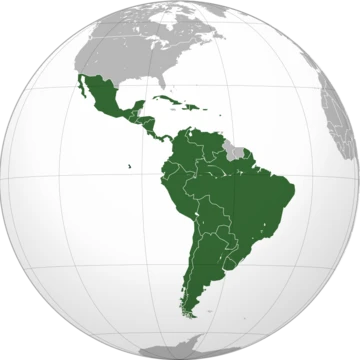
León, Nicaragua
Second largest city in Nicaragua; historic political and intellectual hub.

León is the second largest city in Nicaragua, after Managua, and the capital of León Department. Founded by the Spanish as Santiago de los Caballeros de León, it has long been the political and intellectual center of the nation, home to the National Autonomous University of Nicaragua (UNAN), founded in 1812, the second oldest university in Central America. The city is also an important industrial, agricultural, and commercial center, exporting sugar cane, cattle, peanuts, plantain, and sorghum.
The original settlement, founded in 1524 by Francisco Hernández de Córdoba, was located about thirty kilometers east of the present site. That city was abandoned in 1610 following a series of earthquakes triggered by a volcanic eruption. The ruins, known as León Viejo, were excavated in 1960 and later designated a UNESCO World Heritage Site in 2000. León served as Nicaragua’s capital from colonial times, and after the nation left the United Provinces of Central America in 1839, it became the capital of the new republic. For years, the capital alternated between León and Granada, with Liberal governments favoring León and Conservative ones Granada, until Managua was chosen as a permanent compromise in 1852. In 1950, the city’s population was 31,000. President Anastasio Somoza García was fatally shot in León on 21 September 1956.
León is rich in historical architecture. The Cathedral Basilica of the Assumption, built between 1747 and 1814, is the largest cathedral in Central America and the first episcopal seat in Nicaragua since 1531. Its robust, anti-seismic construction has withstood earthquakes, volcanic eruptions, and civil war bombardments. Cannons were placed on its roof during the 1824 siege by conservative forces and again during the 1979 revolution. The crypts hold the remains of poet Rubén Darío, along with poets Salomón de la Selva and Alfonso Cortés, independence figure Miguel Larreynaga, and composer José de la Cruz Mena. A network of tunnels connects the cathedral to other temples, originally used as escape routes from pirates, though these are now largely part of the sewer system. The Church of Sutiava, completed in 1710, is the oldest intact church in León and features a notable timber ceiling. Cárcel la 21, a former jail built in the early twentieth century, housed political prisoners during the Somoza regime and was a site of torture; its façade was
- country
- Nicaragua
- founded
- 1524 (original site); present site settled after 1610
- population_2022
- 213,718
- known_for
- Political and intellectual center; second oldest university in Central America;
- notable_residents
- Rubén Darío, Alfonso Cortés, Salomón de la Selva
Verified Timeline
Lore & Background
León was originally founded in 1524 by Francisco Hernández de Córdoba about 30 km east of its present location. That city was abandoned in 1610 after earthquakes spawned by a volcanic eruption; its ruins, known as León Viejo, were excavated in 1960 and declared a UNESCO World Heritage Site in 2000. The present city is located along the Río Chiquito, some 90 km northwest of Managua and 18 km east of the Pacific coast. León served as Nicaragua's capital from colonial times. When Nicaragua withdrew from the United Provinces of Central America in 1839, León became the capital of the new nation. The capital later shifted between León and Granada until Managua was agreed upon as the permanent capital in 1852. In 1950, the city had a population of 31,000. Nicaraguan president Anastasio Somoza García was shot and mortally wounded in León on 21 September 1956. The city is rich in monuments, including the Cathedral Basilica of the Assumption of León, the largest cathedral in Central America, built between 1747 and 1814. Its crypts hold the remains of poet Rubén Darío, among others. Other notable churches include Sutiava, San Francisco, la Recolección, la Merced, el Calvario, and the ruins of San Sebastián. Cárcel la 21, a former jail for political prisoners, now serves as an art museum.
Reader's Guide
León holds a central place in Nicaraguan history as the nation's longtime political and intellectual capital. Its National Autonomous University of Nicaragua, founded in 1812, made it a hub of learning and culture, producing poets such as Rubén Darío, Alfonso Cortés, and Salomón de la Selva. The city's architectural heritage, particularly its colonial churches and the massive Cathedral Basilica of the Assumption, reflects its historical importance and resilience against earthquakes, volcanic eruptions, and civil wars. The cathedral, the largest in Central America, houses the tombs of Darío and other notable figures. León's role as a capital shifted with political tides until Managua became the permanent seat of government in 1852. The city also witnessed violence, including the 1956 assassination of President Anastasio Somoza García. Today, León remains an industrial and agricultural center, exporting sugar cane, cattle, peanuts, plantain, and sorghum, while its historic sites, including the UNESCO-listed León Viejo ruins and the former prison turned art museum Cárcel la 21, draw visitors interested in both culture and history.
Did You Know?
- León was originally founded in 1524 by Francisco Hernández de Córdoba about 30 km east of its present site, then abandoned in 1610 after earthquakes spawned by a volcanic eruption.
- The Cathedral Basilica of the Assumption of León is the largest cathedral in Central America, built between 1747 and 1814.
- Poet Rubén Darío is buried in the cathedral's crypts at the foot of the statue of St. Paul.
- Cárcel la 21, a former jail for political prisoners, was built starting in 1910 and first occupied in 1921; it now serves as an art museum.
- Nicaraguan president Anastasio Somoza García was shot and mortally wounded in León on 21 September 1956.
More in Latin American Cities 1-24
Spotted an error? Know more?
This is a living reference — every entry is fact-audited, and reader corrections feed straight into our audit queue. Suggest an edit · See this site's audit record