Guatemala City
National capital and largest city of Guatemala.

Guatemala City, often called Guate by locals, is the capital and biggest city of the Republic of Guatemala, also serving as the administrative center for the Guatemala Department. Its metropolitan area is the largest in all of Central America. The city sits in a mountain valley known as Valle de la Ermita, or Hermitage Valley, in the south-central part of the country.
The site was originally home to the Maya city of Kaminaljuyu, occupied mainly from 1500 BCE to 1200 CE. The modern city was established by the Spanish after the 1773 Santa Marta earthquake and its aftershocks destroyed their colonial capital, now called Antigua Guatemala. It became the third royal capital of the Captaincy General of Guatemala, which was part of the Viceroyalty of New Spain, and remained under colonial rule until the 1800s.
In September 1821, the Act of Independence of Central America was signed in Guatemala City, declaring the region free from the Spanish Empire. This act was ratified on 15 September, now celebrated annually as Guatemala’s independence day, known as the Dias Patrios. For decades afterward, the city served as the federation capital of the United Provinces of Central America, later renamed the Federal Republic of Central America. In August 1847, Guatemala declared itself an independent republic, separate from the federation, and Guatemala City became its national capital.
The 1917–1918 earthquakes and months of aftershocks nearly destroyed the city and surrounding area. Rebuilding efforts led to a more modern architectural style, with wider streets and a grid layout for new neighborhoods, inspired by post-18th-century designs from cities like Paris, France, and Washington, D.C.
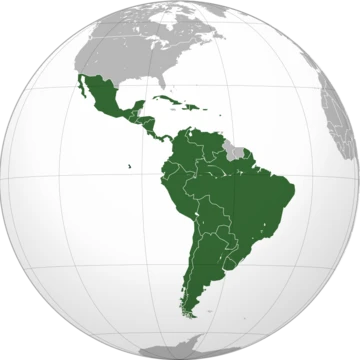
Today, Guatemala City is the political, cultural, religious, and economic hub of the Republic of Guatemala, with significant financial, commercial, and cultural influence across Central America and beyond, throughout Latin America.
**Names** Locally, the city is called La Capital or Guate. Its formal name is Nueva Guatemala de la Asunción (New Guatemala of the Assumption), referencing the fact that it was a new capital after the old one (La Antigua) was ruined by an earthquake. “Assumption” honors the Virgin of the Assumption, whose feast day on 15 August is the city’s celebration.
**History**
**Early history** Human settlement began with the Maya, who built a large ceremonial center at Kaminaljuyu. This major Maya site, the largest outside the Maya lowlands of the Yucatán Peninsula, rose to prominence around 300 BCE due to increased mining and trade of obsidian, a valuable volcanic glass for Pre-Columbian civilizations. Kaminaljuyu mysteriously collapsed around 300 CE for unknown reasons, though recent research suggests its economic and political decline occurred during the Late Classic period (550–800 CE), with final collapse driven by agricultural and political instability, severe droughts, and a shrinking lake during the Terminal Classic period (800–900 CE). The ceremonial center was located near the oldest part of Guatemala City and is now a park within the city. During early Spanish colonial times, it was a small town with a monastery called El Carmen, founded in 1620 after the Spanish conquest.
**Colonial history** The 1773 earthquakes left Antigua Guatemala in ruins, following earlier quakes in 1717 and 1751. The Spanish decided to move the capital to a safer location, and in 1776, the seat of government was relocated to the current site of Guatemala City, in a valley less prone to earthquakes. In the new capital, the central plaza became the city’s focal point, dominated by the immense neo-classical Metropolitan Cathedral, mostly built between 1782 and 1815 and completed in 1871. It serves as the center of the country’s Roman Catholic Church, the cathedral of the Archdiocese of Guatemala, and the residence of the Archbishop. Meanwhile, in Antigua Guatemala, damaged structures like the Palace of the Captain-General were rebuilt. This palace had been the headquarters for the colonial government of the Captaincy General of Guatemala from 1542 until independence in 1821. Today it houses national government offices, police, tourism agencies, and museum exhibits, including the National Museum of Guatemalan Art.
**Independent history** Half a century later, after the ratification of the Act of Independence of Central America, the city became the capital of the newly independent United Provinces of Central America in September 1821. The following decades in the 1800s saw the construction of significant buildings, such as the Carrera Theater in the 1850s and the modern Presidential Palace of Guatemala in the 1890s, still used by the president. At this time, the capital expanded around the 30 de Junio Boulevard and elsewhere, unfortunately displacing indigenous peoples in the process.
- Founded
- 1776 (relocation after 1773 earthquake)
- Country
- Republic of Guatemala
- Region
- Central America
- Known for
- Capital of Guatemala; site of ancient Maya city Kaminaljuyu; birthplace of the A
- Metropolitan area
- Largest in Central America
- Former names
- Nueva Guatemala de la Asunción
Verified Timeline
Lore & Background
Human settlement on the present site of Guatemala City began with the native indigenous Maya people, who built a large ceremonial center at Kaminaljuyu. This large Maya settlement, the biggest outside the Maya lowlands in the Yucatán Peninsula, rose to prominence around 2,300 years ago, about 300 B.C., due to an increase in mining and trading of obsidian. Kaminaljuyu then mysteriously collapsed around A.D. 300, though more recent research indicates its economic and political decline occurred during the Late Classic period (AD 550–800), with ultimate collapse in the Terminal Classic period (AD 800–900) driven by agricultural and political instability, severe droughts, and the diminishing lake. The present city was founded by the Spanish after their colonial capital, now called Antigua Guatemala, was destroyed by the devastating 1773 Santa Marta earthquake and its aftershocks. In 1776, the seat of government was moved to the current location. It became the third royal capital of the surrounding Captaincy General of Guatemala, which itself was part of the larger Viceroyalty of New Spain in imperial Spanish America and remained under colonial rule until the nineteenth century.
Reader's Guide
In September 1821, Guatemala City was the site of the famous Act of Independence of Central America, which declared the independence of the region from the Spanish Empire. It was ratified and enacted on 15 September, now celebrated annually as Guatemala's independence day and called the Dias Patrios. For the next several decades, Guatemala City was the federation capital of the newly established and independent government of the United Provinces of Central America, which was later reorganized and renamed the Federal Republic of Central America. In August 1847, Guatemala declared itself an independent republic, separate from the larger federation, and Guatemala City became its national capital. Guatemala City and the surrounding region were almost completely destroyed by the 1917–1918 Guatemala earthquakes and months of continued aftershocks. Reconstructions since have resulted in a more modern architectural landscape, including wider streets and a grid lay-out for new developments, inspired by post-18th century designs of architects in other national capital cities such as Paris, France and Washington, D.C. Today, Guatemala City is the political, cultural, religious and economic center of the Republic of Guatemala and exerts a wide financial, commercial, and cultural influence on the Central America region and beyond, throughout Latin America.
Did You Know?
- The city's formal name is Nueva Guatemala de la Asunción, derived from the fact that it was a new Guatemala after the old one (La Antigua) was ruined by an earthquake, and Assumption is in honor of the Virgin of the Assumption, whose festivity is 15 August, the city's feast day.
- Kaminaljuyu, the ancient Maya settlement on the site, rose to prominence around 300 B.C. due to increased mining and trading of obsidian, a valuable volcanic glass.
- The city is subdivided into 22 zones (Zonas 1–25, with Zones 20, 22 and 23 not existing), designed by the urban engineering of Raúl Aguilar Batres.
- The 1917–1918 Guatemala earthquakes and months of continued aftershocks almost completely destroyed the city and surrounding region.
- Guatemala City was the site of the Act of Independence of Central America in September 1821, ratified on 15 September, now celebrated as Guatemala's independence day (Dias Patrios).
Frequently Asked Questions
Who is Guatemala City?
Guatemala City, often called simply 'Guate,' is the national capital and most populous city of the Republic of Guatemala. It sits in the Hermitage Valley in the south-central part of the country and also serves as the municipal seat for the wider Guatemala Department.
What is Guatemala City's role in Central America?
It holds the distinction of housing the largest metropolitan area in all of Central America. As the political and administrative heart of the nation, it concentrates Guatemala's government institutions within its borders.
How did Guatemala City's origin story go down?
The city was established in 1776 as a direct consequence of a devastating 1773 earthquake that destroyed the previous settlement. Its original formal name was Nueva Guatemala de la Asunción, a nod to its colonial-era founding.
What is Guatemala City known for?
Beyond its capital status, the city is home to the ancient Maya site of Kaminaljuyu, one of the oldest urban centers in the Americas. Its position as Central America's biggest metro also makes it a major cultural and economic hub.
Why does Guatemala City matter to the region?
As both the national capital and the seat of the surrounding Guatemala Department, it anchors the country's governance and urban life. Its valley setting between mountains shaped its growth into the region's largest and most influential city.
More in Latin American Cities 1-24
Spotted an error? Know more?
This is a living reference — every entry is fact-audited, and reader corrections feed straight into our audit queue. Suggest an edit · See this site's audit record